
Day: September 16, 2025

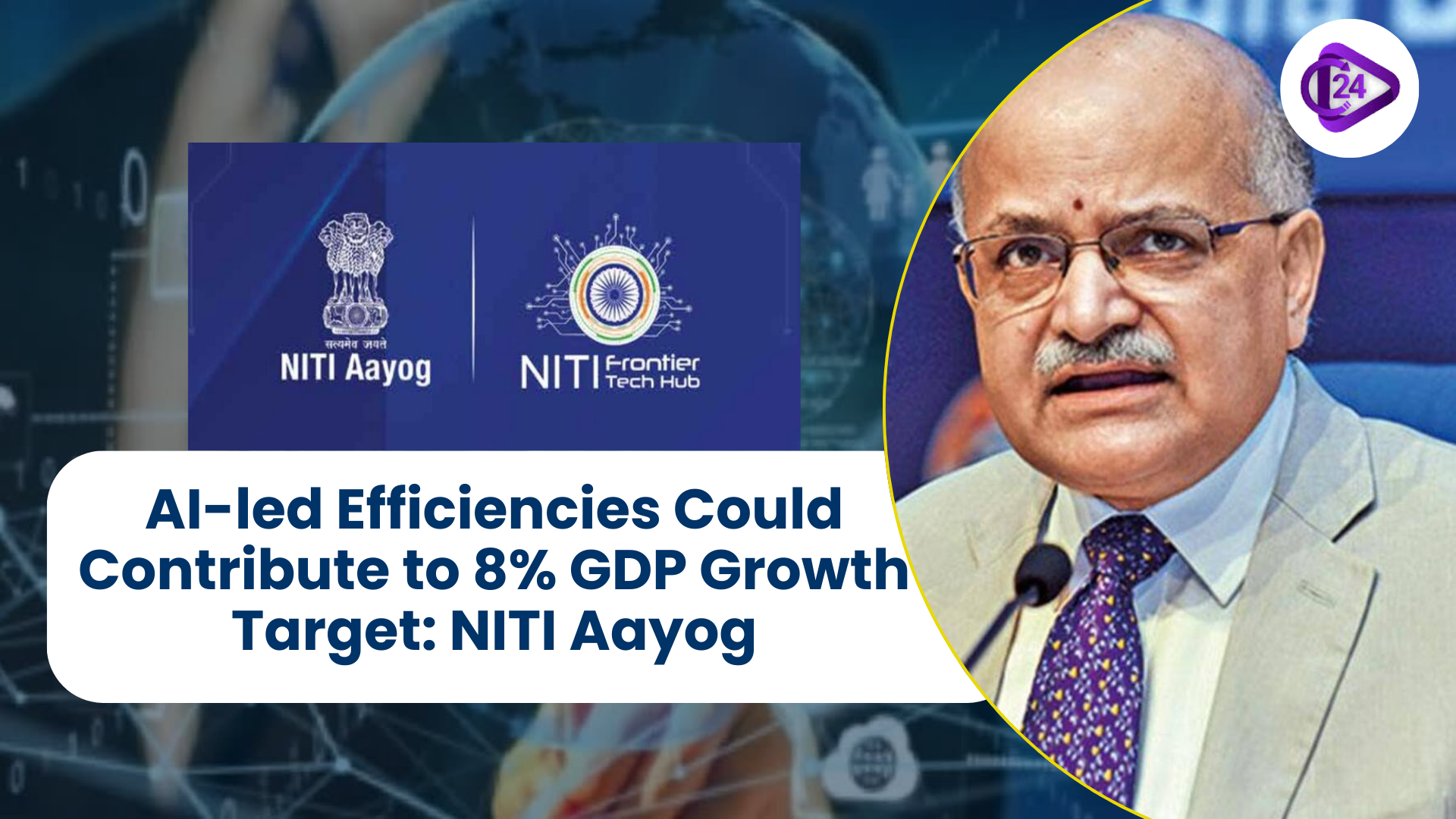
AI-led Efficiencies Could Contribute to 8% GDP Growth Target: NITI Aayog

A NITI Aayog report has said that the use of Artificial Intelligence (AI) by industries has the potential to contribute significantly to the achievement of India's 8% per annum GDP growth rate. AI-driven efficiencies can fill 30-35% of the gap in growth by increasing productivity in core sectors such as pharmaceuticals, manufacturing, automobiles, and finance. AI technology has lowered costs and time drastically in industries like pharmaceuticals, creating opportunities globally. The document also focuses on reskilling employees whose jobs are under threat from AI and digital upskilling as crucial for MSMEs and gig workers. 

Key Points

Role of AI in Increasing Productivity:

  • Adoption of AI may reduce the difference between the existing growth rate and the desired 8% GDP growth by 30-35%.

  • Industries such as pharmaceuticals, manufacturing, cars, and finance are especially well-suited for AI integration to enhance efficiency and output.

AI Impact on Pharmaceutical Industry:

  • AI is significantly decreasing the time and cost involved in drug manufacturing.

  • In the estimation of McKinsey's Koshir Daka, AI cut 10-fold the cost of making new molecules and in half the time to develop them, presenting India with a big chance to dominate the development of drugs globally.

Skilling the Workforce for AI:

  • The report underscores the importance of reskilling workers whose jobs may be displaced by AI.

  • Recommendations include annual job shift mapping, lifelong learning integration, digital upskilling for MSMEs, and protection for gig and platform workers.

AI’s Global Economic Impact:

  • IT Secretary S. Krishnan emphasized that AI has profound implications not just for India’s economy but for the global economy.

  • India must lead the way in AI innovation and adoption.

AI Impact Summit (2026):

  • The AI Impact Summit in February 2026 will center on how AI can be used to fuel India's growth and innovation, making India a global leader in AI development.

Importance of the Report

  • Economic Growth: The report underlines the catalytic power of AI in greatly contributing to the economic aspirations of India, especially in reaching the ambitious 8% GDP growth rate.

  • Sectoral Growth: AI has the ability to transform different sectors, making efficiencies that would otherwise be impossible, thereby improving overall productivity.

  • Workforce Transformation: The focus on skilling is harmonious with India's wider objective of ensuring that the economic gains from AI are not at the cost of workers but rather create new opportunities for jobs and expansion.

  • Global Leadership: NITI Aayog's urging of India to dominate the world in AI development is also in line with India's intention to place itself at the global cutting edge of technological progress.

Conclusion

The NITI Aayog paper on how AI can be a driver of economic growth highlights that India needs to tap the potential of artificial intelligence to realize its target of 8% GDP growth. By integrating AI in core industries, cutting costs in industry sectors such as pharma, and concentrating on reskilling, India is able to use AI to not just drive its economy but also spearhead the world's discussion on technology. For UPSC, this case illustrates AI adoption, economic growth, workforce skills and India's position in the world's technology.

Unemployment Rate Declines, But Female Youth Face Rising Joblessness: PLFS Data

The latest Period Labour Force Survey (PLFS) numbers indicate a mixed scenario for India's labour market in August 2025. While the total unemployment rate fell to a five-month low of 5.1%, female youth unemployment in urban and rural areas increased by substantial margins. Unemployment among women aged 15-29 increased to 14.3% in rural regions and 25.7% in urban regions. Though there was a marginal growth in the Female Labour Force Participation Rate (LFPR), the report indicates an alarming trend in female youth employment, with worse results for young males. This highlights the need for special measures for women's economic empowerment and employment generation.

Key Points

Female Youth Unemployment Rates:

  • In rural regions, the unemployment rate for female youths increased to 14.3%.

  • Urban centers experienced an accelerated rise, with young female unemployment standing at 25.7%, over 10 percentage points above urban males.

  • Increased female unemployment came in the face of an accelerated increase in the Labour Force Participation Rate (LFPR) for women to 21.4%.

Decline of Male Unemployment:

  • Contrary to the uptick in female unemployment, youth male unemployment declined.

  • Urban male youth unemployment decreased from 17.1% to 15.6%, and rural male youth unemployment dropped from 13% to 12.6%.

Labour Force Participation and Worker Population Ratio (WPR):

  • For women, national LFPR remained relatively unchanged at 17.6%, with the WPR also stable.

  • For younger men, LFPR dropped slightly to 60.7%, while the WPR decreased to 53.4%.

Government's View on Labour Market Trends:

  • The Ministry of Statistics and Programme Implementation (MoSPI) characterized the overall labour market as having "positive momentum," citing the reduction in overall unemployment. 

  • MoSPI warned, however, that month-on-month fluctuations in PLFS data might not reflect longer-term trends because of seasonals and other influences. 

Regional Disparities in Youth Unemployment:

  • Himachal Pradesh had the highest youth unemployment rate of 29.6%, well above the all-India average of 14.6%.

  • Gujarat recorded the lowest youth unemployment at 5.6% in the same period.

Seasonal and Academic Factors' Impact:

  • MoSPI has noted that monthly data variations could be influenced by seasonal, academic, and labour market factors, among others, such as the continued redesign of the PLFS design, which has raised survey frequency.

Relevance of the Report

  • Gender Imbalance: The growing number of female youth unemployed calls for policies aimed at women's labor market inclusion, especially in rural and urban regions where the difference is growing larger.

  • Young Persons' Employment: The disparity between male and female youth unemployment rates calls for gender-sensitive employment strategies to facilitate equal access to employment opportunities.

  • Policy Implications: The increasing LFPR and WPR for women, even in the face of increasing unemployment, suggest that though women are entering the labor force, their absorption remains problematic. Specialized training schemes, skill development, and job creation with an inclusive approach are essential to reverse these differentials.

  • Regional Focus: The spatial differences in youth unemployment imply that localized interventions, especially in states such as Himachal Pradesh, are called for to address high rates of unemployment.

Conclusion

The emerging trend of increasing unemployment among Indian youth women, both urban and rural, is a cause of concern for policymakers. Even though the overall rate of unemployment has declined, the rising unemployment amongst young women underscores the imperative of targeted intervention to remove employment disparities between genders. For UPSC, this points to gender disparities, geographic differences, and policy dimensions of labour market dynamics and the employment crisis of youth in India.

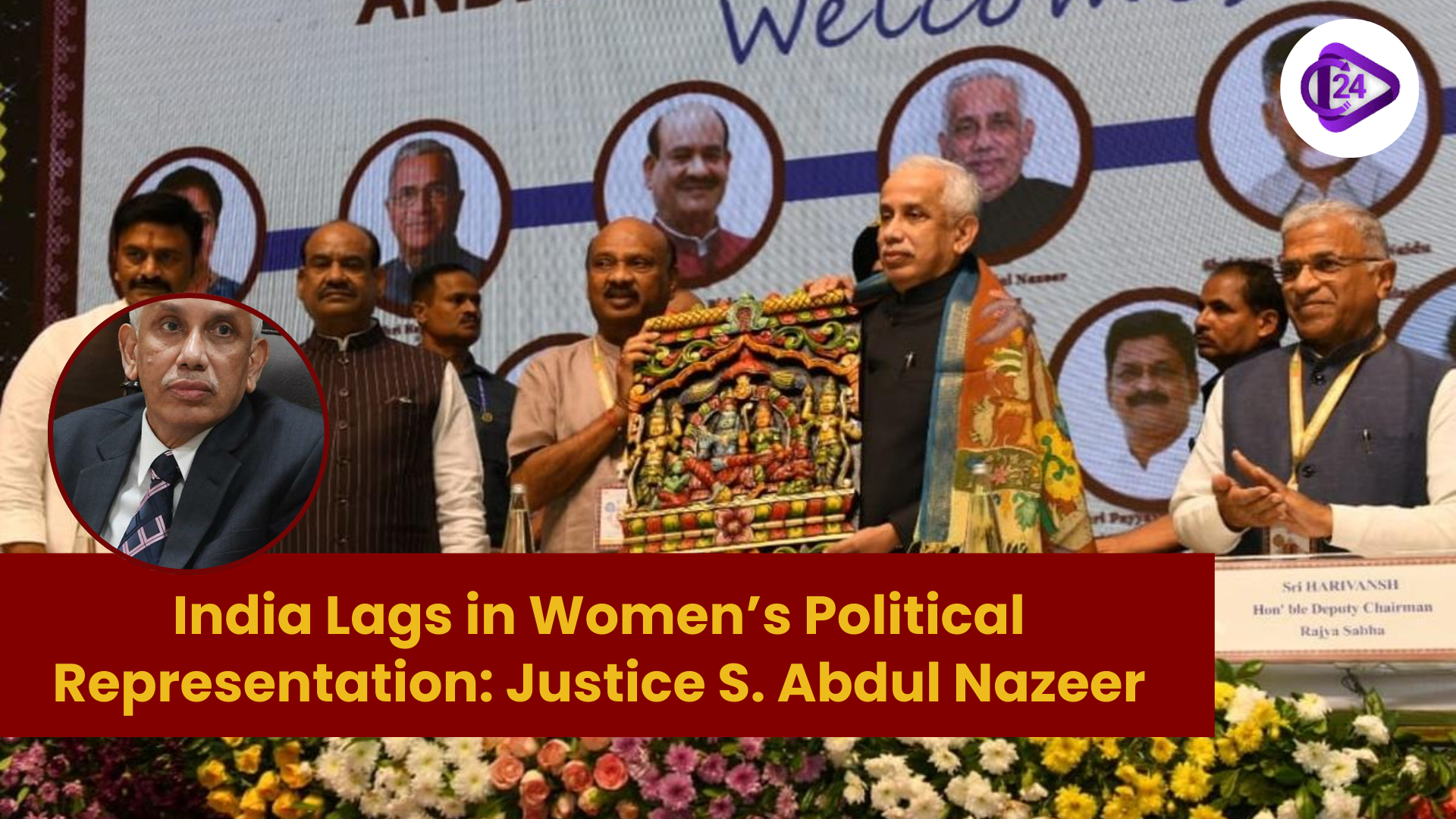
India Lags in Women’s Political Representation: Justice S. Abdul Nazeer

In the inaugural national conference on women's empowerment parliamentary and legislative committees, Governor of Andhra Pradesh Justice S. Abdul Nazeer cited India's poor female representation in politics as 148th among 193 nations. Referring to the enactment of the Women's Reservation Bill, he underlined its potential to boost women legislators in Parliament and State Assemblies. Justice Nazeer also referred to variations in participation of women from State Assemblies, where some states were more represented than others. Lok Sabha Speaker Om Birla showed alarm at the absence of legislative committees for women's empowerment and assured steps to provide redressal to gender issues in state legislatures.

Key Points

Political Empowerment of Women in India:

  • India ranks 148th in the world among 193 nations, and 31st in 47 Asian nations, in terms of women's representation in Parliament.

  • The Women's Reservation Bill seeks to provide a reservation of 33% seats for women in the Lok Sabha and State Assemblies to enable them to enter governance and policy-making processes.

  • Chhattisgarh tops with the highest rate of women legislators in State Assemblies (18%). Himachal Pradesh has only one woman MLA, Mizoram has none.

Justice Nazeer's Remarks:

  • Justice Nazeer quoted the Sanskrit line, "Where women are honoured, divinity flourishes," emphasizing women's dignity in the progress of society.

  • Quoted various legal provisions and judicial rulings designed to safeguard women, highlighting legal action for women's protection and empowerment.

Representation of Women in Legislature:

  • The Women's Reservation Bill was brought into focus as a revolutionary step towards increasing the political representation of women.

  • Legislative assemblies differ in women's representation, with Chhattisgarh topping the list at 18%, with other states lagging behind, highlighting the necessity of countrywide concentration on gender equality in politics.

Concern of Lok Sabha Speaker:

  • Om Birla expressed concern over the lack of legislative committees for women's empowerment in some State Assemblies.

  • He said he would write to State Assemblies, requesting them to form committees dealing with women's empowerment and child development.

Importance of the Event

  • Policy Effect: The Women's Reservation Bill introduces a significant step toward fair representation in Indian politics.

  • Advocacy for Gender Equality: Justice Nazeer and Speaker Birla's remarks emphasize the significance of institutional changes toward gender equality in political environments.

  • Raising Awareness: The debate raised awareness about women's underrepresentation at the state and national levels, calling for legislative amendments and action plans.

  • Future Ramifications: The development of women-focused legislative committees at the state level may set the stage for more targeted and successful policymaking on issues impacting women.

Conclusion

The statements by Justice Nazeer and Lok Sabha Speaker Om Birla at the national conference highlight the pressing need for enhancing women's representation in India's politics. As India's ranking lags behind the international standard of women's political empowerment, the Women's Reservation Bill becoming law holds out the promise of more gender equality in politics. For UPSC, this is a must-study case of gender equality, political empowerment, and policy change that underlines the importance of institutional mechanisms to ensure equity in politics.

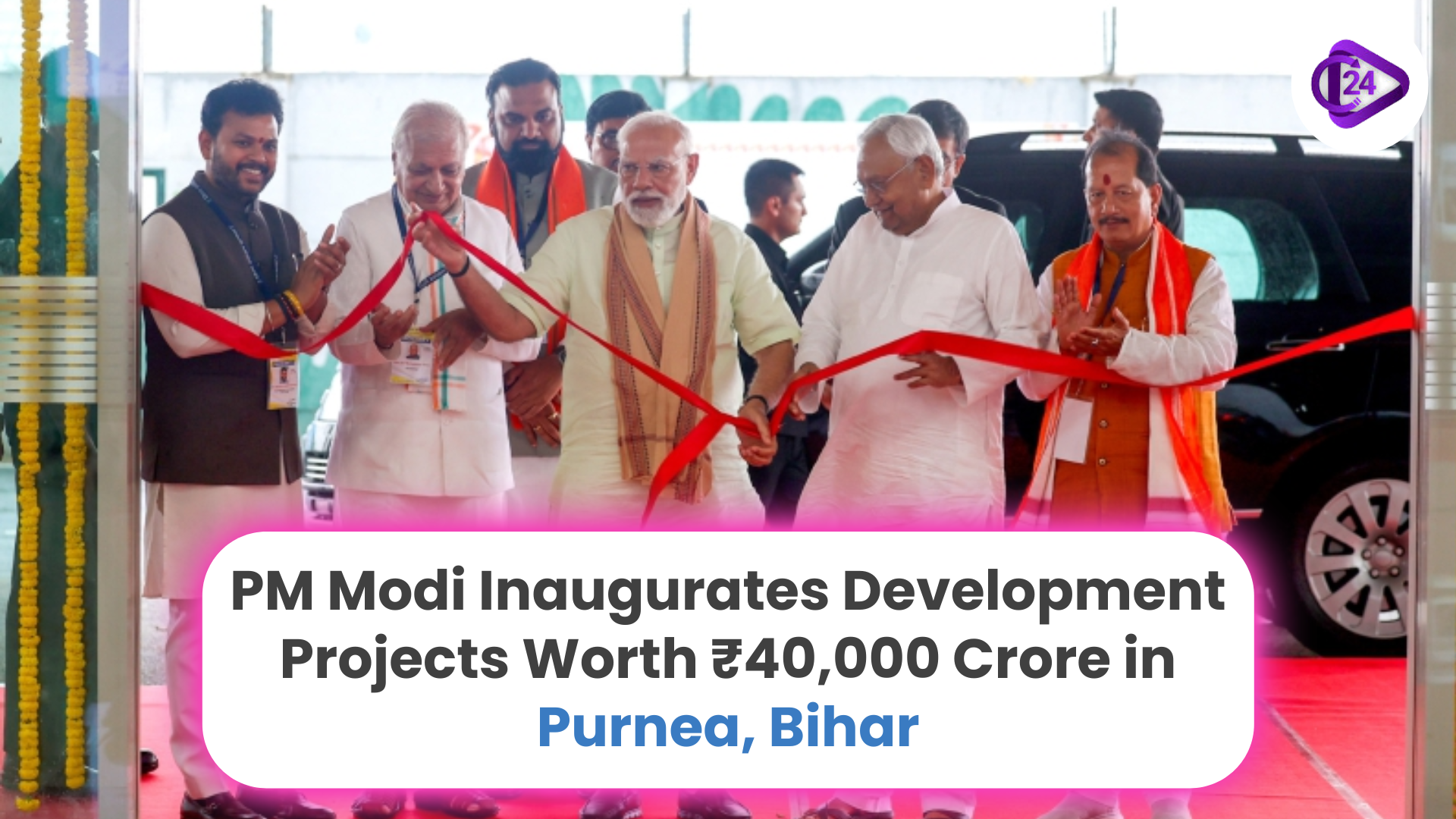
PM Modi Inaugurates Development Projects Worth ₹40,000 Crore in Purnea, Bihar

Prime Minister Narendra Modi inaugurated the development projects worth ₹40,000 crore at Purnea, Bihar on 15 th September 2025. This encompassed substantial investment in infrastructure, energy and rail connectivity and social development plans. The projects are supposed to increase the industrial potential of Bihar, make agriculture more resilient, and increase energy security. Another important move towards the connectivity of the region was the establishment of the National Makhana Board and the opening of Purnea airport terminal by the Prime Minister. These initiatives aim at creating sustainable long term development by focusing on rural and tribal populations.

Key Points in Detail

Launching of Development Projects:

  • Value of Projects: 40000 crore.

  • Areas of Focus: Railways, airports, energy, water and housing.

  • Key Developments:

    • Setting up a 7230 crore polypropylene plant.

    • Purnea Airport terminal opening.

    • There are several railway projects such as Araria Galgalia rail and Vande Bharat Express.

Housing and Social Initiatives

  • Permanent Housing: More than 40000 families were given permanent housing under PMAY.

  • Griha Pravesh Ceremony: PM gave keys to rural and urban beneficiaries under PMAY (R) and PMAY (U).

  • Community Investment Fund: 500 crore given to Cluster Level Federations under DAY-NRLM in order to empower local communities as well as women.

Makhana Development

  • National Makhana Board: PM Modi declared the board to improve market and technological growth of Makhana cultivation to benefit the farmers in Bihar.

  • 475 crore on Makhana sector development.

Energy and Irrigation Projects

  • 2400 MW Thermal Power Project: Pirpainti, Bhagalpur, Foundation stone to serve Bihar energy requirement.

  • Kosi-Mechi River Link Project: 2680 crore project to enhance irrigation and flood control.

Rail Modernization and Rail connectivity

  • New Rail Lines:

    • Bikramshila-Kataria ( 2,170 crore), connecting the river Ganga.

    • Araria-Galgalia (₹4,410 crore), to improve the connections in northeastern Bihar.

    • Vande Bharat Express: Flagged off, Purnea to Patna, enhancing speed and facility.

Dairy and Livestock Development

  • Sex-Sorted Semen Facility: The facility is a modernized one aimed at enhancing the birth of female calf, and enhancing the female dairy productivity in the area.

The Address of PM on Security and Development.

  • Security Concerns: PM pointed out the demographic challenges of infiltrators at Seemanchal and Eastern India and pointed out to act to close infiltration.

  • Women Empowerment: The PM pointed out the rising role of women in the development of the state especially in the Jeevika Didi program.

Significance of the Event

  • Economic Boost: Large industrial, energy and transportation projects will boost Bihar's economy.

  • Empowerment and Inclusion: Dwelling on housing, women empowerment and agricultural sustainability.

  • Infrastructure Development: Improvement in connectivity by introducing the modern rail facilities and developing major facilities such as the Purnea Airport.

  • Policy Impact: Restates the government's commitment to the growth and development of Bihar and rural development to help farmers and energy self-reliance.

Conclusion

The aforementioned development projects inaugurated by PM Modi in Purnea have a value of 40,000 crore and are a great step in economic development, industrialization, and infrastructure advancement in Bihar. The emphasis on energy security, rail connectivity, Makhana farming, and empowerment of the marginalized communities are in line with the overall vision of the inclusive development and self-reliance where the rural development and empowerment of women are considered. In the case of UPSC, these programs apply to the policies of economic development, infrastructure, rural welfare and regional growth especially in light of inclusive growth and national security.

Frequently Asked Questions (FAQs)

The current affairs cover recent national and international events related to UPSC, SSC, Banking, Railways, and State PCS.

You need to read about the current affairs daily, and revise them every week and every month to keep them longer in your memory.

Yes, Class24 provides free downloadable Daily Current Affairs PDFs for easy revision.

Yes, you can practice MCQs and quizzes to boost your exam preparation.

Absolutely. The content is written in simple, easy-to-understand bilingual language suitable for beginners.

Go to class24.com and click on the current affairs section directly, where you find everything that you need.

ssc-toppers

Start Learning Today with Class24

Related current affairs

Class24 offers free video lectures for smart preparation, covering CGL, CPO, CHSL, MTS, and GD exams. Learn from expert faculty, revise concepts easily, practice with PYQs, and improve speed and accuracy through high-quality, exam-focused video lessons anytime, anywhere.

Get success in your hand. Start study anytime anywhere.

The journey becomes simple and enjoyable when you start taking interest in it. And through our app “Class24”, we will be your trusted partners in developing that interest.

Daily Quizzes
Mock Tests
Ongoing

No ongoing tests right now.