
Day: June 12, 2025

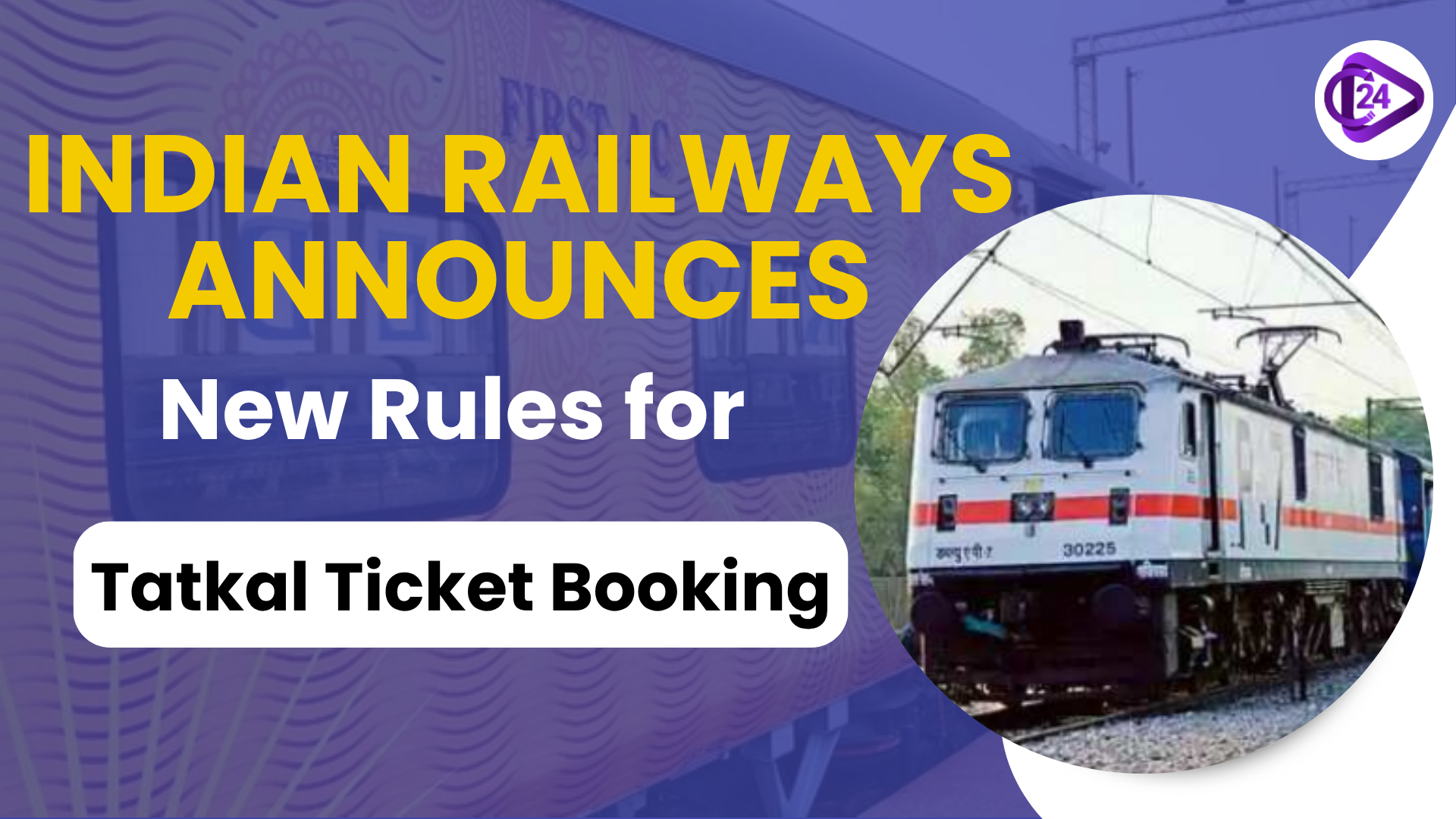
Indian Railways New Tatkal Rules: Aadhaar & OTP Now Mandatory

The Ministry of Railways has implemented major changes in the Tatkal ticket booking system in order to check malpractices and provide fair chances to the deserving passengers. Aadhaar-based authentication of IRCTC account: Booking of Tatkal tickets on the IRCTC website and mobile application will require users to authenticate their account starting 1 July 2025. Further, the system will integrate OTP-based authentication on online and counter booking since July 15, 2025. These updates will help to prevent abuses of agents and automated bots and help to establish transparency and justice in the availability of tickets.

From July 1, Tatkal tickets can be booked online through IRCTC only by Aadhaar-authenticated users, and by July 15, OTP authentication will also be mandatory on internet and counter ticket booking. The modifications are expected to control malpractices and provide Tatkal tickets fairly.

Key Details Regarding the New Tatkal Ticket Booking Rules

1. Aadhaar Authentication for Online Tatkal Bookings

Aadhaar Linkage will be Made Mandatory:

  • IRCTC account Booking Tatkal Tickets Online: Passengers have to verify their IRCTC account with their Aadhaar number to be able to book Tatkal tickets online, via the IRCTC website or the IRCTC mobile app, w.e.f. 1 July 2025.

  • This initiative will help provide Tatkal tickets to only real passengers and to curb the malpractices being followed by unauthorised agents.

2. OTP Authentication for Both Online and Counter Bookings

OTP Verification can be done through Aadhaar:

  • Passengers making Tatkal reservations online will have to authenticate using Aadhaar-based OTP with effect from July 15, 2025.

  • Likewise, counter booking at Passenger Reservation System (PRS) counters and under authorized agents shall also be counter-booked with an OTP authentication to be sent on the mobile number given during the time of booking.

3. Restrictions on Authorized Agents

Agents' booking time limits:

  • In a bid to ensure that the authorized ticketing agents do not monopolize the first sale window, the authorized ticketing agents will not be allowed to book Tatkal ticket within the first 30 minutes of the booking window.

  • In the case of AC classes, the limitation will be between 10:00 AM to 10:30 AM.

  • In the case of non-AC classes, the agents shall not be permitted to make booking between 11:00 AM to 11:30 AM on the first day.

  • The shift is geared towards equitable access by ordinary passengers in the most competitive booking window.

4. Data on Tatkal Ticket Booking Trends

Daily Booking volume:

  • An average of 2,25,000 Tatkal tickets gets reserved online every day via IRCTC.

Booking Patterns:

  • AC classes Tatkal reservations: 62.5 percent of the Tatkal reservations are made in the first 10 minutes of booking window, on an average.

In the case of non-AC tickets, approximately 66.4 percent of the booking is done in the first 10 minutes of the window opening.

5. Ministry’s Objective and Expected Impact

Reduction of Automated Bots and Malpractices:

  • One of the relevant steps taken to ensure that automated bots are curbed and prevent large-scale booking of Tatkal tickets by unauthorised agents is the introduction of Aadhaar-based authentication.

  • The Ministry of Railways has clarified that all these changes are aimed at bringing in transparency and ensuring that the Tatkal system gives results to the actual passengers.

6. System Changes and Implementation

System Modifications:

  • Centre of Railway Information System (CRIS) and the IRCTC will have the responsibility to change their systems to reflect these changes and make all the Zonal Railways and other concerned departments aware of the same.

  • This is to notify that the system of Aadhaar authentication and OTP verification will be fully operational by July 15, 2025, and thereafter, no Tatkal booking will be permissible without the mandated verification.

7. What Passengers Need to Do

Connect Aadhaar with IRCTC Account:

  • It is also important that all Tatkal ticket seekers should associate their Aadhaar numbers with their IRCTC accounts before making any ticket booking so as to prevent any kind of inconvenience in making ticket booking with effect from July 1, 2025.

Conclusion

The move by Indian Railways to introduce Aadhaar authentication to Tatkal ticket booking is a momentous decision towards making sure that the scheme benefits genuine passengers. The Ministry will help address the misuse and bring more transparency in the ticketing booking process by limiting unauthorised agents and implementing OTP-based authentication. Such reforms will likely simplify the Tatkal booking system and make it fairer to the general population as well as fight automated bots used to make unfair bookings. The passengers have been requested to make sure that they are linked with Aadhaar to the IRCTC to prevent any hindrance.

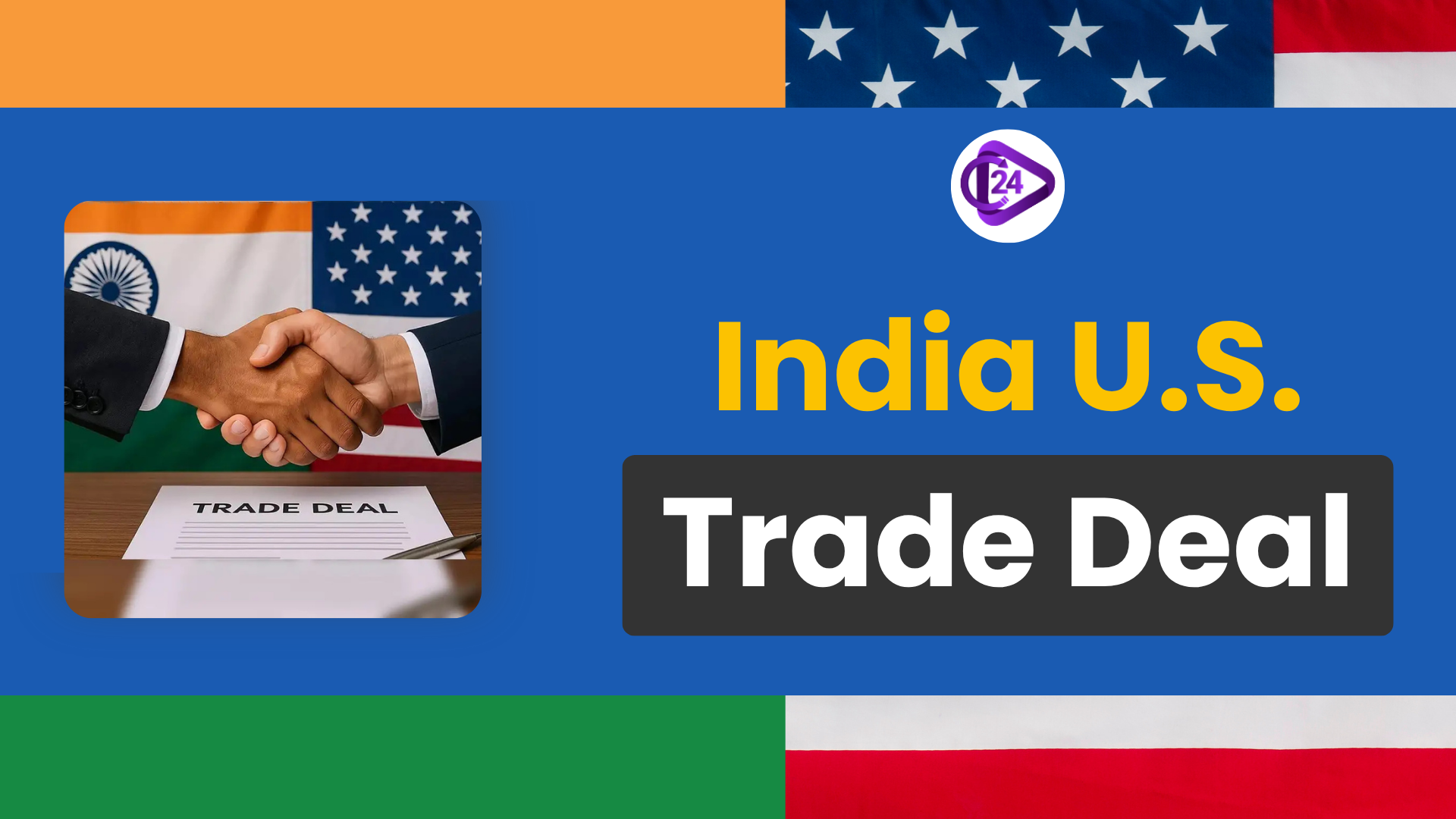
India-U.S. Trade Deal Faces Delays, Original Fall Deadline Back on the Table

The trade deal between India and the United States that was initially supposed to be signed on July 9 is taking longer to be reached as issues are unresolved in ongoing negotiations. The principal issues of concern are the high American tariffs on the importation of steel and aluminium and the insistence of the U.S. to be given more access to the Indian agricultural market. Though there were fruitful negotiations and delegations of both parties visited each other, the agreement is now likely to be reached by the fall of 2025, and the deadline is planned to be September-November. The change indicates how complicated the discussions are and how political some of the core issues are.

India-U.S. trade deal that should have been finalized by July 9 has been held up over tariff and agricultural market access issues. It is now projected that the deal will be completed by the fall of 2025, and the emphasis will be to establish a mutually beneficial Bilateral Trade Agreement (BTA).

Detailed Overview of the India-U.S. Trade Deal Delays

1. Original Timeline and New Deadline

  • First Deadline: The two nations had aimed high of reach an initial mini-deal by July 9, when U.S. steel and aluminium tariffs are due to take effect.

  • Amended Due date: The transaction is now projected to be accomplished between September 2025 and November 2025. This change can be attributed mostly to the continuous negotiation on difficult matters that are not finally resolved.

2. Key Issues Hindering Progress

U.S Tariffs on Steel and Aluminium:

  • Among the key stumbling blocks to the negotiations is the U.S. tariffs on steel and aluminium, which President Donald Trump recently increased to 50 per cent in June, thereby stoking more tensions.

  • Efforts by India: India has been pressing to have concessions on these tariffs, which have a huge impact on Indian exporters; however, there has been no success so far.

  • Rising Tariffs: After previously increasing tariffs in March, the 50 per cent tariff on steel and aluminium was enacted into law, creating a very crucial point in negotiations.

U.S. Demand for Agricultural Market Access:

  • The U.S. has also been urging the opening up of the Indian agricultural market, seeking reduced hindrances to U.S. agricultural imports, on the other side.

  • India: India is also not willing to liberalize its agricultural market extensively because this will destroy the lives of the local farmers who are already competing with imports.

  • This is one of the other aspects which both parties have not been able to compromise as India wants to protect its farmers.

3. Recent Developments and Negotiation Efforts

Negotiators coming to see you:

  • Visit of Indian Team to the U.S.: Last month, Indian delegation led by Commerce Minister Piyush Goyal visited the U.S. to advance the talks.

  • U.S. Team Visit To India: After this, a week-long visit of the U.S. negotiating team to India ended on June 10.

  • Even after the productive talks, both parties have admitted that there are still major issues that are unsettled.

Productive Talks:

  • Both parties have reported the talks to be fruitful and there is a development towards a Bilateral Trade Agreement (BTA) that will be mutually beneficial, although some thorny issues still exist which will take time to work out.

4. The Significance of the July 9 Deadline

Background of July 9 Date:

  • The date of July 9 is relevant because it is the expiry of the 90-day suspension on his Liberation Day tariff increases that Trump had announced.

  • Consequences of Delay: Unless the deal is completed by this date, the U.S. can impose tariffs again, and it might lead to rising tensions and subsequent complexities in further negotiations.

India’s Response:

  • India had already cried foul over the tariff increases, making an official complaint to the World Trade Organization (WTO), claiming that it had the right to put reciprocal tariffs on American goods.

  • The bilateral talks are still going on regarding the issue and both the parties are trying to reach some sort of compromise that might ease the tensions and settle the prevailing trade anxieties.

5. Future Outlook

U.S. Officials' Statements:

  • U.S. Secretary of Commerce, Howard Lutnick, was upbeat about the same saying that a trade agreement with India would probably be ready in the “not too distant future”.

  • Position of Indian Government: India wants to conclude the trade agreement, recognizing the difficulty of the process but insisting on the necessity of a balanced agreement, which would suit both nations.

Importance of a Mutually Beneficial Agreement:

  • India and the U.S. are eager to make a comprehensive trade agreement covering major areas such as agriculture, manufacturing and service industries.

  • The completion of this agreement will, most probably, have an immense influence on both of the economies, ameliorating the trade relationship and allowing more accessibility to the market to the companies of India and the U.S.

Conclusion

Trade deal between India-U.S which was initially expected to be finalized by July 9 is delayed mostly because of the concerns in steel and aluminium tariffs, and U.S. insistence on agricultural market access. As both parties have reported about fruitful negotiations, the new fall 2025 deadline provides them with more time to squeeze out the following essential points. The completion of this deal may boost the economic relations between the two nations and the U.S. and India will gain more, particularly the trade, agriculture, and manufacturing. Nevertheless, the next few months will be critical towards reaching a middle-ground on these intricate trade issues.

Frequently Asked Questions (FAQs)

The current affairs cover recent national and international events related to UPSC, SSC, Banking, Railways, and State PCS.

You need to read about the current affairs daily, and revise them every week and every month to keep them longer in your memory.

Yes, Class24 provides free downloadable Daily Current Affairs PDFs for easy revision.

Yes, you can practice MCQs and quizzes to boost your exam preparation.

Absolutely. The content is written in simple, easy-to-understand bilingual language suitable for beginners.

Go to class24.com and click on the current affairs section directly, where you find everything that you need.

ssc-toppers

Start Learning Today with Class24

Related current affairs

Class24 offers free video lectures for smart preparation, covering CGL, CPO, CHSL, MTS, and GD exams. Learn from expert faculty, revise concepts easily, practice with PYQs, and improve speed and accuracy through high-quality, exam-focused video lessons anytime, anywhere.

Get success in your hand. Start study anytime anywhere.

The journey becomes simple and enjoyable when you start taking interest in it. And through our app “Class24”, we will be your trusted partners in developing that interest.

Daily Quizzes
Mock Tests
Ongoing

No ongoing tests right now.