
Day: May 2, 2025

Indian Navy Conducts Key Drills in Arabian Sea Amid Rising Tensions with Pakistan

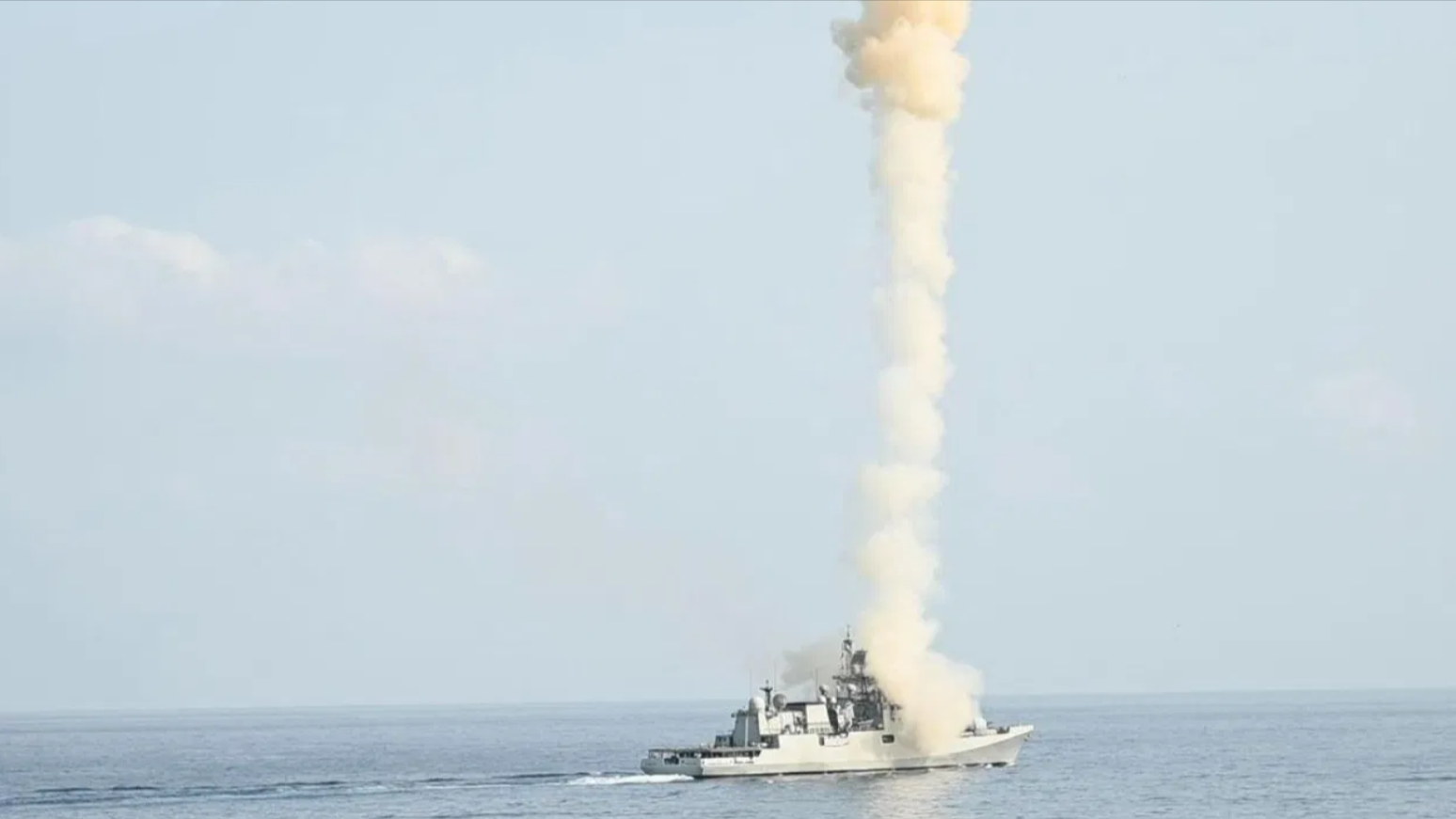
Indian Navy forces have increased their position in the Arabian Sea by conducting repeated anti-ship missile tests during current exercises to maintain readiness. These drills took place inside India’s Exclusive Economic Zone during a time when Pakistan issued missile notifications about the same area. The Navy conducts precision strike capability development operations together with maritime defense activities because regional tensions have increased since the Pahalgam terrorist attack in Jammu and Kashmir. The planned military exercises will run their course throughout the period from May 3, 2025, to the present.

Summary:

  • At present, the Indian Navy executes extensive exercises alongside missile launch operations in the Arabian Sea to test both its preparedness and precise strike abilities.

  • The exercises take place during a tense period of Pakistan relations after a fatal terror attack occurred in Jammu and Kashmir.

Highlights of the News:

  • Operations by the Indian Navy include live weapon test exercises which take place off Gujarat coast as the navy issues safety alerts through green notifications.

  • The BrahMos anti-ship missiles form part of various exercises that need to demonstrate the full precision strike potential of the Indian Navy.

  • The Indian Navy maintains close observation of multiple naval missile firing notifications that Pakistan has released.

  • India intensifies its maritime defense capabilities through navy exercises inside its Exclusive Economic Zone.

  • Growing tensions stem from the Pahalgam terrorist attack where 26 people lost their lives during this time of military operations.

Importance:

  • Strengthening Strategic Deterrence

    • India proves its readiness to prevent regional threats through its armed forces demonstrations.

    • The drills show how Indian maritime capabilities have increased their positioning since Pakistan launched naval drills and China increased its naval presence in the Indian Ocean Region (IOR).

  • Boost to Operational Readiness

    • The tests prove correct the readiness of combat systems as well as missile precision and operational response capabilities.

    • The naval operation enhances communication between different service branches which leads to improved inter-service combined operational efficiency.

  • Enhanced Maritime Surveillance

    • The system advances current surveillance along with threat identification procedures in major maritime shipping routes.

    • India achieves maritime route security that enables crucial energy and economic trade operations.

  • Regional Power Projection

    • Signals India’s blue-water navy capabilities to allies and adversaries alike.

    • The role of India as a net security provider in the Indo-Pacific receives added prominence through these actions.

  • Domestic Technological Confidence

    • The naval force supports the testing process and integration of locally built defensive weapon systems such as BrahMos missiles and indigenous missile platforms.

    • The defense manufacturing sector in India will experience both innovation and investment thanks to Atmanirbhar Bharat.

Way Forward:

  • Strengthen Indigenous Capabilities

    • Speed up the development of future generation naval systems that include submarines and UAVs along with anti-submarine warfare equipment.

    • DRDO along with Navy should carry out joint efforts to improve advanced missile systems and sensors development.

  • Enhance Strategic Maritime Infrastructure

    • A network of forward-operating bases and logistics hubs and island command centers (especially Andaman & Nicobar Command) should be developed.

    • The nation should enhance its strategic port facilities through modernization initiatives on both eastern and western coastline locations.

  • Deepen Naval Diplomacy

    • The Navy should hold more exercises under the names of MALABAR, MILAN, and SIMBEX to establish strategic relationships between nations.

    • Naval forces should maintain increased confidence-building measures (CBMs) with their neighboring countries to stop accidents from becoming more severe.

  • Expand Surveillance & Cyber Capabilities

    • The Indian Navy must combine space-based monitoring with real-time domain awareness systems and artificial intelligence-based decision platforms.

    • Secure naval digital assets from cyber intrusions and malware attacks.

  • Address Environmental & Legal Norms

    • The conduct of naval exercises must follow both laws under UNCLOS and safety measures for the surrounding environment.

    • Compete with transparent measures that prevent wrong interpretations from other countries located near the coast.

Conclusion:

These ongoing exercises present the Indian Navy with better operational readiness because India dedicates itself to building strong defense capabilities against changing regional threats. These drills demonstrate the fundamental need for maintaining maritime security within the Arabian Sea because of increasing security and geopolitical developments. Regional stability and national security are key priorities for India as the military operations demonstrate how the country watches its maritime domain and responds to Pakistani and surrounding countries.

FAQs

The Indian Navy executes anti-ship missile operations alongside other missile tests during their current military exercises to sustain preparedness and enhance missile accuracy. This testing helps analyze how India can defend its seas while demonstrating its capabilities against local threats.

India conducts these exercises in its **Exclusive Economic Zone (EEZ)** throughout the Arabian Sea while operating near the Gujarat coastline. The rising tensions in the area made this maritime region become more active regarding military operations.

The exercises took place at a strategic period that followed the fatal **Pahalgam terrorist attack** in Jammu and Kashmir that led to the deaths of 26 individuals. These naval drills take place while Pakistan sends missile alerts to its territory and as the Chinese navy increases its presence around the Indian Ocean Region.

The Indian Navy conducts **BrahMos anti-ship missile testing** because these weapons system provide proof of India’s maritime defense precision strike capabilities.

Maharashtra Reclaims Historic Sword of Raghuji Bhosale I at Sotheby’s Auction

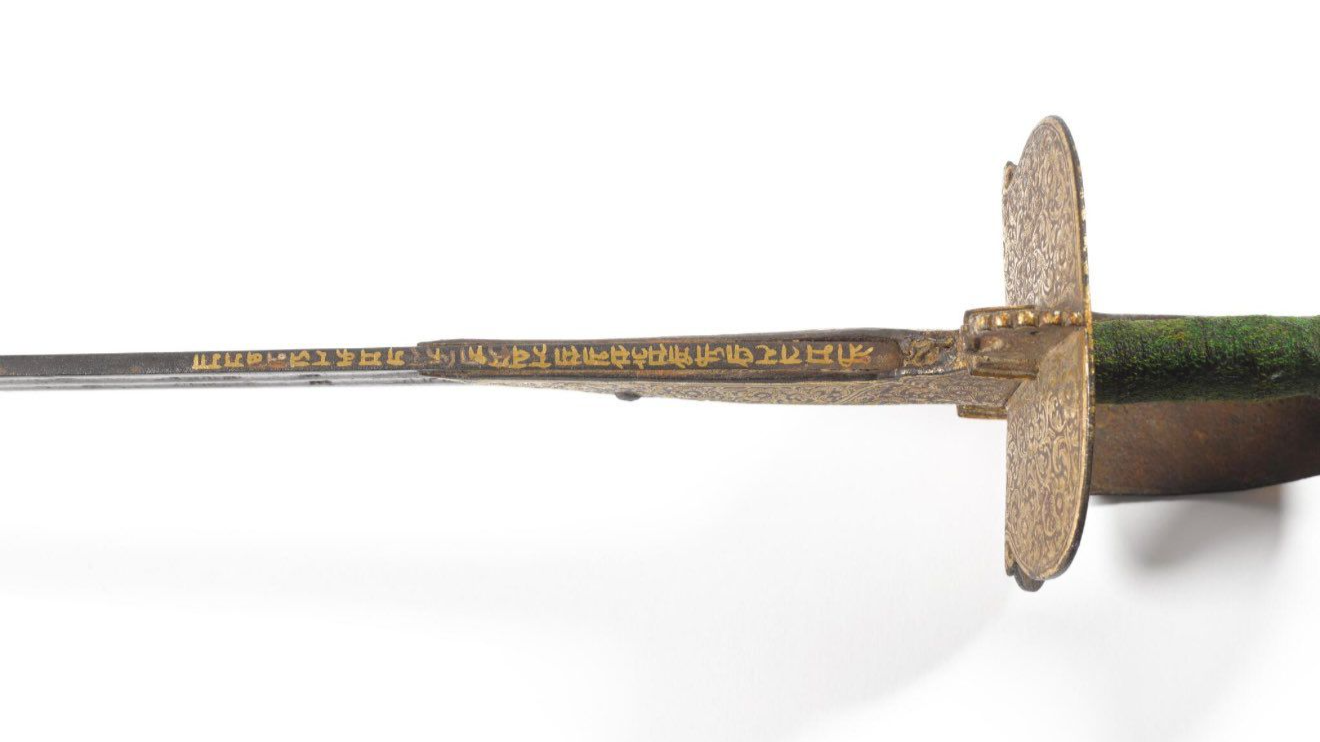
The Maharashtra government achieved a historical milestone by returning to India the historic sword of Raghuji Bhosale I during a Sotheby’s auction in London, which belonged to a notable 18th-century Maratha ruler. The state of Maharashtra achieves its first success in acquiring historical artifacts from international auctions. The bidding reached £38,100, which turned out to be much higher than the initial estimate of approximately Rs 47.15 lakh.

Summary:

  • The Sword features a European Blade Engraved with Devanagari Script Calling "Shrimant Raghuji Bhosale Sena Saheb Subah" its owner, which indicates its ceremonial purpose.

  • The sword returned home to Maharashtra as one of numerous treasures that British East India Company soldiers stole from the Nagpur Bhonsles following their 1817 defeat at the Battle of Sitabuldi. 

  • This proud symbol of the Maratha people gained a second breath of existence, which returned both historical significance and restored Maratha heritage.

  • The sword carries proprietary importance because of its connection to the Nagpur Bhonsle family under Raghuji Bhosale I whose expansion of rule reached Odisha and Bengal territories.

Raghuji Bhosale I: Key Points

Background and Early Life:

  • Born in 1695, Raghuji Bhosale I established his leadership among the Hingankar Bhosale clan, which controlled the Maratha territory.

  • Through many generations, his ancestors served as defenders for the Maratha people.

  • Raghuji rose to prominence with the mentorship of his uncle, Kanhoji Bhosale.

Rise to Power:

  • A significant turning point arrived for Raghuji Bhosale in 1728 when Chhatrapati Shahu I offered his backing, which enabled Bhosale to oppose and defeat his uncle Kanhoji Bhosale to become the ruler.

  • Raghuji Bhosale I successfully built his authority over both the Berar and the Gondwana regions.

Territorial Expansion:

  • During his reign, Raghuji Bhosale directed the Maratha forces toward significant territorial expansion.

  • Led military campaigns in Bengal (1745–1755).

  • Expanded Maratha rule to Odisha, Bihar, West Bengal, Uttar Pradesh, Madhya Pradesh, and Chhattisgarh.

  • Raghuji Bhosale won the rank of Senasahib Subha (Commander of the Army) from Chhatrapati Shahu Maharaj through his tactical military mindset.

Restoration of the Jagannath Temple:

  • During his rule, Raghuji Bhosale directed vital restoration efforts toward the Jagannath Temple in Puri, located in Odisha, which had suffered from Mughal abandonment.

  • The temple funds received support from his generosity, and he built rest stops for pilgrims in service to temple activities.

Sword of Raghuji Bhosale I:

Features of the Sword:

  • European-style single-edged blade with a slight curve and two fullers (grooves).

  • The Devanagari inscription on the gold inlaid surface bears the message "Shrimant Raghuji Bhosale Sena Saheb Subah Firang" showing its ceremonial role.

  • The sword bears a basket hilt because it served ceremonial functions.

Historical Loss and Recovery of the Sword:

  • During the Sitabuldi battle of 1817 the British East India Company succeeded in their military conquest against the Nagpur Bhonsles.

  • British forces took the sword from parts of the Bhonsle treasury possessions during their looting raids.

  • The sword returned to the Maharashtra government following its purchase from Sotheby’s because it represented Maratha historical heritage.

Legacy:

  • During his reign, Raghuji Bhosale I built the basis for what became the dominant force in the Nagpur Bhonsle Kingdom.

  • The foundation upon which the Bhonsle dynasty sustained power was established through his military operations alongside his efficient administrative control.

  • The retrieval of this ancient sword demonstrates how vital the Maratha Empire background remains, along with modern-day activities to retrieve cultural heritage items.

Conclusion:

The recovery of Raghuji Bhosale I's sword represents a major cultural achievement that benefits both Maharashtra as well as India. The sword's return demonstrates the historical essence of the Maratha Empire, together with the cultural possessions that disappeared because of British colonial control. Through the sword’s recovery, India continues its efforts to protect its historic heritage thus creating future opportunities for people to experience their cultural origins. Historical artifacts and cultural legacies require international cooperation for their proper protection, according to this significant incident.

FAQs

The sword, originally acquired through looting by British soldiers during the Battle of Sitabuldi, belongs to the Maratha Empire. Its return marks a victory in recovering national cultural assets and symbolizes a significant reclamation of India's historical heritage.

The sword was sold at a Sotheby’s London auction for **£38,100**, which exceeded the estimated price by a significant margin, totaling more than **Rs 47.15 lakh**.

The sword has a **European-style blade** and features an inscription in **Devanagari** that reads "Shrimant Raghuji Bhosale Sena Saheb Subah". It served **ceremonial purposes** and symbolized both **Maratha royal power** and military command during Raghuji Bhosale’s era.

Raghuji Bhosale I, born in **1695**, expanded Maratha rule into **Odisha** and **Bengal**. He was a prominent military commander under **Chhatrapati Shahu Maharaj** and led the **restoration of the Jagannath Temple** in Puri, Odisha.

The **sword’s recovery** represents a major cultural milestone for India. It highlights the nation’s ongoing efforts to reclaim historical artifacts, safeguard its heritage, and honor the legacy of the **Maratha Empire**.

Satavahana-era Inscriptions Found in Telangana’s Peddapalli

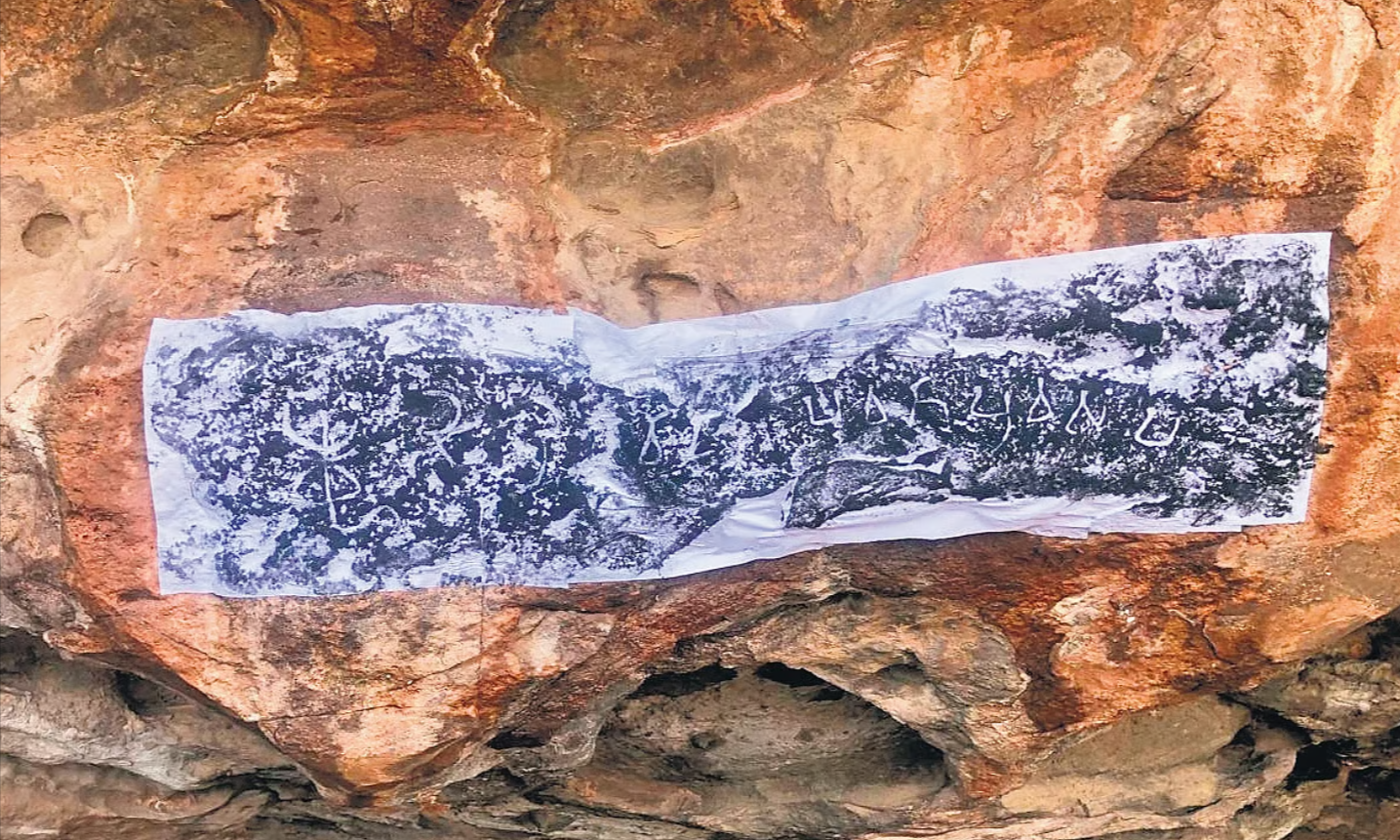
Archaeological Survey of India (ASI) has accomplished the documentation of eleven Satavahana-era inscriptions through epigraphical survey operations at Gundaram Reserve Forest near Peddapalli town. Multiple inscriptions from the first century BCE to sixth century CE deliver multiple historical insights about Deccan's cultural development and political dominions. These findings enable researchers to establish how religious symbols were connected to South Indian political power in ancient times. Additional research on pre-Buddhist practices and political operations during Satavahana times can be developed from these written texts.

Context:

  • Early political and cultural dynamics of the Deccan period are accessible through these inscriptions which focus on the Satavahana period.

  • The Hāritiputra member described in the inscription potentially belonged to the political empire known as "Chutu" and carried out excavation work to establish a Buddhist cave for monks.

  • A special inscription incorporates the religious symbols of trident and damaru to become the earliest recorded use of religious imagery with inscriptions in South Indian history

Key Points

About Gundaram Reserve Forest

  • Location and Accessibility:

    • The forest is itself in Kamanpur Mandal at a distance of 25 kilometers from Ramagundam.

    • Sounds public transport services reach the forest area, which stands adjacent to the Gattusingaram village. 

  • Archaeological Significance:

    • Several ancient inscriptions discovered at Sitammalodi attract significance to this rock formation within the reserve territory.

    • Early Brahmi script dominates the 11 inscriptions found on Sitammalodi across the first century BCE to the 6th century CE time span. 

  • Ecological Features:

    • A total area of 966 hectares contains different types of properties that include both agricultural and non-agricultural sections as well as agricultural elements.

    • This region displays a tropical climate, which enables the existence of different floral and faunal species. 

  • Conservation Efforts

    • Archaeological Survey of India (ASI), together with the Telangana Forest Department, currently documents and preserves the inscriptions.

    • The site's archaeological heritage and ecological value will be defended through further sustainability projects and protection operations.

Overview of Satvahana Dynasty:

  • Period: During the 1st century BCE until the early 3rd century AD, the Satvahana dynasty experienced its peak.

  • Influence: During the early period of Indian history, the Satvahana dynasty established itself as a major force that influenced the political control and cultural development of India.

  • Area: The Deccan Plateau was the origin point of this dynasty, which established itself as crucial for the transition between the Mauryan decline and the rise of other southern powers.

Origins and Early History:

  • Origin: Through the splitting of the Mauryan Empire, the Satvahanas formed as a new dynasty.

  • Founder: Simuka originated the Satvahana dynasty while he built his power base in the Deccan Plateau territory.

  • Area of influence: The initial Satvahana government successfully established dominance over contemporary territories which include the areas of Maharashtra, Andhra Pradesh, Telangana along with Madhya Pradesh.

Territorial Extent:

  • During the prosperous era of the Satavahana Empire, the rulers controlled numerous Deccan Plateau regions alongside central Indian regions.

  • During its rule, the empire exercised great influence across South India as it became one of the leading powers in the region.

Religious Beliefs and Practices:

  • Ancestral documents from the Satvahana kingdom demonstrate their status as Brahmanas because they focus on Vedic yajnas (sacrificial rites).

  • Despite their status as Andhras in Puranic literature, the rulers belonged to a mixed population of supposedly lower social strata.

  • Religious tolerance defined the Satvahana dynasty, which provided support to Buddhist establishments while extending their patronage to Buddhist monasteries.

  • The Satvahana royal family supported Buddhist culture through their patronage of Nagarjunakonda and Amaravati in Andhra Pradesh, thus making these sites two prominent centers of Buddhist scholarship.

Support for Buddhism:

  • Through their extensive patronage the Satvahanas actively prospected Buddhism across the Deccan region together with its surrounding territories which led to numerous Buddhist sites being built as Buddhist teachings spread.

Literary Contributions:

  • Through their cultural patronage, the Satvahana dynasty preferred officially using Prakrit over Sanskrit despite its Sanskritvada culture and heritage.

  • Hala’s “Gatha Sattasai”, an anthology of Prakrit poetry, stands as a major literary achievement of this period.

  • The entire corpus of Satvahana inscriptions relied on the Prakrit language together with Brahmi script to both establish connection with the common populace while simultaneously championing local linguistic traditions.

Cultural Impact:

  • The Satvahanas selected Prakrit above Sanskrit in official uses to demonstrate their dedication toward maintaining Deccan regional cultures and languages which shaped the ongoing cultural advancements of the region.

Conclusion:

The Satavahana-era inscriptions found at Gundaram forest in Telangana expand the comprehension of historical events occurring during the first stages of the region's development. Through inscriptions we gain important information about politics as well as how religious symbolism merged with political rule at an early stage. The examination brings new knowledge to Deccan historical studies about Satavahana political structures and cultural patterns while showing that analyzing ancient documents remains crucial for historical investigations.

FAQs


Public transportation reaches Gundaram Reserve Forest, which lies **25 kilometers** from **Ramagundam** in **Telangana** and is situated near **Gattusingaram village**.


**Early Brahmi script** inscriptions were discovered, documenting the political and religious functions of the **Satavahana dynasty** from the **1st century BCE** to the **6th century CE**.


These inscriptions provide insights into the **Satavahana dynasty’s patronage of Buddhism** and their **political authority**, offering a glimpse into their governance and religious practices.

Madhya Pradesh’s AI-Powered Real-Time Forest Alert System

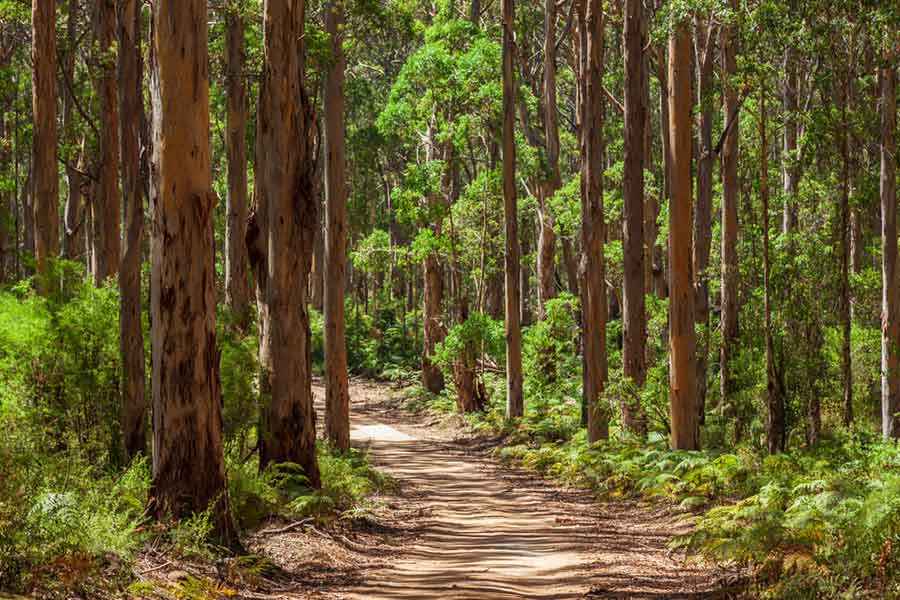
AI technology drives the real-time forest alert system that Madhya Pradesh has implemented as India’s initial such system for forest conservation oversight. Through the combination of satellite data and machine learning algorithms and field report collection the system performs detection work for illegal activities in forests and on land. The operational version of this system runs in five forest divisions to deliver instant notification alerts to forest officers who can then respond quickly. The initiative stands as the country's initial deployment of such technology and delivers both operational effectiveness and long-term forest management sustainability. The combination of AI and satellite data enables this system to serve as an example for entire national forest conservation.

Introduction of the System:

  • An AI-driven forest alert system operates in real-time across Indian forests, which Madhya Pradesh established to strengthen forest conservation activities.

  • The system merges satellite images together with machine learning capabilities with mobile field report information to identify land encroachment incidents and illegal logging activities and forest area environmental changes.

Key Points 

Objective and Functionality:

  • Proactive Monitoring: Through proactive monitoring, the system alerts forest departments about land use change events and deforestation activities, and encroachment incidents requiring immediate action.

  • Real-time alerts: Through its satellite data processing, the system automatically creates warning messages that field workers confirm before taking prompt actions.

Significance of the Initiative:

  • First of its kind in India:The state government of Madhya Pradesh established the first Indian program that unites AI with satellite data to monitor forests and serve as a template for all other states in the nation.

  • Efficiency: Resourceful forest officials can deploy real-time data to instantly solve problems of illegal logging along with encroachment events because traditional methods would require extensive time for detection.

  • Sustainability: Sustainability improvement in forest management occurs through this system because it allows fast detection of environmental changes, leading to enhanced conservation practices.

Background and Motivation:

  • The initiative establishes itself as a solution targeting two key issues which frequently impact Madhya Pradesh's dense forest territories through illegal logging activities together with land encroachment.

  • Through its dependency on Google Earth Engine satellite data combined with artificial intelligence programs the system monitors changes across land use territories that involve vegetation transformations and building work and agricultural advancement.

Pilot Project and Testing:

  • Five sensitive forest divisions including Shivpuri, Guna, Vidisha, Burhanpur and Khandwa allow the system to undergo its pilot test.

  • Continuous machine learning algorithms improve both alert accuracy and prediction accuracy within the system.

Key Features and Data:

  • The alert system contains a broad range of more than twenty different data points which include tagged GPS locations together with mobile voice recordings and application survey feedback.

  • Field data combined with satellite imagery creates alerts that possess both promptness and precision needed for correct intervention decisions.

Future Potential:

  • The innovation stands ready to function as an example for Indian forest management while displaying how modern technology optimizes efficient resource protection along with monitoring.

Conclusion:

Through its AI-powered forest alert system, Madhya Pradesh takes a revolutionary path for the modernization of forest management throughout India. The integration of satellite imagery and machine learning technology will enable the system to deliver superior forest conservation with real-time threat management which establishes a national standard for forest protection initiatives.

FAQs

It is India’s first system combining satellite imagery, machine‑learning algorithms, and mobile field reports to detect illegal logging, land encroachment, and environmental changes in real time.

It merges Google Earth Engine satellite data with AI models and tagged GPS/mobile survey inputs to generate automated real‑time alerts, which forest officers verify before swift action.

The pilot runs in five sensitive divisions: Shivpuri, Guna, Vidisha, Burhanpur, and Khandwa, where continuous ML tuning improves accuracy.

It analyzes over 20 data inputs—GPS tags, mobile voice notes, survey feedback—integrated with satellite imagery for precise, actionable alerts.

It can serve as a national template for modernized, sustainable forest management, showcasing how AI and satellite data optimize conservation and rapid response.

PM Modi Champions ‘Orange Economy’ at WAVES Summit, Announces WAVES Awards

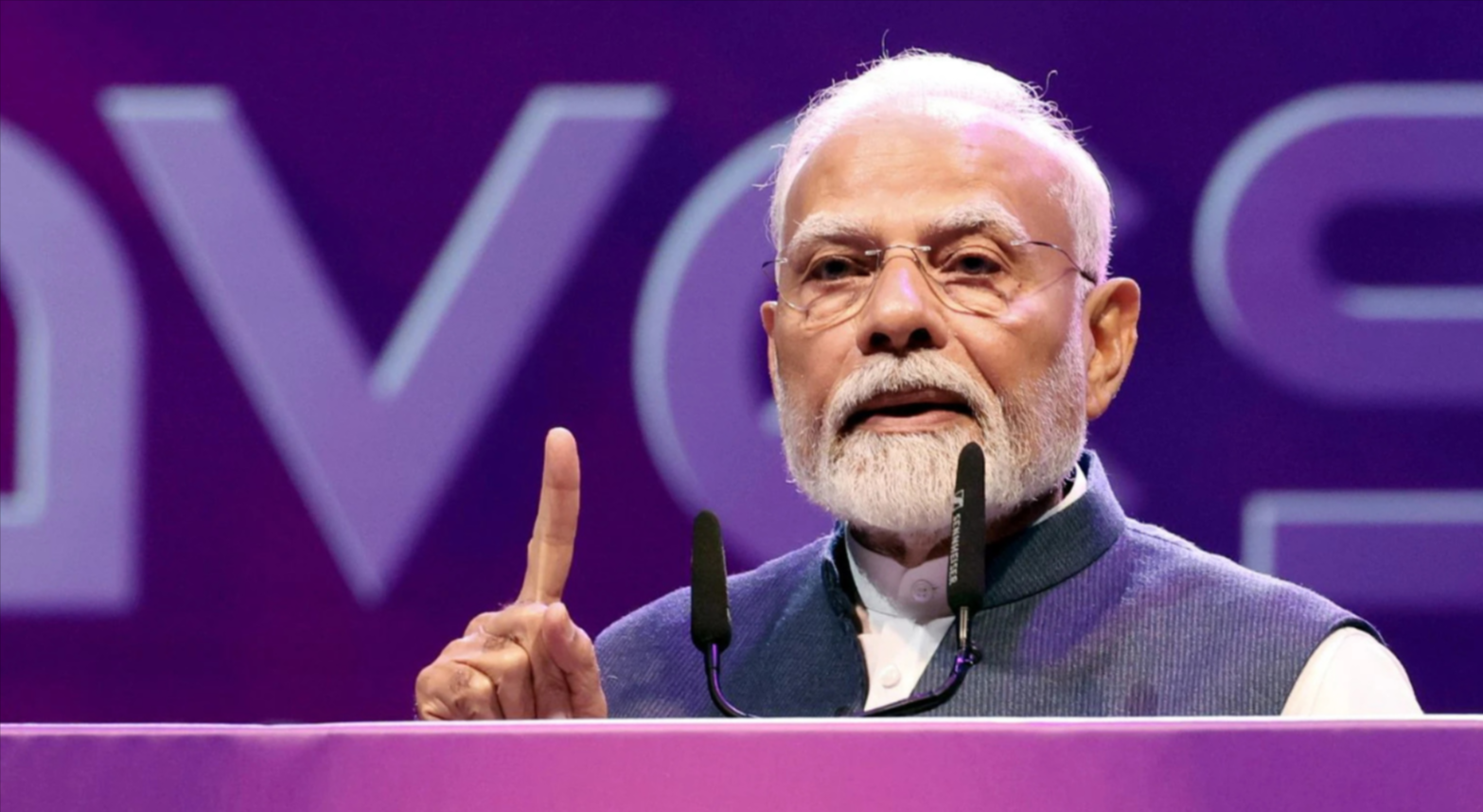
During the WAVES Summit in Mumbai, Prime Minister Narendra Modi underlined India's developing position in the global creative economic sector. During his opening address, India earned the description of an "orange economy" because cultural and creative sectors drive both financial growth and job creation. Rajinikanth and Mukesh Ambani joined forces at the event to endorse the government's strategic direction. Modi emphasized creative responsibility and identified the wide spectrum of Indian cultures, which creates power and strength for the global entertainment business.

Summary:

  • During his address PM Modi showed how India's orange economy sector continues to gain international relevance which depends on creative cultural practices for boosting economic development.

  • Global leaders join artists at the WAVES summit to support India's creative industry, as the summit additionally introduces the WAVES Awards to a public announcement.

Key Points

WAVES Summit

  • WAVES operates as an international event that takes place in the Media & Entertainment domain.

  • The Waves annual event receives its organizational direction from the Ministry of Information and Broadcasting.

  • The summit unites economic players from the industry with creative stakeholders who work alongside organizational leaders.

What is Orange Economy?

  • Promote trade

    • The M&E sector will benefit from your leadership direction toward its future development.

    • The "Create in India Challenge" initiative was launched by the government to enhance creative economic innovation in the nation.

  • Creative Economy / Orange Economy

    • The term describes economic activities based on knowledge that involve the creation, production, and distribution of creative items or services.

  • Includes sectors like:

    • The M&E sector contains film, music, design, architecture, publishing, fashion, advertising, arts, photography, software, and R&D sub-sectors.

    • Also known as:

      • Cultural industries

      • Creative industries

      • Orange economy

Creative Economy in India

  • Valued at $30–36.2 billion

  • Employs ~8% of India's workforce

  • A total of 100 million Indians functioned as content creators at the start of 2023.

  • Accounted for $121 billion in exports (2019)

  • Pre-COVID: Contributed 2.5% to GDP

  • The film industry in India leads all others in terms of production as of 2022.

India’s Media and Entertainment (M&E) Industry

  • 5th largest in the world (after the US)

  • Projected to reach $44.2 billion by 2028

Benefits of Creative Industries:

  • Job creation and income generation: Creative sectors establish numerous professional positions for educated labor forces mainly within media industries and design sectors, and technological sectors.

  • Economic Growth: It happens through the knowledge economy because creative industries stimulate innovation within multiple sectors and boost the overall economic development.

  • Tourism and soft power: The creative sectors boost tourism by drawing visitors to cultural and artistic events that expand economic advantages for the economy. Through their cultural exports, India strengthens its presence on the global stage as well as its soft power capabilities.

  • Urban revitalisation: Creative spaces and cultural development centers support the refreshing of metropolitan areas to improve the community standard of living, in addition to powering economic recovery.

Challenges in Promoting Creative Industries:

  • Policy gaps: The creative sector faces significant problems due to inadequate focus in national policies while different government ministries fail to collaborate effectively.

  • Infrastructure development: Better infrastructure with enhanced transportation links and digital networks must be built in order to exemplify the production and delivery of creative products. Funding resources are scarce especially for revolutionary projects that have high commercial worth.

  • Intellectual property: The creative industry of India encounters significant obstacles in defending Intellectual Property rights because counterfeits and pirated materials remain major problems.

  • Data deficiency: Strategic development initiatives for policy formulation and sectoral growth become limited due to incomplete data received from the field.

Initiatives to Promote Creative Industries:

  • The Indian creative industries benefit from multiple launched initiatives aimed at their development.

  •  National Film Development Corporation (NFDC): The National Film Development Corporation (NFDC) promotes the Indian film industry as its main objective.

  •  National Institute of Design: The National Institute of Design operates as an educational and research institution for several design fields.

  • UNESCO Creative City Network: Mumbai (Film), Hyderabad (Gastronomy), Varanasi & Chennai (Music), Jaipur (Crafts)

  • SPIC MACAY: It functions as a cultural organization dedicated to maintaining Indian classical arts together with other traditional forms through educational institutions across India.

Recommendations for Promoting Creative Industries:

  • Leveraging cultural heritage: India's vast cultural diversity provides authentic, globally marketable creative products that stem from its heritage. New storytelling techniques within arts and crafts help reflect multiple cultural identities of the nation.

  • Promoting digital technologies: By using digital platforms with animation features and gaming capabilities, and visual effects, businesses can innovate their creative products, which expands their market to both national and international levels.

  • Fostering collaborations: Establishment of collaboration networks between art practitioners and business leaders, together with academics and government officials, will enhance innovation and workforce development.

  • Addressing policy and IP challenges: The growth of creative industries depends heavily on diverse policy measures that bolster creative industries alongside proper IP enforcement and more accessible financing opportunities.

Conclusion:

Through WAVES India demonstrates its purpose to promote creative thinking while aiming to achieve global industry leadership in the entertainment and media sectors. The emphasis on content responsibility together with cultural understanding matches India's multicultural heritage as it grows stronger in the international economic sphere. Through this initiative, India demonstrates its plan to unite cultural principles and technological advancement with creative approaches toward becoming a more economically powerful nation, which gains international recognition.

PM Modi Champions ‘Orange Economy’ at WAVES Summit, Announces WAVES Awards

During the WAVES Summit in Mumbai, Prime Minister Narendra Modi underlined India's developing position in the global creative economic sector. During his opening address, India earned the description of an "orange economy" because cultural and creative sectors drive both financial growth and job creation. Rajnikanth and Mukesh Ambani joined forces at the event to endorse the government's strategic direction. Modi emphasized creative responsibility and identified the wide spectrum of Indian cultures, which creates power and strength for the global entertainment business.

Summary:

  • During his address PM Modi showed how India's orange economy sector continues to gain international relevance which depends on creative cultural practices for boosting economic development.

  • Global leaders join artists at the WAVES summit to support India's creative industry, as the summit additionally introduces the WAVES Awards to a public announcement.

Key Points

WAVES Summit

  • WAVES operates as an international event that takes place in the Media & Entertainment domain.

  • The Waves annual event receives its organizational direction from the Ministry of Information and Broadcasting.

  • The summit unites economic players from the industry with creative stakeholders who work alongside organizational leaders.

What is Orange Economy?

  • Promote trade

    • The M&E sector will benefit from your leadership direction toward its future development.

    • The "Create in India Challenge" initiative was launched by the government to enhance creative economic innovation in the nation.

  • Creative Economy / Orange Economy

    • The term describes economic activities based on knowledge that involve the creation, production, and distribution of creative items or services.

  • Includes sectors like:

    • The M&E sector contains film, music, design, architecture, publishing, fashion, advertising, arts, photography, software, and R&D sub-sectors.

    • Also known as:

      • Cultural industries

      • Creative industries

      • Orange economy

Creative Economy in India

  • Valued at $30–36.2 billion

  • Employs ~8% of India's workforce

  • A total of 100 million Indians functioned as content creators at the start of 2023.

  • Accounted for $121 billion in exports (2019)

  • Pre-COVID: Contributed 2.5% to GDP

  • The film industry in India leads all others in terms of production as of 2022.

India’s Media and Entertainment (M&E) Industry

  • 5th largest in the world (after the US)

  • Projected to reach $44.2 billion by 2028

Benefits of Creative Industries:

  • Job creation and income generation: Creative sectors establish numerous professional positions for educated labor forces mainly within media industries and design sectors, and technological sectors.

  • Economic Growth: It happens through the knowledge economy because creative industries stimulate innovation within multiple sectors and boost the overall economic development.

  • Tourism and soft power: The creative sectors boost tourism by drawing visitors to cultural and artistic events that expand economic advantages for the economy. Through their cultural exports, India strengthens its presence on the global stage as well as its soft power capabilities.

  • Urban revitalisation: Creative spaces and cultural development centers support the refreshing of metropolitan areas to improve the community standard of living, in addition to powering economic recovery.

Challenges in Promoting Creative Industries:

  • Policy gaps: The creative sector faces significant problems due to inadequate focus in national policies while different government ministries fail to collaborate effectively.

  • Infrastructure development: Better infrastructure with enhanced transportation links and digital networks must be built in order to exemplify the production and delivery of creative products. Funding resources are scarce especially for revolutionary projects that have high commercial worth.

  • Intellectual property: The creative industry of India encounters significant obstacles in defending Intellectual Property rights because counterfeits and pirated materials remain major problems.

  • Data deficiency: Strategic development initiatives for policy formulation and sectoral growth become limited due to incomplete data received from the field.

Initiatives to Promote Creative Industries:

The Indian creative industries benefit from multiple launched initiatives aimed at their development.

  •  National Film Development Corporation (NFDC): The National Film Development Corporation (NFDC) promotes the Indian film industry as its main objective.

  •  National Institute of Design: The National Institute of Design operates as an educational and research institution for several design fields.

  • UNESCO Creative City Network: Mumbai (Film), Hyderabad (Gastronomy), Varanasi & Chennai (Music), Jaipur (Crafts)

  • SPIC MACAY: It functions as a cultural organization dedicated to maintaining Indian classical arts together with other traditional forms through educational institutions across India.

Recommendations for Promoting Creative Industries:

  • Leveraging cultural heritage: India's vast cultural diversity provides authentic, globally marketable creative products that stem from its heritage. New storytelling techniques within arts and crafts help reflect multiple cultural identities of the nation.

  • Promoting digital technologies: By using digital platforms with animation features and gaming capabilities, and visual effects, businesses can innovate their creative products, which expands their market to both national and international levels.

  • Fostering collaborations: Establishment of collaboration networks between art practitioners and business leaders, together with academics and government officials, will enhance innovation and workforce development.

  • Addressing policy and IP challenges: The growth of creative industries depends heavily on diverse policy measures that bolster creative industries alongside proper IP enforcement and more accessible financing opportunities.

Conclusion:

Through WAVES India demonstrates its purpose to promote creative thinking while aiming to achieve global industry leadership in the entertainment and media sectors. The emphasis on content responsibility together with cultural understanding matches India's multicultural heritage as it grows stronger in the international economic sphere. Through this initiative, India demonstrates its plan to unite cultural principles and technological advancement with creative approaches toward becoming a more economically powerful nation, which gains international recognition.

Frequently Asked Questions (FAQs)

The current affairs cover recent national and international events related to UPSC, SSC, Banking, Railways, and State PCS.

You need to read about the current affairs daily, and revise them every week and every month to keep them longer in your memory.

Yes, Class24 provides free downloadable Daily Current Affairs PDFs for easy revision.

Yes, you can practice MCQs and quizzes to boost your exam preparation.

Absolutely. The content is written in simple, easy-to-understand bilingual language suitable for beginners.

Go to class24.com and click on the current affairs section directly, where you find everything that you need.

ssc-toppers

Start Learning Today with Class24

Related current affairs

Class24 offers free video lectures for smart preparation, covering CGL, CPO, CHSL, MTS, and GD exams. Learn from expert faculty, revise concepts easily, practice with PYQs, and improve speed and accuracy through high-quality, exam-focused video lessons anytime, anywhere.

Get success in your hand. Start study anytime anywhere.

The journey becomes simple and enjoyable when you start taking interest in it. And through our app “Class24”, we will be your trusted partners in developing that interest.

Daily Quizzes
Mock Tests
Ongoing

No ongoing tests right now.