
Day: April 29, 2025

National Supercomputing Mission (NSM): Advancing India’s Technological Strength

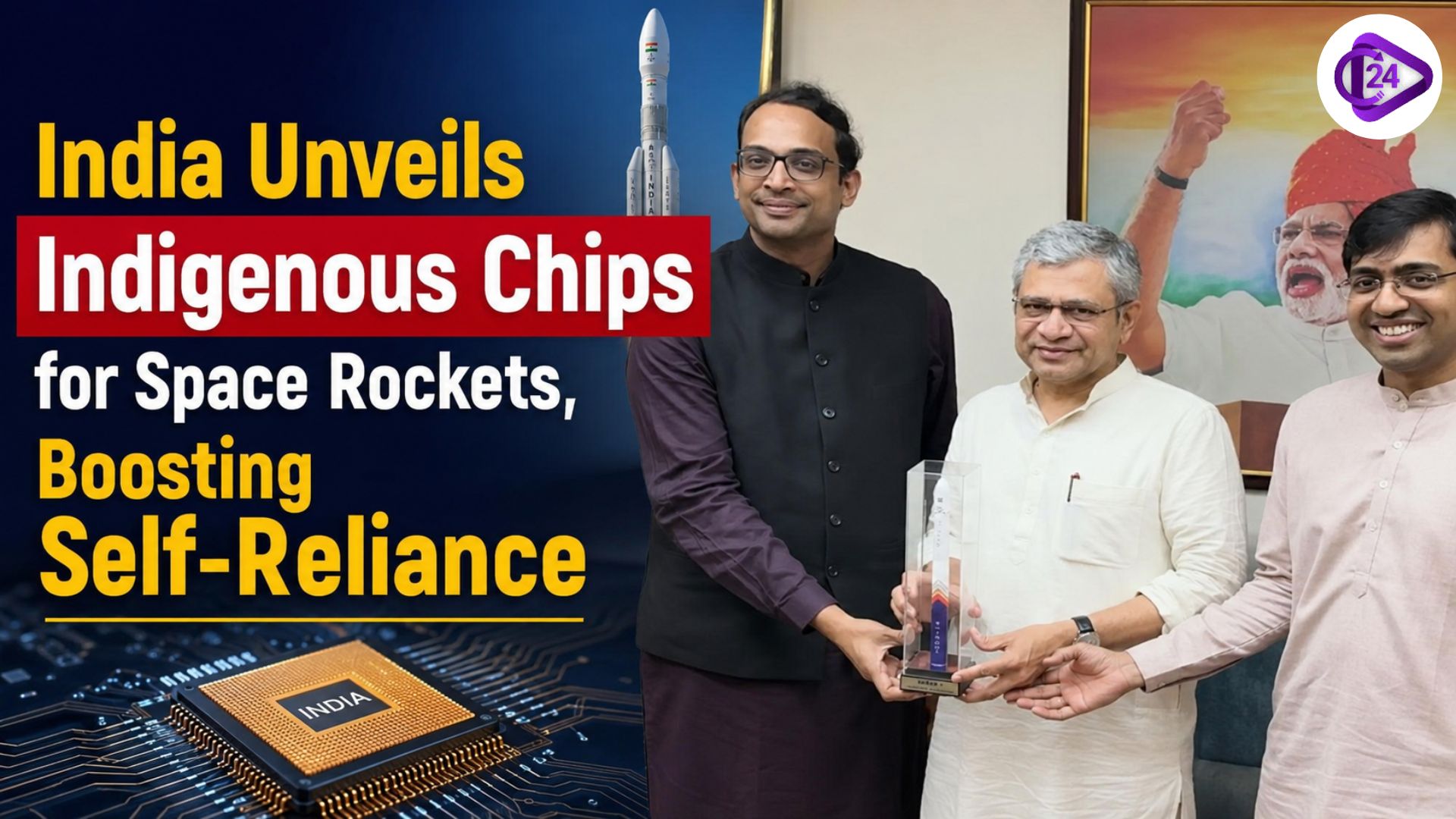
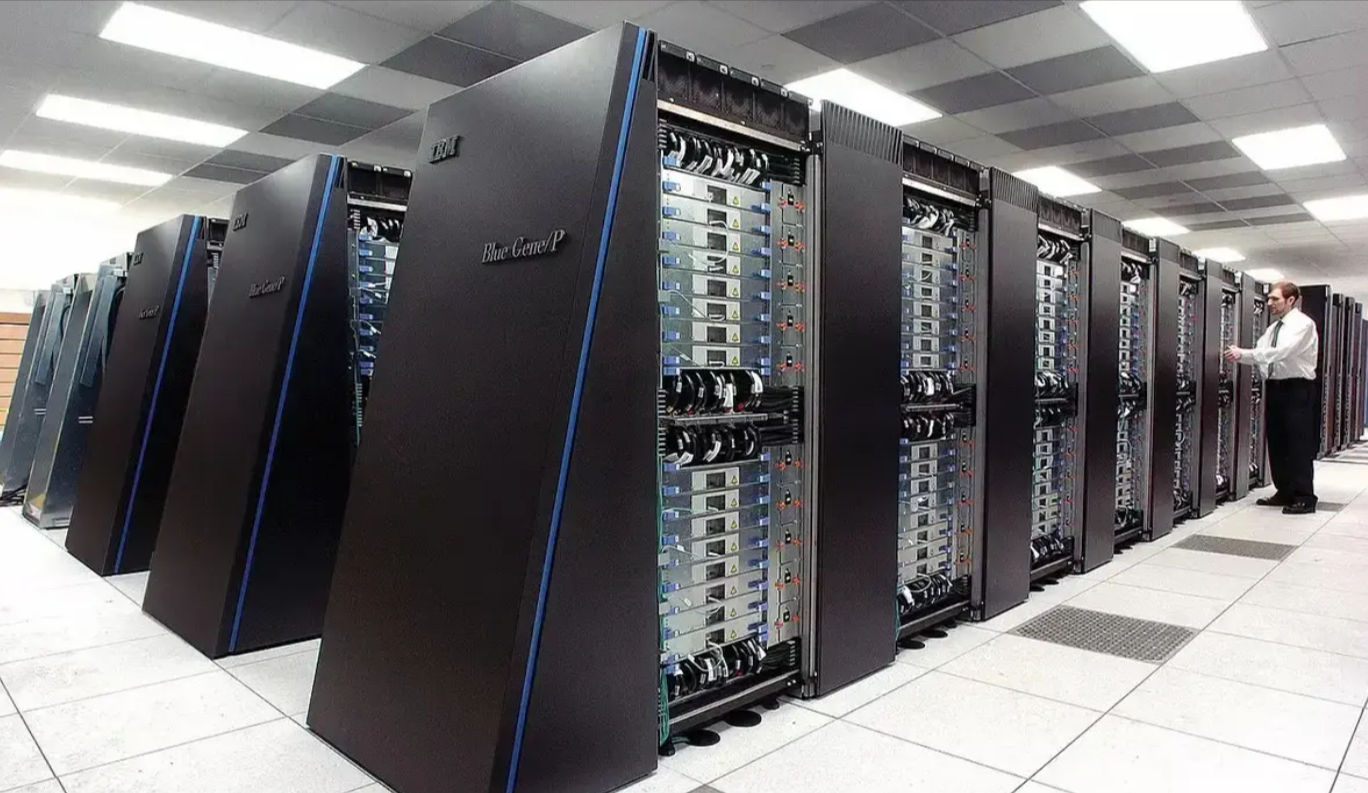
Through the National Supercomputing Mission (NSM) the Indian government pursues its core goal to develop domestic capabilities regarding high-performance computing (HPC). NSM moves toward autonomous supercomputing development through domestic production of essential components under the support of the India Semiconductor Mission (ISM). India's research sectors depend on this initiative as it builds national strength in supercomputing at the global level.

Context:

  • The National Supercomputing Mission (NSM) started in 2015 and aims to improve India’s technical strength in high-performance computing (HPC). 

  • The mission achieves its goals through placing supercomputers in research facilities, which helps advance India's scientific progress and research capabilities and innovation capabilities.

Key Points:

  • The NSM mission started its operation in 2015 by developing high-speed computing facilities at academic centers and research facilities in India.

  • The NSM program has achieved multiple supercomputer installation successes by installing 34 systems, which total 35 Petaflops in capacity and serve more than 10,000 Indian researchers throughout India.

  • PARAM Rudra, together with other supercomputers, establishes critical facilities across Indian territories that advance drug research and disaster response initiatives and environmental prediction methods, and various other scientific objectives.

  • The Indian mission depends heavily on the Trinetra high-speed communication platform alongside the locally developed and produced Indian-server Rudra to achieve success.

  • Through AIRAWAT, India gained top positions in global AI supercomputing categories and achieved the 75th spot in the Top 500 Global Supercomputing List.

  • Through the India Semiconductor Mission, India will gain better independence in importing semiconductor components because it enables manufacturing supercomputers that operate faster and adapt precisely to country-specific needs.

  • Future development of the supercomputing infrastructure remains focused on getting 20 Petaflop systems reinforced by Rs. 1,874 crore investment under the NSM program.

Conclusion:

Through its transformative National Supercomputing Mission (NSM) India advances its research potential and technological capabilities at a significant level. Through supercomputing infrastructure development within India as well as Artificial Intelligence integration combined with Indian Supercomputing Mission assistance the country will achieve global leadership in high-performance computing. The NSM’s accomplishments will bring sustained growth to innovation and industry support as well as improved global problem-solving capacities for India.

FAQs

The National Supercomputing Mission (NSM), launched in 2015, aims to strengthen India’s technological capabilities in high-performance computing (HPC). The mission focuses on developing domestic supercomputing infrastructure, providing access to research institutions, and supporting innovation in various scientific fields, such as drug research and disaster response.

NSM has successfully installed 34 supercomputers across academic and research institutions in India, achieving a total capacity of 35 Petaflops. These supercomputers support more than 10,000 Indian researchers and are instrumental in fields like environmental prediction, drug development, and disaster management.

The NSM benefits from the India Semiconductor Mission (ISM) by fostering domestic semiconductor production. This will reduce India’s dependency on imported semiconductor components, enabling the manufacturing of faster, more specialized supercomputers tailored to the country's needs and enhancing its supercomputing capabilities.

India has made significant progress, including the 75th position in the Top 500 Global Supercomputing List with its AIRAWAT supercomputer, which has contributed to global advancements in Artificial Intelligence (AI) and high-performance computing. This positioning reflects India's growing presence and strength in the global supercomputing arena.

The future of the NSM involves further developing supercomputing infrastructure, with plans to implement 20 Petaflop systems backed by an investment of ₹1,874 crore. This will help India solidify its global leadership in HPC, support AI research, and contribute to solving major global challenges in science, health, and environmental sustainability.

Pandit Chatur Lal: The Pioneer of Tabla in the West and His Centenary Commemoration

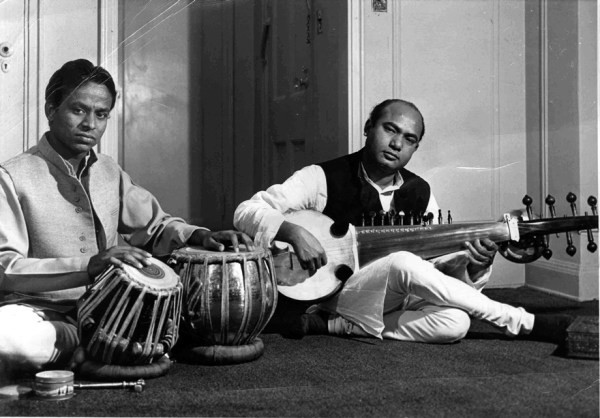
The Western world officially honors Pandit Chatur Lal's music dissemination work through the release of an official commemorative stamp. The Indian musician performed internationally as the first Indian percussionist with musicians like Yehudi Menuhin and Pandit Ravi Shankar, which resulted in the successful introduction of Indian music to Western audiences. This commemorative stamp pays tribute to his permanent impact on worldwide music and his role in forming India's diplomatic representation of culture.

Context:

  • A Government of India commemorative stamp designates the great tabla master Pandit Chatur Lal for introducing tabla music to Western nations during the 1950s. 

  • Through his work with renowned artists Pandit Ravi Shankar and Ustad Ali Akbar Khan, Chatur Lal became vital for making Indian classical percussion known around the world. 

  • The stamp forms part of his existing centenary event to mark his achievements as a musician.

Key Points:

  • Commemorative stamp: India Post will mark Pandit Chatur Lal's passionate contribution to spreading the tabla in the Western world by issuing a commemorative stamp during his 100th anniversary.

  • Pioneering Tabla in West: During the 1950s and early 1960s Chatur Lal served as the initial musician to present the tabla to Western audiences in his performances next to master musicians such as Pandit Ravi Shankar.

  • Collab with violinist Yehudi Menuhin: Through his musical partnerships with violinist Yehudi Menuhin, Indian classical music gained entry into artistic spaces like the Museum of Modern Art (MoMA) and the Rockefeller Centre.

  • Fusion with jazz: Through his concert with jazz drummer Papa Jo Jones, Chatur Lal initiated one of the first Indo-jazz fusions, which paved the way for additional collaborations between Western and Indian musicians.

  • Heritage: The distinct approach of Chatur Lal established him as a prominent Indian musical figure who became the first native percussionist ever nominated for an Oscar in 1957.

  • Final years: Chatur Lal completed his promising musical career by passing away in 1965 at age 40. Through his son Charanjeet Chatur Lal modern Indian music continues to be influenced by the heritage passed down from his father.

Conclusion:

The centenary events of Pandit Chatur Lal, together with his commemorative stamp celebration, show how essential he was to making Indian classical music popular worldwide, especially through the tabla. His historical musical collaborations continue to affect modern music because he performed with Western musicians while introducing fusion music. His legacy recognition through this distinction shows the central value of cultural exchanges for extending Indian classical arts globally.

FAQs

Q1. Who was Pandit Chatur Lal and why is he being honored with a commemorative stamp?

Pandit Chatur Lal was a pioneering Indian tabla maestro recognized for introducing Indian classical percussion to Western audiences during the 1950s. The Government of India is honoring him with a commemorative stamp during his centenary celebrations to acknowledge his global contributions to music and cultural diplomacy.

Q2. How did Pandit Chatur Lal help popularize Indian music in the West?

Pandit Chatur Lal performed internationally with legends like Pandit Ravi Shankar, Ustad Ali Akbar Khan, and Yehudi Menuhin, bringing the tabla and Indian classical rhythms to global stages such as the Rockefeller Centre and Museum of Modern Art (MoMA). He was among the first Indian percussionists to perform internationally.

Q3. What notable collaborations did Chatur Lal have with Western musicians?

He collaborated with violinist Yehudi Menuhin and jazz drummer Papa Jo Jones, contributing to the early Indo-jazz fusion movement. These innovative performances played a key role in opening new artistic pathways between Indian and Western music.

Q4. What legacy did Pandit Chatur Lal leave behind in Indian and global music?

Despite passing away at just 40, Chatur Lal’s musical innovations laid the foundation for future East-West musical collaborations. He was the first Indian percussionist nominated for an Oscar (1957), and his musical legacy continues through his son Charanjeet Chatur Lal, who promotes Indian music globally.

Q5. How does the commemorative stamp contribute to his recognition?

The India Post stamp serves as a symbolic national tribute during Chatur Lal's centenary year, recognizing his historic contributions to Indian classical music and his role as a cultural ambassador who helped establish Indian percussion on the world stage.

India and France Sign Inter-Governmental Agreement for Procurement of 26 Rafale-M Fighter Jets

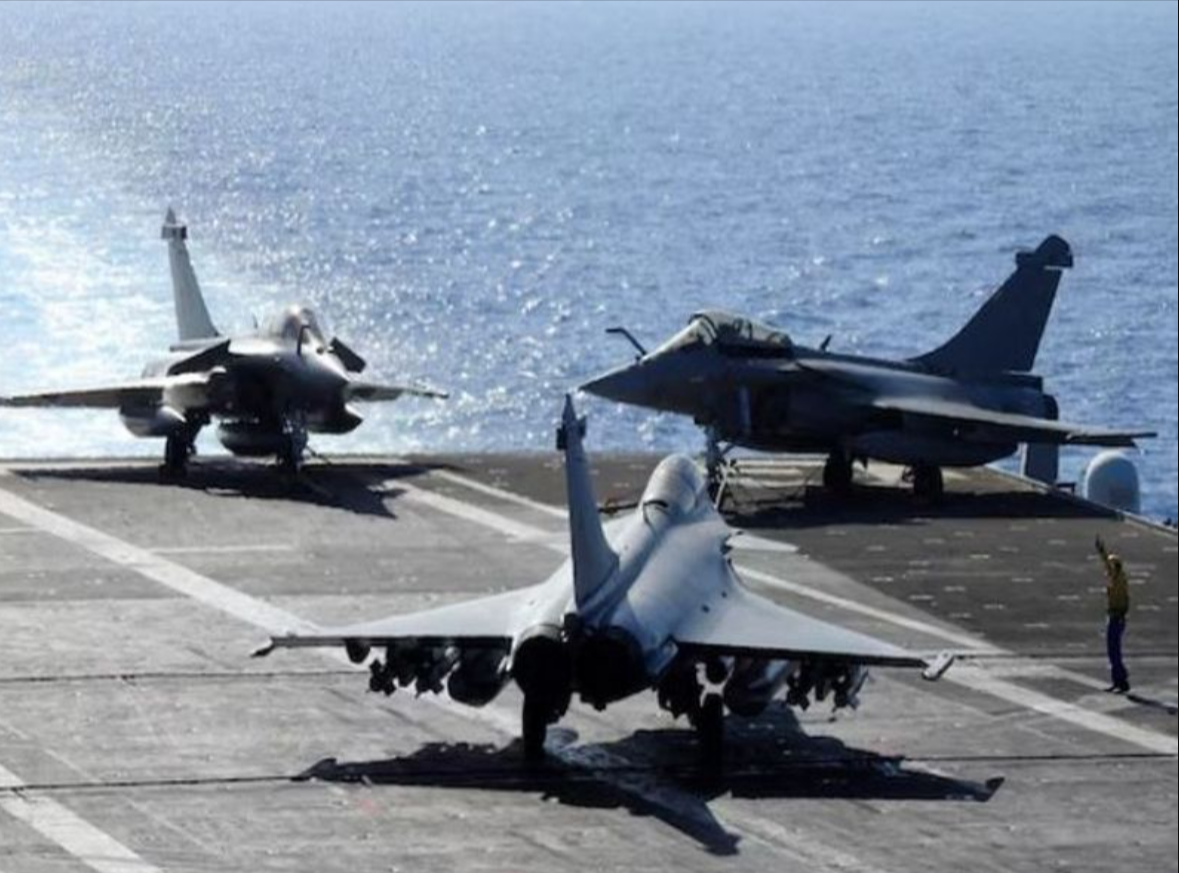
Through an Intergovernmental Agreement, India received 26 Rajale-M jet aircraft from France for its Indian Navy force. The ₹63,000 crore deal includes 26 Rafale-M fighter jets, including two models: 22 single-seater versions and 4 twin-seater versions. It additionally encompasses combat training provision, simulation equipment, weaponry, and support services. The aircraft purchase will strengthen Indian naval air operations by complementing contemporary weapon technologies needed for aircraft carrier operations. Technology exchange accompanies the agreement alongside foundation plans for production installations in India.

Context:

  • The acquisition of 26 Rafale-M fighter jets represents a pivotal military strategy for the Indian Navy, which will boost operational capabilities and naval readiness.

  • As this agreement has been signed, the Navy is currently planning for the retirement of its MiG-29Ks.

  • India will use the acquired Rafale-M aircraft to operate its aircraft carriers INS Vikramaditya and INS Vikrant until the Twin Engine Deck-Based Fighter (TEDBF) development is complete.

  • This agreement strengthens defense relations between India and France while representing a new advancement in their defense partnership.

Key Points:

  • India and France together executed an agreement to purchase 26 Rafale-M aircraft Destination Edition for the Indian Navy that cost ₹63,000 crore.

  • Aircraft details: The Rafale-M fighter jet acquisition involves 22 single-seat and four twin-seat aircraft, training systems, simulators, weapon systems, and performance-based logistical support.

  • Key Enhancement: The Rafale-M aircraft received enhancements which enable its operation on Indian aircraft carriers that have the necessary short deck capability with ski jump systems.

  • Weapon Intergration: The aircraft receives ASTRA Mk1 air-to-air missiles as part of its weapon integration systems to enhance its combat ability.

  • Operational Enhancement: Under this agreement Indian industries obtain Transfer of Technology (ToT) for weapons integration along with instructions for manufacturing and sustaining Rafale fuselages along with aircraft engines and weapons within India.

  • Weapon Integration: The acquisition serves as a bridge solution to strengthen naval air power capabilities on ships while the Navy schedules the elimination of MiG-29K aircraft.

  • Indigenous fighter development: The acquisition of Rafale-M supports India in developing its long-term goal to build the indigenous Twin Engine Deck-Based Fighter (TEDBF).

  • Job Creation and employment: Through this transaction, India can achieve economic success with thousands of newly created positions and defense production support for MSMEs.

  • Timeline: The aircraft delivery program will start within the next 3-4 years and must end by 2030, while joint French and Indian training sessions will take place.

  • Bilateral agreement: Through this agreement, India and France established strengthened defense relations as their defense officials and ministers signed the document together.

Conclusion:

India strengthens its naval air capabilities through the acquisition of 26 Rafale-M fighter jets while enhancing its defense partnership with France. Through this agreement, India will both maximize its naval operational strength and support the local advancement of defense technology development. The purchase combines sophisticated combat features along with technology transfer initiatives to afford India superior readiness against changing security threats across the Indo-Pacific region. The prospective economic gains touching job development and revenue generation for MSME,s establish this agreement as a vital strategic move for India’s military sector and industrial economy.

FAQs

India and France signed a ₹63,000 crore Intergovernmental Agreement for the purchase of 26 Rafale-M fighter jets for the Indian Navy. The deal includes 22 single-seater and 4 twin-seater aircraft, simulators, weapons, combat training systems, and logistical support.

The Indian Navy is procuring Rafale-M jets to replace the aging MiG-29K fleet and to enhance its operational capabilities from aircraft carriers like INS Vikramaditya and INS Vikrant, until the indigenous Twin Engine Deck-Based Fighter (TEDBF) is ready.

The Rafale-M has been specifically enhanced for short-deck aircraft carriers with ski-jump systems, allowing it to operate efficiently from Indian naval platforms. It will also integrate with Indian-origin weapons like the ASTRA Mk1 missile.

Along with advanced aircraft, the deal includes Technology Transfer (ToT) for weapons integration and jet components, which supports domestic manufacturing, job creation, and growth for MSMEs in the defense sector.

The delivery of the 26 Rafale-M fighter jets is expected to begin in the next 3–4 years, with the complete fleet scheduled to be inducted by 2030. Joint training exercises with French experts will take place to ensure a smooth transition.

Frequently Asked Questions (FAQs)

The current affairs cover recent national and international events related to UPSC, SSC, Banking, Railways, and State PCS.

You need to read about the current affairs daily, and revise them every week and every month to keep them longer in your memory.

Yes, Class24 provides free downloadable Daily Current Affairs PDFs for easy revision.

Yes, you can practice MCQs and quizzes to boost your exam preparation.

Absolutely. The content is written in simple, easy-to-understand bilingual language suitable for beginners.

Go to class24.com and click on the current affairs section directly, where you find everything that you need.

ssc-toppers

Start Learning Today with Class24

Related current affairs

Class24 offers free video lectures for smart preparation, covering CGL, CPO, CHSL, MTS, and GD exams. Learn from expert faculty, revise concepts easily, practice with PYQs, and improve speed and accuracy through high-quality, exam-focused video lessons anytime, anywhere.

Get success in your hand. Start study anytime anywhere.

The journey becomes simple and enjoyable when you start taking interest in it. And through our app “Class24”, we will be your trusted partners in developing that interest.

Daily Quizzes
Mock Tests
Ongoing

No ongoing tests right now.