
Day: April 22, 2025

Introduction of Hindi as a Third Language in Maharashtra – NEP 2020 Alignment

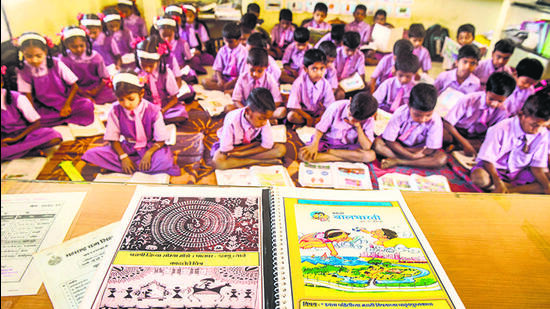
The Maharashtra government has adopted NEP 2020 by making Hindi the mandatory third language for Classes 1 to 5 students starting from 2025–26 academic year. This important educational restructuring system affects educational institutions conducting instruction through Marathi and English in the state. The government plans this major curriculum transformation to implement changes which support NEP 2020's educational framework for multilingual education and national integration and improved language skills in students.

Alignment with NEP 2020

Origin and Evolution of Three Language Formula

  • NEP 1968: Introduced the Three Language Formula (TLF).

  • Hindi-speaking states: Hindi, English, + 1 modern Indian language (preferably South Indian).

  • Non-Hindi-speaking states: Local language, Hindi, and English.

  • NEP 2020: Retains TLF with flexibility.

  • The educational plan requires at least two languages to come from India.

  • Schools should adopt local languages for teaching contents.

  • The government considers Sanskrit as an optional subject under the TLF criteria.

Significance of Three Language Formula

  • Multilingual Proficiency: Enhances cognitive abilities, communication skills.

  • National Integration: Promotes cross-cultural exchange across linguistic regions.

  • Employment and mobility: The policy enables residents to move between states and boosts their professional possibilities.

  • Local language preservation: This efforts maintain the ongoing utilization of indigenous linguistic heritage.

Major Concerns of Three Language Formula

  • Tamil Nadu, West Bengal and Karnataka strongly oppose the introduction of Hindi as a perceived language-imposition.

  • Teacher shortage remains a barrier since qualified language instructors are insufficient to implement programs effectively.

  • The addition of third language subjects as part of the classroom curriculum puts excessive workload pressure on the students.

  • The educational community criticizes the classroom disregard for essential languages such as French and Mandarin.

Way Forward

  • Inclusive implementation of policies requires flexible dialogue between central and state authorities.

  • The subject of education belongs to concurrent jurisdiction where joint planning needs to replace any potential disputes.

  • The implementation of Three-Language Formula should not influence funding availability for Samagra Shiksha Abhiyan and other similar schemes.

Conclusion

Under NEP 2020 Maharashtra actively supports the addition of Hindi as a third language to ensure inclusive multilingual education for its students. The long-chain advantages along with social progress follow from this move which still faces difficulties during implementation and needs sustained guidance from both authorities and community members.

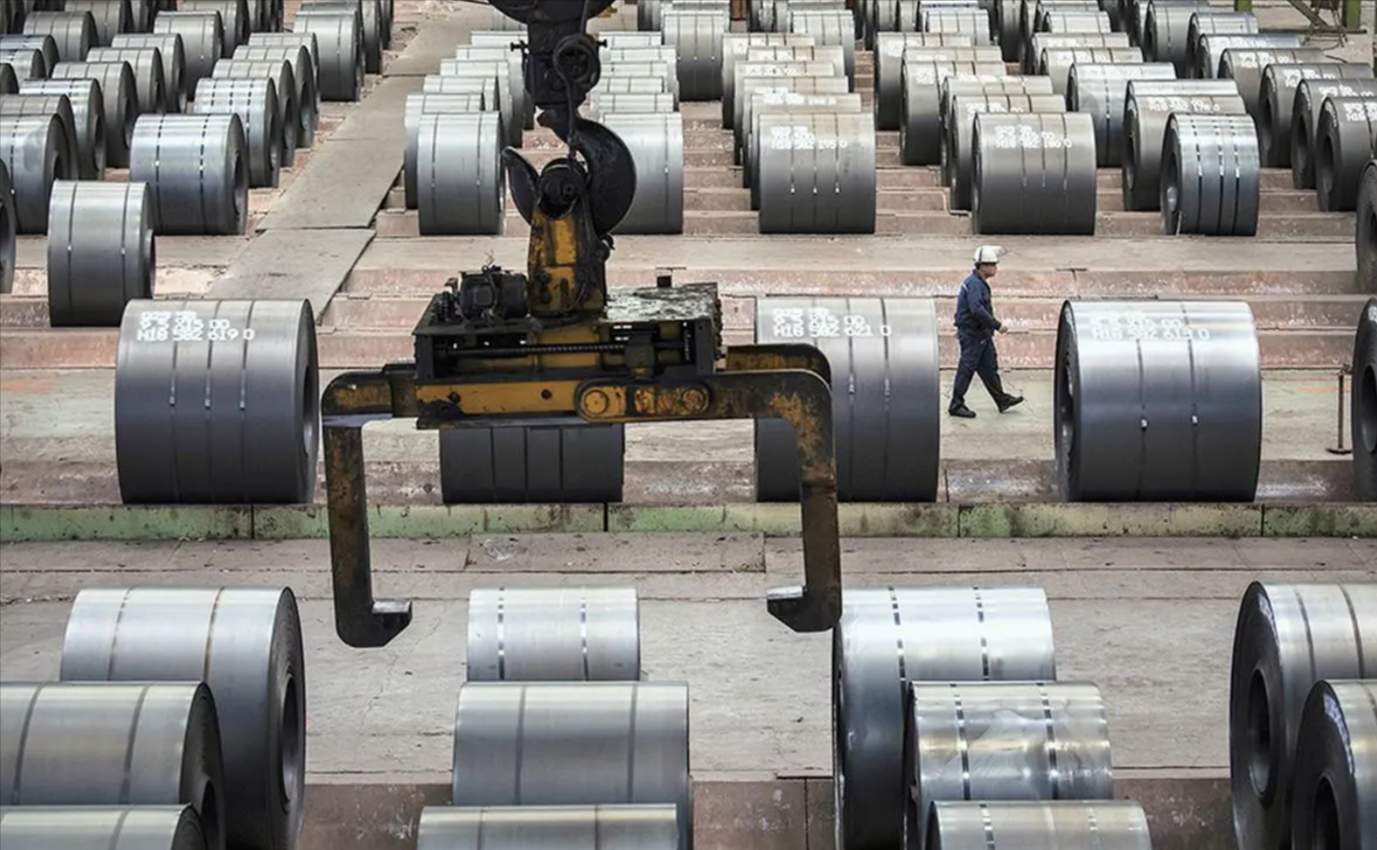
India Imposes 12% Tariff on Steel Imports to protect domestic industry

Selections of steel imports face a 12% provisional safeguard duty from the Government of India starting on April 21, 2025 as protection for domestic steel producers. The Indian government established the 12% provisional safeguard duty to fight against growing steel imports coming from China, South Korea and Japan that sold their products below local prices. A 12% temporary safeguard duty exists for 200 days and applies to hot-rolled and cold-rolled steel products among others. 

Context:

  • India established a 12% safeguard duty to defend its domestic steel industry during the implementation period of April 21, 2025.

  • A large number of cheap steel products entering from China, South Korea, and Japan has caused injuries to the Indian steel manufacturers prompting the tariff measure.

  • The 12% safeguard duty targets non-alloy and alloy steel flat products and it remains in effect for 200 days due to ongoing evaluation.

  • Steel giants like Tata Steel and JSW Steel support the duty which the Indian industry has implemented.

Why the Duty?

  • The imported steel quantities during FY 2024–25 reached their highest levels in ten years at approximately 9.5 million metric tons.

  • China, South Korea and Japan dump their steel products through unfair pricing to inflict major damage against India's steel industry.

  • The market analysis performed by DGTR showed that discount imports from below-cost had distorted the market conditions.

  • During the second year in a row India switched to being a steel import nation.

Key Details:

  • Duty Rate: 12% (Provisional, 200 days)

  • Applicable to:

    • Hot-rolled & cold-rolled coils/sheets

    • Metallic & colour-coated steel

  • The aim of this measure is to provide immediate assistance for the major steel producing companies in the country including Tata Steel, JSW and SAIL.

Implications:

  • Steel Industry: Boosts domestic firms’ viability, investment, and job security.

  • The infrastructure along with automotive and construction sectors might experience increased expenses because of this alteration.

  • The application of this measure protects steel industries from employee dismissals and job losses throughout the sector and related manufacturing branches.

Trade & Diplomacy:

  • Affected Nations: China, Japan, South Korea – possible diplomatic tension.

  • The safeguard clauses of the WTO allow the implementation of this measure as protection for businesses facing surged imports.

  • After review the possible remedy might be implementing anti-dumping duties coupled with prolonged increased tariffs.

Long-Term Outlook:

  • The initiative assists infrastructure development (Smart Cities and highways as well as housing features).

  • The initiative supports technological modernization which boosts steel sector productivity.

  • Supports ‘Atmanirbhar Bharat’ vision in strategic manufacturing

Conclusion

India has implemented a 12% safeguard duty on steel imports to safeguard its steel industry from hurtful effects of inexpensive imports primarily arising from China and South Korea and Japan. The tariff supports both India’s National Steel Policy goals while preventing market disturbances from unfair pricing strategies in the present.

World Earth Day 2025: Date, History, Theme, and Significance

World Earth Day commemorates its annual celebration on April 22nd by shaping into a worldwide celebration directed toward recognizing environmental problems and implementing planet preservation measures. Worldwide demonstrations during the first Earth Day happened in 1970 because environmental deterioration had become a major concern. The 2025 Earth Day theme "Our Power, Our Planet" establishes that environmental change needs joint community commitment. Earth Day creates widespread knowledge about vital environmental matters alongside motivating people and authorities to work on sustainability projects. The event powers both extended environmental projects and worldwide collaboration toward ecological problems.

Context:

  • Date: Earth Day is celebrated every year on April 22.

  • Theme: The 2025 Earth Day theme "Our Power, Our Planet" demonstrates the strength of environmental changes which comes from peoples' unity at local and national levels.

Key Points:


  • First Earth Day in 1970: Sourced from major public concern about environmental destruction resulted in the involvement of twenty million Americans who helped pass vital environmental laws.

  • Global expansion: The environmental movement started as a single national event and now reaches all 192 countries through its international participation of more than 1 billion people.

  • Significance: 

    • Through Earth Day people gain environmental awareness on critical topics which combine climate change with deforestation and pollution while promoting sustainable practices such as tree planting and cleanups.

    • This event provides an opportunity for politics because it demonstrates widespread citizen support for environmental preservation measures.

Conclusion

World Earth Day continues to serve an essential function each year because it enables people to learn about the environment and encourages united action programs. The 2025 edition of Earth Day brings forward "Our Power, Our Planet" as its central theme to demonstrate how every person and country must collaborate in confronting essential ecological problems. Earth Day promotes essential sustainable practices and climate action followed by worldwide cooperation to solve environmental crises thus presenting a necessity for India’s future development strategy.

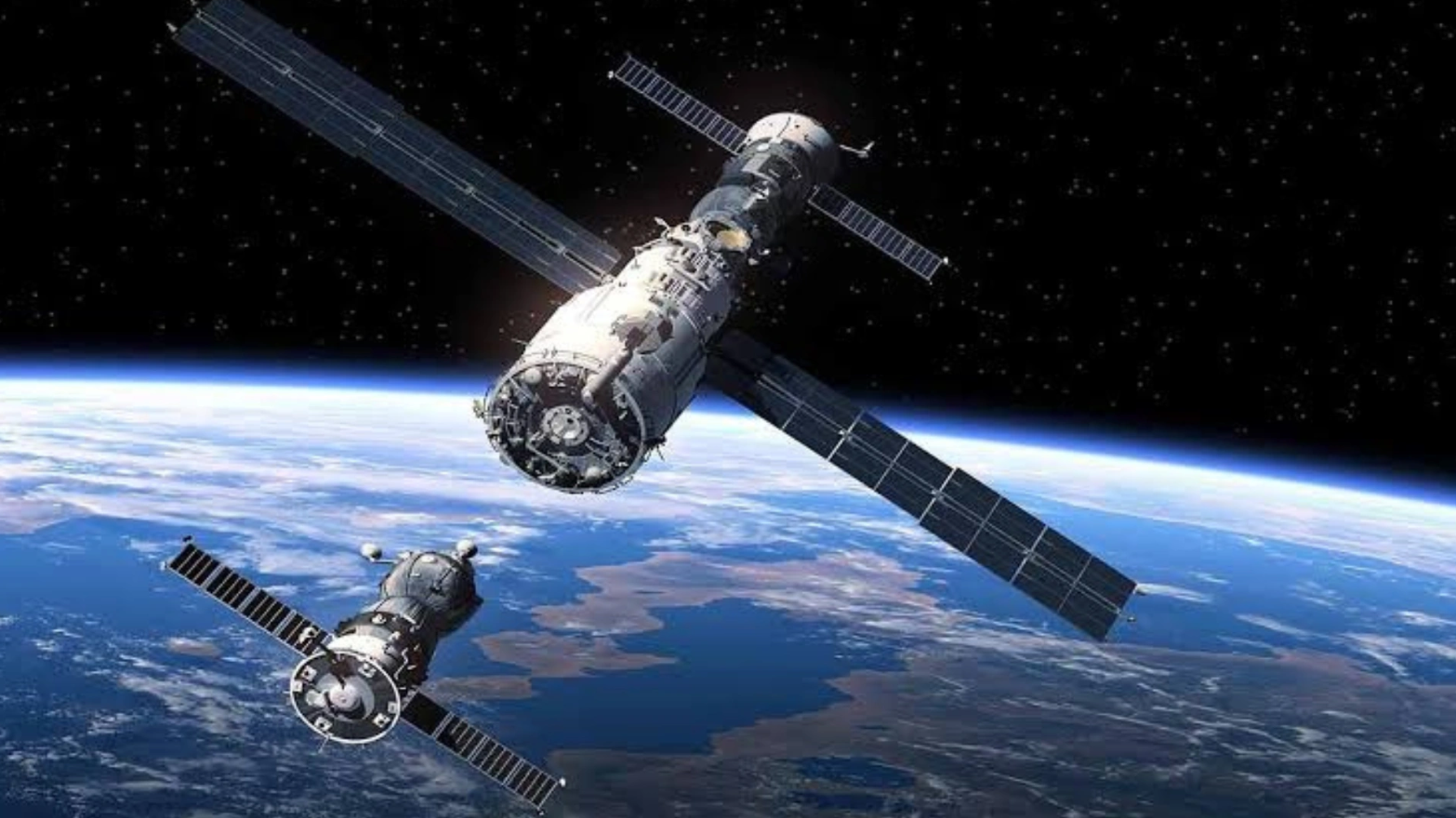
ISRO’s Successful Second Docking of Satellites – A Milestone in Space Technology

Through its SpaDeX mission ISRO demonstrates the vital space technology that makes spacecraft docking along with rendezvous possible. The PSLV-C60/SPADEX mission took off on December 30, 2024 before the docking event happened on January 16, 2025. Space exploration advancement in India reached a crucial point with the accomplishment of the second docking milestone. Historically India joins the ranks of four space agencies which conducted this type of experiment behind the United States, Russia and China. Future operations that include constructing an Indian space station as well as lunar astronaut missions depend heavily on the success of this mission.

Context:

  • ISRO successfully performed the second docking between satellites SDX01 (Chaser) and SDX02 (Target) under its Space Docking Experiment (SpaDeX) mission. 

  • Through this mission ISRO proved crucial space exploration techniques such as orbital rendezvous and docking and undocking techniques and satellite-to-satellite energy transfer technology. 

  • India becomes the fourth country to achieve this milestone after the USA, Russia and China.

Key Points:

  • Mission Overview: SDX01 (Chaser) and SDX02 (Target) undertake the docking and undocking execution as the primary objective of the SpaDeX mission.

  • Docking Milestone: The successful docking took place in April 2025 after two successful dates in January 2025 and March 2025.

  • India Space Progress: History shows that India has reached the elite satellite docking benchmark as an exclusive club with the United States and Russia and China.

  • Future Implications: The mission technologies explored in this initiative serve as essential components for upcoming Indian projects including lunar missions and construction of a space station as well as in-space robotics.

  • Technological Innovation: To support space operations of the future SpaDeX executes a technology that delivers electrical power between the interconnected satellites.

Conclusion

ISRO succeeded in docking the space technology satellites SDX01 and SDX02 which represents a major advancement in India's space technology landscape. The successful experiment positions India as an important global participant in complex space missions which makes possible future plans for lunar exploration and the construction of an Indian space station. 

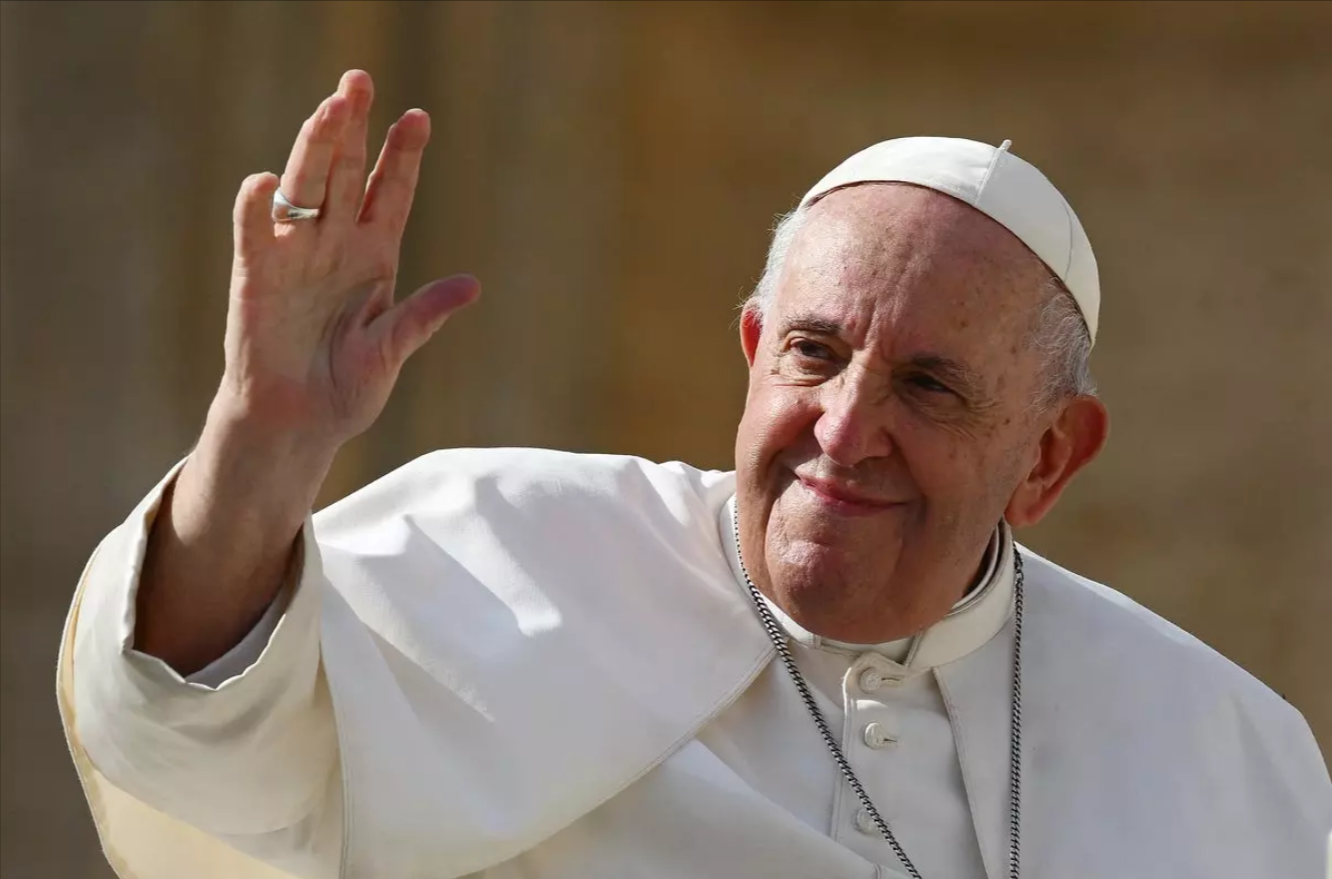
Pope Francis, a Cheerful Reformer Who Stood for an Open Church, Dies at 88

At 88 years old the Pontiff Jorge Mario Bergoglio who was born as Pope Francis died in Buenos Aires, Argentina. He held the position of Roman Catholic Church leader throughout 2013 until 2025. Through his welcoming personality and basic way of living Pope Francis changed how the papacy functioned in contemporary times. The main aspects of his papal rule involved religious and environmental transformation together with support for underrepresented people and community outreach efforts. In March 2013 Pope Francis secured his position as the 266th catholic leader following Pope Benedict XVI and represented three historical firsts being both a Jesuit and Latin American and a non-European pope after 1,200 years.

Early Life and Rise to Papacy

  • Jorge Mario Bergoglio brought forth his birth in Buenos Aires, Argentina.

  • His three historical titles as pope marked down history since the time of Pope Gregory Praian in 1291.

  • Under his leadership people recognized his commitment to humility as well as his reformist nature and inclusive governance model.

  • Served as Pope from 2013 to 2025.

  • Died on April 21, 2025, aged 88.

  • When Benedict XVI resigned in 2013 he became the 266th pontiff who took office to succeed Pope Benedict XVI and claimed status as the first Jesuit priest as well as the first pope from Latin America and the first European leader in over 1,200 years.

  • The Church experienced social, environmental, and doctrinal reforms during his leadership.

  • During his papacy major international pressures alongside Church challenges within Rome developed.

Major achievements of Pope Francis

Reform and Openness

  • Through his statements he showed the Church should welcome all people by asking "Who am I to judge?" on LGBTQ+ issues.

  • He endorsed civil union legislation while being an advocate for transgender Church members.

Women in the Church

  • Did not support female priests.

  • Women received important Vatican leadership positions through his appointments to various decision bodies within the organization.

Positions on Major Issues

  • Pope Francis opposed abortion while giving pastors permission to forgive it alongside supporting natural family planning instead of contraception.

  • Laudato Si' was the significant environmental document which "Laudato Si'" promoted while pushing for environmental justice.

  • Social Justice stands as a top priority for Francis because he strongly defends the rights of migrants together with marginalized community members.

  • Death Penalty: Declared it inadmissible in all cases.

  • Sexual Abuse: Took action against abuse after initial criticism.

Interfaith Dialogue

  • Promoted Christian-Muslim relations.

  • The head of the Catholic church traveled for the first time both to Iraq and the Arabian Peninsula.

  • He signed the agreement named "Human Fraternity Document" together with Islamic religious leaders.

Relationship with Predecessor

  • He maintained respect toward Benedict XVI but abolished the policies regarding Latin Mass.

  • Tensions with conservatives and traditionalists.

Final Days and Passing

  • Last public appearance on Easter Sunday, 2025.

  • The next day he passed away due to a stroke.

  • The Pope desired his interment at Saint Mary Major Basilica to be basic.

About Pope Culture

What Is "Pope Culture"?

  • Among Roman Catholic followers the Pope holds the position of spiritual leader since he becomes the continuing representation of Jesus' apostle Saint Peter.

Role of the Pope:

  • Acts as the Bishop of Rome.

  • Leads the global Church on faith and moral issues.

  • Through his role as Bishop of Rome he performs multiple responsibilities which include appointing bishops and conducting synods while issuing encyclicals.

  • Serves as a moral leader in world issues like climate change, peace, and human rights.

About the Pope's Lifestyle:

  • He resides in the Vatican City which remains an independent nation located within Rome.

  • Blessing crowds is one of the main duties of the Pope who dresses in white robes while standing at St. Peter’s Square.

  • Travels worldwide for peace missions, interfaith dialogue, and pastoral visits.

  • The global Catholic culture receives profound influence from the Pope through its traditions and prayers as well as its reform efforts.

About Christianity

Who Are Catholic Christians?

  • Christianity has Catholics as its biggest subgroup and the religion traces its foundations to the teachings Jesus delivered to people. 

Christianity is divided into three branches:

  • Catholicism: Catholicism (led by the Pope)

  • Protestantism: Religious members of Protestantism include Baptists along with Lutherans and Methodists and more such denominations.

  • Orthodoxy: Orthodoxy (Eastern Orthodox Church)

Catholic Christians follow:

  • The Pope as the spiritual leader.

  • The Bible as a holy book.

  • The sacraments, especially the Eucharist (Holy Communion).

  • Religious doctrine from Scripture undergoes both Scriptural and traditional verification.

Worldwide Influence:

  • Over 1.3 billion Catholics globally.

  • Largest single religious group in the world.

Conclusion

Pope Francis carried out reforms by breaking traditional customs without changing his religious beliefs. Through his leadership he transformed the Catholic Church into an organization which displayed greater empathy as well as openness to the world and improved its involvement with social challenges. The papacy of Pope Francis will inspire followers of dignity and people who strive for justice and hope throughout society.

Frequently Asked Questions (FAQs)

The current affairs cover recent national and international events related to UPSC, SSC, Banking, Railways, and State PCS.

You need to read about the current affairs daily, and revise them every week and every month to keep them longer in your memory.

Yes, Class24 provides free downloadable Daily Current Affairs PDFs for easy revision.

Yes, you can practice MCQs and quizzes to boost your exam preparation.

Absolutely. The content is written in simple, easy-to-understand bilingual language suitable for beginners.

Go to class24.com and click on the current affairs section directly, where you find everything that you need.

ssc-toppers

Start Learning Today with Class24

Related current affairs

Class24 offers free video lectures for smart preparation, covering CGL, CPO, CHSL, MTS, and GD exams. Learn from expert faculty, revise concepts easily, practice with PYQs, and improve speed and accuracy through high-quality, exam-focused video lessons anytime, anywhere.

Get success in your hand. Start study anytime anywhere.

The journey becomes simple and enjoyable when you start taking interest in it. And through our app “Class24”, we will be your trusted partners in developing that interest.

Daily Quizzes
Mock Tests
Ongoing

No ongoing tests right now.