

Day: April 4, 2025

Rongali Bihu: The Celebration of Assamese New Year

Under the 'Lakhpati Baideo' program Assam government provides money and instruction for women who want to become entrepreneurs. The scheme offers financial assistance through seed capital along with structured funds to 40 lakh women self-help group members throughout three years. The scheme combines population control and health services and educational programs to develop the community holistically.

  • The Assam government has established Lakhpati Baideo as a groundbreaking program under the vision of Chief Minister Himanta Biswa Sarma. 

  • Through the scheme the government provides formal funding together with business training and e-commerce capabilities which help women start their businesses. 

  • Economic and social development aims support this initiative because it enhances rural earnings along with population management programs.

Features of  Lakhpati Baideo Scheme

The Lakhpati Baideo Scheme features three main characteristics.

  • Financial Assistance:

    • Year 1: ₹10,000 as seed capital.

    • Year 2: ₹25,000 (₹12,500 as a bank loan and ₹12,500 as a state grant).

    • Year 3: ₹50,000 for successful entrepreneurs.

    • Total estimated cost: ₹4,000 crore.

  • Target Beneficiaries:

    • Women SHG members across Assam.

    • This program targets women participants across General, Other Backward Classes, Scheduled Castes and Scheduled Tribes groups.

    • The policy operates with different family child limits for General plus OBC categories at three children but SC and ST categories can have up to four children.

  • Support and Training:

    • Business training and financial literacy programs.

    • The business system facilitates product sales alongside marketing through an e-commerce portal.

    • Beneficiaries need to present business plans before accessing funding through this scheme.

  • Health and Education Support:

    • The program provides healthcare facilities at affordable rates through special health camps.

    • The program gives monetary support to students from impoverished families for covering their school fees.

  • Population Control Measures:

    • This program belongs to the family planning policies implemented by Assam government.

    • Benefits recipients receive support that promotes them to plan their family size responsibly.

Conclusion

Budgetary support through the Lakhpati Baideo scheme stands as a major initiative which promotes business empowerment among Assamese women across rural locations. This program expects to achieve women's socio-economic elevation through its integration of economic backing combined with educational benefits including training and health services. This program uses self-reliance goals and economic transformation strategies to support Assam’s plans for sustainable development that includes inclusive growth.

Recalling the Smoot-Hawley Tariff Act: A Catalyst for the Great Depression

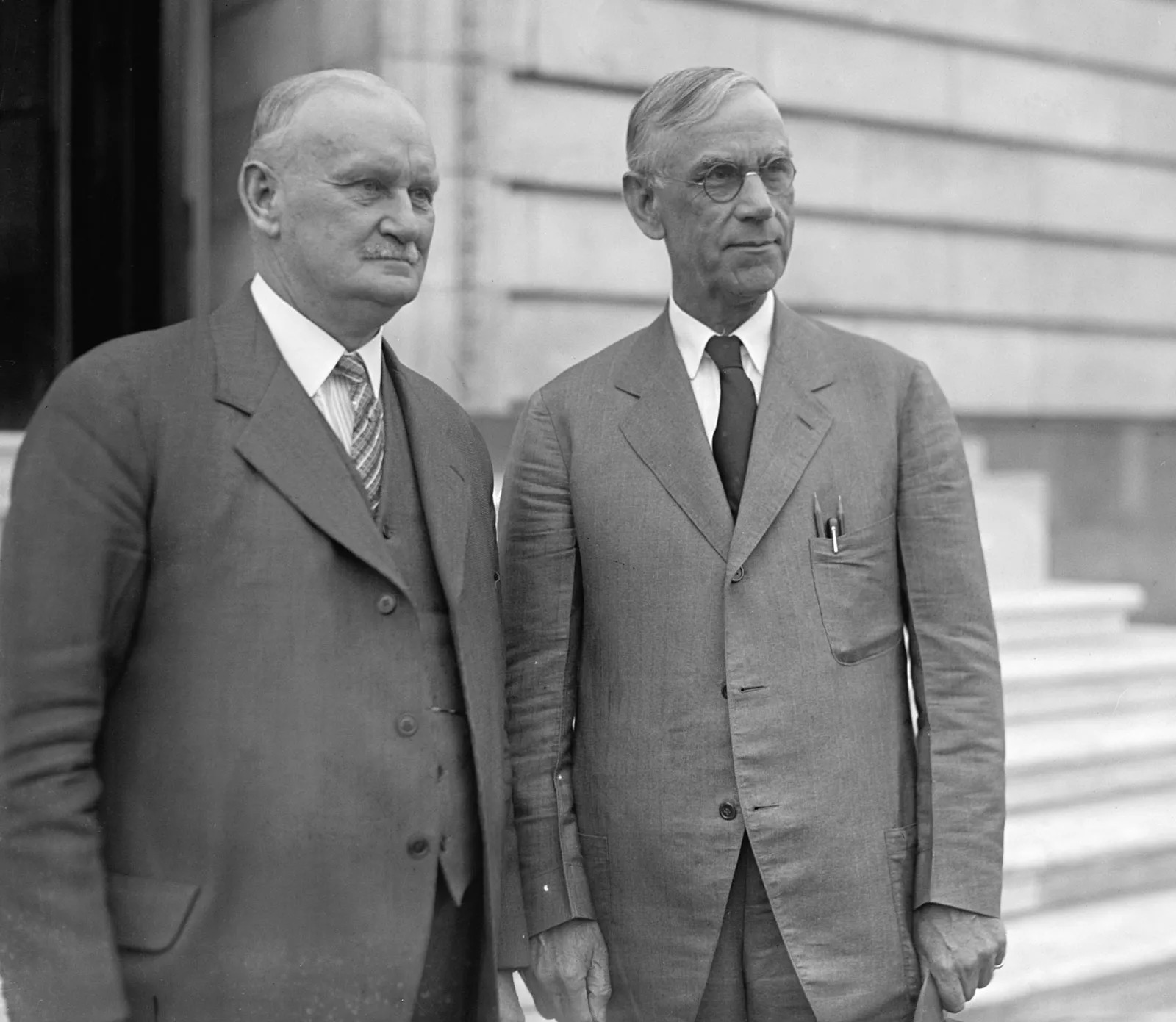
Through protecting American farmers and businesses using higher import tariffs the Smoot-Hawley Tariff Act of 1930 started worldwide commercial warfare which worsened the Great Depression. The enactment of the Smoot-Hawley Tariff Act produced deep economic problems which induced additional trade fees that decreased worldwide business transactions. Under the Reciprocal Trade Agreements Act of 1934 President Franklin D. Roosevelt removed tariff authority from Congress and granted it to his White House administration.

  • During his presidency Herbert Hoover instituted the Smoot-Hawley Tariff Act which became famous for wrecking protectionist policies through its disastrous implementation. 

  • The legislative measure intended to protect farmers produced disastrous effects by leading to significant retaliation from principal trading countries in the international market. 

  • The "beggar-thy-neighbor" policy led by this legislative measure decreased worldwide intercontinental trade while extending economic hardships throughout the globe.

What is Smoot-Hawley Tariff Act, 1930?

  • The Smoot-Hawley Tariff Act from 1930 protected American farmers and businesses using higher import taxes yet this protection triggered worldwide economic conflicts leading to increased severity of the Great Depression. 

Origins and Purpose

  • The Hawley-Smoot Act came into existence through the sponsorship of Senator Reed Smoot together with Representative Willis Hawley with the main objective to defend US agriculture and industry by increasing import taxes.

  • The principal group intended to benefit from this legislation included farmers who faced rising debt combined with declining commodity values following World War I.

Implementation and Scope

  • The legislation elevated customs duties for 20,000 imported goods which represented approximately 25% of all US imports during that period.

  • The bill became law when Hoover approved it in June 1930 despite facing dissent from economists together with industry leadership.

Conclusion

Protectionist policy in the form of the Smoot-Hawley Tariff Act created devastating effects which highlight the negative results of trade barriers on both nations' economies and their international relations. The protective economic policy instead of protecting American markets resulted in international market chaos which aggravated the Great Depression. History proved the value of international trade collaboration through the final abolishment of the Smoot-Hawley Act as policies continue to influence modern economic policies. Excessive authoritarian tariff approaches disturb international market operations while obstructing economic growth because they fail to promote national progress.

The Waqf Amendment Bill, 2025: Section 40, History and Evolution of Waqf in India

The Waqf Amendment Bill from 2025 tries to update the administration of Indian Waqf properties by improving transparency and operations while also creating clear laws. Muslim religious institutions known as Waqf properties contributed historically to religious activities and social care while serving economic functions through different reforms in legislation. The bill extends protection for Waqf properties through modern provisions that improve existing Waqf Acts from 1954 and 1995.

  • Waqf, a key institution in Islamic law, refers to the permanent dedication of movable or immovable property for religious, charitable, or pious purposes. 

  • The management of Waqf properties in India dates back historically as new regulations appeared to protect these properties against misuse and mismanagement. 

  • Independently managed Waqf properties started to become standardized through the creation of Waqf Boards during the historical period of the Waqf Act 1954. 

  • The Waqf Amendment Bill of 2025 presents India's latest attempt to strengthen governance and optimize Waqf property usage toward present-day requirements.

Arguments for Removing Section 40 of Waqf Act

  • In 2025 the Lok Sabha introduced the Waqf Amendment Bill with objectives to modify certain provisions of the Waqf Act from 1995. 

  • The most controversial aspect of this bill eliminates Section 40 because it conferring power on Waqf Boards for Waqf property determinations. 

Understanding the Waqf Board:

  • The Waqf Board exists as a statutory institution designated to oversee properties dedicated in Islam for religious or charitable purposes. Its functions include:

  • The Waqf Board needs to maintain the proper use of donor-designated properties according to original intentions.

  • Preventing encroachment and mismanagement.

  • The government must operate administration functions using transparent and efficient processes.

Key Aspects of Section 40:

  • The Waqf Board achieved authorities through Section 40 of the Waqf Act which included:

  • The official duty of the Waqf Board involves examining all suspected Waqf property to establish its actual status.

  • The authority makes independent decisions free from external disputes by executive powers.

  • The Board must examine trust properties from other societies and decide their eligibility as Waqf properties.

  • Only the Waqf Tribunal could make the final determination about property status when facing disputes.

Historical Evolution of Waqf Laws in India:

  • The Mussalman Wakf Validating Act, 1913:

    • Muslims received legal permission in 1913 to establish family Waqfs that might transform into charitable institutions in the future.

    • The law made attempts to strengthen governance systems but it relied on weak implementation capabilities.

  • The Mussalman Wakf Act, 1923:

    • The Waqf management received enhanced financial accountability alongside transparency through this legislative addition.

  • The Mussalman Wakf Validating Act, 1930:

    • The 1930 Validating Act enhanced family Waqf legal authority.

  • The Waqf Act, 1954:

    • The State introduced Waqf Boards as managerial institutions to oversee Waqf properties throughout the country.

    • The Central Waqf Council obtained its establishment through government legislation in 1964 for supervisory and policy-related activities.

    • Amendments to the Waqf Act, 1954 (1959, 1964, 1969, and 1984):

    • Enhanced administration and management of Waqf properties.

  • The Waqf Act, 1995:

    • The law eliminated both the 1954 Act alongside all additional changes made to it.

    • The system of Waqf Tribunals was established to handle disputes in an efficient manner.

    • The Waqf (Amendment) Act, 2013 strengthened both Waqf Board institutional powers and Chief Executive Officer operational capabilities.

  • The Waqf (Amendment) Act, 2013:

    • Waqf Tribunals received three members who include someone specialized in Muslim law.

    • Every State Waqf Board must include two members who are women according to the intervention.

    • Waqf properties could not be sold or given away by any means.

    • The extension of lease durations will enable better performance of properties.

  • The Waqf Amendment Bill, 2025:

    • This law seeks modernization of Waqf management in order to resolve legal discrepancies.

    • The amendment focuses on three essential aspects for transparent governance, increased efficiency and clear legal structures in Waqf administration.

Government Schemes for Waqf Development:

  • Quami Waqf Board Taraqqiati Scheme (QWBTS):

    • The government provides funding support through State Waqf Boards to improve their digitization efforts and administrative systems.

  • Shahari Waqf Sampatti Vikas Yojana (SWSVY):

    • The organization extends financing without interest to produce business ventures across Waqf properties.

    • The QWBTS program received Rs 23.87 crore while the SWSVY received Rs 7.16 crore from the government budget for 2019-20.

Overview of Waqf Properties in India

  • Statistics on the WAMSI portal show 8.72 lakhs of Waqf properties span more than 38 lakh acres in India.

  • The digitization process of Waqf documentation includes 9,279 property title documents and 1,083 Waqf deeds.

Conclusion

India's governing bodies have transformed the management of Waqf properties through legislation to safeguard their efficient use for public health. Through the Waqf Amendment Bill, 2025 the government advances administrative modernization by establishing enhanced transparency while maintaining Waqf property accountability for the public benefit. These present reforms aim to stop mismanagement and guarantee that Waqf properties fulfill their intended religious and charitable functions accurately.

Kannadippaya: Kerala’s First Tribal Handicraft to Receive GI Tag

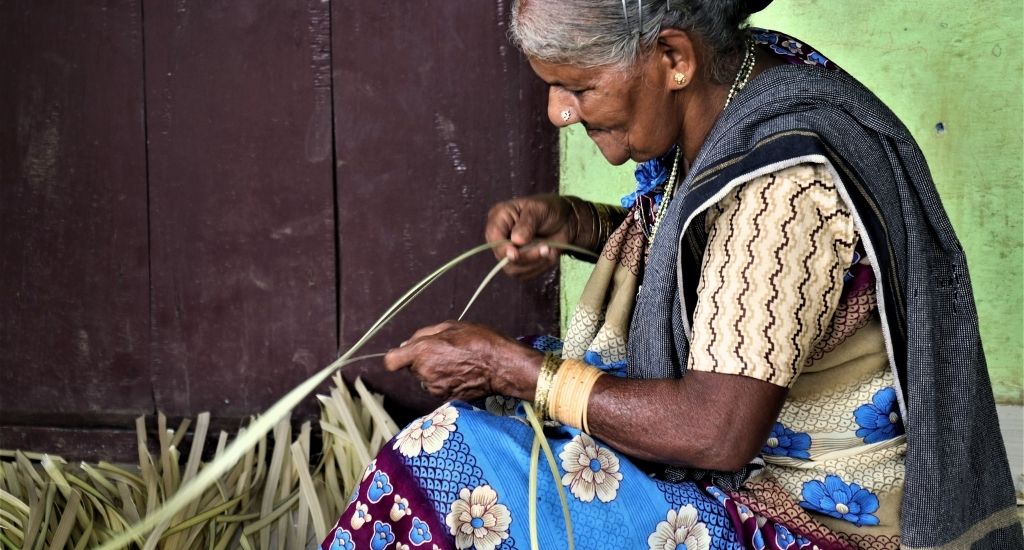
The Geographical Indication (GI) tag now protects Kannadippaya the rare tribal handicraft product from Kerala while making it a worldwide recognized craft. Kannadippaya has become the initial tribal handicraft product of Kerala to earn this status. The indigenous communities of the state have traditionally produced Kannadippaya as an item woven from reed bamboo inner layers which provides distinctive heat regulation. The status should help artist communities develop their abilities for future markets to embrace this sustainable craft.

  • The Geographical Indication (GI) tag now protects Kannadippaya the rare tribal handicraft product from Kerala while making it a worldwide recognized craft. 

  • In Kerala's traditional craft heritage lies Kannadippaya which is an artful design of bamboo that also serves as a reflective surface because of its geometric patterns. 

  • The handcrafted mat maintains both cultural importance and historical significance because it used to be presented to kings as an expression of tribute. 

Key Aspects of Kannadippaya

Unique Craftsmanship

  • Its creation involves thinning inner slivers from reed bamboo (Teinostachyum wightii) producing a supple material with a shiny finish.

  • The fabric encompasses Pettikannadi, Moolikannadi, Ottakkannan alongside Randu Vari among its complex geometrical designs.

  • The bamboo mat both insulates during cold months and generates breezy chill in hot summer seasons.

Cultural and Historical Significance

  • Members from Oorali, Mannan, Muthuva, Malayan, Kadar and Ulladan, Malayarayan, and Hill Pulaya tribes traditionally practice its manufacture.

  • The intricate handicraft was historically given to monarchs to demonstrate their respect and artistic abilities.


Geographical Indication (GI) Recognition

  • Organisation: A GI tag protects the products created by Unarvu Pattikavargha Vividodesha Saharikana Sangham, Vanasree Bamboo Craft and Vanavibhava Shekaranasa units located in Idukki.

  • The first tribal handicraft from Kerala to receive this recognition.

  • Acquisition of this recognition became possible through joint efforts between the Kerala Forest Research Institute (KFRI) and intellectual property rights experts.

Economic and Social Impact

  • Through entrepreneurial opportunities the organization provides tribal artisans with the power to become independent.

  • The market entry for sustainable bamboo goods becomes possible through national and international access points.

  • Government involvement is needed to ensure easier access to markets for the handicraft industry according to the writer.

GI Tag Products In Kerala

Kerala holds numerous products which earned the Geographical Indication (GI) tag that showcases the state's cultural splendor along with its distinct natural elements. 31 Geographical Indication tags have been obtained by Kerala through recent records since the state covers multiple classifications which include agricultural products and manufactured goods and handicrafts. ​

  • Notable GI-tagged Products from Kerala:

  1. Aranmula Kannadi

  2. Alleppey Coir

  3. Navara Rice

  4. Marayoor Jaggery

  5. Nilambur Teak

  6. Vazhakulam Pineapple

  7. Kuthampully Sarees and Dhoties

  8. Tirur Betel Leaf

  9. Wayanad Robusta Coffee

  10. Palakkad Matta Rice

Challenges and the Way Forward

  • A structured market system stands as the primary challenge which prevents tribal artisans from growing their business.

  • The product needs collaborations between public authorities and private businesses in order to develop market penetration.

  • Young people must participate in artisanal crafts because it ensures the survival of traditional arts and crafts into the future.

  • Eco-friendly products gain international market demand which presents manufacturers with opportunities for worldwide market penetration.

Conclusion

The GI registration of Kannadippaya represents a new beginning to protect and market the tribal cultural heritage from Kerala. The practical knowledge that goes into Kannadippaya creation supports sustainable economic opportunities for traditional communities. The combination of market backing and public understanding about Kannadippaya can develop this symbol into a worldwide representation of artistic and ecological heritage from Kerala.

Seaweed: A Nutritional Powerhouse from the Ocean

Ocean plants called seaweed contain essential nutrients due to which scientists value them both for medical applications and monetary opportunities. The nutritional profile of seaweed comprises 54 different nutrient traces which protect against the onset of cancer and diabetes alongside arthritis and heart conditions and high blood pressure diseases. The cultivation of seaweed happens independently of land availability and it needs neither freshwater nor fertilizers thus establishing itself as an eco-friendly agricultural system. Government programs like the Pradhan Mantri Matsya Sampada Yojana (PMMSY) aim to enhance seaweed farming production through industry growth that could exceed 1.12 million tonnes in the next five years.

  • Government programs like the Pradhan Mantri Matsya Sampada Yojana (PMMSY) aim to enhance seaweed farming production through industry growth that could exceed 1.12 million tonnes in the next five years.

  • Seaweed production has emerged as a sustainable and profitable industry because India has 7,500 km of coastline.

What are seaweeds?

  • Seaweed is a nutrient-rich marine plant, packed with vitamins, minerals and amino acids.

  • It contains 54 trace elements and essential nutrients that help fight diseases like cancer, diabetes, arthritis, heart problems and high blood pressure.

  • Seaweed is a sea plant that grows in the ocean and seas.

  • Seaweed cultivation requires no land, freshwater, fertilizers or pesticides, making it sustainable.

  • The $5.6 billion seaweed industry is booming, with India’s production increasing steadily.

  • Under one of its components, the Pradhan Mantri Matsya Sampada Yojana (PMMSY) aims to boost seaweed production to 1.12 million tonnes in five years.

Unlocking the Potential of Seaweed

Seaweed serves various industrial applications:

  • The food and cosmetic and medical industries use brown seaweed alginate which achieves annual sales of US$ 213 million.

  • The production of agar (US$ 132 million) occurs through extracting red seaweed substances for use in confectionery preparations and scientific experiments along with jam creation.

  • The extract known as carrageenan (US$ 240 million) exists in Irish Moss which forms part of the red seaweed family and finds application in dairy items and toothpaste production.

Market Insights:

  • People have consumed seaweed since the 4th century when Japan began its practice and the 6th century when China started using it.

  • The three countries of Japan, China and South Korea drive most of the seaweed market consumption worldwide.

  • A projection indicates that the market value of this sector will reach US$ 11.8 billion during the period from 2020 to 2030.

Promoting Seaweed Farming in India

The Indian government takes a proactive approach to support seaweed farming as a solution to combat national malnutrition problems while pursuing economic development.

Key Statistics:

  • 844 seaweed species in Indian waters, with 60 commercially valuable.

  • The PMMSY scheme (worth ₹20,050 crore) targets seaweed farming together with fishery development through its financial plan.

  • Revenue of ₹640 crore (2020-2025) was allocated which includes ₹194.09 crore specifically targeted for building the Multipurpose Seaweed Park in Tamil Nadu and the Seaweed Brood Bank in Daman and Diu.

  • Production Target: 1.12 million tonnes in five years.

Key Benefits of Seaweed Production

  • Environmental and Economic Advantages

    • The use of seaweed-based biostimulants within agricultural practices helps strengthen both soil conditions and plant resistance to adverse conditions.

    • Organic Farming Support: Promoted under schemes like PKVY and MOVCDNER.

    • The productive use of seaweed benefits both climate change reduction and improves ocean environmental conditions.

    • Economic Upliftment:

      • Alternative livelihood for coastal communities.

      • The Kappaphycus alvarezii farming business generates annual revenue of ₹13,28,000 per hectare.

      • High demand for seaweed-based biofuels and fertilizers.

Key Developments in India

  • Empowering Women Through Seaweed Farming

    • Tamil Nadu women participants in PMMSY training programs established 36,000 tonnes of seaweed production success.

    • The research required an initial fund of ₹27,000 which TAFCOFED provided for funding.

    • Outcome: Financial independence and job creation for other women in the community.

  • Tissue culture to strengthen seaweed cultivation operations.

    • The scientists at CSIR-CSMCRI developed tissue culture methods for Kappaphycus alvarezii in Tamil Nadu.

    • The farm output achieved a 20-30% surplus by farmers in Ramanathapuram, Pudukottai and Tuticorin districts.

    • The production of high-quality carrageenan enables better commercial opportunities.

Conclusion

Seaweed cultivation provides sustainable business along with financial stability to coastal indigenous communities in India. While seaweed production presents several obstacles that consist of climate-related threats coupled with market difficulties and infrastructure limitations. The present growth expansion of the seaweed industry occurs through government backing of PMMSY and Seaweed Park in Tamil Nadu alongside research advancements. The nation will reach global leadership in seaweed farming through investment and creative development which will propel economic benefits together with environmental advantages.

Unravelling the Mysteries of Pope’s Pit Viper Venom: A Deadly Snake of Northeast India

Academic researchers have recently made breakthroughs in understanding the venom fabric of Pope’s Pit Viper (Trimeresurus popeiorum) which exists as a nighttime snake throughout Northeast India along with Southeast Asian territories. The venom consists of 106 proteins which organize into 12 toxin families and mainly contains enzymes leading to tissue breakdown and blood coagulation problems and localized bleeding. Specific antivenom against Pope’s Pit Viper venom is currently challenging for healthcare providers to manage its effects.

  • India contains an extensive variety of dangerous snake species with the well-researched "Big Four" group consisting of Russell's Viper,, Saw-Scaled Viper, Spectacled Cobra and Common Krait. 

  • Scientific research has not documented the venom properties of the enigmatic Pope’s Pit Viper snake. 

  • This tree-dwelling snake stays active at night in the forests of Northeast India and Southeast Asia although it receives insufficient attention from researchers. 

  • A current research led by Prof. Ashis K. Mukherjee and his crew investigated this difficult viper species to reveal vital data about its venomous properties which advances medical response development.

Species Description

General Characteristics

  • The Viperidae family contains Trimeresurus popeiorum which local people refer to as Pope's pit viper, Pope's green pit viper, Pope's tree viper and Pope's bamboo pitviper.

  • The species has its natural habitat in Northeastern India as well as Myanmar, Thailand, Laos but may also exist in Nepal and China.

  • Trimeresurus popeiorum lives in mountain forests then carries out its daily activities at night while staying in tree branches.

  • Being threatened leads this species to start vibrating its tail for defense.

Physical Description

  • The total body length of this species reaches 770 mm (30 in) and its tail measures 170 mm (6.7 in).

  • Body coloration: Green dorsally, pale green to whitish ventrally, with a bright ventrolateral stripe (orange/brown and white in males, white in females).

Naming

  • The species name popeiorum honors Clifford H. Pope and Sarah H. Pope.

Key Toxic Components

  • Snake Venom Metalloproteinases (SVMPs):

    • The venom initiates blood stoppage while destroying tissue structures during the process of blood clotting impairment.

  • Serine Proteases (SVSPs):

    • Blood coagulation remains hindered by this venom action which raises the potential for dangerous bleeding.

  • Phospholipases A2 (PLA2s):

    • The venom triggers muscle injuries with simultaneous inflammation which extends to necrosis.

  • Snake C-type Lectins (Snaclecs):

    • The venom modifies platelet responses while causing difficulties in the blood coagulation process.

Danger to Humans

  • Because of its highly toxic hemotoxic venom Trimeresurus popeiorum presents major health risks to human beings during its venomous bite.

  • The venom causes bleeding combined with inflammation in addition to cellular injury which requires immediate medical care.

  • IUCN Red List Status: Least Concern

Conclusion

Investigation into Pope’s Pit Viper venom creates a critical foundation for better management practices in Indian snake bites. It has become possible to develop improved antivenom formulations and pharmaceutical breakthroughs because researchers have decoded venom toxicity. This research supports India's target to reduce snakebite mortality by 50% through better medical interventions by 2030. The research work plays an essential part to help transform venom expertise into medicines that save lives as India fights deadly snake bites.

Frequently Asked Questions (FAQs)

The current affairs cover recent national and international events related to UPSC, SSC, Banking, Railways, and State PCS.

You need to read about the current affairs daily, and revise them every week and every month to keep them longer in your memory.

Yes, Class24 provides free downloadable Daily Current Affairs PDFs for easy revision.

Yes, you can practice MCQs and quizzes to boost your exam preparation.

Absolutely. The content is written in simple, easy-to-understand bilingual language suitable for beginners.

Go to class24.com and click on the current affairs section directly, where you find everything that you need.

ssc-toppers

Start Learning Today with Class24

Related current affairs

Class24 offers free video lectures for smart preparation, covering CGL, CPO, CHSL, MTS, and GD exams. Learn from expert faculty, revise concepts easily, practice with PYQs, and improve speed and accuracy through high-quality, exam-focused video lessons anytime, anywhere.

Get success in your hand. Start study anytime anywhere.

The journey becomes simple and enjoyable when you start taking interest in it. And through our app “Class24”, we will be your trusted partners in developing that interest.

Daily Quizzes
Mock Tests
Ongoing

No ongoing tests right now.