Day: February 24, 2025

Indian Industry Needs Innovation, Not Mindless Toil

Despite progress India still primarily utilizes low-cost workforce instead of establishing technological advancements in the industrial sector. Weighing too heavily on a low-wage workforce approach has resulted in unscrupulous employee treatment along with flattened market competitiveness and retarded national development. India maintains its surplus value generation strategy through increased work duration instead of investing in productive production techniques like other developing nations.

The Problem of Over-Reliance on Cheap Labour

  • According to the Periodic Labour Force Survey (PLFS) 2023-24 data only 21.7% of Indian workers maintain regular salaries.

  • The majority of workers function without any protection from formal agreements and lack access to paid vacation benefits or retirement security provisions.

  • The factory workforce works 11-12 hours on a daily basis under a time-consuming labor-intensive system which neglects efficiency in favor of excessive manual labor.

  • The United States along with Japan demonstrate fewer working hours with much higher performance levels than emerging economies.

Labour Exploitation and Industrial Practices

  • The combination of unregulated operations by Indian businesses has led to the transfer of production activities from regulated enterprises to unregulated workplaces.

  • More than 70 percent of the manufacturing workforce in India works at unregistered small enterprises where employees frequently experience unfavorable working environment conditions.

  • Large corporations postpone payments to small enterprises so that it diminishes the financial stability of such business owners.

  • Employment through contractual agreements makes up 56 percent of factory worker additions from 2011-12 onward thus weakening job stability while decreasing employee earnings stability.

Rising Profits but Declining Worker Welfare

  • Industrial corporations continue to achieve growing profits alongside deteriorating circumstances for their workers on the job.

  • Corporate profits in India's factory sector rose from 31.6% in 2019-20 to 46.4% in 2021-22, largely due to cost-cutting on wages.

  • Unclear wages in workers' pockets diminish home market spending which creates a downward spiral for industrial development rates.

  • The industrial backbone of migrant workers continues to face disadvantages because they have no access to social security benefits and fair compensation.

Global Competitiveness and Stagnation in Key Sectors

  • Stagnation exists in the garment industry because India refuses to update its manufacturing methods.

  • The global market share of garment exports for India stands at 3.1% even though it has abundant labour resources available yet Bangladesh, Vietnam and China have now surpassed them.

  • Indian businesses have been unable to expand operations because they did not invest in technology advancements and new innovations.

The Need for Innovation-Driven Growth

  • Cheap labour practices prevent local industries from coordinating automation advances and artificial intelligence as well as sophisticated manufacturing practices.

  • Successful emerging economies together with developed nations make productivity their main focus instead of continuing to have an abundance of workers on staff.

  • A contemporary industrial strategy requires three main priorities:

  • A worker training program exists to boost employee productivity levels.

  • Manufacturers need to accept technological advancements to enhance their operational efficiency levels.

  • The government should enact better MSME policies that break supervisory relationships which harm suppliers.

Long-Term Economic Implications

  • Current economic patterns cannot be sustained because continuous labor oppression leads to economic growth stopping eventually.

  • Technically unskilled workers both earn less pay and face worse treatment at work which prevents them from driving domestic market growth through routine consumption.

  • Uninnovative approaches in the future will reduce India's international prestige across research areas such as IT and manufacturing and engineering domains.

Conclusion

The industrial sector of India requires modernization through technological improvements instead of continuing labor exploitation practices. Employment of workers at minimum wages generates financial profit quickly but innovation stands as an absolute necessity for sustainable future growth. Indian economic success in sustainable development and global competitiveness depends on recognizing this fact as soon as possible.

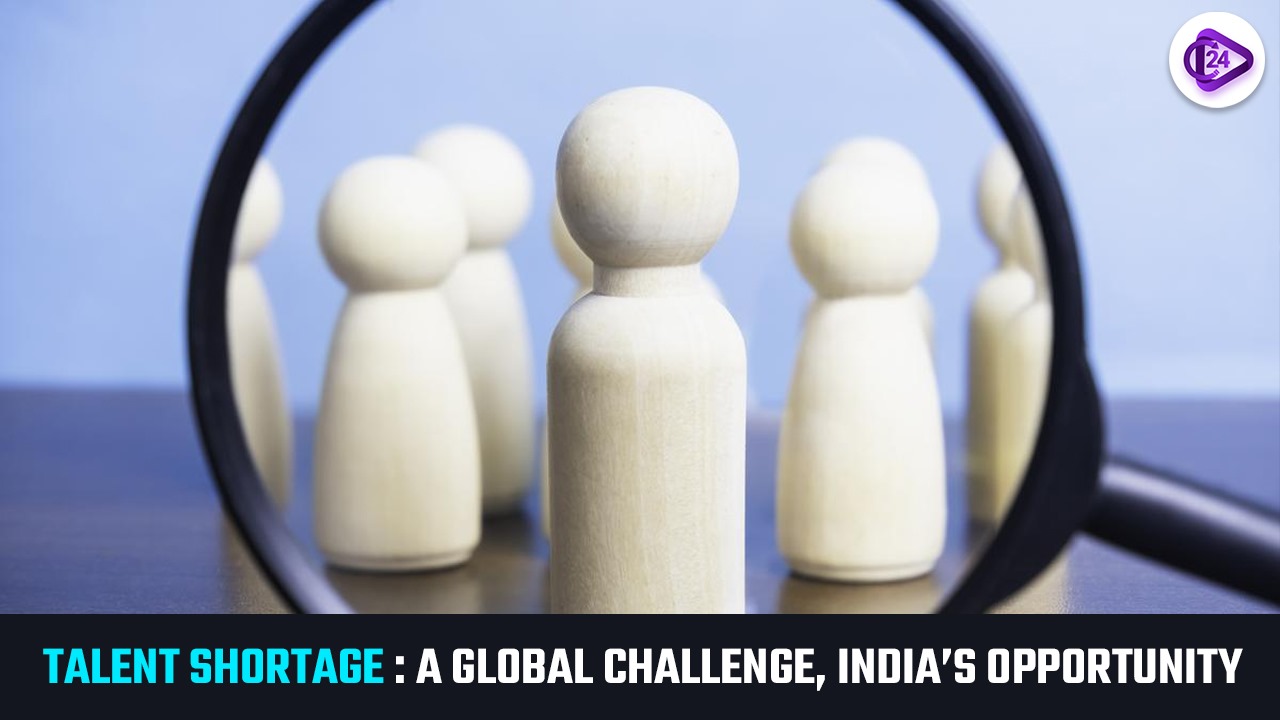
Global Talent Shortage: India’s Golden Opportunity for Leadership

Researched data indicates workforce shortages exceeding supply levels will reach a historical high throughout the global market by 2030. The FICCI-KPMG research suggests this worker shortage may result in $8.45 trillion of missing potential revenue. The demographic dividend of India positions it perfectly to become a leading source of talent for this gap. Complete exploitation of this opportunity needs specific policy actions combined with workforce skill development programs and strategies for global worker movement.

The Global Talent Shortage: A Challenge and an Opportunity

  • The FICCI-KPMG study produced several essential findings that should be noted in this piece.

  • The world faces an upcoming deficit of 85.2 million skilled workers which will become apparent in 2030.

  • The projected workforce deficit will cause $8.45 trillion revenue loss which would equal to double the combined GDP of Germany and Japan.

  • India possesses significant abilities to produce a large portion of needed skilled people who will work best in significant economic sectors.

Why Can India Benefit?

  • The workforce population of India consists of millions of individuals aged 28 years on average in 2024.

  • A growing skilling ecosystem (Skill India Mission, National Skill Development Corporation).

  • The diaspora community brings advantages through their ability to assist workers in moving across borders.

  • The market requires skilled healthcare professionals and workers in IT and AI sectors as well as manufacturing technicians and construction personnel and service sector employees which matches the talents available in India.

Specific nations exhibit strong requirements for qualified labor force members

1. Gulf Cooperation Council (GCC) Nations

  • The healthcare industry as well as construction and manufacturing together with services represents sectors that require new workers.

  • India benefits from existing manpower agreements and its large population of workers abroad which totals eight million.

  • Indian labor faces two major challenges involving unpaid rights protection together with unethical recruiting practices along with the requirement to demonstrate occupational skills.

2. Europe (Including the UK)

  • The job market seeks healthcare professionals together with service workers as well as automated technicians working with AI technology and employees specialized in sustainable practices.

  • The growing number of elderly people creates medical and caregiving sector job opportunities.

  • Language communication problems combine with strict immigration guidelines along with non-validation of medical and other Indian educational qualifications.

3. Australia

  • Healthcare together with IT and services as well as engineering and infrastructure represent sectors where employment is available.

  • The country features active skilled migration programs that welcome numerous Indian immigrants who hold the position of Australia's second largest foreign community.

  • The country faces competition from China and the Philippines as well as other international competitors.

Barriers to Global Workforce Mobility

  • Regulatory and Immigration Barriers

    • Workforce migration remains impeded by theeloratory nature of visa systems along with complicated work permit authorization requirements.

    • A number of countries employ quota systems to restrict migrant worker entry into their market.

  • Recruitment Malpractices and Human Trafficking

    • Recruitment agencies who prey on migrants charge excessive fees while mismanaging the workers' situations.

    • The reputation of India suffers damage from illegal immigration which also creates obstacles for authorized skilled labor.

  • Skill Mismatches and Qualification Recognition Issues

    • The recognitions of Indian medical and engineering degrees remain unaccepted by Europe along with other developed nations.

    • Workers must obtain additional skills and their certifications need to match international standards.

  • Cultural and Language Barriers

  • Lack of language proficiency (e.g., German for medical professionals in Germany).

  • Adaptation challenges in non-English-speaking countries.

Government Initiatives to Overcome Challenges

1. Bilateral Agreements & Free Trade Agreements (FTAs)

  • The India-GCC agreements establish better provisions for labor rights together with mobility arrangements.

  • India-UAE Vision 2030 focuses on skill cooperation and workforce mobility.

2. Skill Development Programs

  • The Skill India Mission together with Pradhan Mantri Kaushal Vikas Yojana (PMKVY) work to match workers' competencies with international market requirements.

  • National Skill Development Corporation (NSDC) works with foreign industries to enhance the qualifications of Indian employees.

3. Digital Workforce Platforms

  • The eMigrate Portal functions as a protective system which defends workers against deceptive activities.

  • Online recruitment systems for safe and legal workforce placement.

Strategies for India to Maximise Workforce Mobility

1. Sector-Specific Skill Training

  • Getting specialized training must focus on essential industries of high market demand areas.

  • The organization develops skill training programs with international corporations through partnerships.

2. Regulation of Recruitment Practices

  • Strict enforcement of laws against fraudulent recruitment agencies.

  • The government should oversee recruitment practices to promote ethical practices in the workforce.

3. International Recognition of Indian Degrees

  • Mutual recognition agreements with foreign countries for academic and professional qualifications.

  • Partnerships with foreign universities and accreditation bodies.

4. Public-Private Partnerships (PPP)

  • Private firms should receive financial benefits to begin participating in skill development ventures and employment facilitation activities.

  • The collaboration with foreign businesses should lead to joint training facilities establishment.

5.Various Programs 

  • The government must support various circular migration systems and mobility programs.

  • Encouraging temporary work visas and rotational workforce models.

  • Migrant workers who return home from their jobs should possess upgraded skills to boost economic development in the domestic market.

6. Immigration Policies and India’s Advantage

  • Indian skilled professionals maintain their demand status as immigration attitudes in host nations become more negative.

  • The unimpeded entry of qualified professionals stands stronger for Australia and GCC than Europe does.

  • India needs to control illegal migration because doing so will defend the nation's worldwide position along with respecting its workers' rights.

7. Economic Impact: Path to Viksit Bharat

  • The Indian economy will reach between $6.5-9 trillion dollars during the 2030 period.

  • The Indian economy will experience accelerated growth by seizing a meaningful section from the $8.45 trillion market of international knowledge gaps.

  • The integration of global workers through migration and employment will assist India in transforming into a Viksit Bharat (developed India) nation.

Conclusion

India stands at the threshold of becoming the world's leading supplier of expert professionals due to present-day workforce deficits worldwide. The necessary steps for success include active policy implementations along with successful alignment of international qualifications and ethical recruitment methods. India will establish a dominant position in worldwide talent markets through regulatory fixes and skills investment and international partnership utilization.

The realization of India's demographic advantage as global economic leadership requires focused workforce planning and international alliances and strong ethical migration procedures.

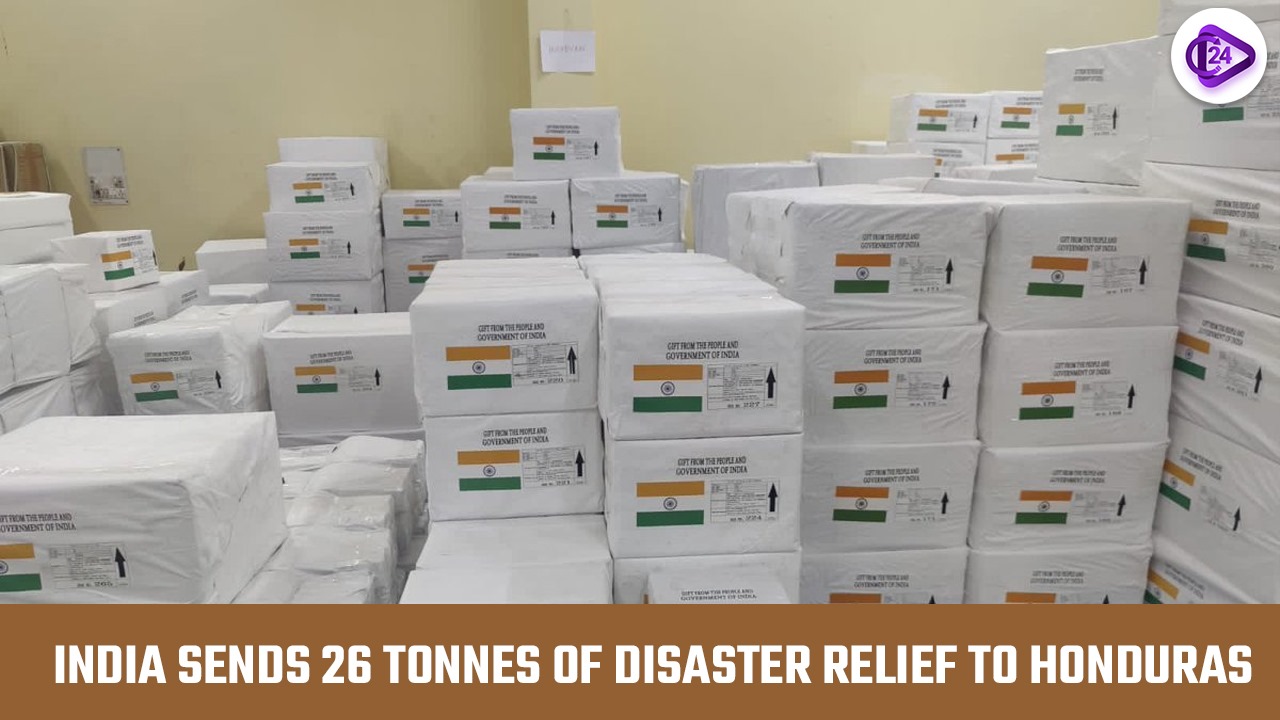
India Extends Humanitarian Support to Honduras with 26 Tonnes of Disaster Relief

The Indian government directed 26 tonnes of assistance to Honduras following intense damage from Tropical Storm SARA to the country. The donated supplies consist of medical equipment together with disaster response materials and hygiene packages that serve the needs of disaster victims. Through this humanitarian aid move India proves its position as a trustworthy partner for humanitarian support in the Global South.

Details of India's Humanitarian Aid

  • A total of 26 tonnes of humanitarian relief materials served as the donated material.

  • Contents:

    • Medical supplies – surgical tools, glucometers, oximeters, IV fluids.

    • Disaster relief materials include blankets and sleeping mats among other contents.

    • Hygiene kits – gloves, syringes, and sanitation essentials.

Impact of Tropical Storm SARA on Honduras

  • The cyclone formed in November 2024 brought disastrous consequences through floods and destructive landslides to the region.

  • Mass displacement of people and destruction of homes and infrastructure.

  • Severe health crisis:

  • The population struggles because they cannot access basic clean water resources or medical support and sanitation systems.

  • Increased risks of diarrheal diseases, respiratory infections, and communicable diseases.

  • Overcrowded shelters lacking basic necessities.

India-Honduras Relations & Past Support

India’s history of aid to Honduras:

  • Between 1998 and 2005 India donated funds together with necessary supplies when disasters struck.

  • During the COVID-19 pandemic India gave essential medications as well as PPEs to patients.

  • The diplomatic relations between India and Honduras have strengthened because India shows commitment to facilitate Honduran development.

Conclusion

India’s urgent humanitarian assistance to Honduras demonstrates its dedication to support nations in the Global South and its position as a respected global partner dedicated to disaster relief operations. The initiative extends important assistance to the Honduran people while simultaneously advancing bilateral ties through which India demonstrates its leadership role in international humanitarian assistance.

India-Japan Military Cooperation Strengthens with Exercise DHARMA GUARDIAN 2025

A contingent of 120 Indian Army soldiers departed to participate in the 6th edition of Exercise DHARMA GUARDIAN with Japan at East Fuji Manoeuvre Training Area in Japan from February 24 to March 9, 2025. The annual exercise takes place in rotation between India and Japan to promote higher-level military cooperation between the two armies based on UN counter-terrorism and urban warfare mandates.

Key Details of the Exercise

Participants:

  • India: 120 personnel from the MADRAS Regiment, along with other units.

  • Japan: 34th Infantry Regiment of the Japan Ground Self Defence Force (JGSDF).

  • Location: East Fuji Manoeuvre Training Area, Japan.

  • Duration: February 24 – March 9, 2025.

  • Previous Edition: Held in Rajasthan, India (Feb-Mar 2024).

Objectives and Focus Areas

  • Building operational effectiveness by improving combined forces able to conduct urban combat and terrorism response.

  • Physical fitness standards will be improved through enhanced joint planning elements which in turn enable execution of tactical drills.

  • The forces should practice disaster response maneuvers to build their joint operational capacities.

Strategic Importance

  • The initiative follows India’s Army Chief making his official visit to Japan during October 2024.

  • India increases its cooperation with Japan for defence operations in the Indo-Pacific region.

  • The exercise strengthens military cooperation between countries because of regional security challenges that have arisen.

Conclusion

The annual Exercise DHARMA GUARDIAN 2025 builds military cooperation between India and Japan through joint training of urban warfare methods and counter-terrorism responses as well as disaster relief strategies. Each year the drill strengthens defensive partnerships and operational effectiveness in the Indo-Pacific area as both countries dedicate themselves to maintaining regional security peace.

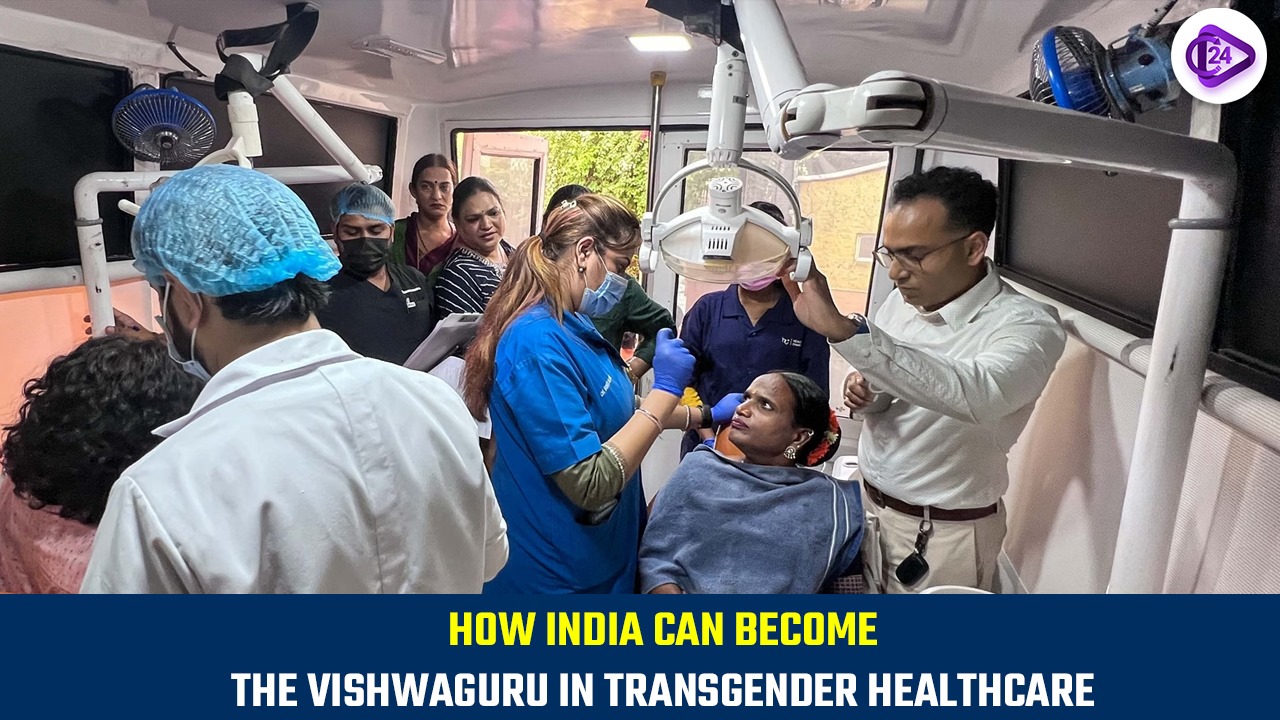
How India can become the vishwaguru for transgender healthcare

Global leadership in transgender healthcare presents itself as a strategic opportunity for India because of tightening restrictions facing transgender healthcare in parts of Europe and America. The Trump administration has put restrictions on transgender rights yet India implements the 2014 NALSA judgment along with the Transgender Persons (Protection of Rights) Act (2019) to provide transgender people with legal rights and protection. However, India’s healthcare system still lacks transgender-friendly services, largely due to insufficient training, lack of public hospital facilities, and poor implementation of government schemes. Hosted medical tourism focused on gender affirmation care could help India build its position as a major healthcare center for trans patients similar to how Thailand currently operates in this field.

US Restrictions on Transgender Healthcare

  • President Trump's government has constructed several policy measures to reduce transgender rights through:

  • Federal documentation allows citizens to choose only limited gender categories of male and female.

  • Federal money cannot be allocated to pay for gender-affirming medical treatment of minor patients.

  • The military and women’s sports sectors continue to prohibit transgender individuals from participating.

  • The arrangement of placing transgender inmates according to their birth-assigned sex brings risks to their safety.

  • USAID terminated all of its healthcare programs focused on transgender care at facilities throughout the world including those based in India.

  • The closure of Mitr Clinic in India and other healthcare facilities has isolated numerous transgender patients who now lack medical treatment options.

India’s Legal Framework for Transgender Rights

  • The Indian government stands among a limited number of nations which allow multiple gender recognition within its legal framework.

  • The 2014 NALSA judgment together with the 2019 Transgender Persons (Protection of Rights) Act outline:

    • Transgender individuals in India have access to anti-discrimination protections that cover educational institutions along with employment areas and residential spaces and healthcare settings.

    • Each Indian state should have at least one government hospital that provides gender-affirming health services.

    • The healthcare program Ayushman Bharat TG Plus was established as a national initiative to provide ₹5,00,000 of support for gender-affirming medical care but has not commenced operations yet.

Challenges in India’s Transgender Healthcare

  • Lack of medical training:

    • The education of transgender healthcare is absent from nearly all medical institutions throughout the country.

    • The inclusion of LGBTQIA+ competencies in school education occurred only after the Madras High Court issued its judgment.

  • Limited public healthcare facilities:

    • Medical facilities in public hospitals perform very few gender-affirming surgical procedures.

    • Because public health facilities provide insufficient care most transgender people need to access private medical services at high costs.

  • Insufficient funding and implementation:

    • The Ayushman Bharat TG Plus initiative remains not yet active in its full capacity.

    • The governmental funding toward transgender healthcare remains minimal.

  • Comparison with Thailand:

    • The Kingdom of Thailand leads worldwide in gender-affirming procedures which draw overseas medical patients.

    • Similar success like Thailand could be reached by India yet the country faces policy voids and specialist shortages.

India’s Strengths as a Transgender Healthcare Hub

  • The history of Indian society includes an extensive background of respect for gender diversity.

  • The doctors in India possess high specialization which can be developed through proficient training for transgender surgical procedures.

  • The price of medical services in India stands lower than Western countries providing care at affordable rates.

  • Medical tourism has grown in India so the country could further extend its position as a treatment center by developing transgender-focused policies and services.

Steps to Establish India as a Vishwaguru in Transgender Healthcare

Several actions need to be implemented to transform India into a leading nation for transgender healthcare:

  • Strict enforcement of the Transgender Persons (Protection of Rights) Act (2019).

  • Full implementation of the Ayushman Bharat TG Plus scheme.

  • Incorporating transgender healthcare into medical curricula.

  • Training doctors in specialized gender-affirming procedures.

  • The government should establish medical facilities which serve transgender patients exclusively throughout the country.

  • The government needs to create policies which focus on medical tourism for transgender customers.

  • Public institutions should review their passport, visa and identification procedures to support transgender people through transition processes.

  • Higher budgetary support should be allocated to fund transgender healthcare projects.

Conclusion

The United States' and parts of Europe's moves to restrict transgender healthcare services present India with an exclusive possibility to dominate transgender medical assistance throughout the world. India can achieve international leadership in transgender healthcare through modern laws combined with medical competent practitioners and robust private healthcare facilities. Full execution of transgender healthcare policy along with medical education development and funding will demand instant attention to build necessary infrastructure. Right implementation will transform India into the global leader of transgender healthcare through the provision of premium services at reasonable rates for transgender people from around the world.

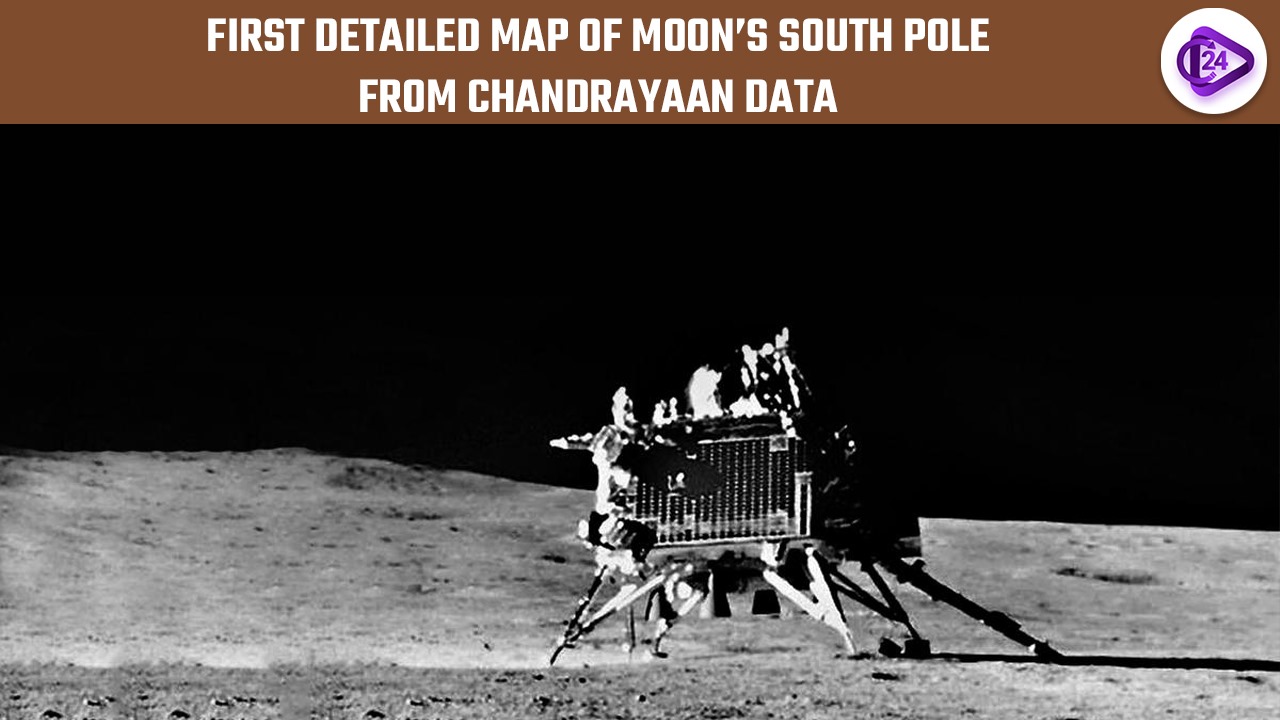
First detailed map of moon’s south pole made from Chandrayaan data

The study represents Indian scientists' accomplishment in producing the Moon’s south polar area’s initial detailed geological map based on Chandrayaan-3 data. Researchers from the Physical Research Laboratory (PRL) alongside Panjab University and ISRO created this geological mapping project about the Moon’s origin story. The research project confirmed there exists underground magma which extends across the full Moon surface. Scientists revealed that research established a shared timeline between Earth and Moon thus reinforcing ideas on their possible shared origin. The study of planetary evolution through lunar impact craters represented a fundamental discovery while scientists expressed worries about human-made pollution of the lunar surface. The increasing activity of lunar colonization calls for immediate development of bilateral legal guidelines to manage Moon exploration activities and resource use on lunar ground.

Chandrayaan-3’s Contribution to Lunar Mapping

  • The Vikram lander of Chandrayaan-3 conducted its landing operation 630 km close to the south polar region of the Moon on August 23, 2023.

  • The Pragyan rover operated by the mission performed analysis of lunar regolith material at the surface dust and rock fragments.

  • Researchers processed APXS data to develop the first detailed geological mapping of that area.

Discovery of a Lunar Magma Ocean

  • The research results established that a primordial underground magma ocean exists beneath the lunar surface.

  • Through Chandrayaan-3 the presence of magma was confirmed to span across the entire lunar territory beyond earlier indications of magma concentrations in the equatorial and mid-latitudinal regions.

  • By discovering this evidence scientists gained better insights into both the thermal development and internal composition of the lunar body.

Geological Features of the Moon’s South Pole

  • The chart displayed an area with both elevated highlands and wide flat plains.

  • The Schomberger crater created all secondary craters located in this specific region.

  • Science demonstrates that the studied region dates back to 3.7 billion years old which matches when microbes emerged as life on Earth.

Common Evolution of Earth and Moon

  • The Earth shares historical pathways with the Moon since both bodies exist in matching orbital configurations and share corresponding geochemical elements.

  • Scientists state that 4.5 billion years ago a Mars-size celestial object plowed into Earth then knocked out debris which solidified into the Moon.

  • Astronomers consider the South Pole-Aitken Basin at Vikram's landing location as the biggest ancient impact structure within the Solar System.

Importance of Lunar Craters

  • Lunar craters remain visible across the surface for extensive durations because its atmosphere does not cause erosion like Earth experiences.

  • The time-fossilized asteroid collision history of the Solar System is protected through the desktop-like function of lunar impact craters.

  • Research on lunar impacts enables astrogeologists to understand the crater formation patterns across Earth alongside other planetary bodies.

Human Impact on the Lunar Surface

  • Lunar regolith has been contaminated by various missions which originated from the Soviet Union, the United States, China, India, Japan, Israel and the ESA starting from 1959.

  • Human activities together with robots have the potential to change the lunar environment thus producing disturbances to its thin exosphere layers.

  • The exhaust emissions from spacecraft systems create contamination which affects scientific studies of water distribution among lunar ice reserves.

Need for International Space Regulations

  • The Outer Space Treaty (1967) provides insufficient instructions to stop the contamination of celestial bodies.

  • Lunar settlement projects combined with resource extraction activities require an international legal system to emerge.

  • Moon's untouched terrain will suffer permanent modification unless proper governance serves to control human activities on its surface.

Conclusion

A detailed mapping of the southern lunar territory achieved by Chandrayaan-3 creates a major advance for lunar research. The space exploration strategy delivers essential knowledge about the Moon's natural progression and core makeup and its relation to Earth's creation. Human activities taking place on the Moon create substantial dangers to its environmental well-being. The global community must create unambiguous legal structures to shield the distinctive lunar environment because lunar settlement and resource acquisition are becoming global prospects.

Government Action on Tapentadol and Carisoprodol Export and Production Ban

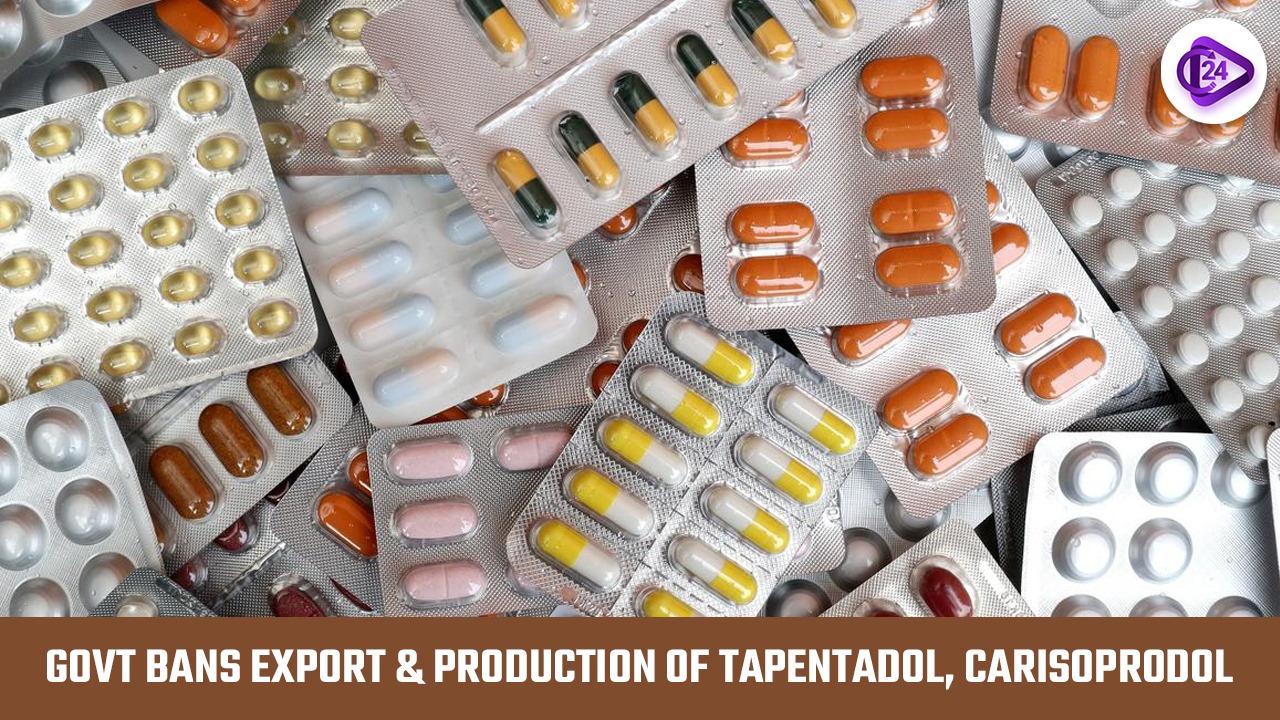
The regulatory authorities in India banned the manufacturing and export of all combination drugs which contain Tapentadol and Carisoprodol due to their links with the opioid crisis in West African countries. The combined investigation of the Central Drugs Standard Control Organisation (CDSCO) with state regulators resulted in large drug seizures and Aveo Pharmaceuticals, Mumbai received a Stop Activity Order. Regulatory authorities implemented serious measures that entailed license revocation for manufacturing and export together with enhanced export controls and improved compliance requirements. Pharmacological operations and the pharmaceutical industry endorse the recent decision because it prioritizes ethical and legally compliant drug export activities.

Key Points

Background & Reasons for the Ban

  • The exporting of unapproved Tapentadol and Carisoprodol combinations to West Africa developed into a major opioid epidemic.

  • The government took measures to stop wrong applications of Indian pharmaceutical export products.

Regulatory Audit & Findings

  • Drug manufacturing enterprises received risk-based evaluation from CDSCO together with state regulatory bodies.

  • The Mumbai facility of Aveo Pharmaceuticals underwent an audit at their premises from February 21-22 2025.

  • The government implemented a Stop Activity Order as a consequence of the audit which forced the company to cease its operations at every facility.

Seizure of Drugs & Manufacturing Halt

  • The government seized 1.3 crore tablets/capsules together with 26 batches of Active Pharmaceutical Ingredients (APIs).

  • The Maharashtra Food & Drugs Administration compelled Aveo Pharmaceuticals to stop all production activities.

  • The shipment of Tapentadol 125 mg + Carisoprodol 100 mg intended for Ghana remained in suspension at Mumbai Air Cargo after being exported.

Strengthened Regulatory Oversight

  • All rights to export NOCs and manufacture Tapentadol with Carisoprodol combinations were terminated by the government.

  • All incoming drug shipments needed to pass through CDSCO port offices according to new directives issued to customs authorities.

  • CDSCO will make amendments to the Export NOC checklist which will enforce either of these requirements:

  • Approval from India’s regulatory authority (CDSCO), or

  • Establishment of Tapentadol and Carisoprodol production requires a Product Registration Certificate issued by the National Regulatory Agency of the importing country.

Industry & Government Response

  • The pharmaceutical sector backed the new restriction which they defined as an illogical and strange choice.

  • Medical experts confirmed that the drug combination lacks worldwide authorization while small pharma organizations mainly produce it.

  • The government declared it had no tolerance for illicit and immoral drug export practices.

Broader Pharmaceutical Regulatory Measures

  • Drugs manufacturing establishments and testing facilities have undergone risk-based inspections in India starting from December 2022.

  • A total of 905 pharmaceutical companies underwent inspection with officials taking disciplinary measures against 694 cases that involved Stop Production Orders (SPO) and license suspensions/cancellations together with Warning letters and Show-Cause notices.

    • Stop Production Orders (SPO)

    • License suspensions/cancellations

    • Warning letters and show-cause notices

  • The implemented measures produced better compliance outcomes and built up stronger regulations for pharmaceuticals in India.

Conclusion

As a major player in pharmaceutical exports India maintains strategic commitment to maintaining drug safety while upholding regulatory standards. The implemented ban on unapproved drug mixtures and stricter export rules work together to fight misapplication of pharmaceutical products while safeguarding India's position as a trusted international pharmaceutical provider. Government authorities plan to oversee pharmaceutical exports to stop recurrences of such events and maintain ethical conducts throughout the sector.

Frequently Asked Questions (FAQs)

The current affairs cover recent national and international events related to UPSC, SSC, Banking, Railways, and State PCS.

You need to read about the current affairs daily, and revise them every week and every month to keep them longer in your memory.

Yes, Class24 provides free downloadable Daily Current Affairs PDFs for easy revision.

Yes, you can practice MCQs and quizzes to boost your exam preparation.

Absolutely. The content is written in simple, easy-to-understand bilingual language suitable for beginners.

Go to class24.com and click on the current affairs section directly, where you find everything that you need.

ssc-toppers

Start Learning Today with Class24

Related current affairs

Class24 offers free video lectures for smart preparation, covering CGL, CPO, CHSL, MTS, and GD exams. Learn from expert faculty, revise concepts easily, practice with PYQs, and improve speed and accuracy through high-quality, exam-focused video lessons anytime, anywhere.

Get success in your hand. Start study anytime anywhere.

The journey becomes simple and enjoyable when you start taking interest in it. And through our app “Class24”, we will be your trusted partners in developing that interest.

Daily Quizzes
Mock Tests
Ongoing

No ongoing tests right now.