
Day: January 28, 2026

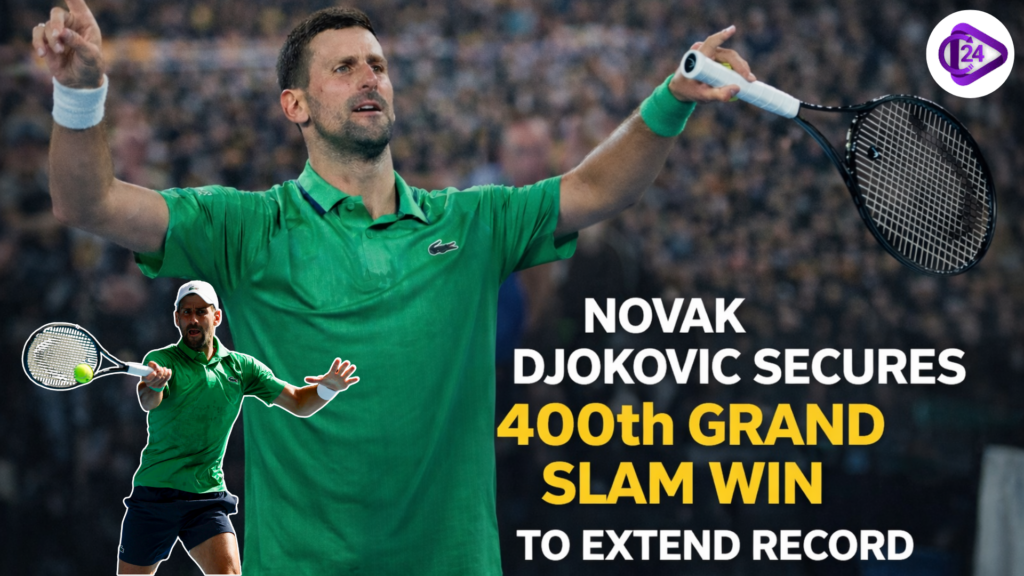
Novak Djokovic Secures 400th Grand Slam Win to Extend Record

Novak Djokovic became the second player to have played 400 career tennis singles match otherwise at a major championship and is the first to do so during a major championship. The 38-year-old Serb had his 38th game set win over Botic van de Zandschulp, which saw him go to the fourth round and increase his record over time in Grand Slams as well as match wins. Another record that Djokovic matched was that of Roger Federer, whom he is regarded as the best in the history of tennis matches, as he sought his 25th major form of Grand Slam tennis championship.

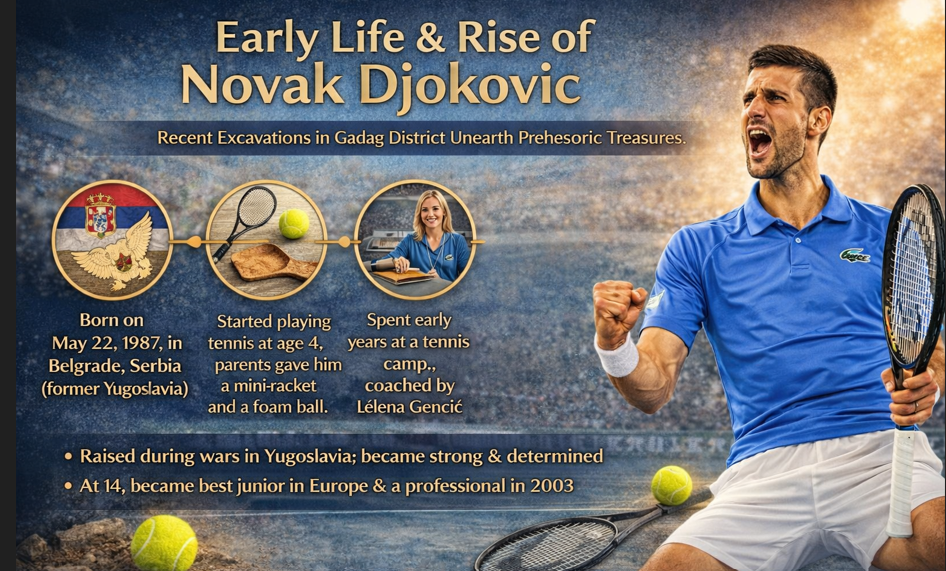
Early Life of Novak Djokovic and Rise in Tennis

  • Novak Djokovic was born on May 22, 1987, in Belgrade, Serbia (former Yugoslavia).

  • He started playing tennis when he was four years old, and his parents gave him a mini-racket and a foam ball.

  • Djokovic spent his early years in Novi Sad at the tennis camp and was coached by Jelena Gencic, who is the one who developed his early career.

  • He was raised during the Yugoslav Wars, and therefore, he had become very strong and wilful.

  • At the age of 14, he became the best junior in Europe and became a professional in 2003.

  • He was in the ATP top 100 at the age of 18 and managed to enter major semifinals quite soon.

  • It was in the year 2008 that he achieved his first Grand Slam title at the Australian Open.

Significance of the 400th Win

  • Novak Djokovic was the first tennis player to reach the 400-match-win record in the Grand Slam tournaments in history, which shows his unquestionable consistency and ability to last longer at the majors.

  • His third-round win at the 2026 Australian Open has seen him reach the milestone.

  • It was also a win that earned him a place with Roger Federer in the list of highlight match wins of 102 match wins at the Australian Open, and portrays him as a winner at Melbourne Park.

  • The 400 th Grand Slam title adds to Djokovic's already legendary reputation as one of the most prolific tennis players of all time and shows his ability to perform at the elite level over the span of more than twenty years.

Important PYQs on Grand Slam

Exam / Paper Year Question Answer
CGPSC Prelims 2021 Arrange the following tennis tournaments in order of starting year: French Open, Wimbledon, US Open, and Australian Open. Wimbledon, US Open, French Open, Australian Open.
UPSC CAPF AC 2015 Which one of the following Grand Slam Tennis tournaments had the highest prize money in 2014? Wimbledon.
SSC CGL Tier-I 2023 Which Grand Slam tournament was played between 17 and 30 January 2022? Australian Open.
SSC MTS 2019 Which of the following is NOT a Grand Slam in tennis? Indian Open (not a Grand Slam).
UPSC Prelims / GK Various Which Grand Slam title is also known as Roland Garros? French Open.

Conclusion (Novak Djokovic Secures 400th Grand Slam Win)

The 400th Grand Slam won by Novak Djokovic places him in the hall of fame of tennis. This historic achievement reflects on his stability, endurance and supremacy in all of the key tournaments, indicating career longevity that is beyond remarkable. Djokovic is still motivating the world in tennis and is striving to reach even more records and Grand Slam titles.
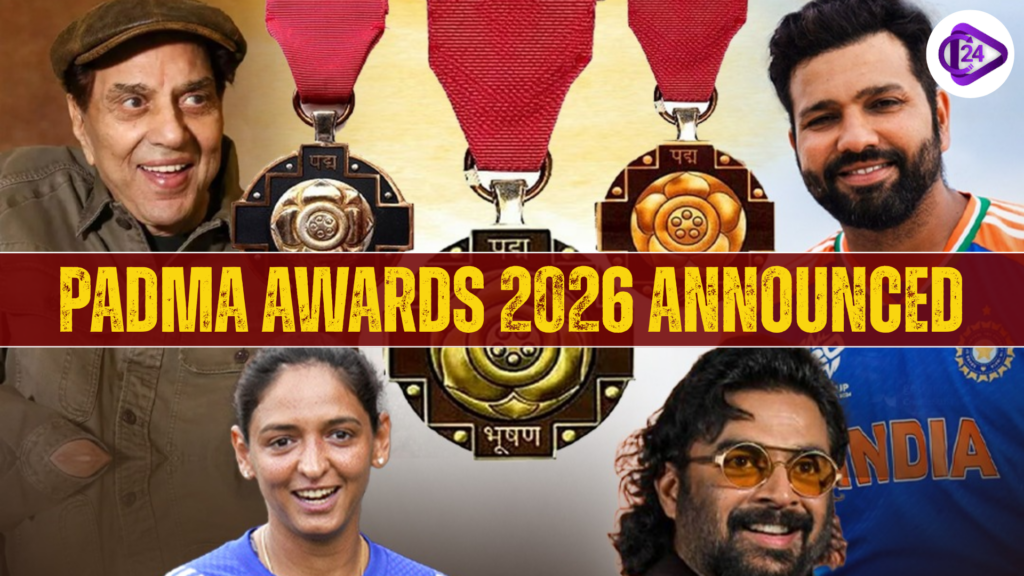
Padma Awards 2026 Announced: Complete List of Padma Vibhushan, Bhushan & Shri Awardees

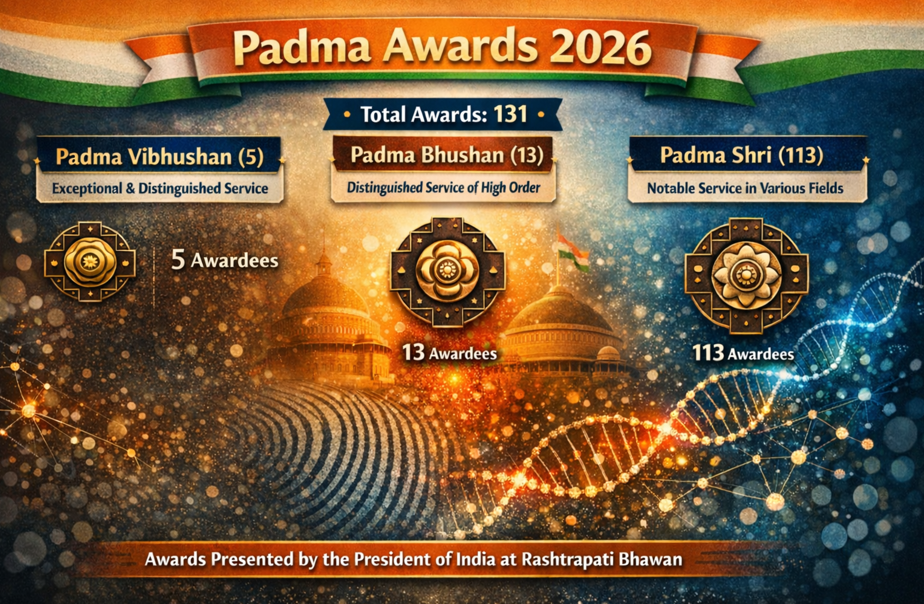
Padma Awards: It is one of the highest civilian awards of the country and has three classes, that is, Padma Vibhushan, Padma Bhushan, and Padma Shri. The awards are conferred in different disciplines/fields of activity, viz., art, social work, public affairs, science and engineering, trade and industry, medicine, literature, education, sports, civil service, etc. Padma Vibhushan is given on exceptional and distinguished service; Padma Bhushan on distinguished service of high order; and Padma Shri on distinguished service in any field. The awards are declared during the Republic Day annually.

Awards are given by the President of India at formal events that are conducted at Rashtrapati Bhawan around March / April annually. The President has sanctioned the award of 131 Padma Awards, including 2 duo cases (in a duo case, the award is considered one), as per the following list: These include 5 Padma Vibhushan, 13 Padma Bhushan and 113 Padma Shri Awards; 19 of the awardees are women, and the list also has 6 individuals under the category of Foreigners/NRI/PIO and 16 posthumous awardees.

Padma Vibhushan (5)

Padma Vibhushan is the second-highest Indian civilian award, which is awarded to individuals who have contributed outstanding and distinguished service in arts, literature, science, social work, and the achievement of governmental matters. Padma Vibhushan was the honourable recognition of the distinguished contribution towards the nation in the Padma Awards 2026, with the title given to 5 eminent personalities.

Awardees Table

SN Name Field State / Country
1 Shri Dharmendra Singh Deol (Posthumous) Art Maharashtra
2 Shri K T Thomas Public Affairs Kerala
3 Ms. N Rajam Art Uttar Pradesh
4 Shri P Narayanan Literature and Education Kerala
5 Shri V S Achuthanandhan (Posthumous) Public Affairs Kerala

Padma Bhushan (13)

Padma Bhushan is the 3rd highest Indian civilian award, which is given to exceptional service at a high-level in various sectors, including art, literature, science, sports, medicine, and the services of the nation. A total of 13 exceptional personalities were presented with the Padma Bhushan in the Padma Awards 2026 in recognition of their contribution in exceptional ways.

Awardees Table

SN Name Field State / Country
1 Ms. Alka Yagnik Art Maharashtra
2 Shri Bhagat Singh Koshyari Public Affairs Uttarakhand
3 Shri Kallipatti Ramasamy Palaniswamy Medicine Tamil Nadu
4 Shri Mammootty Art Kerala
5 Dr. Nori Dattatreyudu Medicine United States of America
6 Shri Piyush Pandey (Posthumous) Art Maharashtra
7 Shri S K M Maeilanandhan Social Work Tamil Nadu
8 Shri Shatavadhani R Ganesh Art Karnataka
9 Shri Shibu Soren (Posthumous) Public Affairs Jharkhand
10 Shri Uday Kotak Trade and Industry Maharashtra
11 Shri V K Malhotra (Posthumous) Public Affairs Delhi
12 Shri Vellappally Natesan Public Affairs Kerala
13 Shri Vijay Amritraj Sports United States of America

Padma Shri (113)

Padma Shri (113) is the fourth-highest civilian award of India, which is given in recognition of notable service in art, literature, education, science, sports, medicine, social work, and in the socio-economic sector. Under the Padma Awards 2026, 113 persons were recognised as Padma Shri, with them having made influential contributions to society and the nation.

SN Name Field State / Country
1 Shri A E Muthunayagam Science and Engineering Kerala
2 Shri Anil Kumar Rastogi Art Uttar Pradesh
3 Shri Anke Gowda M. Social Work Karnataka
4 Ms. Armida Fernandez Medicine Maharashtra
5 Shri Arvind Vaidya Art Gujarat
6 Shri Ashok Khade Trade and Industry Maharashtra
7 Shri Ashok Kumar Singh Science and Engineering Uttar Pradesh
8 Shri Asok Kumar Haldar Literature and Education West Bengal
9 Shri Baldev Singh Sports Punjab
10 Shri Bhagwandas Raikwar Sports Madhya Pradesh
11 Shri Bharat Singh Bharti Art Bihar
12 Shri Bhiklya Ladakya Dhinda Art Maharashtra
13 Shri Bishwa Bandhu (Posthumous) Art Bihar
14 Shri Brij Lal Bhat Social Work Jammu and Kashmir
15 Shri Buddha Rashmi Mani Others – Archaeology Uttar Pradesh
16 Dr. Budhri Tati Social Work Chhattisgarh
17 Shri Chandramouli Gaddamanugu Science and Engineering Telangana
18 Shri Charan Hembram Literature and Education Odisha
19 Shri Chiranji Lal Yadav Art Uttar Pradesh
20 Ms. Deepika Reddy Art Telangana
21 Shri Dharmiklal Chunilal Pandya Art Gujarat
22 Shri Gadde Babu Rajendra Prasad Art Andhra Pradesh
23 Shri Gafruddin Mewati Jogi Art Rajasthan
24 Shri Gambir Singh Yonzone Literature and Education West Bengal
25 Shri Garimella Balakrishna Prasad (Posthumous) Art
26 Ms. Gayatri Balasubramanian & Ms. Ranjani Balasubramanian (Duo) Art Tamil Nadu
27 Shri Gopal Ji Trivedi Science and Engineering Bihar
28 Shri Guduru Venkat Rao Medicine Telangana
29 Shri H V Hande Medicine Tamil Nadu
30 Shri Hally War Social Work Meghalaya
31 Shri Hari Madhab Mukhopadhyay (Posthumous) Art West Bengal
32 Shri Haricharan Saikia Art Assam
33 Ms. Harmanpreet Kaur Bhullar Sports Punjab
34 Shri Inderjit Singh Sidhu Social Work Chandigarh
35 Shri Janardan Bapurao Bothe Social Work Maharashtra
36 Shri Jogesh Deuri Others – Agriculture Assam
37 Shri Juzer Vasi Science and Engineering Maharashtra
38 Shri Jyotish Debnath Art West Bengal
39 Shri K Pajanivel Sports Puducherry
40 Shri K Ramasamy Science and Engineering Tamil Nadu
41 Shri K Vijay Kumar Civil Service Tamil Nadu
42 Shri Kabindra Purkayastha (Posthumous) Public Affairs Assam
43 Shri Kailash Chandra Pant Literature and Education Madhya Pradesh
44 Ms. Kalamandalam Vimala Menon Art Kerala
45 Shri Kewal Krishan Thakral Medicine Uttar Pradesh
46 Shri Khem Raj Sundriyal Art Haryana
47 Ms. Kollakal Devaki Amma G Social Work Kerala
48 Shri Krishnamurty Balasubramanian Science and Engineering Telangana
49 Shri Kumar Bose Art West Bengal
50 Shri Kumarasamy Thangaraj Science and Engineering Telangana
51 Prof. (Dr.) Lars-Christian Koch Art Germany
52 Ms. Liudmila Viktorovna Khokhlova Literature and Education Russia
53 Shri Madhavan Ranganathan Art Maharashtra
54 Shri Maganti Murali Mohan Art Andhra Pradesh
55 Shri Mahendra Kumar Mishra Literature and Education Odisha
56 Shri Mahendra Nath Roy Literature and Education West Bengal
57 Shri Mamidala Jagadesh Kumar Literature and Education Delhi
58 Ms. Mangala Kapoor Literature and Education Uttar Pradesh
59 Shri Mir Hajibhai Kasambhai Art Gujarat
60 Shri Mohan Nagar Social Work Madhya Pradesh
61 Shri Narayan Vyas Others – Archaeology Madhya Pradesh
62 Shri Naresh Chandra Dev Varma Literature and Education Tripura
63 Shri Nilesh Vinodchandra Mandlewala Social Work Gujarat
64 Shri Nuruddin Ahmed Art Assam
65 Shri Othuvaar Thiruthani Swaminathan Art Tamil Nadu
66 Dr. Padma Gurmet Medicine Ladakh
67 Shri Palkonda Vijay Anand Reddy Medicine Telangana
68 Ms. Pokhila Lekthepi Art Assam
69 Dr. Prabhakar Basavprabhu Kore Literature and Education Karnataka
70 Shri Prateek Sharma Medicine United States of America
71 Shri Praveen Kumar Sports Uttar Pradesh
72 Shri Prem Lal Gautam Science and Engineering Himachal Pradesh
73 Shri Prosenjit Chatterjee Art West Bengal
74 Dr. Punniamurthy Natesan Medicine Tamil Nadu
75 Shri R Krishnan (Posthumous) Art Tamil Nadu
76 Shri R V S Mani Civil Service Delhi
77 Shri Rabilal Tudu Literature and Education West Bengal
78 Shri Raghupat Singh (Posthumous) Others – Agriculture Uttar Pradesh
79 Shri Raghuveer Tukaram Khedkar Art Maharashtra
80 Shri Rajastapathi Kaliappa Goundar Art Tamil Nadu
81 Shri Rajendra Prasad Medicine Uttar Pradesh
82 Shri Rama Reddy Mamidi (Posthumous) Others – Animal Husbandry Telangana
83 Shri Ramamurthy Sreedher Others – Radio Broadcasting Delhi
84 Shri Ramchandra Godbole & Ms. Suneeta Godbole (Duo) Medicine Chhattisgarh
85 Shri Ratilal Borisagar Literature and Education Gujarat
86 Shri Rohit Sharma Sports Maharashtra
87 Ms. S G Susheelamma Social Work Karnataka
88 Shri Sangyusang S Pongener Art Nagaland
89 Sant Niranjan Dass Others – Spiritualism Punjab
90 Shri Sarat Kumar Patra Art Odisha
91 Shri Saroj Mandal Medicine West Bengal
92 Shri Satish Shah (Posthumous) Art Maharashtra
93 Shri Satyanarayan Nuwal Trade and Industry Maharashtra
94 Ms. Savita Punia Sports Haryana
95 Prof. Shafi Shauq Literature and Education Jammu and Kashmir
96 Shri Shashi Shekhar Vempati Literature and Education Karnataka
97 Shri Shrirang Devaba Lad Others – Agriculture Maharashtra
98 Ms. Shubha Venkatesha Iyengar Science and Engineering Karnataka
99 Shri Shyam Sundar Medicine Uttar Pradesh
100 Shri Simanchal Patro Art Odisha
101 Ms. Sivasankari Literature and Education Tamil Nadu
102 Dr. Suresh Hanagavadi Medicine Karnataka
103 Swami Brahmdev Ji Maharaj Social Work Rajasthan
104 Shri T T Jagannathan (Posthumous) Trade and Industry Karnataka
105 Shri Taga Ram Bheel Art Rajasthan
106 Shri Tarun Bhattacharya Art West Bengal
107 Shri Techi Gubin Social Work Arunachal Pradesh
108 Shri Thiruvaarur Bakthavathsalam Art Tamil Nadu
109 Ms. Tripti Mukherjee Art West Bengal
110 Shri Veezhinathan Kamakoti Science and Engineering Tamil Nadu
111 Shri Vempaty Kutumba Sastry Literature and Education Andhra Pradesh
112 Shri Vladimer Mestvirishvili (Posthumous) Sports Georgia
113 Shri Yumnam Jatra Singh (Posthumous) Art Manipur

Conclusion (Padma Awards 2026)

The Padma Awards 2026 are the spirit of excellence in India, a prize of excellence attributed to the most distinguished personalities in the field of art, literature, science, sports, medicine, private service, and social work. Their high-calibre civilian awards are used to encourage generations to come and serve society with positive intent and integrity, as well as innovation, as a form of recognising lifetime dedication and influence nationally as well as internationally.

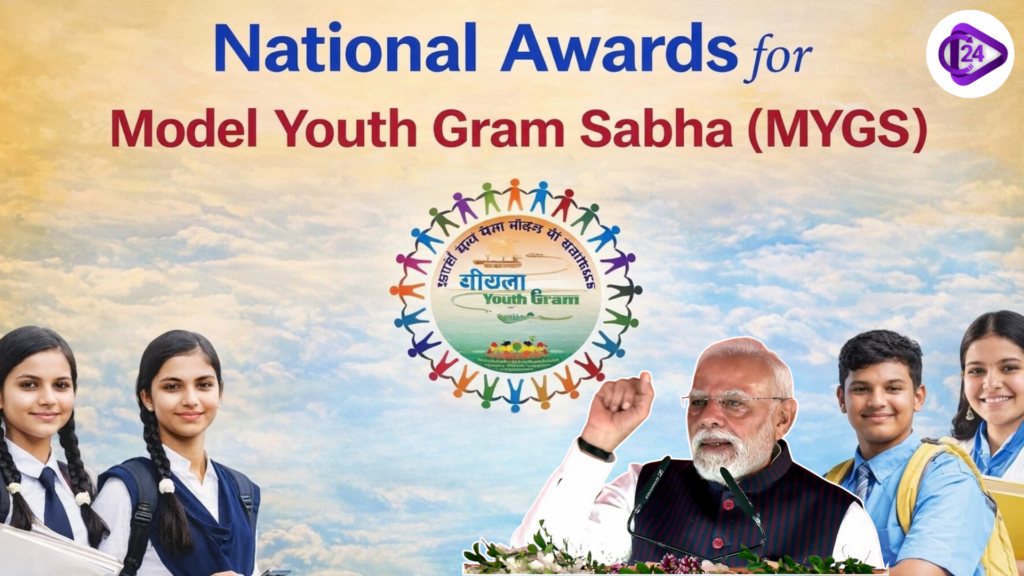
National Awards for Model Youth Gram Sabha (MYGS)

The National Awards of Model Youth Gram Sabha (MYGS) on the 28th of January 2026 in New Delhi, under the coordination of the Ministry of Panchayati Raj, with the Ministry of Education and the Ministry of Tribal Affairs. The event will recognise students and schools that have demonstrated outstanding participation in deliberated simulated Gram Sabha and Gram Panchayat sittings throughout the country. More than 28000 students through 619 Jawahar Navodaya Vidyalayas and 200 Eklavya Model Residential Schools attended the MYGS programme, demonstrating the practice of democracy. The awards include live mock Gram Sabha events and the recognition of the best performers as highlights.

About National Awards for Model Youth Gram Sabha (MYGS)

  • The Ministry of Panchayati Raj coordinated with other ministries (the Ministry of Education and the Ministry of Tribal Affairs) to organise the National Awards of Model Youth Gram Sabha (MYGS).

  • It also identifies and awards students and schools who have performed well in the Model Youth Gram Sabha programme throughout the country.

  • The MYGS programme encourages real-life knowledge on local governance and democratic participation through exposure of school students to the gram sabha and the gram panchayat, facing situations that are simulated.

  • On 28 January 2026, a ceremony was organised at New Delhi to give the 2025-26 cycle winners their awards.

  • More than 28,000 students in 619 Jawahar Navodaya Vidyalayas and 200 Eklavya Model Residential Schools all over the country participated in the initiative.

  • During this event, live demonstrations of mock Gram Sabha sessions by the best-performing schools are featured.
  • The winners are recognised due to their leadership, civil participation, and knowledge of the grassroots mechanisms of governance, as they are stipulated in the 73rd amendment of the withdrawal.

  • The awards are expected to influence the students to engage in the democratic processes and learn about the village level of government.

  • MYGS also contributes to enhancing the relationship between education and youth empowerment and the local government.

  • Schools are considered in regard to organisation, student participation, and creativity, as well as the accuracy in terms of representing Gram Sabha processes.

PYQs on Gram Sabha

Exam Year Question Asked Answer
SSC CPO 2023 Which of the following is incorrect about the salient features of the 73rd Amendment Act?
1) Gives constitutional status to Panchayati Raj
2) Contains 29 functional items for Panchayats
3) Added the Eleventh Schedule
4) Corresponds to Part III of the Constitution
Option 4 – It corresponds to Part IX, not Part III.
SSC CGL Tier-I 2022 The 73rd Amendment deals with which of the following?
1) GST
2) Urban local government bodies
3) Panchayati Raj System
4) Anti-defection
Option 3 – Panchayati Raj System.
SSC CHSL 2014/15 The 73rd Constitutional Amendment is related to:
A) Panchayati Raj
B) Monetary regulation
C) Finance Commission
D) Urban land reforms
A) Panchayati Raj – It gives constitutional status to Panchayati Raj institutions.
GPSC Prelims 2023 In relation to the 73rd Constitutional Amendment:
a) Provides a four-tier system
b) Assures a five-year term
c) Devolution of powers vested with the Union Government
d) Gram Sabha is the foundation of the system
Which are correct?
b & d only – Five-year term and Gram Sabha as the foundational unit.
SSC MTS / SSC GD (GK) Recent Which Amendment Act introduced the provision of Panchayati Raj in India?
A) 42nd
B) 73rd
C) 74th
D) 76th
73rd Amendment Act – Introduced the constitutional framework of Panchayati Raj.
Railway GK Recent The list of subjects which may be entrusted to Panchayats is given in the:
A) Eleventh Schedule
B) Twelfth Schedule
C) Seventh Schedule
D) State List
Eleventh Schedule – Covers subjects entrusted to Panchayats.

Conclusion (National Awards for Model Youth Gram Sabha)

The National Awards Model Youth Gram Sabha (MYGS) is an award that is used to motivate the youth to take an active part in the local government. Such awards help in creating transparency, accountability and community involvement at the village level. They encourage young leaders to play a key role in the development of the rural areas and enhance democracy in India.

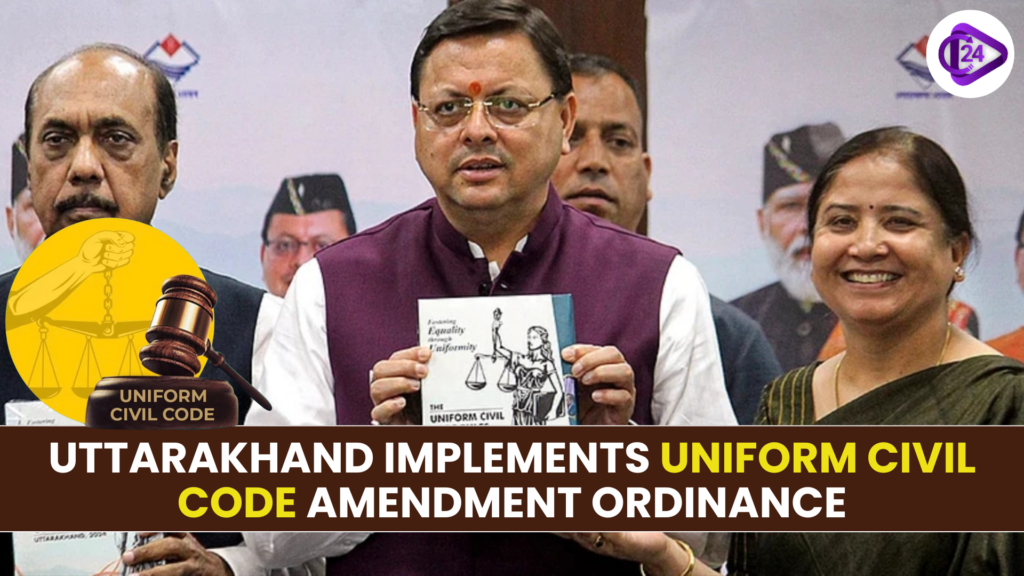
Uttarakhand Government Implements the UCC (Amendment) Ordinance, 2026

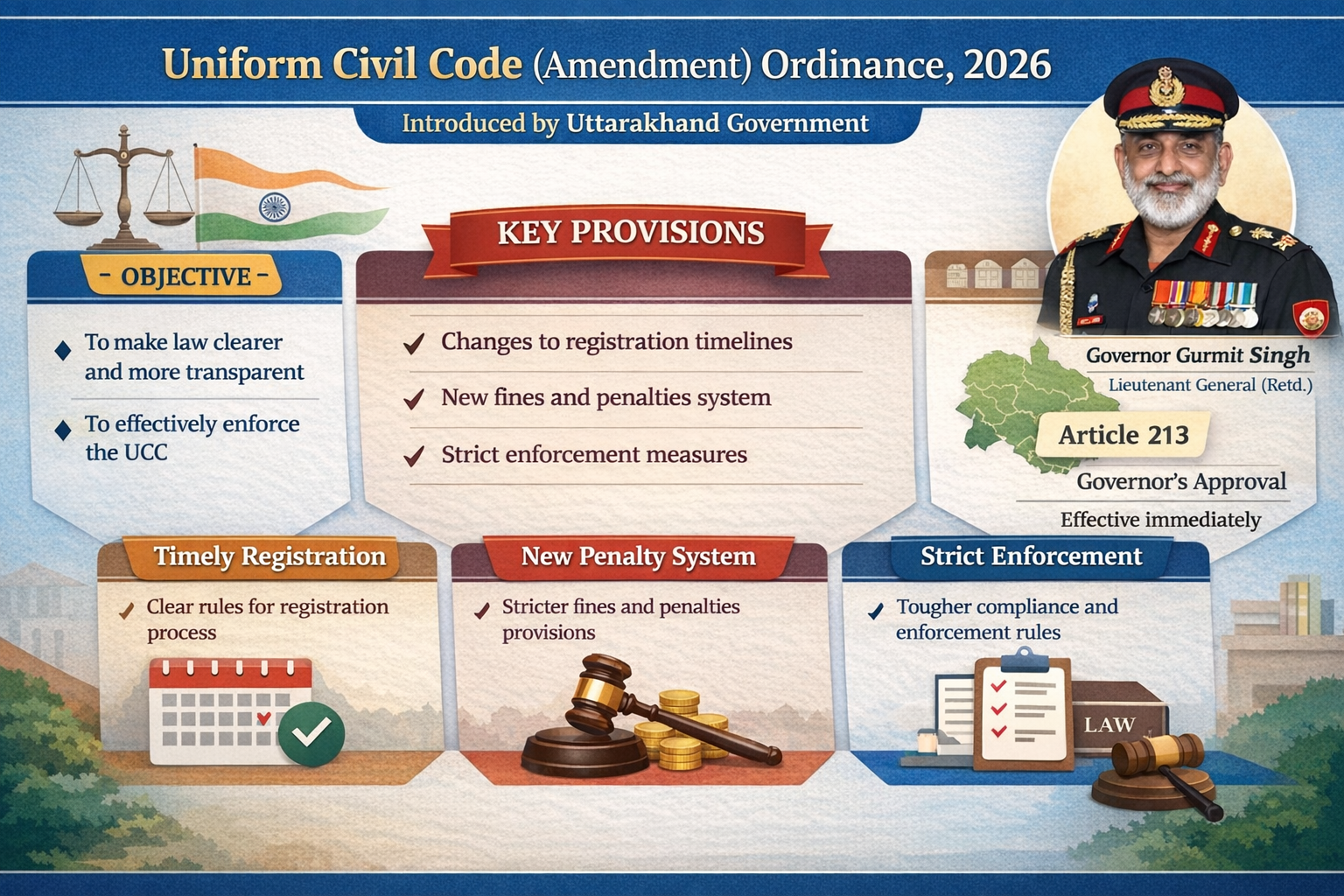
The Uniform Civil Code (Amendment) Ordinance, 2026, has been introduced, and also through the Governor Lieutenant General (Retd) approval, the Uttarakhand Government has introduced the ordinance with immediate effect. Governor Gurmit Singh under Article 213 of the Constitution. The amendment ordinance modifies the current Uniform Civil Code to bring about more understandable procedures and administrative changes, as well as new compliance provisions. In an attempt to enhance transparency and ease civil law proceedings, the ordinance seeks to change some of the timelines, fines, and enforcement provisions to have the UCC in the state properly implemented as part of the overall legal reform agenda in Uttarakhand.

What is the UCC (Amendment) Ordinance, 2026?

  • The UCC (Amendment) Ordinance, 2026, is another amended form of the Uniform Commercial Code in Uttarakhand to enhance the enforcement of the law.

  • The governor approved it and implemented it to make procedures, administrative rules, and compliance requirements under the UCC clear.

  • The amendment renders the registration schedules, fines, and execution measures more accurate and practical.

  • It amends the current provisions to clarify ambiguities and provide more security to the rights of the citizens.

  • The reforms will help make the UCC more efficient and transparent, as well as easier to understand by individuals and officials.

Previous Year Questions (PYQs) on Uniform Civil Code (UCC)

Exam Name Year Question Asked Answer
UPSC CSE Prelims 2021 The Uniform Civil Code (UCC) is provided under which part of the Indian Constitution?
A) Fundamental Rights
B) Directive Principles of State Policy
C) Fundamental Duties
D) Preamble
B) Directive Principles of State Policy (Article 44)
UPSC CSE Mains (GS Paper-I) 2019 “Examine the impact of the Uniform Civil Code on gender equality and minority rights in India.” Discuss the challenges in its implementation. UCC aims to ensure equality, especially for women, in matters of marriage, divorce, inheritance, and adoption. Challenges include religious diversity, cultural sensitivities, minority concerns, and lack of political consensus.
UPSC CSE Mains (GS Paper-I) 2015 Discuss the possible factors that inhibit India from enacting a Uniform Civil Code as envisaged under the Directive Principles of State Policy. Inhibiting factors include India’s religious and cultural diversity, resistance from communities, federal structure, political sensitivity, and concerns over interference in personal laws.

Conclusion (UCC (Amendment) Ordinance, 2026)

The UCC (Amendment) Ordinance, 2026, enhances the framework for implementing the Uniform Civil Code to address gaps in procedure and difficulties in enforcement. It is focused on making it clear, legally certain, and more smoothly executed, balancing the constitutional value, the efficiency of the administration, and the rights of citizens.

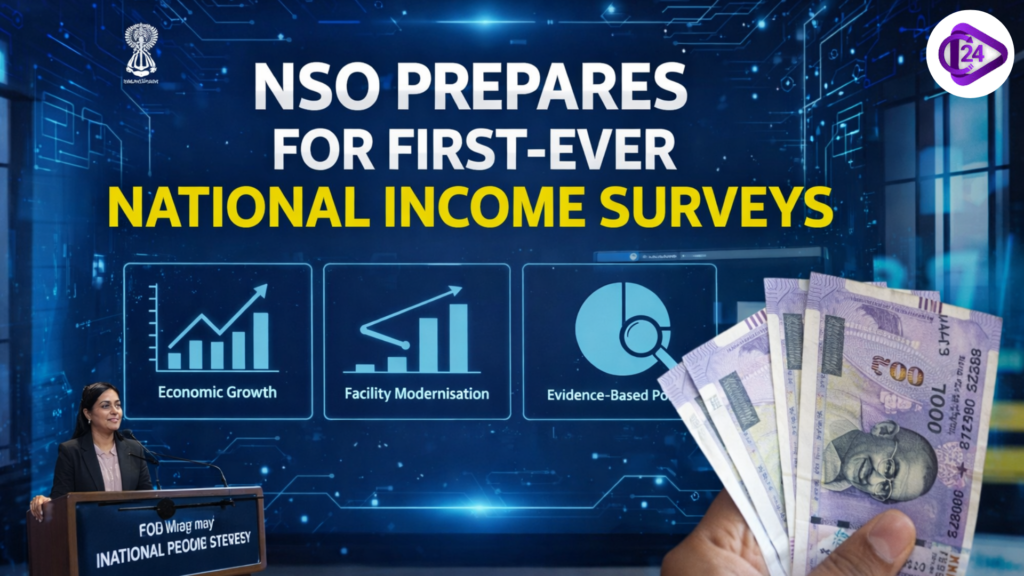
NSO Prepares for First-Ever National Income Surveys

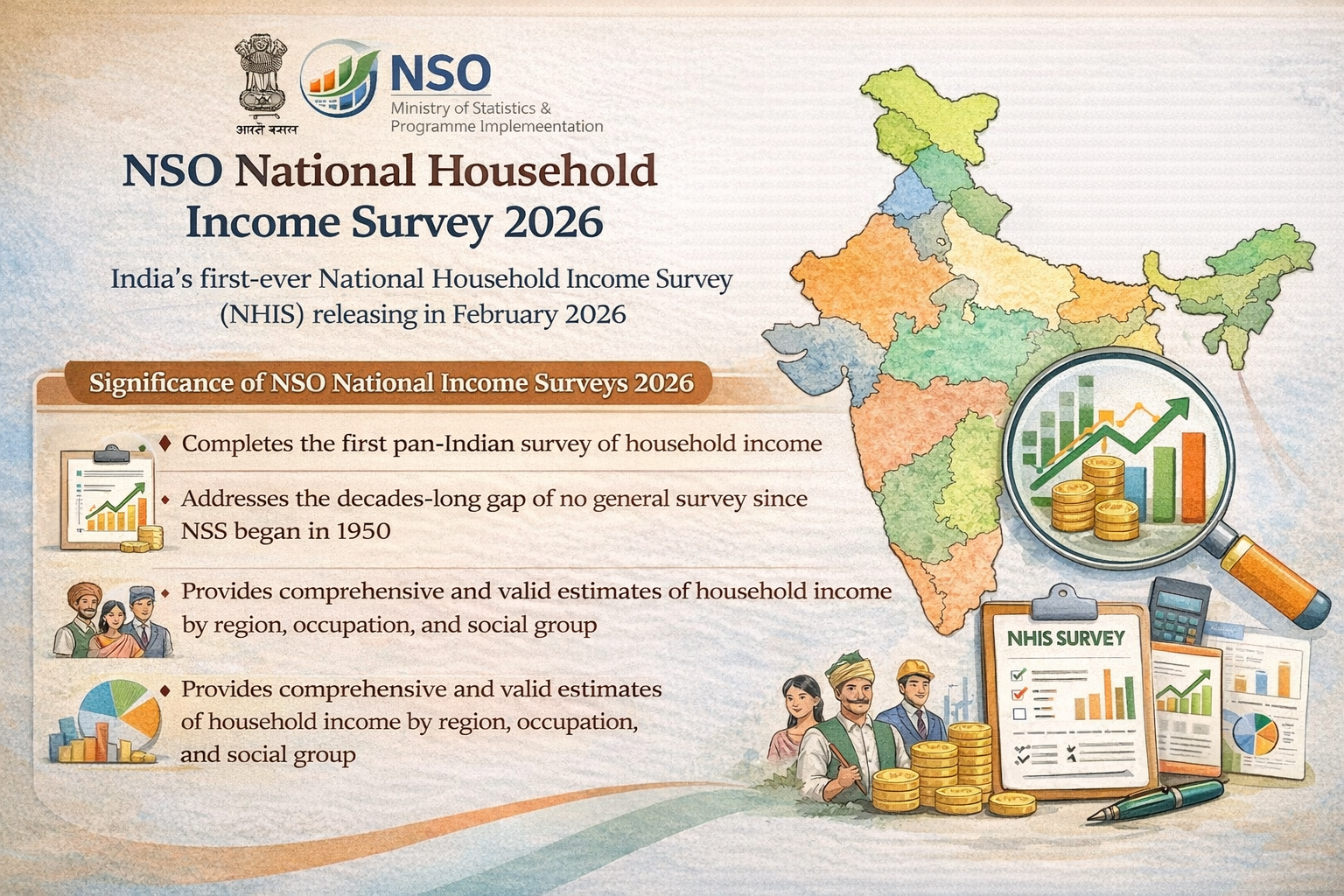
The National Statistics Office (NSO) under the Ministry of Statistics and Programme Implementation (MoSPI) is planning to release India's first-ever National Household Income Survey (NHIS) in February 2026. This survey will produce the first pan-Indian household income and living conditions statistics and associated socio-economic variables to fill long-term gaps in official statistical data. It will facilitate evidence-based policymaking and offer credible information about income trends among regions and groups. The NHIS is a significant leap in empowering the statistical system of India and enlightening economic planning in the future.

Significance of NSO National Income Surveys 2026

  • The National Household Income Survey (NHIS) 2026 will become the first pan-Indian survey of household income dedicated solely to the measurement of household income, as a long-running gap in the Indian statistical system.

  • It deals with the fact that a general national distribution of household incomes survey does not exist despite the decades of household data collection by the National Sample Survey (NSS) since 1950.

  • NHIS will yield comprehensive and valid estimates of overall household income, which will facilitate the correct analysis of patterns of income in the regions, in occupations and among social groups.

  • Data collected by the survey will be utilised in policy-making and promote evidence-based policymaking, which will assist the government in reviewing and adjusting welfare programmes and fiscal interventions to the real-life income situation.

  • The outcomes will be in the form of improved measurement of poverty and inequality, the enabling of more accurate targeting of the social support, and the empowerment of socio-economic planning.

  • The data of NHIS will be employed to narrow down consumer price indices and develop better preparation of National Accounts Statistics, which enhances the quality and credibility of economic indicators.

  • Through harmonising the statistical system of India with the international standards, the survey contributes to the international comparability of income data.

  • The economic research, policy formulation and planning at the national, state and district levels are informed by the survey.

  • NHIS will enable easier tracking of the trend of income growth and will contribute towards the realisation of the effectiveness of the government schemes.

  • It also boosts accountability and transparency, ensuring that official income statistics are stronger and more open.

Important Previous Year Questions of National Income

Exam Question Asked Answer
SSC MTS In national income accounting, what is Gross Domestic Product (GDP)?
Options: value of export / value within borders / government income / total savings
Value of all goods and services produced within a country’s borders during a specific period.
SSC CGL Tier-I Which of the following is a correct statement?
1) National income is GNP at factor cost
2) National Income is NDP at market price
3) National Income is GDP at market price
4) National Income is NNP at factor cost
Option 4 — National Income is NNP at factor cost.
UPSC CSE Prelims The national income of a country for a given period is equal to:
1) Total value of goods/services by nationals
2) Sum of total expenditure
3) Sum of personal incomes
4) Money value of final goods & services produced
Money value of final goods and services produced.
UPSSSC / SSC The National Income Committee in India was formed in which year?
A) 1947 B) 1949 C) 1951 D) 1954
1949 — Formed post-independence.
SSC Who was the chairman of the first National Income Committee formed in 1949? P.C. Mahalanobis.
UPSSSC Who made the first estimate of India’s national income? Dadabhai Naoroji (1867-68).
UPSSSC / SSC Who made the first scientific estimate of national income in India? Dr V. K. R. V. Rao (1931-32).
SSC The list of subjects which may be entrusted to local bodies is given in which schedule?
A) Eleventh Schedule B) Twelfth Schedule C) Seventh Schedule D) State List
Eleventh Schedule.

Conclusion (NSO National Income Surveys 2026)

The NSO National Income Surveys 2026 can be considered an important step towards the empowerment of the Indian economic data ecosystem. These surveys can give an exact, prompt, and thorough understanding of the income, production, and expenses of the country. They can aid the evidence-based decisions about policies, ameliorate planning, and increase transparency and are beneficial to researchers, policy makers and even citizens.

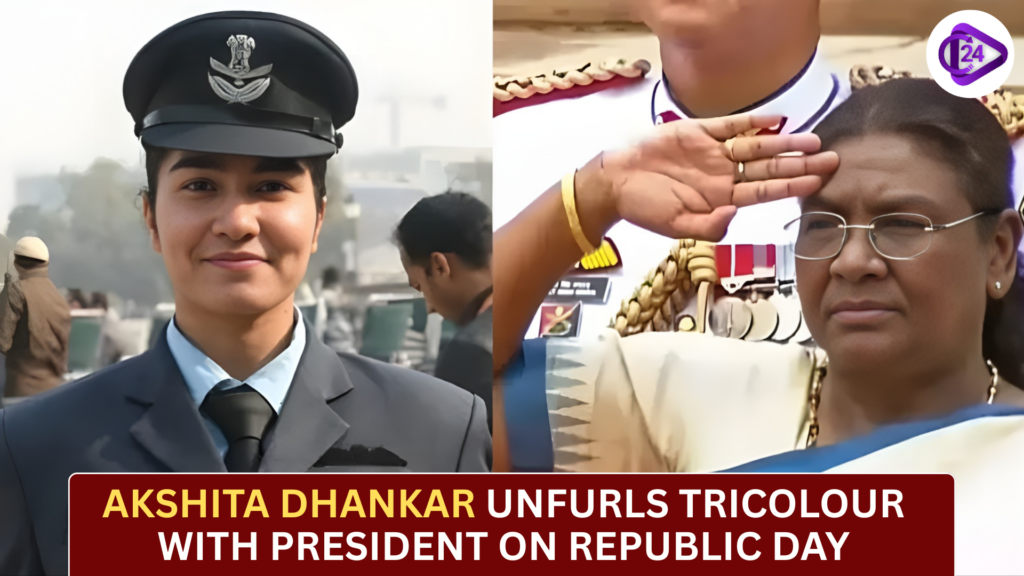
Akshita Dhankar Hoists Tricolour with President on Republic Day 2026

In Republic Day 2026, the headline was dominated by the Indian Air Force Flight Lieutenant Akshita Dhankar unfurling the national Tricolour to open the 77 th Republic Day parade at Kartavya Path in New Delhi in the company of President Droupadi Murmu. This is a rare ceremonial award of honour, which shows her commitment, discipline, and control as an IAF officer. Dhankar does have a serious dedication to service, as seen in her life path as a woman of a Haryana village through NCC training to commissioning. The fact that she is part of the team also represents the increasing role of women in the military and a significant national pride at the flagship Indian Republic Day parade.

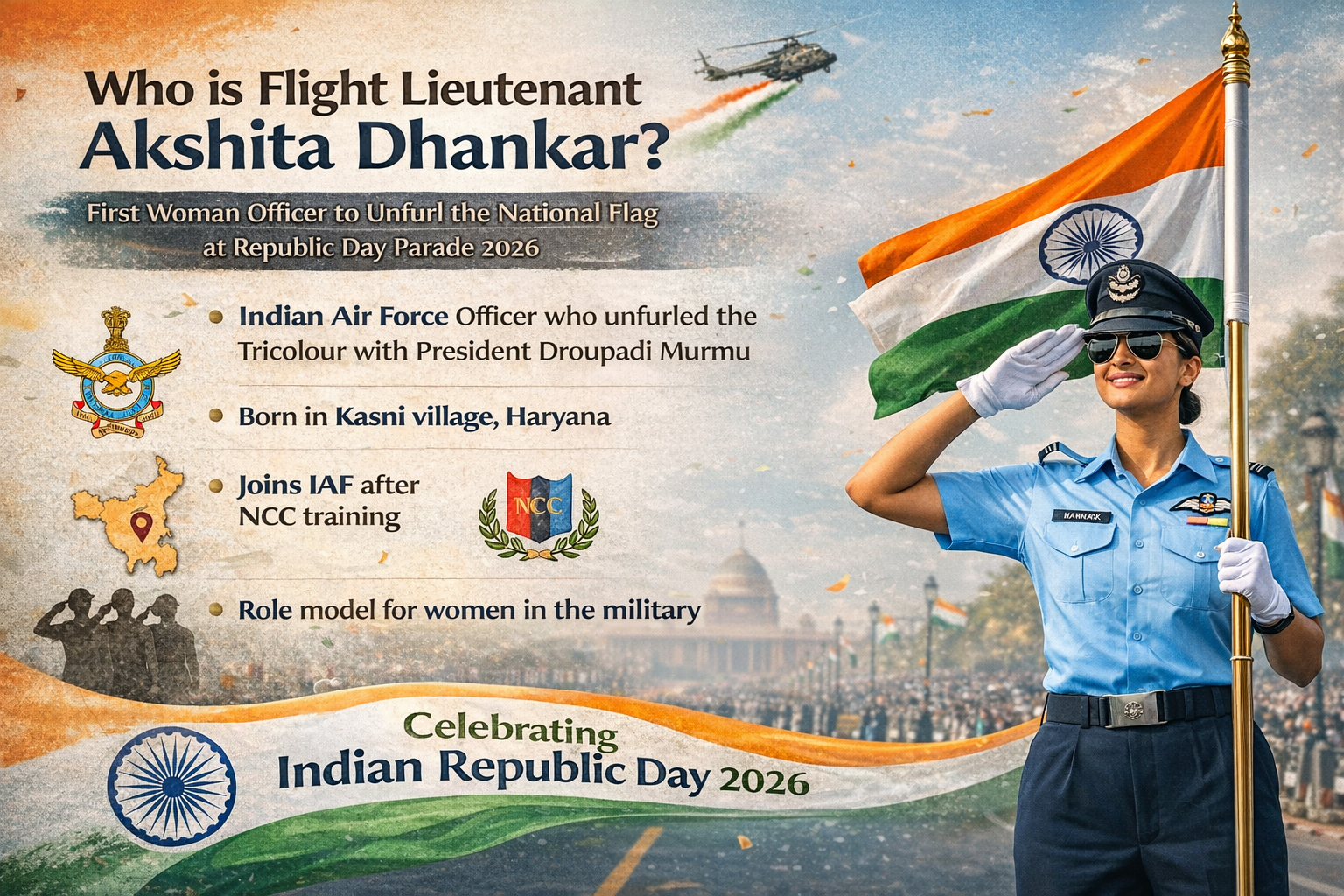
Who is Akshita Dhankar?

  • Akshita Dhankar is an Indian Air Force officer who unfurled the national Tricolour together with President Droupadi Murmu during the parade on the Independence Day of the 77 th Republic of India.

  • She was born in Kasni village, Haryana, which is a military tradition area.

  • Through this, she exhibited the leadership trait at an early age, as Dhankar enrolled at Sri Guru Tegh Bahadur Khalsa College, University of Delhi, having joined the National Cadet Corps (NCC) and later becoming Cadet Sergeant Major.

  • She passed the Air Force Common Admission Test (AFCAT) and became a Flying Officer in June 2023.

  • She rose to the rank of flight lieutenant through merit and works in the IAF Administration branch.

Last Years of PYQs Asked of the Air Force

Exam / Paper Question Answer
AFCAT (GK) Who was the first Indian Air Chief to command the Indian Air Force? Subroto Mukerjee
AFCAT (GK) Consider: (I) IAF established on 8 Oct 1932, (II) First Indian Chief took charge on 1 Apr 1954. Which is correct? Both I & II are true
Air Force / Agniveer In which year was the Indian Air Force established? 1932
SSC CGL Tier-I Flying Officer of the Indian Air Force who became the first Indian woman to fly solo in a MiG-21? Avani Chaturvedi
SSC / Bank / Railway GK On which day is Indian Air Force Day celebrated every year? 8 October
SSC / Bank / Railway GK Which was the first operational squadron of the Indian Air Force? No. 1 Squadron
SSC / Bank / Railway GK What prefix was conferred on the Indian Air Force in recognition of World War II service? Royal
SSC / Bank / Railway GK Which officer was the first five-star rank holder of the Indian Air Force? Arjan Singh
SSC / Bank / Railway GK Where is the Indian Air Force Academy located? Hyderabad

Conclusion (Akshita Dhankar Hoists Tricolour with President)

The hoisting of the Tricolour by Flight Lieutenant Akshita Dhankar with President Droupadi Murmu on Republic Day 2026 is a historic and inspirational one. Her accomplishment not only puts women in the limelight of the Indian Armed Forces but also illustrates discipline and leadership, and it is a beacon of national pride, coming out to the generations to come and giving them the hope they need in serving the country.

Neolithic Relics Found at Lakkundi Excavation in Karnataka

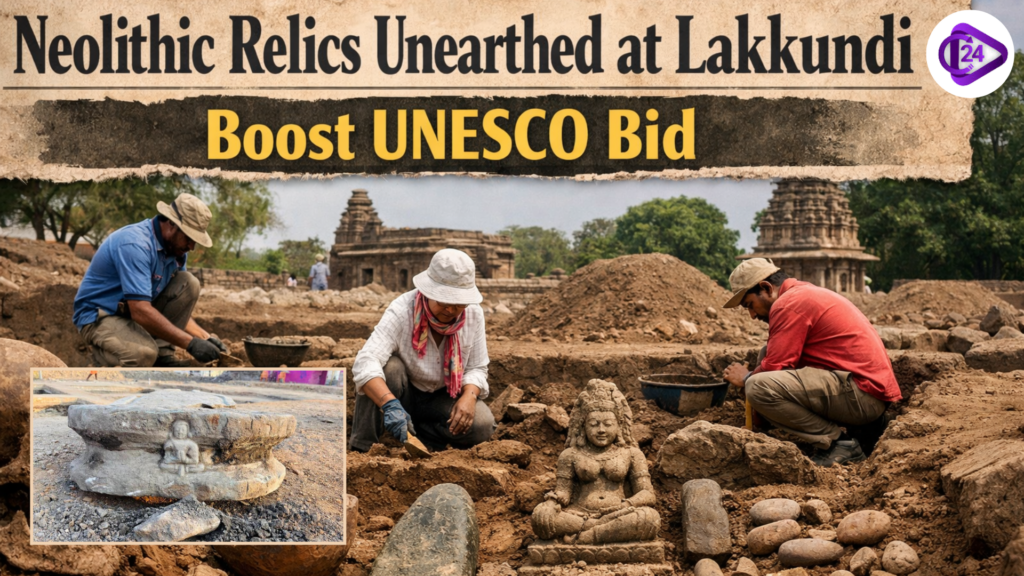
Neolithic relics at Lakkundi village in the Gadag district of Karnataka, through recent archaeological excavations, point to the early antiqueness of the site. These finds were found around the Kote Veerabhadeshwara Temple, highlighting the layer-cake cultural history of Lakkundi on top of its notorious medieval culture. The uncovered Neolithic artefacts are not only helpful to reinforce the argument about the prehistoric importance of the region, but they can also be used to expand the general understanding of the early settlements in southern India. The continuing research is still trying to find something that can be added to the knowledge on the ancient life in the subcontinent.

Lakkundi Excavation Unearths Neolithic Artifacts: Historical Importance

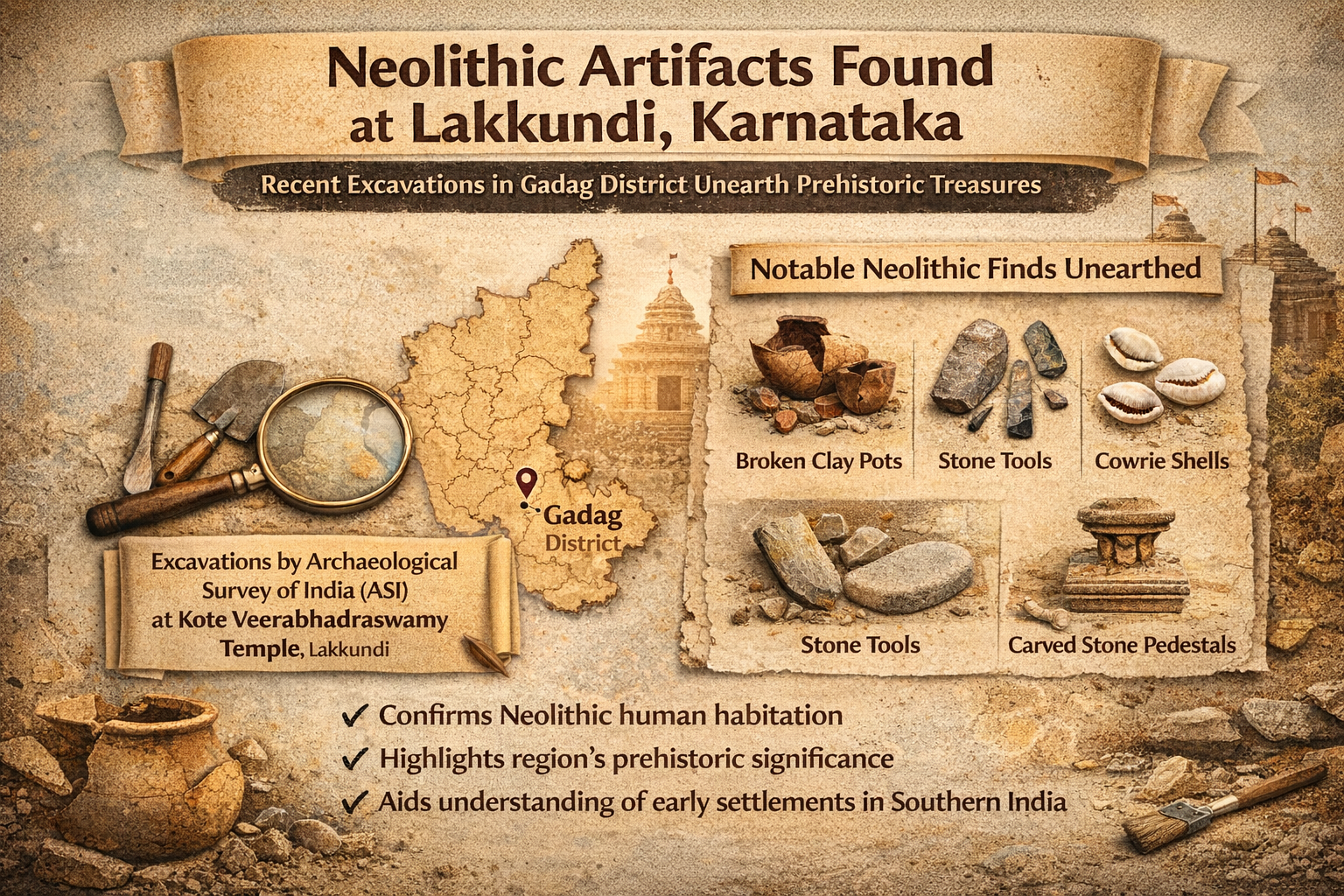
  • The Lakkundi archaeological excavation covered in the Gadag district, Karnataka, has revealed Neolithic period remains of broken clay pots, stone tools, cowrie shells and carved stone pedestals, which point to the existence of human habitation in the prehistoric period.

  • Such findings were found as a result of excavation under the tutelage of the Archaeological Survey of India (ASI) at the Kote Veerabhadraswamy Temple complex, where systematic excavation was carried out to a depth of approximately five feet.

  • The Neolithic artefacts indicate that the history of Lakkundi must rely on the already established medieval structures, but it should have been due to the existence of previously established people in the area.

  • This provides an important period to the long history of Lakkundi, as the period between the prehistoric and later status as a leading place of occupation by the Chalukya, Rashtrakuta and Hoysala dynasties, as evidenced by inscriptions and temples.

  • The discoveries enhance the argument of Karnataka to be included in the UNESCO World Heritage List since a lot more than the medieval structures are revealed to the world through the findings, which represent a further intricate layer of the human presence and operation.

  • Artefacts discovered are under investigation and conservation that will lead to a larger insight into incipient life, the habitation and culture development in southern India.

  • The findings make Lakkundi a key location in an anthropocentrally continuous human habitation that can be of great use in the work of historians, archaeologists, and even scholars explaining the prehistoric and medieval transitions in India.

  • The excavation has helped to raise the profile of the rich archaeological heritage of Karnataka and has led to more research and to the preservation of other sites, such as Lakkundi.

Best Previous Year Questions for the Neolithic Age

Exam Year Question Answer
UPSC CSE Mains – History 2010 To what extent are archaeological materials useful in understanding the progress of Neolithic man in India? They help reconstruct the Neolithic economy, agriculture, tools, settlement and culture.
UPSC CSE Mains – History 2016 Delineate and account for the regional characteristics of the Neolithic period in India. Regional traits include Burzahom pit dwellings, Koldihwa rice farming and southern pastoral-agricultural evidence.
UPSC CSE Mains – History 2023 “The Neolithic Age represents a revolution due to significant changes that took place during this period.” Examine. A shift to agriculture and domestication, polished tools and settled villages mark a civilisational revolution.
SSC CGL Various What significant changes marked the Neolithic Age? Introduction of pottery, agriculture and domestication of cattle.
SSC CGL Various What types of tools were used in the Neolithic Age? Polished stone tools such as celts and bone tools.
SSC / Bank / Railway GK Various In the Neolithic Age, human communities were mainly engaged in ______? Agriculture.
SSC / Bank / Railway GK Various Which is a Neolithic site? Burzahom or Mehrgarh.

Conclusion (Neolithic Relics Found at Lakkundi)

The Neolithic relics were found at Lakkundi, Karnataka, which is a testament to the prehistoric importance of this area, showing evidence of early human habitation, tools, and pottery. These facts help fill the void between the prehistoric and the medieval periods and develop our perception of ancient life, settlement systems, and cultural development. Lakkundi has now become one of the main archaeological sites.

Frequently Asked Questions (FAQs)

The current affairs cover recent national and international events related to UPSC, SSC, Banking, Railways, and State PCS.

You need to read about the current affairs daily, and revise them every week and every month to keep them longer in your memory.

Yes, Class24 provides free downloadable Daily Current Affairs PDFs for easy revision.

Yes, you can practice MCQs and quizzes to boost your exam preparation.

Absolutely. The content is written in simple, easy-to-understand bilingual language suitable for beginners.

Go to class24.com and click on the current affairs section directly, where you find everything that you need.

ssc-toppers

Start Learning Today with Class24

Related current affairs

Class24 offers free video lectures for smart preparation, covering CGL, CPO, CHSL, MTS, and GD exams. Learn from expert faculty, revise concepts easily, practice with PYQs, and improve speed and accuracy through high-quality, exam-focused video lessons anytime, anywhere.

Get success in your hand. Start study anytime anywhere.

The journey becomes simple and enjoyable when you start taking interest in it. And through our app “Class24”, we will be your trusted partners in developing that interest.

Daily Quizzes
Mock Tests
Ongoing

No ongoing tests right now.