

Day: September 23, 2025

India and Morocco Sign MoU to Boost Defence Cooperation

India and Morocco have signed a Memorandum of Understanding (MoU) on defence cooperation in Rabat, marking a key step in strengthening the strategic alliance between the two countries. The MoU is aimed at fostering collaboration in various defence-related sectors. It covers areas like joint training, counter-terrorism, maritime security, and cyber defence, reflecting a shared commitment to regional peace and stability. This agreement also highlights India’s growing role in global defence diplomacy, particularly in strengthening ties with North African nations.

About the India-Morocco Defence Cooperation MoU:

  • Objective:
    The MoU establishes a robust institutional framework for deepening bilateral defence ties between India and Morocco. The agreement focuses on defence industry cooperation, joint exercises, military training, and capacity building.

  • Key Areas of Cooperation:

    • Counter-Terrorism

    • Maritime Security

    • Cyber Defence

    • Peacekeeping Operations

    • Military Medicine

    • Expert Exchanges

  • Bilateral Meeting:
    The MoU was signed after a bilateral meeting between India's Defence Minister Rajnath Singh and Morocco's Defence Minister Abdeltif Loudiyi. Both leaders discussed various aspects of the cooperation and outlined plans for future initiatives.

  • Defence Wing in Rabat:
    As part of the MoU, India also announced the opening of a new Defence Wing at the Embassy of India in Rabat. This initiative aims to give further momentum to defence cooperation and enhance institutional support for defence ties.

  • Highlighting India's Defence Capabilities:
    During the discussions, Defence Minister Rajnath Singh emphasized India's defence industry maturity, showcasing India’s advanced capabilities in areas like drones and counter-drone systems, which are well-suited to support Morocco’s defence needs.

  • Co-Development and Co-Production:
    Both countries agreed to explore opportunities for co-development and co-production of defence technologies, alongside specialized training programmes and armed forces exchanges.

  • Multilateral Cooperation:
    The leaders also stressed the importance of multilateral cooperation in addressing regional and global security challenges, with a focus on maritime security in both the Indian Ocean and Atlantic corridors.

Significance for India and Morocco:

  • Strategic Partnership:
    This MoU is a significant milestone in India-Morocco relations, reinforcing the strategic convergence between the two nations. It highlights their commitment to fostering long-term defence collaboration and regional stability.

  • Enhanced Security Cooperation:
    The agreement sets the stage for deeper defence exchanges, joint training programs, and closer collaboration in security areas such as cyber defence, maritime security, and counter-terrorism.

  • Strengthening India's Global Defence Presence:
    The establishment of the Defence Wing in Rabat is indicative of India’s growing presence in North Africa and its role as a key player in global defence cooperation.

Next Steps:

  • Invitation to Visit India:
    The Indian Defence Minister extended an invitation to Moroccan Defence Minister Abdeltif Loudiyi to visit India for further discussions on the implementation of the MoU and to explore additional areas for cooperation.

  • Future Prospects:
    This agreement lays the groundwork for further multilateral security coordination, as well as increased trade and exchange in the defence sector.

Conclusion

The India-Morocco Defence Cooperation MoU marks a pivotal moment in strengthening the defence ties between the two countries. By enhancing collaboration in defence technologies, training, and security, this agreement sets the stage for a strategic partnership that will contribute to the peace and stability of the region and beyond.

Clean Plant Programme: India’s Step Towards Disease-Free Horticulture

The Clean Plant Programme (CPP), conceptualized by the Ministry of Agriculture & Farmers Welfare in collaboration with the Asian Development Bank (ADB), is moving from vision to action. This initiative aims at providing virus-free, healthy planting material for key fruit crops, ensuring better quality yields and enhancing farmer income opportunities. Several field-level initiatives are underway, including nursery certification, training for authorities, crop-specific diagnostic protocols, and funding guidelines.

Key Features of CPP:

  • For Farmers:

    • Access to Virus-Free Planting Material: Farmers benefit from access to high-quality, virus-free planting material, enhancing crop yields and improving income opportunities.

  • For Nurseries:

    • Certification and Support: Streamlined nursery certification processes, along with infrastructure support, enable nurseries to propagate clean planting material effectively, promoting sustainability.

  • For Consumers:

    • Superior Produce: The initiative results in virus-free produce, improving the taste, appearance, and nutritional value of fruits available to consumers.

  • For Exports:

    • Boosting Global Position: CPP strengthens India’s position as a leading global exporter by focusing on disease-free, high-quality fruits that are in demand worldwide.

  • For Equity and Inclusivity:

    • Affordable Access for All Farmers: The programme ensures affordable access to clean planting materials for all farmers, supports women’s participation through training and resources, and develops region-specific varieties suited to India’s diverse agro-climatic conditions.

Importance of CPP:

  • Boosting the Horticultural Sector: CPP is set to bolster India’s horticulture sector, aligning with Mission LiFE (Lifestyle for Environment) and the One Health initiatives to promote sustainable and eco-friendly agricultural practices.

  • Climate Change Adaptation: The programme also helps farmers adapt to climate change by addressing rising temperatures, which influence pest and disease behavior. Plant health management through the use of disease-free planting material is key in adapting to climate challenges.

  • Complementing MIDH: The CPP complements the Mission for Integrated Development of Horticulture (MIDH), a centrally sponsored scheme launched in 2014-15 for the holistic growth of the horticulture sector.

Concerns:

  • Climate Change and Plant Diseases: Climate change and plant diseases, especially those caused by viruses, remain significant threats to agricultural productivity. These threats reduce crop yield, quality, and lifespan and are challenging to manage once symptoms appear.

  • Effective Solutions: Using disease-free planting materials is considered the most effective solution to combat these challenges and ensure better crop yield and longevity.

Way Forward:

The Clean Plant Programme (CPP) is steadily progressing, with various initiatives already in place and more planned to extend its impact. The next steps for the programme include:

  • Broader Consultations: Expanding consultations with nurseries for certification.

  • Training and Capacity Building: Development of training modules for relevant authorities to enhance their capacity to implement the programme effectively.

  • Diagnostic Protocols: Establishing hazard analysis protocols for citrus crops and diagnostic protocols for crops such as mango, guava, litchi, avocado, and dragon fruit.

Conclusion

The CPP is a critical initiative for improving the health of India's horticultural sector and ensuring the production of high-quality, disease-free crops. It will play a pivotal role in increasing agricultural productivity, enhancing food security, and contributing to the global market through sustainable farming practices.

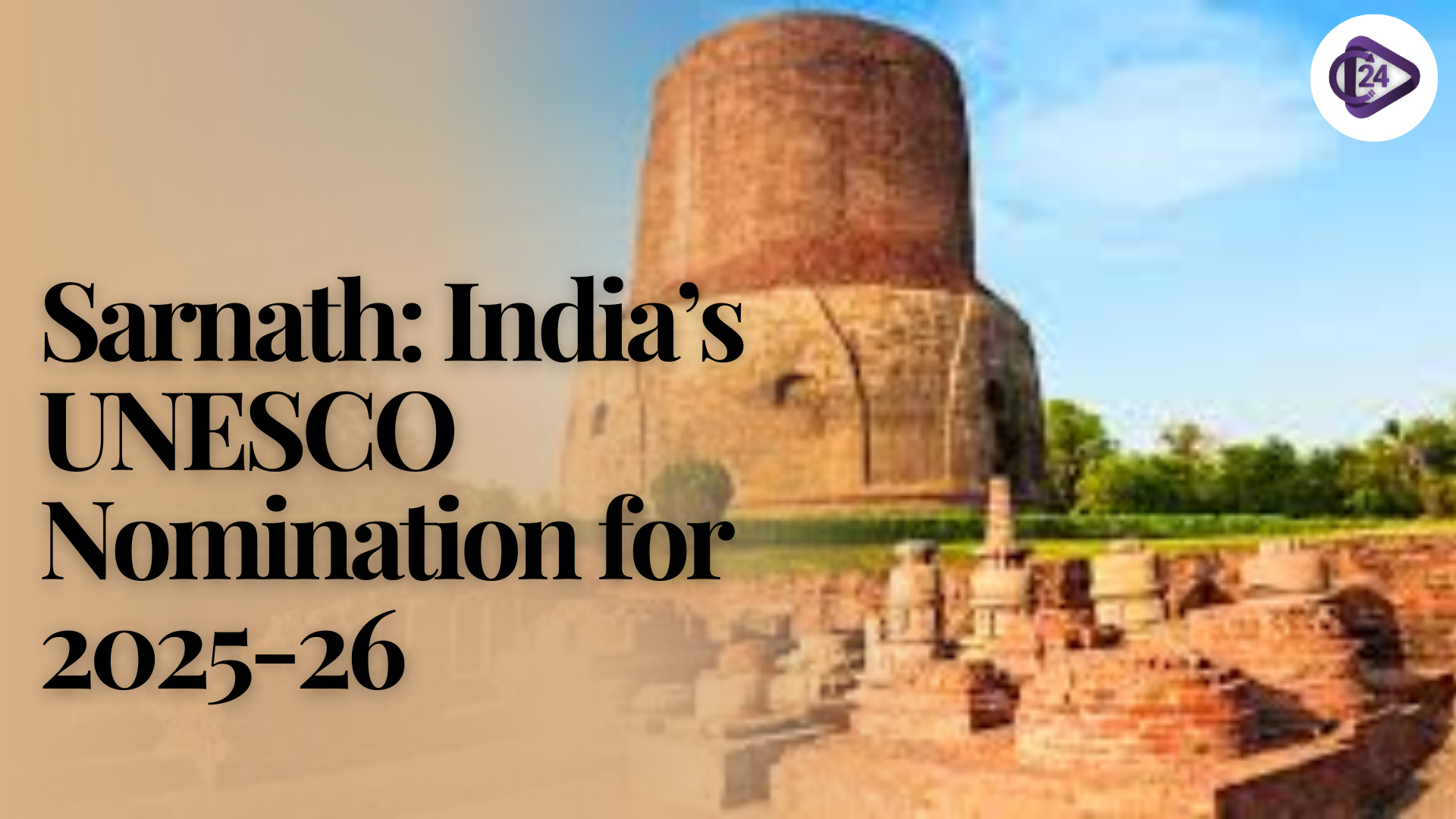
Sarnath Nominated for UNESCO World Heritage List 2025-26

India has officially nominated Sarnath for inclusion in the UNESCO World Heritage List for the 2025-26 cycle, ending a 27-year wait on the tentative list. The Archaeological Survey of India (ASI) will also install a corrected plaque crediting Babu Jagat Singh (1787-88), a local ruler, for the rediscovery of the site, rather than the British, ahead of the UNESCO team’s visit.


About Sarnath

  • Historical and Religious Significance:

    • Buddhist Pilgrimage Site: Sarnath is one of the most important Buddhist pilgrimage destinations in the world. It is the site where Gautama Buddha delivered his first sermon around 528 BCE, marking the beginning of his teachings on the Middle Way and the Four Noble Truths.

    • Formation of the Buddhist Sangha: It is also where the Buddhist Sangha (community) was first formed.

    • Ancient Names: Sarnath was historically known as Mrigadava (Deer Park) or Rishipatana.

  • Monuments and Contributions:

    • Emperor Ashoka's Lion Capital Pillar: Emperor Ashoka (268-232 BCE) erected the famous Lion Capital Pillar at Sarnath, which now serves as India's national emblem. He also commissioned significant monastic structures, including the Dhamek Stupa, marking the spot where Buddha delivered his first sermon.

    • Patronage by Later Dynasties: The Kushanas (1st-4th century CE) and Guptas (3rd-6th century CE) continued to expand and patronize the site, ensuring its prominence.

  • Decline and Destruction:

    • 12th Century CE Decline: Sarnath flourished as a monastic center until the 12th century CE, after which it was destroyed and abandoned due to invasions by Qutb-ud-din Aibak (1193 CE) during Muhammad Ghor’s campaign. This resulted in the sacking of temples and monasteries, marking the beginning of its decline.

    • 13th Century Ruins: By the 13th century, Sarnath lay in ruins, coinciding with the overall decline of Buddhism in India.

  • Rediscovery and Modern Excavations:

    • Rediscovery in 1787-88: The site was rediscovered when workers under Jagat Singh, Diwan of Raja Chait Singh of Benares, unearthed Buddhist relics while digging for construction materials.

    • 1799 Attention: The site gained wider attention in 1799 after Jonathan Duncan, an indologist and founder of the Sanskrit College at Varanasi, described the discoveries in his writings, spurring further interest among British scholars.

    • Excavations by Alexander Cunningham (1835-36): The Archaeological Survey of India (ASI), founded by Alexander Cunningham, carried out excavations that confirmed Sarnath as the site of Buddha’s first sermon.

    • 1904-05 Excavations: The most significant excavations took place in 1904-05, unearthing over 470 relics and 41 inscriptions, which shaped the site's archaeological identity.

  • Contemporary Significance:

    • Pilgrimage Site: Sarnath is now regarded as one of the four holiest Buddhist pilgrimage sites, alongside Lumbini, Bodh Gaya, and Kushinagara.

    • Visitor Data: According to ASI, over 8.43 lakh visitors visited Sarnath in 2024-25, showcasing its continued global significance.

  • UNESCO Nomination:

    • India’s nomination of Sarnath to the UNESCO World Heritage List underscores the country's commitment to preserving and promoting its Buddhist heritage on the world stage. The inclusion would further elevate Sarnath's status as a major global pilgrimage and cultural site.


Significance of the Nomination:

  • Cultural Heritage Preservation: The UNESCO nomination of Sarnath is a step toward ensuring the preservation of the site’s rich Buddhist heritage and making it accessible to a global audience.

  • Tourism & Awareness: Being recognized by UNESCO will enhance Sarnath’s international reputation, attracting more pilgrims and tourists, contributing to the cultural exchange and promoting historical education.


Conclusion

India’s nomination of Sarnath for the UNESCO World Heritage List is a monumental step in preserving the country’s Buddhist heritage. The site's historical and religious significance, coupled with its modern-day role as a global pilgrimage destination, makes it a fitting candidate for global recognition. This move not only honors the legacy of Gautama Buddha and his teachings but also promotes cultural tourism and historical education, ensuring that Sarnath remains a key landmark in India’s rich heritage. The inclusion of Sarnath in the UNESCO list will enhance India's efforts to protect and showcase its ancient traditions on the world stage, making it an essential part of global cultural heritage.

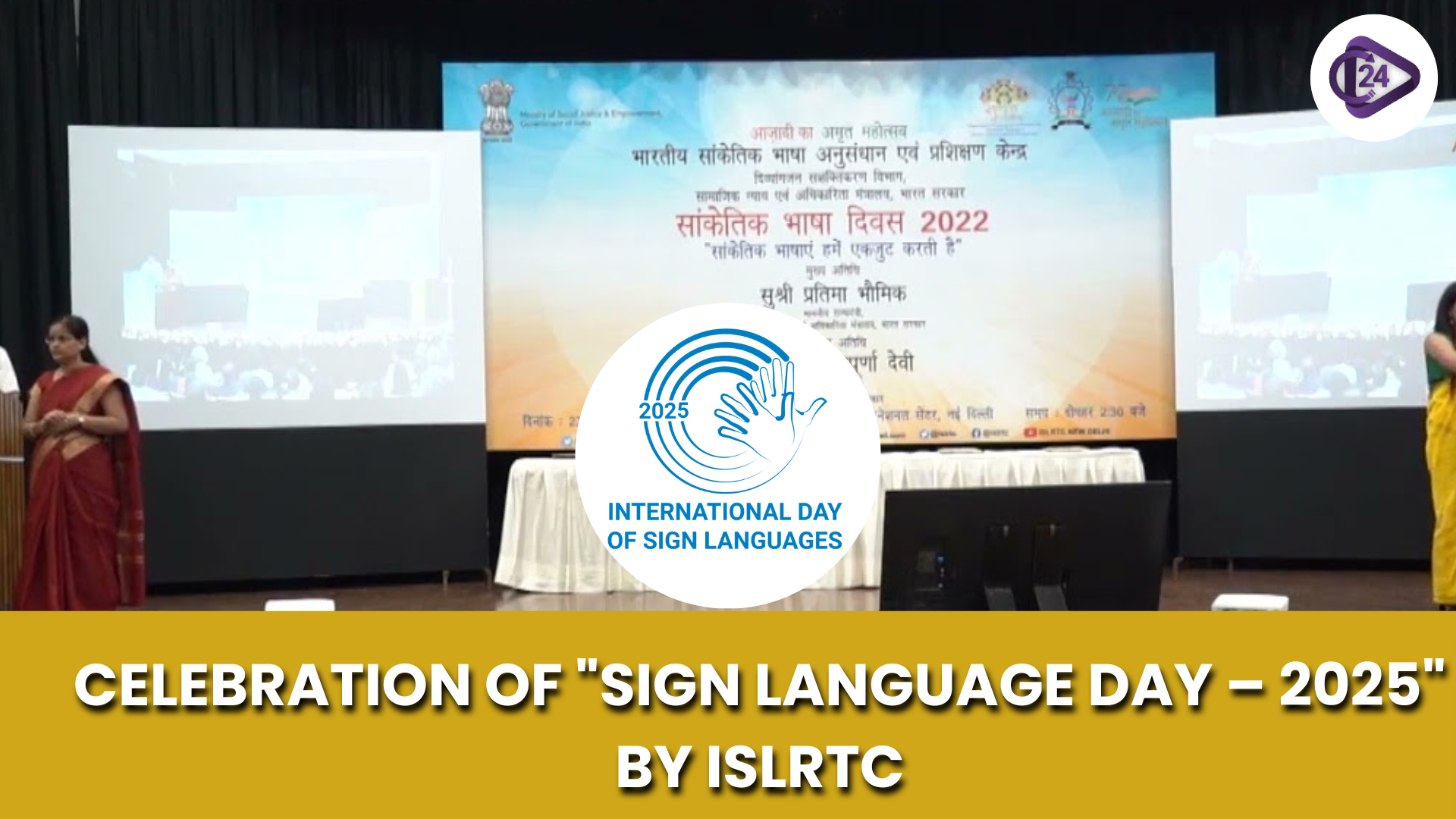
Sign Language Day 2025: ISLRTC Launches Key Initiatives for Deaf Inclusion

The Indian Sign Language Research and Training Centre (ISLRTC), an autonomous body under the Department of Empowerment of Persons with Disabilities (DEPwD), Ministry of Social Justice and Empowerment (MoSJE), Government of India, is organizing a special program to celebrate "Sign Language Day – 2025" on September 23, 2025, at the Dr. Ambedkar International Centre (DAIC), Janpath, New Delhi. This occasion will align with the United Nations General Assembly’s declaration of 23rd September as International Day of Sign Languages, aimed at raising awareness about the significance of sign language in ensuring the human rights of people who are Deaf.

This year’s theme is “No Human Rights Without Sign Language Rights”, underscoring the importance of sign language in securing equality, inclusion, and dignity for the Deaf community.

Key Event Details:

  • Date: 23rd September 2025

  • Time: 11:00 AM to 01:00 PM

  • Location: Dr. Ambedkar International Centre (DAIC), Janpath, New Delhi

The event will be graced by Dr. Virendra Kumar, Hon’ble Union Minister for Social Justice and Empowerment, as the Chief Guest, with Shri B. L. Verma, Hon’ble Minister of State, joining as the Guest of Honour. Shri Rajesh Aggarwal, Secretary, DEPwD, along with other senior officials from MoSJE, will also participate. Representatives from national organizations of the Deaf, educators, researchers, students, and stakeholders will attend the event.

Launch of Key Initiatives:

  • ISLRTC Bi-Annual Newsletter: A platform for sharing research, training, and community achievements.

  • Post Graduate Diploma Courses (PGDISLI & PGDTISL): Courses designed to train expert teachers and interpreters.

  • Six-Month Online ISL Training Programme: Nationwide, accessible program bridging urban-rural gaps.

  • Teaching-Learning Material for DISLI and DTISL Courses: Standardized, high-quality study resources for students.

  • 100 STEM Terms in ISL: Promoting a better understanding of advanced science and technology subjects.

  • English Language Teaching Programme (with TEACH): A program to improve English proficiency and employability.

  • 3,189 ISL e-Content Videos: The largest digital repository of ISL resources for learners and teachers.

  • ISL Integration with "Project Inclusion App": Promoting inclusive education in mainstream classrooms.

  • ISL Version of 18 NBT Books: To enhance access to literature and knowledge for Deaf children and youth.

Additionally, winners of the 8th National Indian Sign Language Competition, 2025 will be felicitated during the program. This competition included participation from schools nationwide and was held across 13 categories.

Cultural Performances:
The event will feature cultural performances by Deaf students, including song interpretation, mime, and group dance, as the main attractions of the program.

Significance and Impact:

  • These initiatives are aimed at creating new opportunities for education, skill development, and employment for the Deaf community.

  • Emphasis on digital learning resources and innovative approaches will significantly boost accessibility, awareness, and inclusion in line with the Hon'ble Prime Minister's vision of an “Inclusive India.”

  • The program seeks to strengthen the message that sign language is an essential pillar of human rights and inclusion.

Conclusion

The celebration of Sign Language Day – 2025 by ISLRTC highlights the importance of sign language in empowering the Deaf community and ensuring their rightful place in society. Through key initiatives like training programs, digital resources, and inclusive policies, India is moving towards a more accessible, inclusive, and equitable society for all its citizens, regardless of their hearing ability. The continued focus on innovation and digital learning will help bridge gaps and promote inclusivity, truly embodying the spirit of an inclusive India.

System for Pension Administration – Raksha (SPARSH)

The System for Pension Administration – Raksha (SPARSH) has successfully addressed longstanding issues related to defence pension administration, significantly improving the efficiency and transparency of the process. It has reduced the time for grievance redressal and resolved legacy discrepancies, benefiting a large number of pensioners across India and Nepal. By integrating modern technology, SPARSH has streamlined pension distribution, ensured quicker resolutions, and created a more reliable support system for ex-servicemen. This initiative marks a major shift toward digital governance, strengthening trust between the government and defence pensioners.

About SPARSH:

  • Legacy Discrepancy Resolution:
    SPARSH has resolved 87% of legacy discrepancies, amounting to 5.60 lakh out of 6.43 lakh cases, ensuring the protection of entitlements for defence pensioners.

  • Grievance Redressal:
    The system has strengthened grievance redressal mechanisms, reducing the average disposal time from 56 days in April 2025 to just 20 days as of September 2025.

  • Onboarding of Pensioners:
    A total of 31.54 lakh defence pensioners, both from India and Nepal, have been successfully onboarded on the SPARSH platform.

  • Outreach Programs and Events:
    More than 100 outreach events were held in the past year to facilitate pension-related awareness and resolution. So far, 211 SPARSH Outreach Programmes and 193 Raksha Pension Samadhan Ayojans (RPSAs) have been conducted. Additionally, the 13th and 14th All India Pension Adalats helped resolve 260 and 252 grievances, respectively.

  • Financial Disbursements and Scrutiny:
    In May 2025, ₹3.02 crore was disbursed to 48 pensioners following suo-moto scrutiny of pension cases. During the financial year 2024-25, a Defence Pension Budget of ₹1,57,681 crore was disbursed on a real-time basis.

  • One Rank One Pension (OROP) Implementation:
    In July 2024, when One Rank One Pension (OROP)-III was implemented, ₹1,224.76 crore was transferred to 20.17 lakh beneficiaries within just 15 days.

Significance of SPARSH:

  • World's Largest Pension System:
    SPARSH is recognized as the world’s largest pension system for defence personnel, transforming pension administration from a fragmented and delayed system to a more integrated and efficient model.

  • Inclusive and Transparent Governance:
    It has created a transparent, inclusive, and efficient model of governance, ensuring that pensioners' entitlements are met with dignity.

  • Widespread Service Network:
    The system operates through 202 Defence Accounts Department (DAD) offices, 4.63 lakh Common Service Centers, and over 5,200 bank branches functioning as SPARSH Service Centers across the country.

Conclusion

SPARSH has revolutionized the pension administration for defence personnel, not only resolving longstanding issues but also making the process more efficient and accessible. By leveraging technology, it has streamlined pension disbursement, improved grievance redressal times, and ensured timely payments, thus enhancing the overall well-being and dignity of defence pensioners.

World’s 1st Functioning AI-designed Viral Genome

Recently, researchers at Stanford University and the Arc Institute have successfully created the world’s first entirely AI-generated genome, marking a major breakthrough in synthetic biology. This new development demonstrates the potential of Artificial Intelligence (AI) in advancing the field of genomics. The achievement not only proves AI’s capability to design functional genomes but also opens new possibilities in medical research, biotechnology, and the fight against antibiotic resistance. It signifies a turning point where AI-driven discoveries could accelerate innovations in healthcare and life sciences.

About the AI-Generated Genome:

The AI model designed a bacteriophage genome, a virus capable of infecting and killing bacteria. While scientists have previously used AI to design individual proteins and small multi-gene systems, creating an entire genome from scratch is far more complex.

In simpler terms, the AI model learned the “language rules” of phage DNA and generated a new, never-before-seen genome that was functional in real-life applications.

How Was It Done?

  • The researchers used an AI model called Evo, specifically a genome “language model,” to design entirely new bacteriophage genomes.

  • Evo was trained on two million viral genomes, learning patterns of gene order and DNA composition.

  • The researchers guided the model to mimic phiX174, a small bacteriophage with just 11 genes and around 5,000 DNA letters—a long-established subject in molecular biology.

What Is a Virus?

  • A virus is an infectious microbe made up of a segment of nucleic acid (either DNA or RNA) surrounded by a protein coat called a capsid.

  • Viruses are not considered living organisms because they cannot carry out metabolic processes independently.

  • A virus cannot replicate on its own and must infect host cells to make copies of itself, often damaging or killing the host cell in the process.

  • Examples of viruses that cause human diseases include AIDS, COVID-19, measles, and smallpox.

What Is a Genome?

  • A genome refers to the entire set of DNA instructions found within a cell.

  • In humans, the genome includes 23 pairs of chromosomes located in the nucleus and a small chromosome in the mitochondria.

  • The genome contains all the information necessary for an organism to develop, function, and reproduce.

Key Takeaways:

  • Unlike previous approaches that involved tweaking a few DNA letters, AI created an entire genome from scratch.

  • The DNA sequences created by AI were distinctly different from any natural bacteriophage but were still functional.

  • This breakthrough has significant potential for phage therapy, which uses viruses to combat antibiotic-resistant bacteria.

Significance:

  • This advancement goes beyond just sequencing or synthesizing existing genomes; it demonstrates that scientists can now design new, functional genomes using AI.

  • The ability to create diverse bacteriophages could greatly enhance phage therapy, making it more adaptable and effective in combating bacterial resistance.

As technology improves and costs decrease, there is potential to design more complex viral genomes, including phages targeting clinically significant pathogens.

Conclusion

The creation of the world’s first functioning AI-designed viral genome is a landmark achievement in biotechnology. It demonstrates how Artificial Intelligence can go beyond protein or gene-level design and generate entirely new, functional genomes. This development holds immense promise for phage therapy, especially in combating antibiotic-resistant bacteria. As AI models evolve, scientists may design even more complex viral genomes tailored for medical use. Ultimately, this breakthrough represents a significant step toward the future of synthetic biology and AI-driven healthcare innovations.

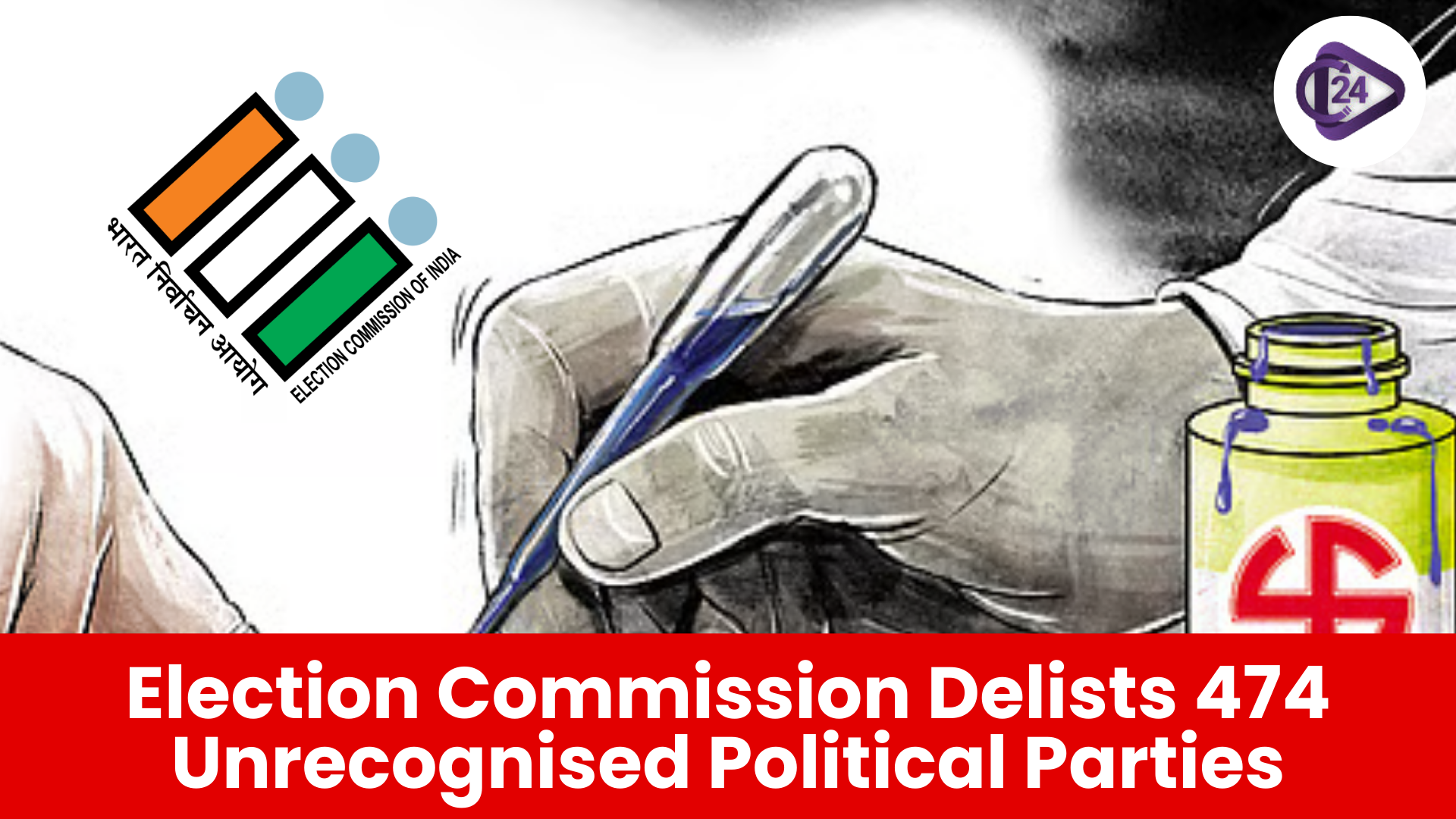
Election Commission Delists 474 Unrecognised Political Parties

On September 22, 2025, the Election Commission of India (ECI) announced the removal of 474 Registered Unrecognised Political Parties (RUPPs) from its list. These parties had failed to contest elections for the past six consecutive years. This decision is part of the ECI’s ongoing effort to streamline the political landscape and ensure the integrity of India’s electoral system. In total, 808 RUPPs have been removed in the last two months, reducing the number of registered unrecognised political parties to 2,046.

Key Points in Detail:

  1. Background on RUPPs and Registration:

    • Political parties in India must register with the Election Commission under Section 29A of the Representation of the People Act, 1951.

    • Registration provides several advantages, including election symbols and tax benefits. However, parties are required to fulfill responsibilities such as regular participation in elections and compliance with financial reporting requirements.

  2. Reasons for De-listing:

    • The primary reason for the removal of the 474 parties was non-participation in elections for six consecutive years.

    • Other reasons include failure to submit audited annual accounts for the financial years 2021-22, 2022-23, 2023-24 and not filing election expenditure reports, even if the parties had contested elections.

    • These issues violate ECI guidelines and undermine transparency and accountability within the political system.

  3. Process of De-listing:

    • Before a final decision is made, the Chief Electoral Officers (CEOs) of the relevant States and Union Territories issue show-cause notices to the concerned parties.

    • The parties are then given an opportunity to respond and present their case during hearings.

    • After reviewing the reports from the CEOs, the Election Commission makes the final decision on the removal of the parties from the register.

  4. Impact on the Political System:

    • The removal of inactive or non-compliant parties helps reduce the clutter in the electoral process.

    • It ensures that only serious and functioning parties benefit from registration privileges.

    • This action also promotes transparency in political funding and expenditure.

    • It enables voters and election administrators to focus on active political participants, enhancing the credibility of elections.

  5. Current Status and Future Actions:

    • With the recent de-listings, 2,046 RUPPs remain in the register.

    • 359 parties are currently under scrutiny for financial irregularities and non-compliance with reporting norms.

    • The Election Commission remains committed to ensuring a fair and accountable democratic process, continuing to monitor compliance closely.

Conclusion

The de-listing of 474 political parties is part of the Election Commission’s broader efforts to clean up the political system and ensure that only genuine, active parties benefit from registration privileges. By focusing on compliance and transparency, the ECI aims to strengthen India’s democracy and electoral integrity.

Frequently Asked Questions (FAQs)

The current affairs cover recent national and international events related to UPSC, SSC, Banking, Railways, and State PCS.

You need to read about the current affairs daily, and revise them every week and every month to keep them longer in your memory.

Yes, Class24 provides free downloadable Daily Current Affairs PDFs for easy revision.

Yes, you can practice MCQs and quizzes to boost your exam preparation.

Absolutely. The content is written in simple, easy-to-understand bilingual language suitable for beginners.

Go to class24.com and click on the current affairs section directly, where you find everything that you need.

ssc-toppers

Start Learning Today with Class24

Related current affairs

Class24 offers free video lectures for smart preparation, covering CGL, CPO, CHSL, MTS, and GD exams. Learn from expert faculty, revise concepts easily, practice with PYQs, and improve speed and accuracy through high-quality, exam-focused video lessons anytime, anywhere.

Get success in your hand. Start study anytime anywhere.

The journey becomes simple and enjoyable when you start taking interest in it. And through our app “Class24”, we will be your trusted partners in developing that interest.

Daily Quizzes
Mock Tests
Ongoing

No ongoing tests right now.