
Day: July 5, 2025

Russia’s Recognition of the Taliban Government: Implications for Global Diplomacy and Human Rights

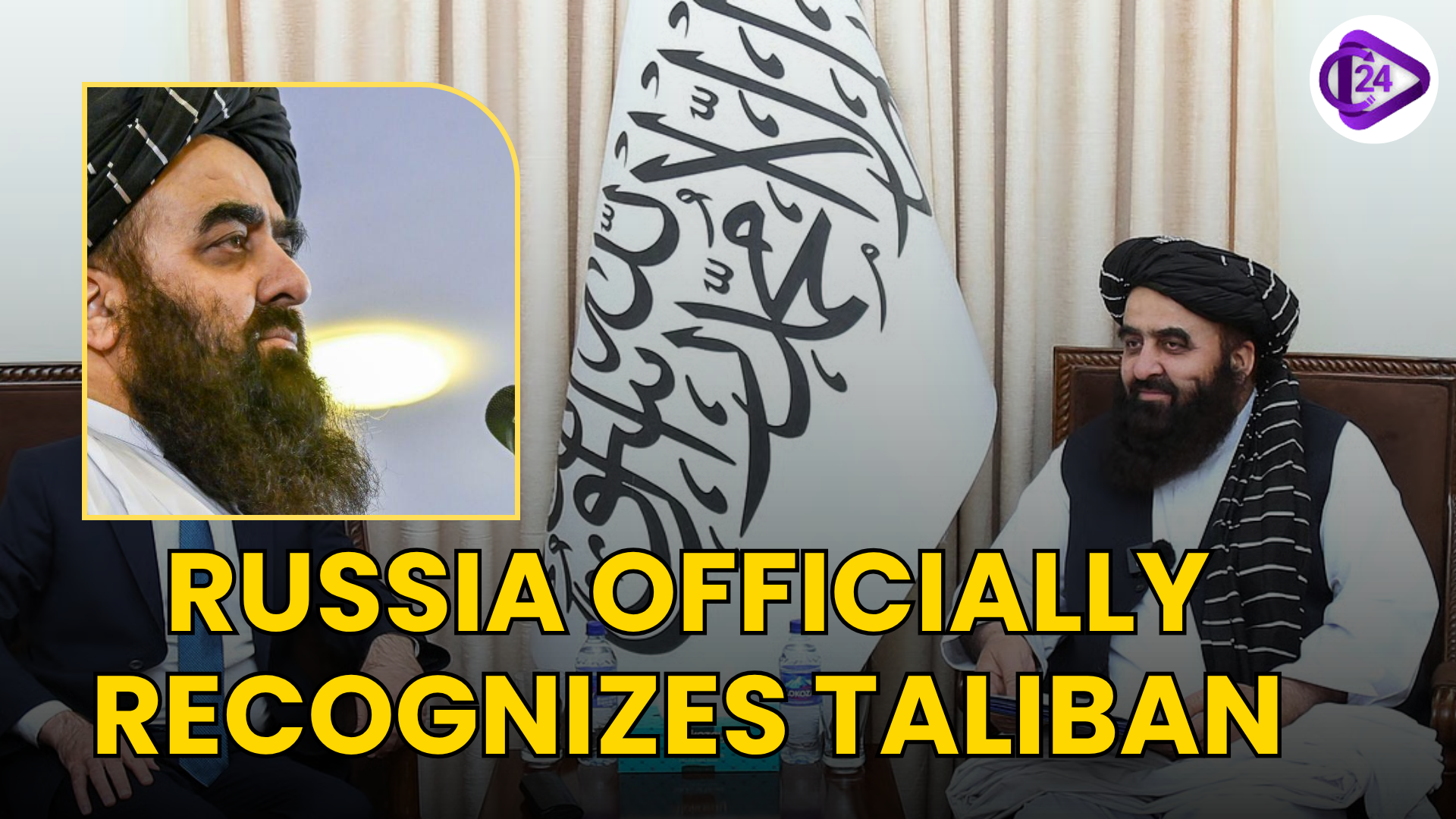
Russia is the first country to recognize the Taliban as the legal government of Afghanistan since the group came to power in 2021. Such a diplomatic change has been met with criticism especially with regard to atrocious human rights abuse and especially by the Taliban against women and girls. Though the official explanation to the recognition of Russia is specified as a strategic decision to strengthen the commercial and diplomatic relationships, this fact creates concerns regarding the attempts to legitimise the totalitarian regime and general consequences on the international peace and security system.

Context

  • The fact that Russia had accepted the Taliban government as a sign of international change in its diplomacy. 

  • Though considered as the opportunity of trade and business association, the move has attracted the world as critics evaluate the oppressive policies of the Taliban and abuse of human rights.

  • Implications of the move are multifaceted with regards to the state of peace and security in the world, and they may affect the attitudes of other countries towards Taliban.

Key Points

Geopolitical and Strategic Reasons

  • Russia wants to gain its influence in Central and South Asia by covering the gap created by the Western powers.

  • Recognition provides a chance of bilateral cooperation in the sphere of energy, trade, transport and infrastructure.

  • It can also assist Russia in resisting western sanctions through a new alliance in the region.

Historical Background

  • Afghanistan shared a volatile relationship with Russia (then USSR) that posed a 9 year war (1979-1989 ) that had ended disastrously.

  • Nevertheless, the normalization with the Taliban has been taking place since 2018, with successful diplomatic contact between both sides.

Human Rights and Democreatory Matters

  • Renewed fighting between the Taliban regime and U.S prepared troops on one hand and the non-recognition of the Taliban regime by the global community on the other hand are reasons why:

  • Systematic abrogation of women rights (prohibitions against education, work and movement).

  • The oppression of political dissidents and freedom of speech.

  • The action of Russia is considered as justifying a regime facing gender apartheid accusation (UN term).

International Reactions

  • The recognition has been severely condemned by Germany, the United Nations and other democratic countries.

  • The fact that there are concerns of normalizing authoritarian regimes can influence the work of human rights advocates on a global level and diplomatic pressure.

Security Implications in a Region

  • There is still the risk that the Taliban will turn Afghanistan into a haven of extremism.

  • The international leverage on Russia on behalf of the Taliban could be limited by the recognition of Russia on matters regarding terrorism and human rights.

  • It can also stimulate other states (e.g., China, Iran, Pakistan) to do the same, which might change the diplomatic isolation in the country of Afghanistan.

Humanitarian and Economic Aspects

  • Afghanistan faces:

    • Serious state of economic crisis

    • Assets under sanction ($~9 billion) have been frozen.

  • Humanitarian distress

    • The contribution by Russia would bring business reprieve, but critics allude to it being a boost to a non-accountable regime.

Effect on India

  • India had always been on the side of democratic forces in Afghanistan and has never recognized the Taliban.

  • The move by Russia can create a problem in the region with Indian strategy and also have to readjust its foreign policy.

Legal Problems

  • The idea of a government that acquired its power without people approving it, without free elections or common agreement violates international standards of democracy and appreciation of the rule of law.

  • Calls into question precedent-setting in the international recognition policy.

Conclusion

Russia has indicated that the Taliban government is the official government and this is a controversial change of global diplomacy. Although it has geopolitical and economic interests behind the decision, it may be dangerous to international activities of trying the Taliban on human rights abuse, particularly, against women and minorities. This determination may precondition the further international approach towards authoritarian regimes and increase the gap between the interests of strategy and human rights issues in the foreign policy.

SAIL Inaugurates First Overseas Office in Dubai to Expand Global Presence

The decision to open the first-ever international representative office in Dubai, UAE, is a major milestone in the global expansion strategy, the Steel Authority of India Limited (SAIL) has already implemented. The new office will make SAIL improve its steel exports as well as increase its market presence in other regions of the world, especially in the Middle East, North Africa (MENA) and other parts of the world. The action is in line with the Indian aim of producing more steel and emerging as a leading world manufacturer.

Context

  • To increase its international presence and enhance trade ties between India and UAE, the SAIL has opened its first international office in Dubai, UAE. 

  • This step upholds the vision of India to emerge as a world leader in terms of steel and also extend its exports particularly to the MENA region.

Key Details:

Strategic Location:

  • Dubai is strategically located and could serve as a gateway to the MENA region as a way of providing entry into the major markets in the gulf and Africa.

  • The city has a well known investor friendly environment and strategic location in international trade.

Consistency with The Steel Vision of India:

  • India is striving to increase the production capacity of steel to 300 million tonnes by 2030, so the expansion of SAIL is very important to achieve such a target.

  • The annual crude steel production of SAIL now stands at more than 20 million tonnes cementing its place in the Indian steel industry development.

Roles of the Dubai Office:

  • First-hand access to global clients and stakeholders.

  • Engagement into reinforcement of steel exports to the Gulf and African markets.

  • Enabling market intelligence and enhancing decision making.

  • Development of business in industrial and infrastructure.

India-UAE Bilateral Trade Support:

  • The office is an embodiment of the increasing economic relationship between India and UAE, especially the steel industry.

  • The initiative promotes one another and boosts the frosty relationship in terms of trade, most importantly the infrastructural development.

Future Vision:

  • This office is one of the aspects of the broader strategy of SAIL to modernize operations, extend the access to markets and enhance global competitiveness.

Conclusion

The step in setting the first international office at Dubai by SAIL underlines its desire of augmenting its international presence and the vision of the government of India in making the country a global player as far as steel is concerned. The action will create a stronger trade relationship between India and UAE, and may bring new opportunities under the steel and infrastructure industry.

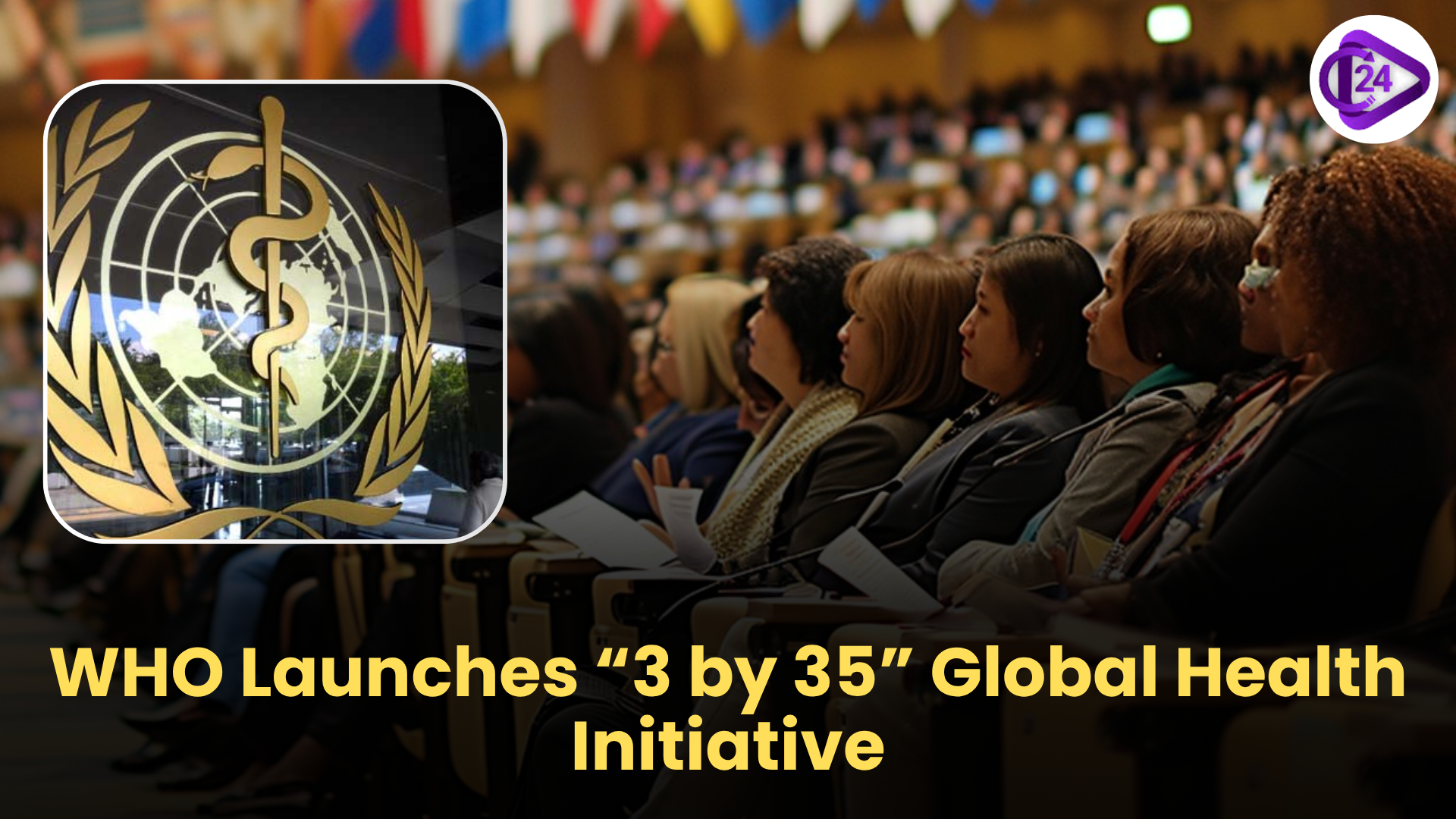
WHO’s “3 by 35” Initiative: A Global Push to Raise Taxes on Tobacco, Alcohol, and Sugary Beverages

WHO has initiated the “3 by 35” campaign, calling on countries to increase tax on tobacco, alcohol, and sugary drinks by 50 % by 2035 to stop the advancement of non-communicable diseases (NCDs). Such a measure will increase the number of NCD deaths that can be mitigated and yield significant funds to the health systems, especially those of low and middle-income countries. Under the initiative, the relevance of health taxes to advance the health of the population and as an incentive to social welfare programs is emphasized. Some countries already experienced the benefits of raising such taxes.

Context

  • The WHO initiative of setting more taxes on tobacco, alcohol, and sugary drinks by 50% by 2035, which is also known as the 3 by 35, is a strategy through which the body will contribute a large number of NCDs reductions results and will be providing income to the tune of US $ 1 trillion. 

  • Nations are encouraged to channel this money into development of health mechanisms and security nets.

Key Details

  • Objectives of Health Taxes:

    • Minimize unhealthy products.

    • Create income to the community welfare and health.

  • Effect on NCDs:

    • The increase of 50 % of the price may potentially avert 50 million premature deaths within the next 50 years.

    • Case study: 34 % reduction in smoking of cigarettes in Colombia following increase in the taxation of cigarettes.

  • Revenue Generation:

    • This initiative may produce USD 1 trillion in the world within 10 years.

  • Challenges and Considerations:

    • Industry Opposition: There can be opposition to these policies by tobacco and beverage industries.

    • Regressive Tax Issues: Unless checked by subsidies, low income people might bear the brunt of the movement.

    • Economic Impact: The reduction in consumption may impact on the overall revenue levels.

    • Exemptions: Tax Exemptions, which make sense in a sector, may hurt the efficacy of the policies.

  • Health Systems objectives:

    • Raise universal coverage and prevention.

    • Exploit the opportunity of supporting SDG 3 at a level that will help in reducing NCD mortality by a third by the year 2030.

About 

Definition of Health Tax:

  • A health tax refers to a duty charged on unhealthy goods such as alcohol, tobacco, and sweet drinks with the purpose of cutting down on their consumption and raising revenue to fund health and social welfare initiatives.

Goal of the Initiative:

  • Reduce NCDs: Voluntarily cut on the use of harmful products, thus alleviating the number of premature deaths.

  • Illustration: in Colombia the tax raised on cigarettes by 10 %age points resulted in a 34 % decline in consumption.

  • Make the Revenue Mobile: raise another $1 trillion worldwide in an additional 10 years, which could be invested in infrastructure and public health.

  • Empower Health Systems: Use the revenue to finance universal health coverage, preventive interventions and social protection.

  • Contribute to the achievement of the target related to NCD mortality, to decline by one-third (33%) before 2030 (SDG 3)

Influence of Increase in Tax:

  • Almost 140 countries have increased tobacco taxes between 2012 and 2022, and these changes are on average 50 % inflation-adjusted price rise indicating that the magnitude of change is possible.

  • A single 50 %  price hike will block as many as 50 million premature deaths within the next 50 years.

Problems and Issues:

  • Industry Lobby: Tobacco companies, alcohol drink and beverage makers may lobby against such taxations thereby making the process be delayed or having poor policies.

  • Regressive Tax: The taxes on health may have a regressive impact particularly on lower income groups without adopting specification based assistance or subsidies.

  • Revenue Volatility: The decrease in consumption can cause tax revenues to become erratic, and this factor might affect long-run health system stability.

  • Tax Exemptions: Tax increases may not be effective through the already signed long-term contracts with industries.

Way Forward:

  • Nations have been requested to establish general large-scale health taxation and prevent industry-related exemptions.

  • The revenues must be injected into social protection, education and public health especially the vulnerable groups.

  • Alliances across sectors, including the civil society, are essential to achieving long term effect.

Conclusion

The 3 by 35 Initiative is a new policy change leading towards the utilization of health taxes as a means of promoting the welfare of the population. Governments should be urged to adopt whole health systems of taxations to spend the money gained into healthcare and social support particularly of vulnerable groups.

Frequently Asked Questions (FAQs)

The current affairs cover recent national and international events related to UPSC, SSC, Banking, Railways, and State PCS.

You need to read about the current affairs daily, and revise them every week and every month to keep them longer in your memory.

Yes, Class24 provides free downloadable Daily Current Affairs PDFs for easy revision.

Yes, you can practice MCQs and quizzes to boost your exam preparation.

Absolutely. The content is written in simple, easy-to-understand bilingual language suitable for beginners.

Go to class24.com and click on the current affairs section directly, where you find everything that you need.

ssc-toppers

Start Learning Today with Class24

Related current affairs

Class24 offers free video lectures for smart preparation, covering CGL, CPO, CHSL, MTS, and GD exams. Learn from expert faculty, revise concepts easily, practice with PYQs, and improve speed and accuracy through high-quality, exam-focused video lessons anytime, anywhere.

Get success in your hand. Start study anytime anywhere.

The journey becomes simple and enjoyable when you start taking interest in it. And through our app “Class24”, we will be your trusted partners in developing that interest.

Daily Quizzes
Mock Tests
Ongoing

No ongoing tests right now.