
Day: July 4, 2025

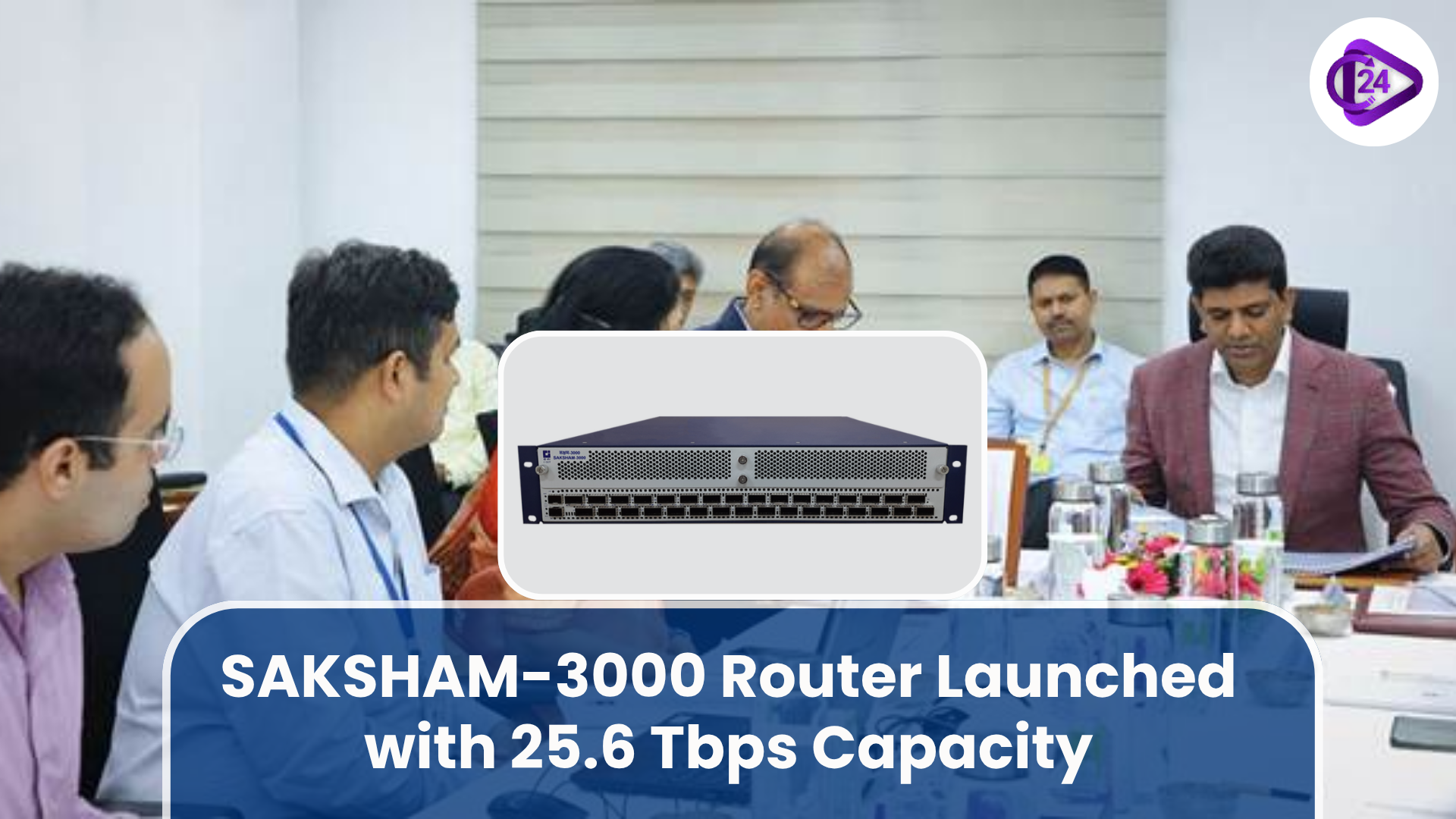
SAKSHAM-3000 Router Launched with 25.6 Tbps Capacity

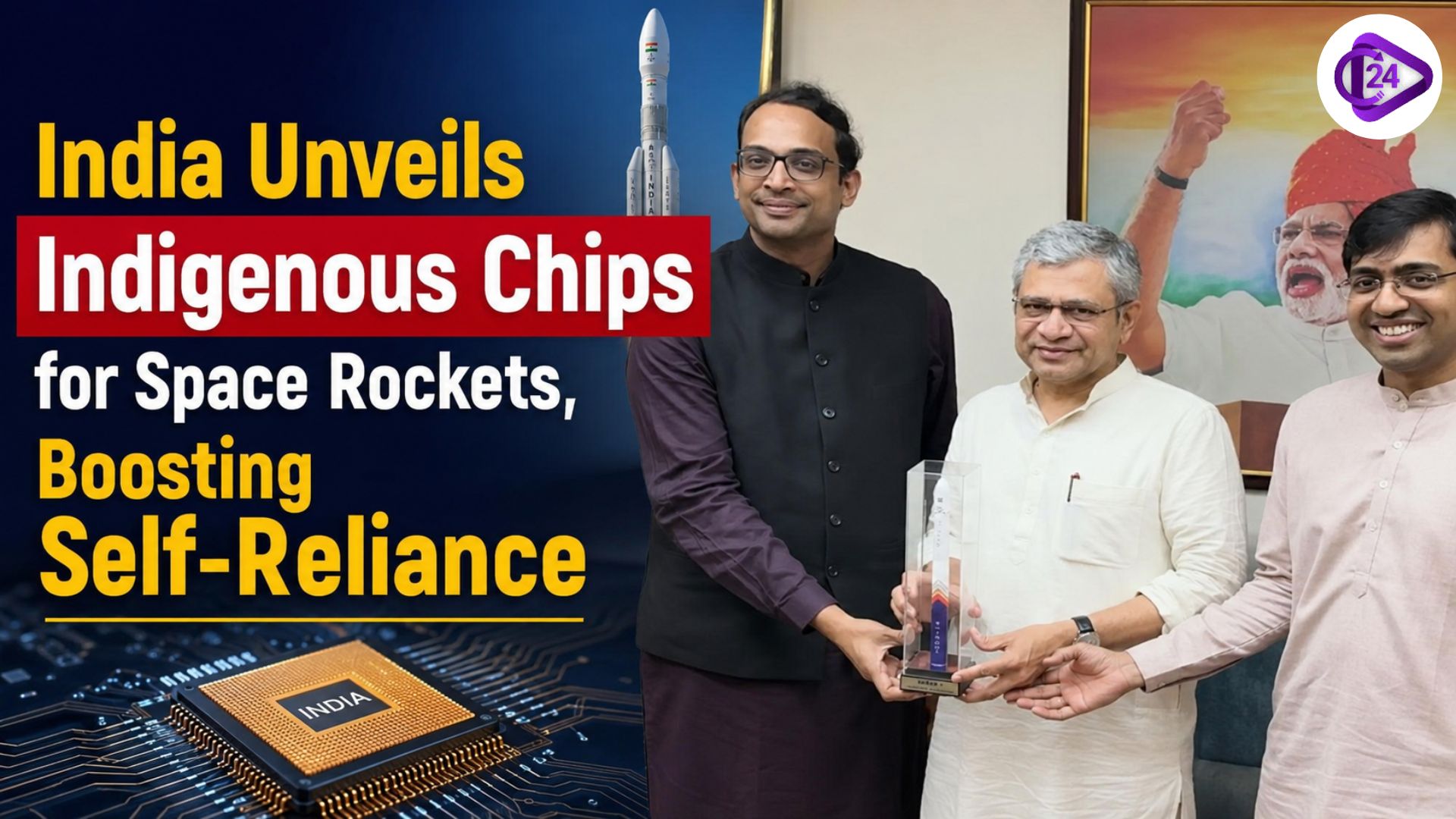
Minister of State for Communications and Rural Development, Dr. Pemmasani Chandra Sekhar, launched SAKSHAM-3000 (high capacity switch-cum-router with 25.6 Tbps throughput) development by C-DOT (Centre for Development of Telematics). The technology is the next generation that is intended to support 5G/6G networks, cloud-based, and AI applications. It was under these circumstances that Dr. Sekhar visited the C-DOT Delhi campus and expressed the need to see India not only churn out such technologies but to be the global market leader by 2047, along with other global telecom giants who include Nokia, Ericsson and Huawei.

Context

  • The SAKSHAM-3000 switch-cum-route was initiated by Dr. Pemmasani Chandra Sekhar to facilitate the next generation telecommunication and digital infrastructure. 

  • The Minister proposed that by 2047 India be a global leader in the telecom technologies, and no innovation and international partnerships will ever be left without government support.

Key Points

Characteristics of SAKSHAM-3000

  • Throughput: 25.6 terabits per second of high capacity data transmission.

  • Ports: 32 ports at 400G Ethernet bringing scalability to 1G.

  • Use Cases: it is aimed to be used on large-scale computing clusters such as cloud infrastructure, 5G/6G networks, and AI workload.

  • Ultra-low Latency: Networks the broad-based application of applications that require synchronisation and accuracy, such as PTP (Precision Time Protocol) and Sync-E over large networks.

  • C-DOT Router Operating System (CROS): modular and future-proof operating system on dual network (legacy and cloud-native).

  • Energy-Efficiency: We have optimized the energy use of Energy-Efficiency at the same time of offering speedy processing.

  • Flexibility: Supports layer-2, IP and MPLS, reliability is high and hot-swappable (power, fan units).

The role of C-DOT in the Digital Future of India

  • Recent Accomplishment: C-DOT has developed Indigenous home grown 4G/5G cores, disaster management systems, cybersecurity solutions and quantum communication technologies in India.

  • Focus and Commitment on Vision of India Dr. Rajkumar Upadhyay, the CEO of C-DOT, thanked the Minister and indicated the commitment of C-DOT towards fulfilling the vision of the Prime Minister of AtmaNirbhar Bharat.

Technological effect and application

  • Future-Ready Platform SAKSHAM-3000 is developed to offer to the enterprise customers, telecom operators and hyperscale data centers with advanced and scalable solutions.

  • Quality of Service (QoS): Having such features as WRR (Weighted Round Robin) and WRED (Weighted Random Early Detection) which enable optimal use of the resources.

Strategic Implications

  • Self-Reliance in Telecom: The roll out of SAKSHAM-3000 also induces into India the dreams of self-reliance in state of the art technologies.

  • Coming Advances: The independence, government support funding and foreign alliances will make sure that C-DOT comes forward with technologies that are able to compete in the global market.

Conclusion

The SAKSHAM-3000 switch-cum-router can be regarded as a milestone in the elaborate quest by India to promote digital infrastructure and modernization of telecom. Under the vision of Dr. Pemmasani Chandra Sekhar, C-DOT would make India a leader in telecom innovation globally by 2047, which also promises self-reliance, global competitiveness, and technology advancement in the field of telecommunication and digital services.

Centre Seeks Support to Remove Justice Yashwant Varma

In the wake of finding burnt currency notes at premises of Justice Yashwant Varma of the Allahabad High Court, the Union Government is on its way to the process of seeking sponsors to a motion in the Supreme Court to remove Justice Yashwant Varma of the Allahabad High Court. According to Union Parliamentary Affairs Minister Kiren Rijiju, the signatures to the motion would shortly be collected and the motion would muster 100 members in the Lok Sabha and 50 in the Rajya Sabha to be admitted. Although the House of introduction is yet to be decided, the motion is likely to spawn a three member inquiry committee. The procedure may outreach to the Monsoon Session which terminated on August 21.

Context

  • The Centre is continuing to push a motion to withdraw Justice Yashwant Varma of the Allahabad High Court in an incident involving burnt currency note at his official residence. 

  • The move will need a lot of parliamentary backing to bring into existence and it may take months before a resolution is arrived at.

Key Points

Major Incidents that Resulted to Removal Motion

  • Incident: A fire in the home of a justice in March (Justice Varma), 2023 caused the burnt sacks of currency notes to be found in the outhouse.

  • Response of the Judge: Justice Varma is said to have denied the burnt money.

  • Supreme Court Inquiry findings: An inquiry committee, appointed by the Supreme Court and headed by a former Chief Justice Sanjiv Khanna, did recommend further action but stopped short of indicting Justice Varma.

Removal Process

  • Support Needed:

    • 100 members in Lok Sabha

    • 50 members in Rajya Sabha

  • Three-Member Inquiry Panel:

    • After the motion has been admitted, a panel will be composed which shall consist of:

      • A Judge of Supreme Court,

      • A Chief Justice of High Court and,

      • A distinguished jurist

  • Timeline:

    • The committee will give a report within 3 months.

  • Legal Framework

    • Judges (Inquiry) Act, 1968:

      • Regulates the process of impeaching the judges.

      • To be removed he must be subject to a motion in Parliament and an inquiry committee.

  • Speculation and The Timeline

    • The session concludes on August 21, extending to run for 10 days.

    • Delay: Although the motion would be introduced, say, in this session, it would not be expected to be completed in this time since an investigation process would be needed.

Procedure of Removal of Judges

Constitutional Provision

Article 124 and 217

  • Grounds of Removal: 

    • The President of India can remove the President of India on the proved misbehavior or incapacity of a judge of a Supreme Court or a High Court.

    • Misbehaviour: Misbehaviour is an offence, it consists of wilful misconduct, malpractices, corruption, lack of integrity or of acts constituting moral turpitude.

    • Incapacity: This is a body or mind inability to perform the tasks of the judge.

  • Procedure:

    • Movement in Parliament: The removal motion may be presented either in the House of Lok Sabha or Rajya Sabha.

  • The motion has to be passed with:

    • Majority of the house membership in total

    • Special majority Two-thirds of all members present and voting.

Judges (Inquiry) Act, 1968

Judges (Inquiry) Act, 1968 gives the entire process of removal of judges.

  • Step 1: Motion to remove

    • A motion of removal should be signed by not less than 50 members of the Rajya Sabha and 100 members of the Lok Sabha.

    • This motion is later presented before the Chairman of Rajya Sabha or speaker of Lok Sabha.

  • Step 2: Motion admission.

    • The Chairman/Speaker can either allow or decline the motion following a consultation.

    • Once the motion is granted, then the following takes place.

  • Step 3: Inquiry Committee constitution

    • An investigation committee composed of three people is set up to explore the allegations:

      • One Supreme Court Judge

      • One High Court Judge

      • One distinguished jurist

    • The committee is mandated with investigating the cases of misbehaviour or incapacity.

  • Step 4: Research and Reports

    • In case the committee concludes that the judge does not misbehave or is not incapacitated, the motion is discarded and no further measures are taken.

    • In case that the committee determines that the judge is liable, the report is tabled in both of the Houses of the Parliament.

  • Step 5: Vote at Parliament

    • Then the House of Parliament votes on the motion.

    • The motion should have the assent of a special majority in Lok Sabha and in the Rajya Sabha.

  • Step 6: Decision of the president

    • In the event that the motion is successful in both Houses of Parliament, then the President can make an order to remove the judge from office.

Judicial Clarifications

  • Misbehaviour The Supreme Court has enlightened that misbehaviour incorporates:

    • Fraud and abuse of authority

    • Moral turpitude

    • Integrity deficiency

  • Incapacity: This describes the physical or mental health conditions that may lead to a judge being unable to carry out his or her duties mostly backed by medical reasons.

Challenges in the process of removal of judge

  • Time Consuming process: The path of removal is long, consorting several processes and they include establishment of the inquiry committee followed by parliament approval.

  • Political Sensitivity: It may have some political consideration since the process needs a strong backing in Parliament.

  • Scarcely Exceptional: Impeachment of the judges has been seldom witnessed in India. In 1993, the case of Justice V. Ramaswami fell during the attempted impeachment process.

Conclusion

The case of the motion by the Union Government, which is seeking the impeachment of Justice Yashwant Varma, illustrates the complexity of procedure in holding the judicial accountable. It highlights the constitutional limitations of the judiciary; it enhances the power of the Parliament in enforcing the integrity of the courts by conducting a formal inquiry procedure.

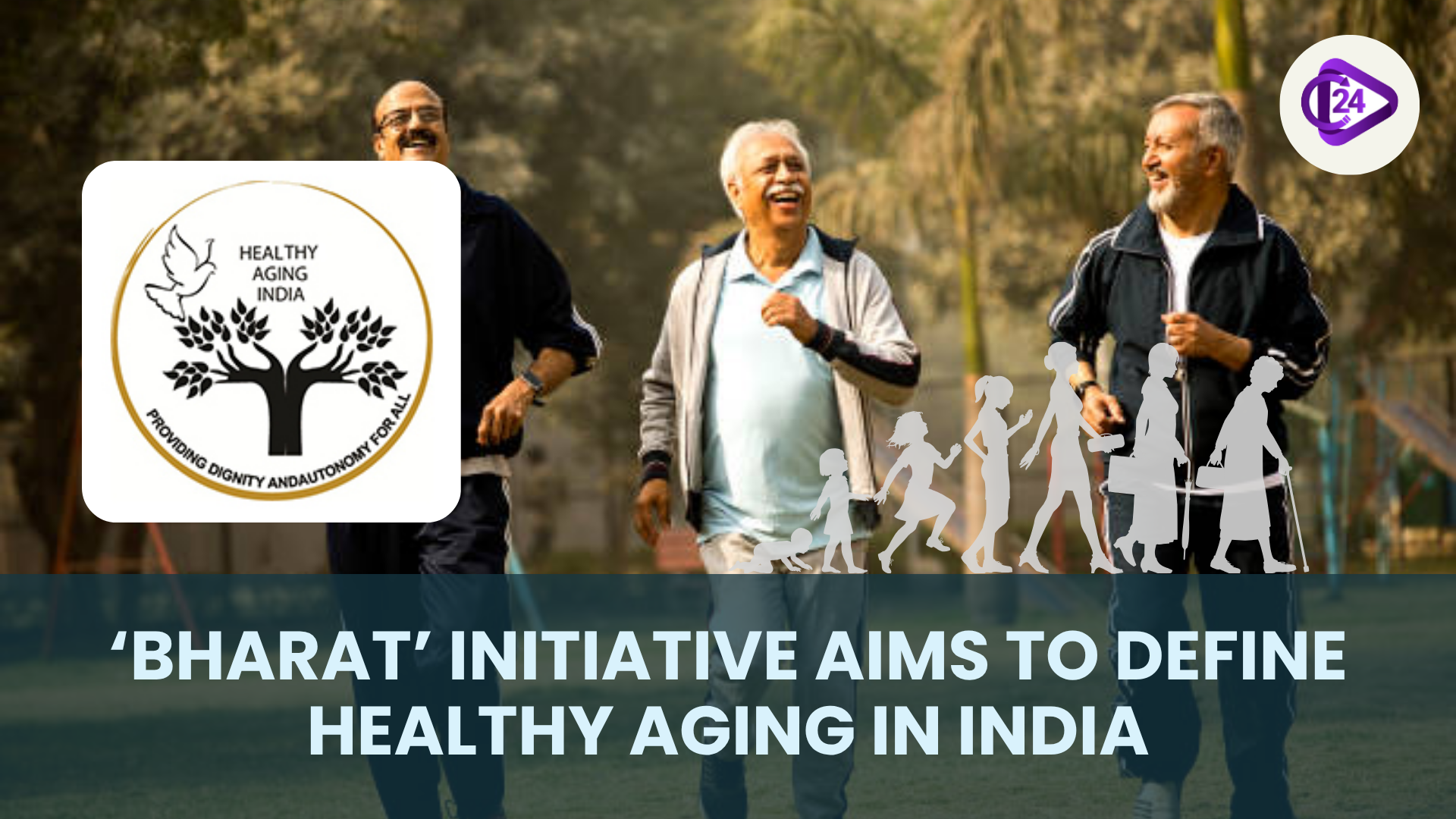
‘BHARAT’ Initiative Aims to Define Healthy Aging in India

BHARAT study (Biomarkers of Healthy Aging, Resilience, Adversity, and Transitions) launched by the Indian Institute of Science (IISc) is based in Bengaluru. This is an extensive study intending to chart physiological, molecular and environmental markers of aging among the Indian population. The research will be aimed at filling in the missing links in health diagnosis that can occur due to absence of biomarkers which are specific to India. The outcomes will assist in producing a guideline on healthy aging among Indian people and support age-related disease interventions. As the number of ageing people increases in India, the study will be important in solving the health problems that come with ageing.

Context

  • To curb health risk associated with ageing, IISc has initiated a study known as the BHARAT that seeks to determine biomarkers of ageing that are specific to the Indian community. 

  • The study is directed at the development of databases in order to comprehend aging in India and give corresponding health diagnostics.

Key Points

Study Overview

  • Project name: BHARAT (Biomarkers of Healthy Aging, Resilience, Adversity, and Transitions)

  • Organization: Indian Institute of Science (IISc), Bengaluru

  • Objective: To chart out physiological, molecular and environmental issues in India that affect aging.

  • Goal: To establish an objective with regards to healthy aging in India: to fill the gap that existed in the realm of healthy aging studies, which narrowly focused on the West.

Study Design and Approach

  • Data Collected:

    • Genomic Biomarkers: pathogenic predisposing mutations

    • Proteomic and Metabolic Indicators: It is indicative of biological and metabolic health

    • Environmental and lifestyle factors: Their role in aging

  • Artificial Intelligence: 

    • Machine learning and artificial intelligence will help examine large quantities of data as well as model how interventions can impact aging.

Value of India-Targeted Research

  • Experimental Problems regarding Western Biomarkers:

    • The Indian population may not respond to western diagnostic values which include things like cholesterol, vitamin levels, etc. As an example, CRP levels in Indians might be naturally higher, so a Western cut- off may lead to error in diagnosis.

    • Global South Gap: The research has a goal where the study will be dependable in diagnosing and treating disease that is unique to Indian and other countries.

Significance of the research.

  • Health Consequences of aging:

    • In India, age-related diseases like Parkinson or dementia are bound to increase drastically by 2050.

    • Early prediction, prevention, and stewardship of the diseases can be supportive when it comes to identification of biomarkers in its onset at an early stage.

Active Health Periscope:

  • The study would help to find early indicators of age-related changes in the operation of organs, even before the development of the disease.

Possible Applications and Advantages

  • Personalized Interventions:

    • Through biomarkers, there will be a possibility of developing personalized interventions in order to hinder the progression of age-related diseases.

  • Policy and Government Implications:

    • Results of the study may be used in health policy to target aging in a nation with a naturally high population of aged people like in India.

Implementation Problems

  • Sample Collection:

    • It will be difficult to collect the right sample of healthy adults of different populations in such a diverse India.

  • Long-Term Funding:

    • Finding long-term funding in the government and philanthropic circles to support the nature of the study which is long-term.

Medical and AI

  • Cross-Institutional Collaboration:

    • It is a research project that requires the cooperation of computational biology and AI experts to perform a statistical analysis of complicated data.

  • AI in Early Detection:

    • AI models will assist in identifying minor signs of aging, which are not likely to be detected in small traditional studies.

Conclusion

The BHARAT study is a first-off-the-block attempt to find out more about healthy aging in the Indian subcontinent and its biomarkers. Such a program is potentially game-changing in the context of the healthcare of aging populations, knowledge of age-related disease prevention, as well as much-needed data regarding personalized healthcare interventions related to India because of the unique genetic, environmental and socio-economic factors.

Three Apache Combat Helicopters to Arrive in India by July 15

The first three Apache AH-64E attack helicopters are expected to be delivered to India by the middle of next month on July 15, the completion of importing the first batch of the world-famous aircraft and the opening of a new chapter of modernisation in Army Aviation Corps. The supply is an outcome of increased India-U.S defence cooperation after the talks between the Indian Defence Minister Rajnath Singh and the U.S Defence Secretary Pete Hegseth. Three more helicopters are to follow later by November. The Army Aviation Corps shall operate these helicopters through its first Apache Squadron that has been based in Jodhpur.

Context

  • The first batch of Apache AH-64E multirole combat helicopters is scheduled to be delivered to India by July 15 as part of the modernisation process of Army Aviation Corps. 

  • This is after negotiations between the Defence Minister of India and the U.S counterparts, whereby further delivery is set to be conducted by November.

Key Details

Delivery Timeline

  • Initial Delivery: Apache AH -64E helicopters 3 units till July 15, 2025.

  • Second-Batch: 3 helicopters to deliver by November, 2025.

  • Total:A big part of the Apache force to the Indian army.

History and Background

  • India-U.S. Defence Dialogue: Apache delivery comes after the telephone discussion between Rajnath Singh (Indian Defence Minister) and Pete Hegseth (U.S. Defence Secretary).

  • Role of Army Aviation Corps: Govt has established a squadron of the first Apache unit at Jodhpur and it was waiting to receive choppers for more than 15 months.

  • Importance of Induction: one of the undertakings during modernisation of the Army Aviation Corps contributes greatly to the enhancement of India in its combating capability.

Characteristics of Apache Helicopter

  • Helicopter: Apache AH-64E – The newest generation of the attack helicopter.

  • Functionality: Increases the capability of India to stave off ground threats, giving it a sophisticated capability of attacking.

  • Strategic Value: Apache helicopters are considered precise strike machines and battlefield performance in focused situations.

India and U.S Defence Cooperation.

  • Defence Dialogue: The defence cooperation was what both leaders talked about where particular emphasis was given among the leaders on the delivery of military equipment in a timely manner.

  • Tejas Aircraft: Rajnath Singh highlighted the necessity of General Electric engines in the Tejas Mk1A aircrafts and establishment of a production facility of jet engines in India.

Strategic Implications

  • Enhanced War Fighting Ability: The deployment of Apache helicopter enhances defense skills and ability to respond to attacks in the region especially through cross-border terrorism.

  • U.S. alliance: The delivery is an indication of increasing defense cooperation between India and the U.S. in general and counter-terrorism operations and in regional security.

Conclusion

The fact that Apache AH-64E helicopters are being delivered is a stepping stone in modernisation of Indian military equipment and more particularly in the aviation sector. It coincides with the interests of India to raise its battle potential and become more interdependent in its defense with the United States. The Apache induction will also cause India to have the current state of attack helicopters that will help the Army Aviation Corps to face the emerging security threats.

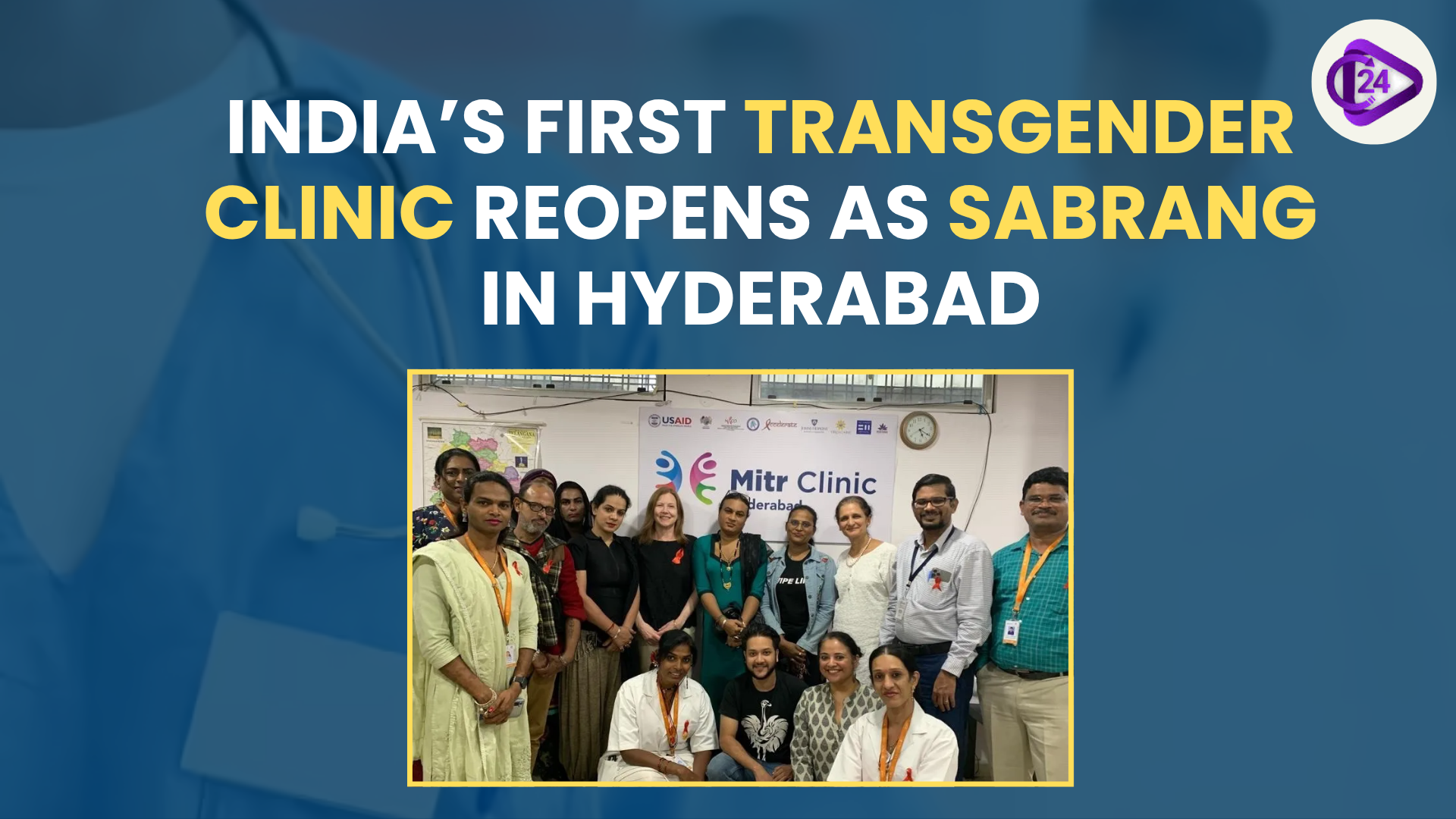
India’s First Clinic for Transgender Persons Reopens as Sabrang in Hyderabad

Mitr Clinic, the first ever transgender-led health clinic in India revamped its name as Sabrang Clinic in Hyderabad. This clinic has reopened under the support of Tata Trusts after being forced to close its door in 2024 due to a freeze in funding by USAID. The clinic, which is institutionally named Sabrang meaning all colours, is to make inclusive healthcare services available to the transgender population. It first appeared in 2021 in the Narayanguda area of Hyderabad as the first step in the history of gaining medical care by transgender people. Since the beginning of the clinic, it has attended to the needs of more than 3,000 patients.

Context

  • After having to close due to a funding freeze, the Mitr Clinic, which is the country's first transgender led healthcare facility is now reopened under the name Sabrang Clinic with the Philanthropic assistance of Tata Trusts. 

  • Inclusion of healthcare to the transgender community is an ongoing mission of the clinic.

Key Details

History of the Clinic

  • Pioneer: The Mitr Clinic was the first clinic ever in India to be fully managed and operated by transgender people.

  • Place: Hyderabad Narayanguda.

  • Established in 2021: Specializing in offering medical services to the needs of the transgender community.

Actions Taken

  • USAID Funding Freeze: In early 2024, the clinic was forced to close after funding by the USAID was lost.

  • Philanthropic Funding: Philanthropic funds were utilized by the clinic after it shut down and eventually Tata Trusts came forward to fund the clinic.

Renamed Sabrang Clinic

  • New Name: The new name of the clinic was opened as Sabrang Clinic, meaning all colours of healthcare.

  • Support: Tata Trusts has presently become the clinic main financial sponsor.

Services and Vision

  • Inclusive Healthcare: Sabrang Clinic tries to be inclusive, specialized and provide affordable health care to transgender people with their different needs.

  • Services Offered: The facilities offer inclusive care, which includes mental and psychological assistance, hormonal therapies, sex changes operations, and other related forms of specialized practices.

Influence and Success

  • Patients Served: Since the commencement of the clinic in 2021, it has served more than 3,000 patients.

  • Community-Led: Hired and operated by the transgender community providing culturally competent care.

Social Significance

  • Healthcare Access Advancement: The fact that Sabrang Clinic was reopened is regarded as a breakthrough in the transgender rights movement and the demand for equal healthcare access in India.

  • Role of Philanthropy: The clinic establishes the usefulness of philanthropic institutions such as the Tata Trusts in bridging the shortfall caused by government or external funding agencies.

Conclusion

The re-opening of The Sabrang Clinic is a giant stride towards having inclusive and affordable healthcare to transgenders in India. As long as Tata Trusts remains supportive, the clinic is destined to cater to the health needs of one of the most marginalized groups in the country, establishing a healthy precedent in the country.

Frequently Asked Questions (FAQs)

The current affairs cover recent national and international events related to UPSC, SSC, Banking, Railways, and State PCS.

You need to read about the current affairs daily, and revise them every week and every month to keep them longer in your memory.

Yes, Class24 provides free downloadable Daily Current Affairs PDFs for easy revision.

Yes, you can practice MCQs and quizzes to boost your exam preparation.

Absolutely. The content is written in simple, easy-to-understand bilingual language suitable for beginners.

Go to class24.com and click on the current affairs section directly, where you find everything that you need.

ssc-toppers

Start Learning Today with Class24

Related current affairs

Class24 offers free video lectures for smart preparation, covering CGL, CPO, CHSL, MTS, and GD exams. Learn from expert faculty, revise concepts easily, practice with PYQs, and improve speed and accuracy through high-quality, exam-focused video lessons anytime, anywhere.

Get success in your hand. Start study anytime anywhere.

The journey becomes simple and enjoyable when you start taking interest in it. And through our app “Class24”, we will be your trusted partners in developing that interest.

Daily Quizzes
Mock Tests
Ongoing

No ongoing tests right now.