
Day: June 19, 2025

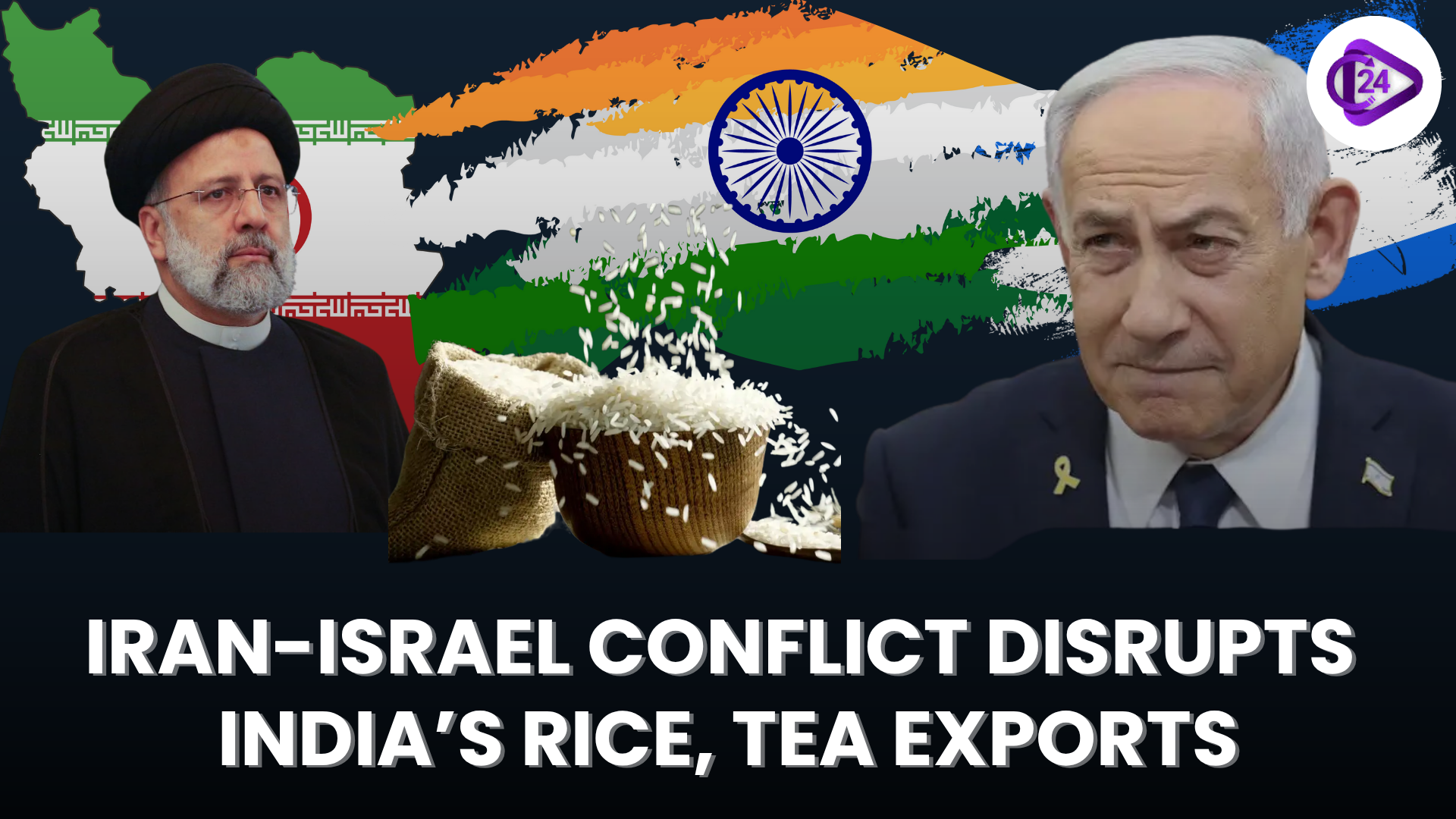
India’s Rice and Tea Exports Disrupted by Iran-Israel Conflict

The perennial Iran- Israel dispute has almost hit us on the export of rice and tea, mainly the shipments to Iran, which is our biggest importer of Indian basmati rice and also, a very big consumer of Indian tea. It has frozen shipments and payments that have resulted to a decline in global prices and piled up stocks. As they await a solution, exporters are experiencing an amassing of problems, such as the increase in freight and insurance rates.

Context

  • The Iran-Israel standoff has interfered with the major export destinations of the two most important products of India, basmati rice and tea, with Iran being one of the biggest markets of the same. 

  • The halting of freight and payments has brought into doubt the part's effect on trade and pricing in the long term.

Key Points

Implication On Rice Exports:

  • Key Export Market: Iran is the biggest customer of Indian basmati rice that exports an average of six million tonnes per year with 1.2 million tonnes of the same exported rice being consumed in the country.

  • Delays in Shipment and Payment: With the conflict, all shipment and payment has been delayed due to the conflict and the exporters are engaged with the officials so as to solve the issue of this delay.

  • Price decline: The prices of basmati rice in international markets have declined by 100 dollars per tonne, and the exporters are sitting on piled up stocks.

Tea Exports:

  • Iran: Tea exports of India to Iran are between 20,000-25,000 tonnes annually comprising mainly of orthodox tea.

  • Auction Withdrawals: owing to the war, tea auctions had an outflow and a price decline. Orders are on a stand and exporters are afraid of how worst things will get.

  • Indecision on Payment: Payment shall take place only after shipment of the Teas and the priorities in Iran are changing towards essential goods and the export of Tea is under obscurity.

Futures Concerns:

  • Regional Impact: It is also feared that trade to other nearby states like Azerbaijan and Kazakhstan might also be hit in case the row continues.

  • Rise in Cost: Air and sea freight have already started rising and the exporters are bracing up to expect further rise in fuel cost and risk insurance cost.

Government Intervention:

  • Stakeholder Meetings: The Ministry of Commerce and Industry will discuss with the interested parties in the trade, shipping, and export business the effect of the conflict and possible government assistance.

  • Exporter Feedback: The Ministry has collected feedback on how the exporters are coping with the challenge and how they are being affected by the situation.

  • The issues behind the conflict: The exporters have to grapple with rising costs of operations such as freight expenses and they worry about the overall economic implication of the conflict on trade with Iran and other nations in the region.

  • Role of Government: The Ministry of Commerce is working on measures that can enable the exporters and reduce the financial loss due to disruption of trade.

Conclusion

India has suffered because of the Iran-Israel conflict as its rice and tea products have been interfered with and thus the exporters are taking a lot of hit as their products are delayed, the price has fluctuated and increasing the operational cost. Although the government of Indians is busy discussing ways of resolving the current situation with the stakeholders, it is still not clear which way trade with Iran and other regions around will go. The scenario highlights the sensitivity of international trade to geo-politics especially to those countries whose economies depend on important markets such as India.

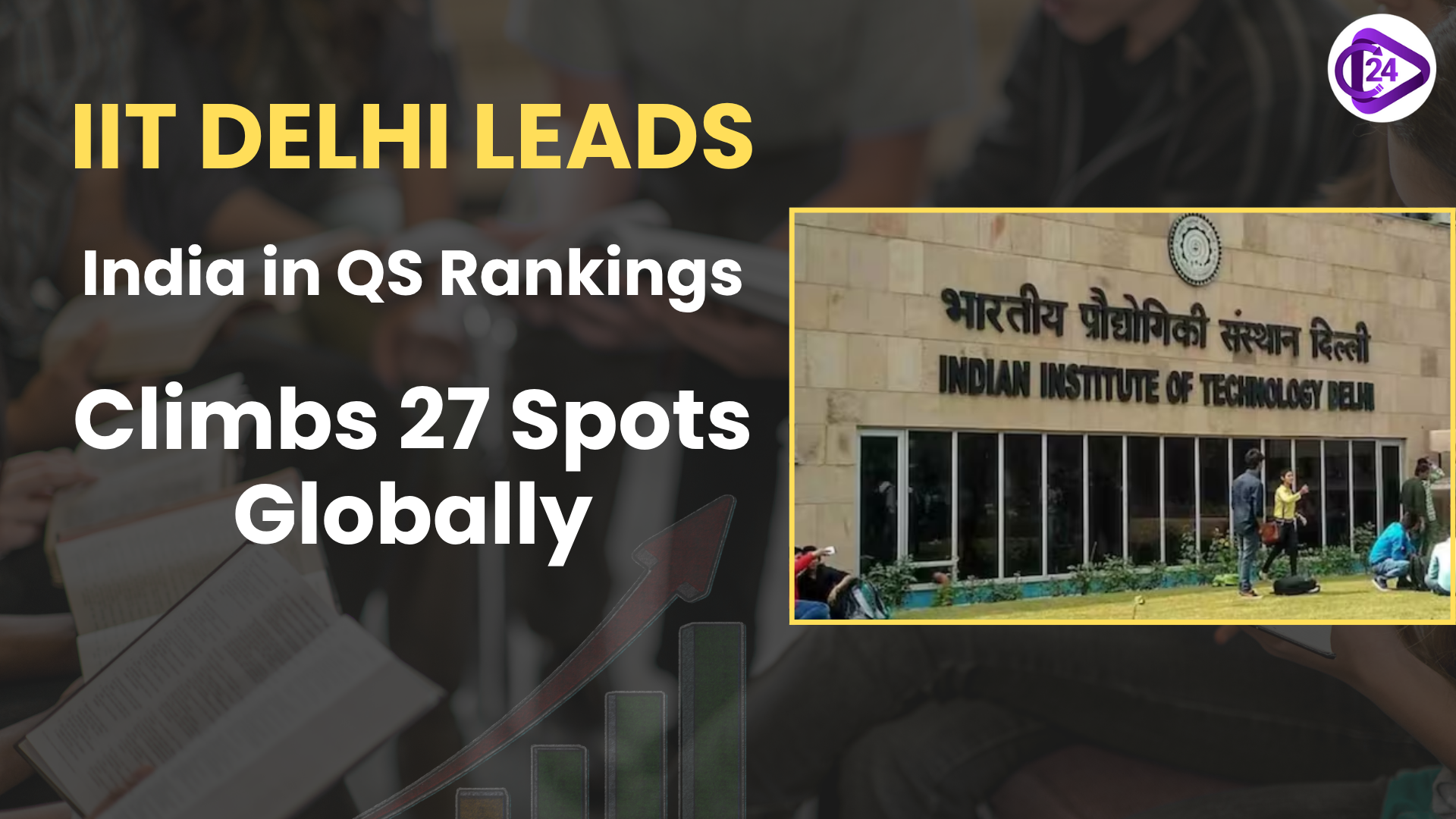
IIT Delhi Tops India’s QS Rankings, Jumps 27 Places Globally

IIT Delhi has made it to the 123 rd position in the global QS World University Rankings 2026, which ranked it the highest in India, a leap of 27 spots. This is the first time since eight years that IIT Delhi has bettered IIT Bombay in terms of ranking. However, IIT Bombay fell by 11 places to 129th in the ranking. The emergence of IIT Delhi demonstrates the importance of the institution in the world scope, but the downfall of IIT Bombay reveals the competition in the university ranking.

Context

  • It has been seen in the QS World University Rankings 2026 that there have been great shifts in the ranking of Indian institutes with IIT Delhi ascending to 123 rd rank in the world. 

  • This change can be regarded as the particular success of IIT Delhi that now dominates in the Indian national academic scene being at the top of the list of the countries the university represents at the international academic level.

Key Points

The emergence of IIT Delhi:

  • Ranking in India: In India, the IIT Delhi is ranked first among the Indian universities in the QS World University Rankings 2026.

  • Rank Jump: The institute improved its position by 27 positions rising to 123 rd in its world ranking as opposed to 150 th the previous year.

  • The first time in 8 years: IIT Delhi had topped IIT Bombay in these rankings for the first time in eight years.

The falling of IIT Bombay:

  • Fell 11 places to 129th: IIT Bombay fell 11 places, and finished 129th on the international scale.

  • Competitive Pressure: IIT Bombay is one of the most popular institutions in India and is under pressure in regard to competition in the global society, which has already diminished.

QS Rankings Summary:

  • Competition: The case of IIT Delhi gaining ground and IIT Bombay losing it depicts the competitive ways of the world of bottling universities.

  • Indian Leadership: None of the other Indian institutions are in the top 100 according to QS rankings and the highest ranking so far is 123 of IIT Delhi.

  • Influence on the Education System of India: The rankings imply the increasing awareness of Indian institutes in the global arena, but also indicate the difficulties experienced by the institutions in terms of retaining competitive advantage.

  • Prospects of future: The positive growth by IIT Delhi is an indicator of its uprising, and the decline of IIT Bombay implies that it must constantly improve its academic and research capacities to match with international standards.

Conclusion

The Moving Academic Scene of IIT Delhi The marked leap in the QS World University Rankings 2026 presents a reflection of the growing academic status of IIT Delhi on the international platform. The competition among Indian institutions is high, whereas IIT Bombay is declining, which highlights the significance of constant innovations and development in the industry of higher education in India.

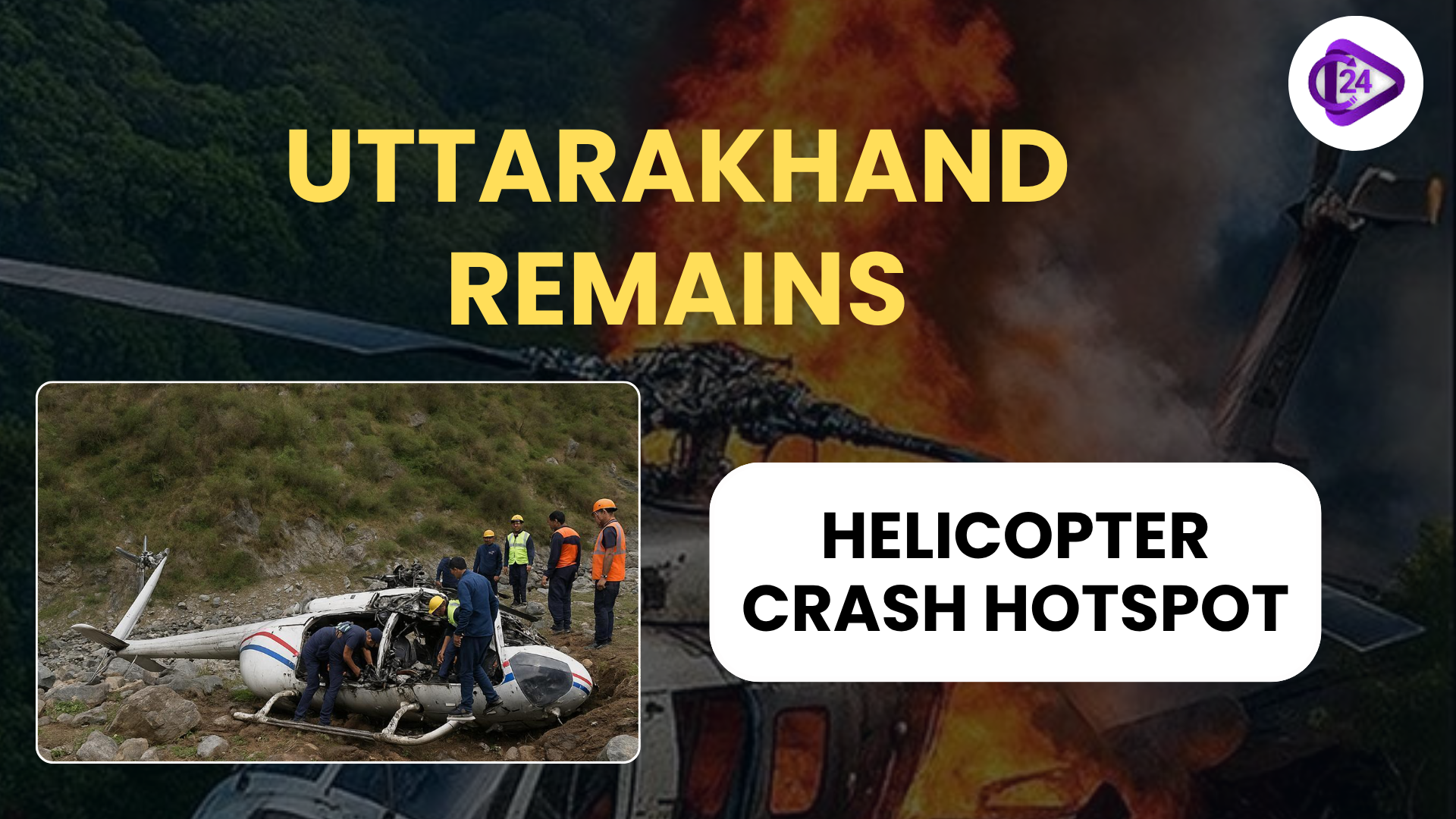
Uttarakhand: A Persistent Hotspot for Helicopter Accidents

The state of Uttarakhand has remained the hotbed of the helicopter disaster with the recent tragedy having made headlines about the loss of seven lives illustrating the perennial aviation crisis that the state faced. The state since 1990 has experienced at least 14 helicopter crashes and their main causes were pilot error, poor maintenance and bad weather conditions. In spite of the aviation safety bolstering of India, the area is bitter to fly the helicopters, especially during the pilgrimage period.

Context

  • Helicopter accidents, particularly Kedarnath pilgrimage services have continued to be a bane in Uttarakhand since times immemorial. 

  • The ruggedness of the terrain, variable weather and operational issues of the state also play a major role in the frequent aviation accidents. 

  • Recent Increase in accidents in 2025 has once again raised concerns over aviation safety in the area.

Key Points

Recent Accidents in Uttarakhand:

  • When a helicopter crashed during an aviation accident in the Kedarnath pilgrimage that claimed the lives of seven people including a two-year-old boy recently, it topped aviation disasters in the state.

  • Various Accidents: There were five helicopter accidents in Uttarakhand within the couple of months including one fatal helicopter crash on way to Gangotri Temple in May and a close disaster in Badrinath.

  • Other recent Accidents: In June, an engine of a helicopter flying to Kedarnath was rendered to force land, which originated because of a technical failure.

Historical Context

  • Crash Frequency: In the last 33 years, Uttarakhand has experienced at least 14 helicopter crashes, with 165 deaths and 126 injuries being attributed to the crashing of commercial helicopters.

  • Defence Helicopter Tragedies: October 2022 saw the occurrence of three helicopter accidents, of which two were involving defence helicopters upon which 13 lives were lost in Arunachal Pradesh.

Ordinary Causes of Accidents in Helicopters:

  • Pilot Error: Pilot error, improper handling of the aircraft is the major cause of accidents in Uttarakhand as well as other areas.

  • Difficult Weather: The third-leading cause of mishaps is to fly helicopters in adverse weather.

  • Maintenance Problems: The other factor has been poor maintenance of helicopters that have resulted in accidents in the state.

  • Cable Entanglement: Helicopters being entangled in overhead cables that are used in transport of goods in the mountainous regions also cause accidents.

Accident Patterns:

  • Daylight Accidents: Most of the crashes happen during daytime when the helicopter is travelling.

  • Landing Phase: Most of the accidents are happening on the landing stage and less number happens during take-off or climb.

Safety and Accountable:

  • Ignorance on part of the Company: In consternation of the recent accident, the two senior officers of Aryan Aviation Pvt. Ltd., the operator of the crashed chopper, have been accused of negligence. Another helicopter owned by this company had also crashed in 2022 killing four people.

  • Enhancement of Aviation Safety: Although the total number of accidents linked to helicopters has reduced in India, recent accidents in Uttarakhand indicate that the situation is not satisfactory and more effort should be done to ensure its safety improvements, especially in mountainous regions.

Conclusion

The helicopter crash history of Uttarakhand is a major concern, which has been happening time and again thus necessitating the need to improve the safety measures and infrastructure. The mountainous nature of its terrain and uncertain weather adds to the challenge of operations using helicopters and this becomes worse when they are needed most, such as during the pilgrimages. There have been some positive steps in the aviation safety practices of India but a lot is yet to be done to mitigate such losses in the years to come.

Chandigarh Tops School Education Index, Meghalaya Lags Behind: Performance Grading Report

The state of Chandigarh has emerged as the best performer in the school education segment at the level of the academic year 2023-24 as per the Performance Grading Index (PGI) 2.0 report by the Department of School Education and Literacy. Meghalaya, however, scores lowest in the index with many other states having grounds to improve. In the report, it is noted that although 24 states and Union Territories have shown a positive increase in their scores, none of the territories were in the top category and had tremendous opportunities to develop the school education quality that India suffers.

Context

  • The PGI 2.0 report introduced by the Union Ministry of Education ranks states and Union Territories according to numerous indicators including learning outcomes, infrastructure, equity and governance processes. 

  • Chandigarh was the topper and Meghalaya was at the bottom. The report highlights that there is a need to improve on the quality of education in India.

Key Points

States with ranking

  • Top Performers:

    • Chandigarh: Chandigarh ranked first in the index with a score of 719 and it is the only state that falls within the Grade Prachesta-1 (701 to 760).

    • Other High scoring States: States such as Punjab, Delhi, Gujarat, Odisha, Kerala and Maharashtra scored between 581-640 falling under Grade Prachesta-3.

  • Bottom Performers:

  • Meghalaya: It has the lowest rating of 417, and is thus rated as the worst performer (Akanshi-3, 401-460) in the various education indicators.

  • Other States under Akanshi-2 Group: Telangana, Assam, Jharkhand, Tripura, etc., with scores running between 461-520, indicating the great potential of improvement.

  • Mid-Range Performers:

    • 14 States and Union Territories: States such as Tamil Nadu, Karnataka and Uttar Pradesh have scored 521-580 (Akanshi-1), an average score.

Improvements:

  • Best Progresses in Access: Bihar and Telangana achieved the greatest progress in accessing school education.

  • Infrastructure Development: Delhi, Jammu and Kashmir and Telangana experienced the best increases in infrastructure quality during 2022-23-2023-24 years.

Possibilities to be improved:

  • Top Scoring Range Unrepresented: No state scored in the top scoring category (761-1, 000), which implies that the country has a big potential of improving the quality of school education throughout the country.

How the Index Will Help States:

  • State-Level Leadership: understands that to enhance educational achievement in a cost-efficient way, outstanding leadership at the state level is important.

  • Regular Transparent Review: It entails the provision of a regular and transparent review of school education quality in States and UTs, with improved monitoring of progress and importantly; the area to be improved.

  • Incentive to Improve: States and UTs shall be made to improve their scores by demonstrating improvement on critical areas of education.

  • Competitive Federalism: In line with the vision of NITI Aayog to facilitate competitive and co-operative federalism through decentralisation and a system which allows the States to benefit through the experiences and best practices of others.

  • Encouraging Knowledge Sharing; The Index will allow sharing of knowledge and best practices among States and UTs to achieve joint goals to improve the quality of education in the entire country.

About NITI Aayog

  • Origin: The establishment of NITI Aayog was by way of a resolution of the Union Cabinet on 1 January 2015, and came into existence as a substitute Planning Commission.

  • Policy Think Tank: It is the leading think tank on policy of Government of India and it offers both strategic orientation and technical guidance to the Centre and the States.

  • Governing Council: Governing council of NITI Aayog consists of the Prime minister as the Chairman, Chief Ministers of all the States and Lt. Governors of all UTs.

  • Mandate: NITI Aayog has the role of coming up with long term policies and programs, to develop India with a particular focus on innovation and cooperation between states.

Conclusion

The fact that Chandigarh is ranked number one in the Performance Grading Index therefore indicates that things are on the right path in school education, but from the general impression that no state is number one in the highest scoring category, it is quite evident that there is still a long way to go. States such as Bihar and Telangana have shown improvement with better access and infrastructure yet the necessity of a structural change in education is dire in terms of enhancements in the individual's educational experience in India as a whole.

PM Modi at G-7 Summit: Turning a Blind Eye to Terrorism is a Betrayal of Humanity

Terrorists are a betrayal to mankind and Prime Minister Narendra Modi said so at the G-7 Summit. He urged a stern international approach towards the nations with a harboring ground of terrorism especially bringing out the issue of the recent Pahalgam attack saying that it was an attack on the dignity and identity of all Indians. Modi also emphasized the need to have energy security, inclusive growth and tackling the interests of Global South keeping in view the current global issues being experienced.

Context

  • During a G-7 energy security outreach session addressed by Prime Minister Modi, he brought to the agenda of the leaders the cross border terrorism in India neighborhood. 

  • His comments followed the Pahalgam terror attack that he called a direct attack on the sovereignty and humanity of India.

Key Points

Indian Resistance on Terrorism:

  • Neighborhood as a Breeding Place PM Modi highlighted that the neighborhood of India has turned into a breeding place of terrorists and the international community should act on those nations aiding terrorism.

  • Pahalgam Attack: The attack on Pahalgam by the terrorists that happened on April 22 is another story covered by the Prime Minister as an act that attacked the soul, identity and dignity of each and every Indian citizen.

  • Global Responsibility: Modi emphasized on all countries to be held responsible, that is to say, looking the other way, this is a treason to humanity where terrorism is encouraged.

  • Double Standards: He blamed the international community for having two sets of rules when addressing the case of terrorism and called upon the global institutions that they were in danger of losing their credibility in front of the international community as a result of such inconsistency.

United National Agenda on Terrorism (UNAT):

  • Need to Act: Modi urged that it was high time the world took strong action against the issue of terrorism, as history will not be kind to those countries who will sit back and watch the issue of terrorism to prosper.

  • No Room Through Support of Terrorists: He pointed out that terrorism or terrorists should not be given the best interests supported through any means because this harms world peace and stability.

Global South concerns and Energy Security:

  • Energy Transition: Modi highlighted the problem of energy security (and specifically to the future generations). He emphasized the aspects of energy availability, accessibility, and affordability and noted that India was dedicated to inclusive development.

  • Global South: Modi has indicated that the developing world that consists of the countries of the Global South is the biggest victim of the crises that are brought about by globalism and has requested that their voices must be heard internationally since it is felt that they have been sidelined on the world front.

Technology and Artificial intelligence:

  • Artificial Intelligence as a Means of Innovation: artificial intelligence is a fast-increasing trend in efficiency maximization and innovation in various industries, and PM Modi recognized it.

  • AI Energy Usage: He mentioned the high energy requirements of AI-based technologies and noted that the gradual rise in energy consumption in the society of technology can merely be changed in a sustainable manner by implementing renewable energy.

  • India in the International Forum: Modi once again confirmed that India would continue to work with the international community especially with the G-7 on issues pertaining to technology, energy security and international peace.

  • Humanitarian Approach: He further added that India never acted out of its self interest but in the wider interest of humanity and this will remain the rule whenever India would be associated with international organizations and programs.

Conclusion

The speech of PM Modi in the G-7 Summit reflected the need of India to crack down on terrorism, take global action, and inclusive growth. In his comments, he did not only draw attention to the necessity to fight cross-border terrorism but also to the need to secure energy and achieve success in solving the problems of the Global South. Modi has appealed to the world to come together in times of the geopolitical challenges and technology-related energy requirements, which introduces the step forward in India leading the global world.

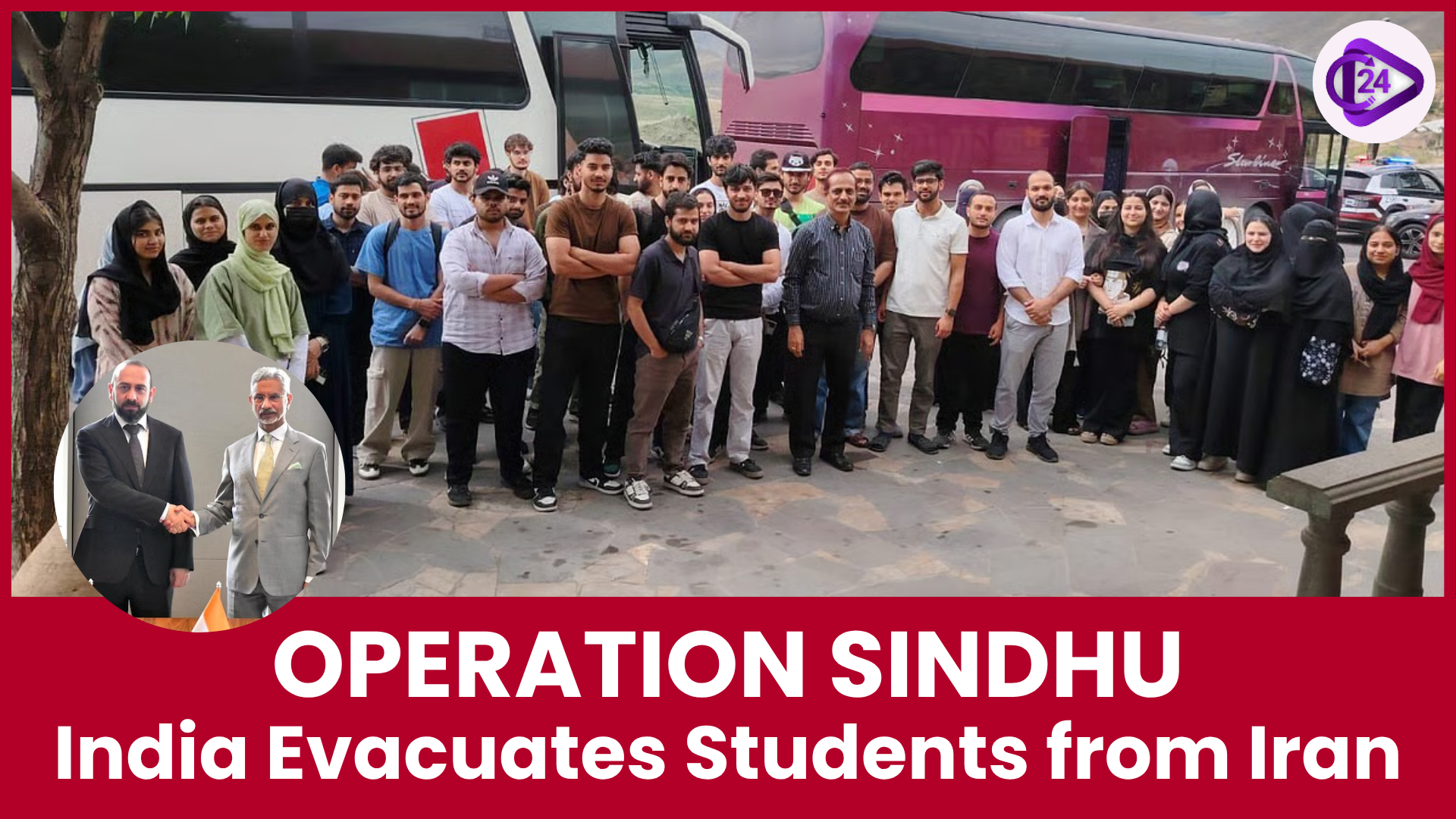
India launches operation Sindhu to evacuate students studying in Iran

On Wednesday, India initiated the operation Sindhu to rescue Indians trapped in Iran and especially students, who were trapped in the active war between Israel and Iran. Phase-I of the operation was also successful as 110 students have been transferred largely containing students of Jammu and Kashmir to New Delhi. This evacuation was organized in coordination with the Iranian government which provided safe reach to the Indian nationals to Armenia where they were flown to India. But some Indian nationals including pilgrims are left in a stranded position and do not know about the evacuation plans.

Context

  • In a heightening conflict between Israel and Iran the Indian government began a rescue mission known as Operation Sindhu where they brought their nationals back, especially students and pilgrims, safely back. 

  • The procedure comes upon the bombing of Tehran and the ensuing difficulties to evacuate the stranded nationals.

Key Points

About Operation Sindhu:

  • Students: The operation was accomplished by evacuating the 110 Indian students, amongst which were 90 Indian students from Jammu and Kashmir and rest belonging to Uttar Pradesh and Karnataka).

  • Safe Passage: The students were transported out of Iran into Yerevan in Armenia through land. They then flew to New Delhi via Doha using a special flight.

Coordination with Iran:

  • Diplomatic Initiatives: Indian Embassy in Iran coordinated their activities with Iranian leaders to provide the security and safety to Indian Nationals in Iran through their evacuation.

  • Hosseini Statement: Mohammad Javad Hosseini who is the Deputy Ambassador of Iran to India said that Iran was ready to help the foreign nationals and would help to evacuate those who want to leave safely.

About Iran-Israel Conflict

  • The rising tension between Iran and Israel has far reaching effects not only on the Middle East alone but on India as well. 

  • Considering that India is dependent on energy source imports in the region, has some strategic projects in Iran and has a big diaspora in the region. 

  • India has to carefully tread this delicate geopolitical ground and make sure that it protects its citizens, as well as balances its diplomacy.

Reasons that led to conflict

  • Historical connection: The perspective of Iran to be a close ally of Israel to the current opposition since the Iranian revolution of 1979 that established an Islamic Republic.

  • Religious and Ideological Barrier: Ideological and religious dissimilarity between Iran, a Shia Islamic state, and Israel, a Jewish state are strong and this increases the animosity between each state.

  • Iran sponsoring the anti – Israel organizations: The support of Iran to both Hamas and Hezbollah organizations who oppose Israeli activities has led to increased conflict, in addition to the calls made by Iran to have Israel destroyed.

  • Geopolitical Rivalry: Iran and Israel spy on each other in Syria and Yemen, and the opposite parties are involved in regional standoffs.

  • Nuclear Ambitions of Iran: The nuclear ambitions of Iran are viewed as a direct existential threat to Israel which has resulted into military measures to interfere with the nuclear development of Iran.

Impact on India

  • Energy Security Threat: Unstable Strait of Hormuz may jeopardize India, which imports 2 million barrels on a daily basis, cause shortages in supply, rise in energy prices, and inflation, which will negatively affect economic development.

  • Implication to the Indian Diaspora: More than 66 percent of the Indian 1.34 crore NRIs in the Middle East region are on the brink of survival, and this is a priority area of the Indian foreign policy.

  • Strategic Connectivity Disruption: Major projects such as Chabahar port in Iran and India-Middle East-Europe Economic Corridor (IMEC) will be delayed, which will impact the trade and connectivity in the region.

  • Diplomatic Problems: India?s balanced relations with Israel, Iran, and host-Gulf Arab countries may be put to test by jeopardizing its fine diplomatic neutrality in the tense atmosphere.

De-escalation Possible Solutions:

  • Two-State Solution: A long extended truce in Gaza and promise of a two-state solution would give permanent peace because it will guarantee an independent state of Palestine beside Israel.

  • Engagement and Diplomacy: To create trust and negotiations the engagement between Iran and Israel could be achieved with the help of neutral international mediators.

  • Addressing Nuclear Proliferation: Instilling trust in Israel about the nuclear intentions of Iran, as well as reinstating promises to the Joint Comprehensive Plan of Action (JCPOA) would considerably de-escalate tensions.

  • Enhancing Regional Cooperation: This area involves the promotion of regional cooperation through regional bodies including the Arab league or the GCC, which can play a role in promoting regional stability by helping solve joint security concerns.

  • A Road to Normalisation: Iran and Israel might also go down a similar road to normalisation as Israel and the UAE, as well as Israel and Bahrain did to enhance bilateral relations and maintain regional peace.

Conclusion

Operation Sindhu depicts active initiatives by India in getting its citizens evacuated in times of the crisis in Iran, which is a geopolitical issue. Although evacuation of students has been successful within the first phase, there is still the fear of the safety and wellness of other non-student Indians, particularly pilgrims who got stuck. There should also be a sustained diplomacy approach to bring back all its nationals safely.

Frequently Asked Questions (FAQs)

The current affairs cover recent national and international events related to UPSC, SSC, Banking, Railways, and State PCS.

You need to read about the current affairs daily, and revise them every week and every month to keep them longer in your memory.

Yes, Class24 provides free downloadable Daily Current Affairs PDFs for easy revision.

Yes, you can practice MCQs and quizzes to boost your exam preparation.

Absolutely. The content is written in simple, easy-to-understand bilingual language suitable for beginners.

Go to class24.com and click on the current affairs section directly, where you find everything that you need.

ssc-toppers

Start Learning Today with Class24

Related current affairs

Class24 offers free video lectures for smart preparation, covering CGL, CPO, CHSL, MTS, and GD exams. Learn from expert faculty, revise concepts easily, practice with PYQs, and improve speed and accuracy through high-quality, exam-focused video lessons anytime, anywhere.

Get success in your hand. Start study anytime anywhere.

The journey becomes simple and enjoyable when you start taking interest in it. And through our app “Class24”, we will be your trusted partners in developing that interest.

Daily Quizzes
Mock Tests
Ongoing

No ongoing tests right now.