Day: June 11, 2025

Assam Considers Expulsion Law for Illegal Migrants, Reviving the 1950 Act

Chief Minister of Assam, Himanta Biswa Sarma has declared that his government will use the Immigrants (Expulsion from Assam) Act, 1950 to deal with the problem of illegal immigration, especially by Bangladeshis. The legislation paves the way to expel illegal migrants directly without the court intervention. The initiative is meant to address rising anxiety over the problem of illegal immigration and is perceived as one of the reactions to decades of debates and movements regarding ethnic identity and migration in the state. This law had been revived as the Supreme Court of India upheld its validity again in October 2024.

Assam intends to use the Immigrants (Expulsion from Assam) Act of 1950 to deport illegal migrants without court hearings, especially the Bangladesh migrants. This law is meant to correct the long standing problem of illegal immigration and it is backed up by the recent Supreme court decisions.

Key Details Regarding the Immigrants (Expulsion from Assam) Act, 1950

1. Background of the Act

  • Enacted: Following migration of people and assimilation (post-Partition) of people in East Bengal to Assam, March 1, 1950.

  • Reason for Enactment: fuelled by community violence and socio-political unrest following the Partition of India.

  • Objective: To drive out people who are considered a threat to the greater good or the rights of the Scheduled Tribes in Assam.

2. Powers Granted by the Act

  • Expulsion Orders: District commissioners are empowered to simply make expulsion orders without any judicial process.

  • Applicability: It was created to work in Assam but is applicable throughout India but has been massively overlooked through the years.

3. The Assam Movement

  • Beginnings: In 1979, the Assam Movement was started by the All Assam Students Union (AASU), which was an opposition to illegal migration.

  • Assam Accord of 1985: This accord provided that anybody who entered Assam on or after 24 March 1971 would be considered a foreigner.

4. Legal Developments

  • Supreme Court Ruling: The Supreme Court in October 2024 reiterated the validity of the Section 6A of the Citizenship Act, which made clear that the 1950 Act is still valid.

  • Impact: In its ruling, it was stated that this law could operate together with the Citizenship Act and Foreigners Act and help in the detection and deportation of illegal migrants.

5. Government's Current Stance

  • Chief Minister Sarma's Comments: He accepted the hitherto ignorant situation about the existence of the 1950 Act and pointed out government intentions to employ the law in the future.

  • Implementation Plans: With the authority vested in the Act, the government will move with haste to identify illegal migrants.

6. Implications for Assam and Beyond

  • Ethnic and Political Tensions: The relocation brings up the issues of ethnicity and migration policy in the state of Assam, which has a complicated demographic past.

  • Potential Precedent: The resurrection of the Act could have an impact on other states that have been experiencing the same problem with illegal immigration.

Conclusion

The resurrection of the Immigrants (Expulsion from Assam) Act of 1950 by the Assam government is a major turn of events in the way the state intends to deal with illegal migration. The government intends to speed up the process of identifying and deporting illegal migrants who are mostly Bangladeshis by circumventing the judicial systems. Nevertheless, the practical consequences of such a law will also encourage the recurrent controversies regarding migration, ethnic identity, and national integration. It may create a precedent in other states where people are facing the same dilemma of immigration, but there are still fears that it would affect the social structure of Assam.

India Launches ‘Ayush Nivesh Saarthi’ Portal to Attract Investment in Traditional Medicine Sector

The Ayush Nivesh Saarthi Portal is an online initiative of the Government of India to bring domestic and foreign investors to the Ayush sector (traditional Indian systems of medicine such as Ayurveda, Yoga, Unani, Siddha, and Homeopathy). Crafted by the Ministry of Ayush along with Invest India, the portal is a one-stop destination where an investor can find information regarding government policies, projects available, benefits and incentives and real time support. This move will give a further boost to the traditional medicine sector in India, a rise in foreign direct investment (FDI) in the country and increase the acceptance of India as a leader in wellness and natural health care across the globe.

The Ayush Nivesh Saarthi Portal of India is an effort to increase investment in the traditional medicine sector of India by giving important resources to investors. It provides information related to the government policies, projects and incentives, which come under Ayurveda, Yoga, Unani, Siddha and Homeopathy and help them grow.

Key Insights into the Ayush Nivesh Saarthi Portal

1. Overview of the Ayush Nivesh Saarthi Portal

  • Purpose: The portal aims to mentor investors willing to invest in Ayush sector and provide a common platform to such investors with resources and facilitation.

  • Features:

    • The government had elaborate policies and regulations concerning the Ayush industry.

    • A roster of investment projects at hand.

    • Investor incentives and benefits information.

    • Online query and support in the investment process in real time.

2. Significance of the Portal

  • Simplified Investment Process: The platform simplifies investing in the Ayush sector as it makes available the pertinent information at a single location.

  • Promotion of FDI: It will lead to foreign direct investment (FDI) in the field which will catapult the industry and make India a center of traditional medicine.

  • Supporting Startups: The portal shall also assist upcoming businesses and startups and shall offer them the tools and knowledge to succeed in the Ayush space.

3. The Growth of the Ayush Sector

  • Fast Growth Rate: The Ayush sector in India has been expanding at an annual rate of 17 percent over the past six years (2014-2020) as more people in the country and abroad show interest in traditional medicine.

  • Global Shift Toward Natural Healthcare: The world is moving more toward naturalistic, preventive, and wellness-oriented health care, and Indian Ayush systems, more particularly Ayurveda and Yoga, are in a position to be a global leader in this direction.

4. Role in Medical Value Travel (MVT)

  • Contributing to Medical Tourism: Ayush industry is part of the Medical Value Travel (MVT) of India, and a significant number of foreigners come to India to avail of the traditional treatments.

  • MVT Industry Size: The MVT industry in India is valued at about 13 billion dollars.

  • Top Health Services Sought: Among the top five health services International patients visiting India are Ayush services like Ayurveda and Yoga.

5. Vision for the Future

Strengthening Public Health and Economy: The creation of this portal by the government shows that they are determined to make Ayush a bigger component of the healthcare sector and economy of India.

Global Leadership: This effort is among the efforts of India to demonstrate the leadership position in traditional wellness practices and strengthen its presence in the global health and wellness market.

Conclusion

The Ayush Nivesh Saarthi Portal is launched as a major move towards ensuring that the Ayush sector in India becomes a recognizable entity in the healthcare and economic system of the nation. The portal is expected to encourage Indian development and foreign investments as well as strengthen the country as a traditional wellness and medicinal leader by improving investor facilitation through the availability of key information and support. This is an Ayush promotion initiative that also helps meet the wider Indian objectives of population health improvements, economic growth, and natural healthcare leadership on the global scale.

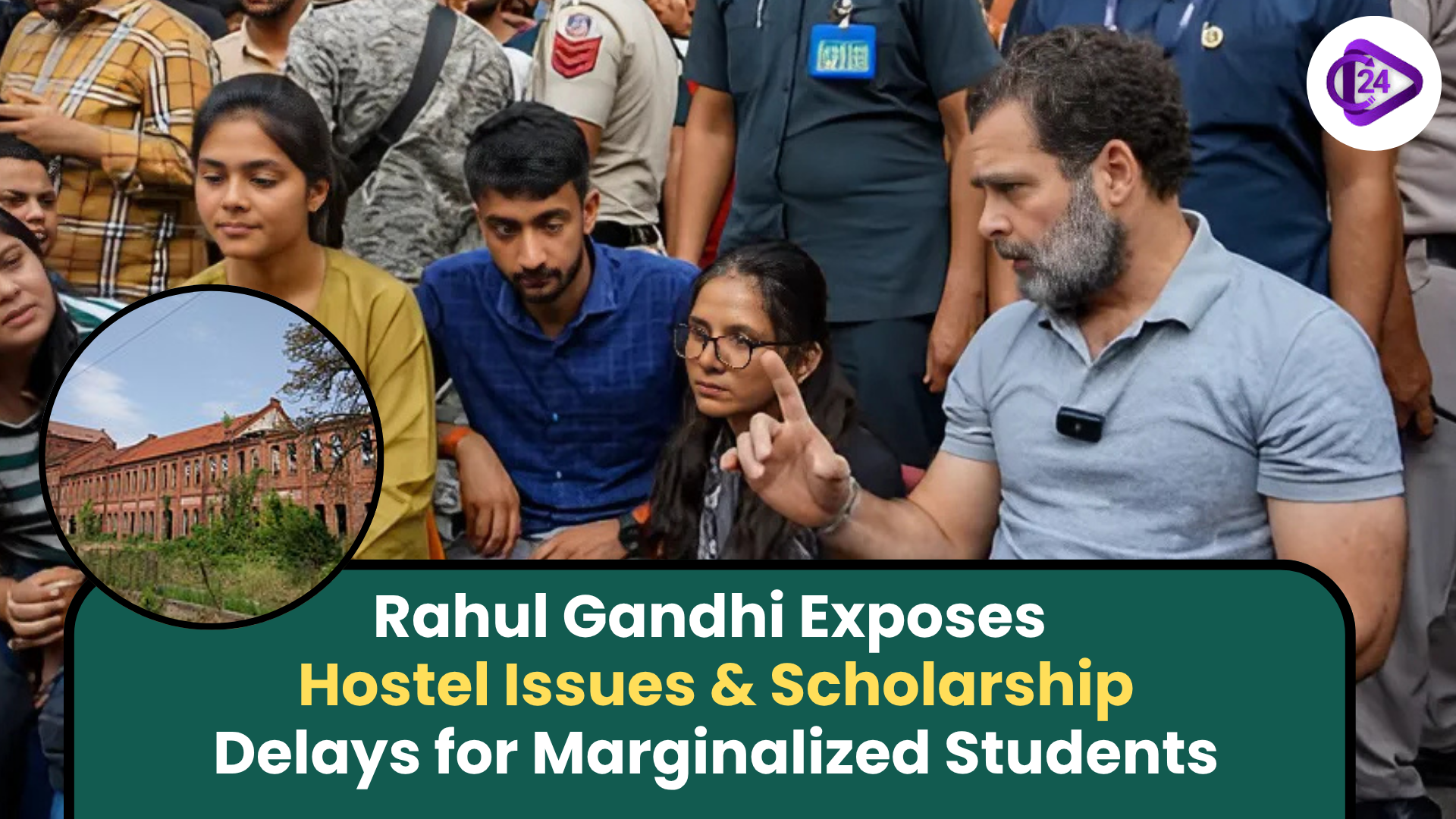
Rahul Gandhi Writes to PM Modi, Urges Action on Hostel Conditions and Delayed Scholarships for Marginalised Students

Rahul Gandhi, the Congress leader, wrote two important issues in a letter to Prime Minister Narendra Modi concerning the students of marginalised communities in India. He raised the issue of bad conditions in hostels of Dalit, Scheduled Tribes (ST), Economically Backward Classes (EBC), Other Backward Classes (OBC) and minority students and the delays that are being witnessed in the post-matric scholarships that are to be received by these groups. Gandhi is asking the PM to act NOW on these matters, which according to him, is throwing barriers to education prospects of most learners in marginalized communities. He particularly cited the pathetic state of hostels and the system breakdown in scholarship payments.

Rahul Gandhi has written to PM Modi highlighting the pathetic state of hostels run by the marginalised students and the continuous delay in releasing post-matric scholarships. Gandhi has demanded that the hostels be audited and the scholarship amounts be provided in time and in increased amounts.

Key Details from Rahul Gandhi's Letter to PM Modi

1. Poor Hostel Conditions for Marginalised Students

Specific Concerns:

Gandhi highlighted the lack of good infrastructure in hostels accommodating Dalit, ST, EBC, OBC and minority students especially in Ambedkar Hostel, Darbhanga in Bihar.

  • Overcrowding: Individual rooms that 6-7 students live in making the living conditions uncomfortable.

  • Hygiene Issues: Dirty toilets and drinking water that are not safe and put the health of the students at risk.

  • Lack of Amenities: Lack of mess facilities, libraries and internet access that further limit the scope of students to study and prosper in academics.

2. Delays and Failures in Post-Matric Scholarships

Scholarship Issues in Bihar:

Gandhi pointed to the fact that the scholarship portal has not been functioning in the state of Bihar in the last three years and therefore, no scholarships could be issued to students in the academic year 2021-22.

  • The number of Dalit studentsGettingscholarship also saw a huge decline as it was 1.36 lakh in FY23 but came down to only 0.69 lakh in FY24.

  • Students still protest the amounts of the scholarships that are inadequate, and they fail to satisfy the needs of the students.

3. Urgent Measures Requested

Audit of Hostels:

Gandhi has demanded the audit of all hostels where students belonging to the marginalized communities reside to ascertain the condition of infrastructure, sanitation, food facilities, and academic support facilities are up to the mark.

  • Increased Funding for Hostels: He pointed out that there should be proper allocation of funds to rectify shortcomings to provide a good living and learning environment.

  • Timely Disbursement of Scholarships: Gandhi also requested the government to pay special focus on releasing the post-matric scholarships in time, and also increase the scholarship value. He also requested better implementation of the schemes by giving close cooperation to state governments.

4. Focus on Marginalised Youth

Empowering Marginalised Youth:

Gandhi emphasized that the development of India is impossible without allowing the marginalized community youth to excel in their academics. He said that education is a ticket to economic mobility and inclusive development, which would benefit the nation at large.

5. The Importance of Addressing These Issues

Increased Educational Opportunities:

  • The letter written by Gandhi highlights how the government can level the playing field in terms of educational opportunities by enhancing hostel facilities and scholarships in the country.

  • The ability to access quality education and receive financial assistance in time will support the idea of inclusive growth and make sure that the future generation is ready to make a positive contribution to society.

Conclusion

The letter written by Rahul Gandhi to PM Modi sheds light on the systematic problems that exist in India that work against the education of marginalized communities. Demanding an audit of hostels, prompt payment of scholarships as well as the enhanced financial assistance, Gandhi is proposing measures to overcome these obstacles so that access to education can be made universal. These issues must be tackled to enable an inclusive environment and ensure that the marginalized youth prosper to enable the socio-economic growth of India.

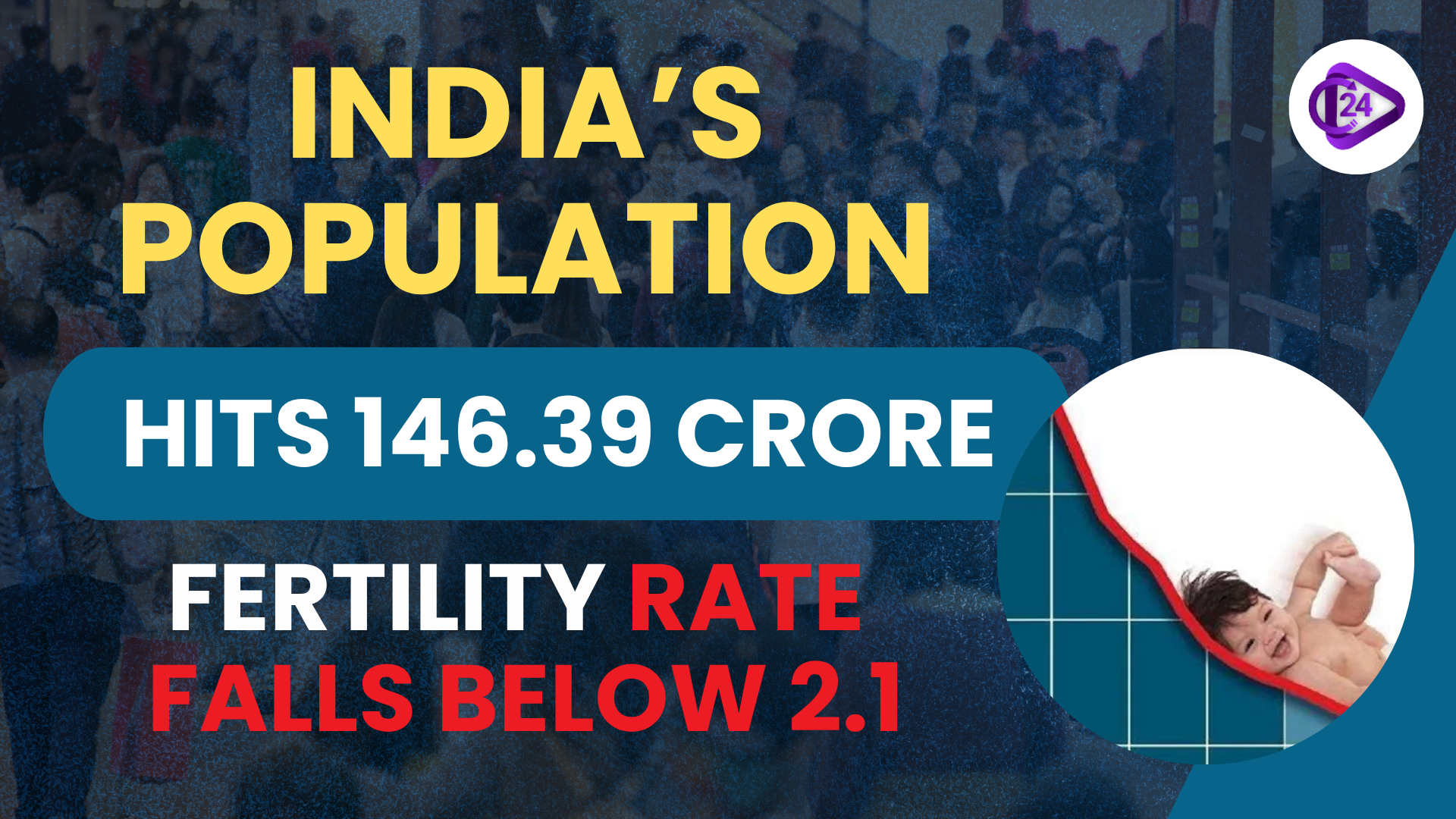
India’s Population Reaches 146.39 Crore, Fertility Rate Drops Below Replacement Level: UN Report

The United Nations in its State of the World Population 2025 report says that India has a population of 146.39 crore. The total fertility rate (TFR) of the country has declined to 1.9 which is below the replacement level of 2.1 and this is a major demographic transition. The population will still be on the rise with an anticipation to reach 170 crore and then it will begin to drop in approximately 40 years. The report mentions the youth population of India and the future population increase of the aged citizens. The paper offers a good reminder of the significance of reproductive agency and why family planning decisions should be well informed.

The population of India has crossed the 146.39 crore mark and the fertility rate has slipped below the replacement rate to 1.9. Demographic trends of the country indicate that its population will grow to 170 crore and then it is expected to start declining in 40 years, but the old population will be rising.

Key Insights from the UN Report on India's Population

1. Population Growth and Fertility Rate

  • Present Population: 146.39 crore (April 2025).

  • Fertility Rate: Decreased to 1.9 which is lower than the replacement level of 2.1.

  • Future Projections: The population is likely to reach 170 crore and then it will begin to decrease in approximately 40 years.

2. Demographic Indicators

  • Youth Population: 24 percent of the population is in the 0-14 age bracket, 17 percent in the 10-19 age bracket and 26 percent in the 10-24 age bracket.

  • Working-Age Population: The population in the bracket of 15-64 years is 68 percent.

  • Aged Population: 7 percent of the population is aged 65 and above, which is bound to increase due to better life expectancy.

3. Life Expectancy Projections

  • Projected Life Expectancy:

  • 71 years for men.

  • 74 years for women.

4. Reproductive Agency

  • The report shows the fertility crisis that really exists, where not all people are able to make free and informed decisions about reproduction.

  • Focus on Reproductive Rights: Advocates to achieve reproductive agency as one way of solving this crisis.

5. Data and Projections

  • Sources of Data: National household surveys, World Population Prospects 2024, and Model-based Estimates and Projections of Family Planning Indicators 2024.

Conclusion

India is experiencing demographic transition characterized by reduced fertility rates, which indicates a turn towards a new dynamics of population growth. An opportunity exists with the gradual rising of the working-age population and the increased life expectancy, whereas a challenge lies in the gradually rising numbers of the elderly population. Focus on reproductive rights and family planning access will be very important in determining the demographic future of India.

Frequently Asked Questions (FAQs)

The current affairs cover recent national and international events related to UPSC, SSC, Banking, Railways, and State PCS.

You need to read about the current affairs daily, and revise them every week and every month to keep them longer in your memory.

Yes, Class24 provides free downloadable Daily Current Affairs PDFs for easy revision.

Yes, you can practice MCQs and quizzes to boost your exam preparation.

Absolutely. The content is written in simple, easy-to-understand bilingual language suitable for beginners.

Go to class24.com and click on the current affairs section directly, where you find everything that you need.

ssc-toppers

Start Learning Today with Class24

Related current affairs

Class24 offers free video lectures for smart preparation, covering CGL, CPO, CHSL, MTS, and GD exams. Learn from expert faculty, revise concepts easily, practice with PYQs, and improve speed and accuracy through high-quality, exam-focused video lessons anytime, anywhere.

Get success in your hand. Start study anytime anywhere.

The journey becomes simple and enjoyable when you start taking interest in it. And through our app “Class24”, we will be your trusted partners in developing that interest.

Daily Quizzes
Mock Tests
Ongoing

No ongoing tests right now.