
Day: April 1, 2025

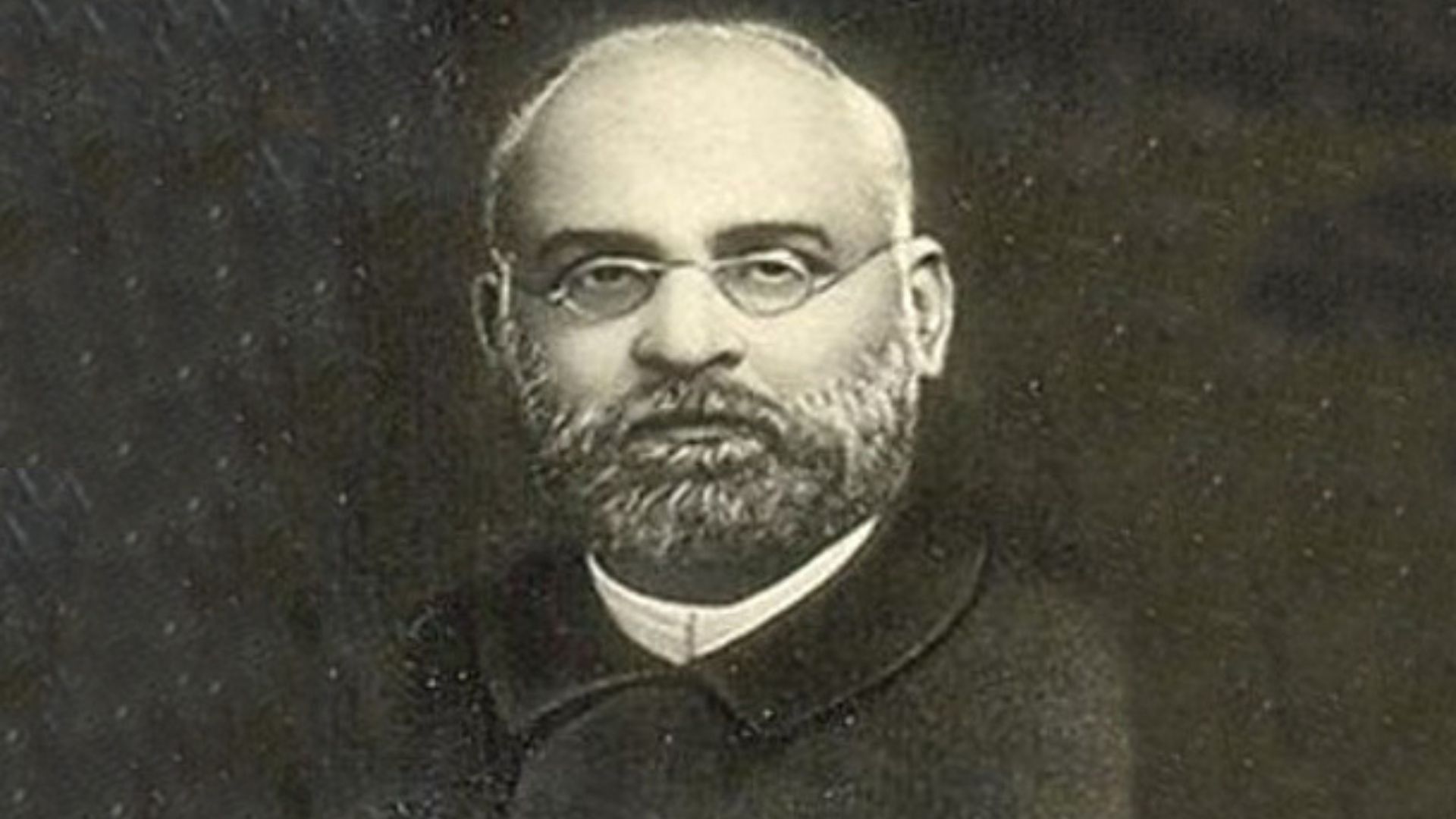
PM Pays Tributes to Shyamji Krishna Verma on His Death Anniversary

Prime Minister Narendra Modi honored revolutionary and freedom fighter Shyamji Krishna Verma on the day of his death anniversary which occurred on 30th March. Shyamji Krishna Verma arrived in the world during 1857 in Gujarat as a prominent Indian leader who dedicated his career to enhancing India's struggle for freedom by writing and performing revolutionary acts in support of nationalistic causes. He established the Indian Home Rule Society and India House and founded The Indian Sociologist as a publication to spread nationalist ideas and opposition against colonial governance. Through his inspiring leadership Veer Savarkar joins a distinguished list of modern Indian influences that includes generations inspired by Verma.

About Shyamji Krishna Verma: 

Early Life and Education:

  • The date of birth for Shree Bhikaiji Rajaram Parkar falls on 4th October 1857 at Mandvi within Kachchh district of Gujarat.

  • The linguistic expertise of Sanskrit which he displayed resulted in Professor Monier Williams from Oxford University showing interest in him.

Inspirations and Influences:

  • The ideas and philosophy of Bal Gangadhar Tilak, Swami Dayanand Saraswati and Herbert Spencer significantly inspired him.

  • He made essential contributions to propagate nationalist ideals alongside self-rule doctrine throughout India.

Revolutionary Work:

  • He established the “Indian Home Rule Society In London” with the purpose of advancing Indian independence.

  • The revolutionary activities targeting British colonial rule found a base at India House after Madan approved its establishment.

  • He published “The Indian Sociologist” which emerged as a monthly journal that disseminated nationalist ideas alongside British colonialism criticism.

Key Contributions and Leadership:

  • Through his leadership Bombay Arya Samaj created its history as President while intensifying social reform work alongside nationalist activities.

  • When Veer Savarkar joined India House he received his inspiration from Mrs. Sarojini.

  • The Indian leader assumed multiple Divan positions across princely states of India which he deployed to champion Indian causes.

Legal Struggles and Exile:

  • After being dismissed from practicing law in 1905 Verma was a London barrister because of his sedition activities against British rule.

  • At that point British criticism forced him to relocate first to Paris and then to Geneva until the end of his life during World War I.

Posthumous Recognition:

  • The governing council of the Inner Temple issued a posthumous reinstatement of Verma in 2015 because he failed to obtain a fair trial in his sedition case from 1905.

Death and Legacy:

  • Shyamji Krishna Verma died on 30th March 1930 while residing in Geneva.

  • His revolutionary efforts in India's independence campaign continue to affect us strongly because he envisioned an independent self-sufficient nation that still leads our country today.

Conclusion:

His influence on the Indian freedom movement emerged from a combination of intellectual expertise and revolutionary fighting spirit. Through his creation of the Indian Home Rule Society and India House together with The Indian Sociologist publication Verma united Indian youth and fought for independence. Through his leadership despite harsh exile and legal troubles Verma secured a permanent place in Indian history as a freedom fighter for his country.

‘Shishtachar’ Squads Launched in Delhi to Ensure Women’s Safety

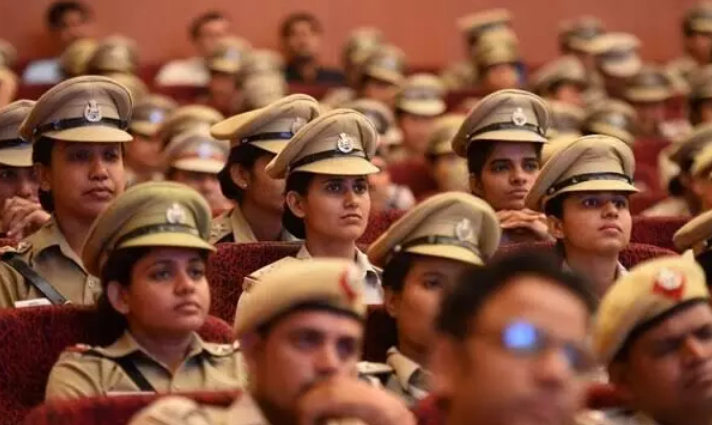
The Delhi Police implemented the 'Shishtachar' squads as an operational unit to stop harassment while simultaneously protecting women using public areas. These squads send male and female police officers in casual attire to maintain high-crime areas of the city for preventing harassment and eve-teasing activities. Since their formation the squads have detained over 300 people while also guiding public transportation users to utilize Himmat App and SOS features.

Context: 

  • The Delhi Police established the 'Shishtachar' squads that focus on both stopping harassment and providing security measures to protect women during their interactions in public areas. 

  • Police have stationed plainclothes male and female officers throughout high-crime parts of the city to stop eve-teasing together with other acts of harassment.

Launch and Purpose of ‘Shishtachar’ Squads:

  • The BJP-led government implemented ‘Shishtachar’ squads after winning the Delhi Assembly elections as they vowed to protect women from harassment and promote their security.

  • Thirty mixed-gender law enforcement squads operate in various criminal areas where they conduct duty.

Working Mechanism:

  • Police officers wear regular clothes while patrolling public areas to stay invisible among civilians which prevents men who harass from recognizing them as officers.

  • The officers maintain presence at schools, colleges, parks, bus stops and active sites throughout public areas to stop unwanted advances of harassment, particularly eve-teasing.

Key Interventions and Actions:

  • Authorized personnel arrested e-rickshaw operators from Govindpuri metro station after they started harassing female passengers.

  • Individuals under detention receive a warning or get fined through Section 65 of the Delhi Police Act.

  • The squads teach commuters about the SOS button on buses combined with Himmat App function which allows reporting harassment.

Awareness Campaigns:

  • Public safety awareness and harassment response are primary responsibilities of these squads who explain how to access services through the Himmat App and the SOS bus button.

  • The team members approach people directly at parks together with bus stops to teach them about accessible resources.

Impact and Outreach:

  • Since these squads started operating more than 300 individuals have received arrests in the city for offenses associated with harassment.

Similar Initiatives for Women’s Safety

  • Shishtachar Squads (Delhi Police Initiative)

    • The squads work in street uniforms to deter harassment in outdoor public areas.

    • These locations include metro stations together with bus stops and parks and also crowded areas.

  • Anti-Romeo Squads

    • The state of Uttar Pradesh had a direct influence on the formation of these patrolling teams for combating eve-teasing and harassment.

  • One-Stop Centers (OSCs)

    • Support centers operate as medical and legal and psychological assistance centers for women in crisis.

  • Himmat App (Delhi Police)

    • Emergency mobile app for women to alert police in distress situations.

    • GPS tracking for quick response.

  • Suraksha App

    • Women’s safety app for immediate complaint registration and location tracking.

  • Nirbhaya Fund

    • The central authority of India provides dedicated financial support for various safety projects targeting women.

    • The funding supports CCTV camera installations and emergency systems with crisis management centers construction.

  • CCTV Surveillance (Delhi Govt.)

    • The authorities have installed cameras across metro stations along with markets and public areas for surveillance purposes.

  • Beti Bachao Beti Padhao Scheme

    • Focuses on empowering girls through education and awareness.

  • Mahila Police Volunteer (MPV) Scheme

    • The MPV scheme enables community women to serve as intermediaries between victims and police departments for victim reporting.

  • Public Awareness Campaigns

    • The establishment of educational platforms which deliver materials about gender sensibility as well as women's empowerment.

Conclusion:

Delhi Police implements 'Shishtachar' as their proactive plan to offer security to women and control harassment cases. The initiative sends plain-clothed officers to high-risk areas because their presence creates fear in possible harassers. This initiative both provides instant security assurance and educates female citizens about safety resources in Delhi which supports overall public safety creation for everyone.

SpaceX Successfully Launches Fram2 Mission: First Human Spaceflight Over Earth’s Poles

The Fram2 mission from SpaceX reached the remarkable achievement of operating the inaugural flight carrying human passengers in orbital space from one pole to another. A Falcon 9 rocket launched the civilian crew from Kennedy Space Center into a 90-degree polar orbit where they will spend 3 to 5 days completing research that includes the initial space x-ray alongside microgravity mushroom and other experiments.

Launch Details & Orbital Path

  • The mission will launch on March 31, 2025 at 9:46 PM (ET).

  • The launch occurred from Kennedy Space Center in Florida.

  • Vehicle: Crew Dragon Resilience atop a Falcon 9 rocket.

  • This spacecraft enters orbit ninety degrees above the horizon from the Earth's surface while flying at an altitude of 267 miles (430 km).

  • Duration: 3 to 5 days, with each orbit lasting 46 minutes.

Historic Firsts Achieved

  • First human spaceflight to traverse Earth’s poles.

  • First-ever x-ray taken in space.

  • The mission tried cultivating mushrooms while floating in weightlessness for the first time.

  • First SpaceX Dragon crew recovery on the U.S. West Coast.

Mission Crew & Roles

Astronaut

Role

Background

Chun Wang

Mission Commander

Maltese Cryptocurrency Entrepreneur

Jannicke Mikkelsen

Vehicle Commander

Norwegian Film Director & Cinematographer

Rabea Rogge

Pilot

German Robotics Researcher

Eric Philips

Mission Specialist & Medical Officer

Australian Polar Adventurer

Scientific Research & Experiments

  • The crew successfully executed the initial X-ray scanning procedures for human physiology under weightless conditions.

  • The investigation examines how space exploration affects human muscles together with the skeletal system.

  • Growing mushrooms in space as a potential food source.

  • A special vantage allowed scientists to monitor atmospheric processes happening on Earth.

Landing & Recovery

  • Estimated Return: April 4-5, 2025 (TBD).

  • Landing Site: Pacific Ocean, off the Southern California coast.

  • Capsule Reuse: Crew Dragon Resilience on its fourth flight.

Conclusion:

The mission known as Fram2 represents a major advancement for space exploration because it extends scientific progress and enhances human space exploration capacity. The mission establishes new standards that will support deep-space exploration and commercial space flight through its implementation of both polar orbital delivery and innovative scientific studies.

India Launches ‘Operation Brahma’ for Quake-Hit Myanmar

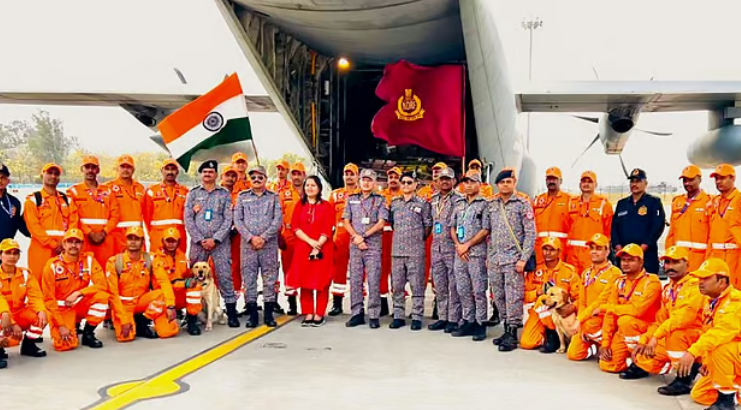
India launched 'Operation Brahma' as its rapid disaster relief operation to support Myanmar after the earthquake on March 29, 2025. Prime Minister Narendra Modi committed to sending humanitarian aid as he dispatched search & rescue personnel together with medical resources in the disaster areas. A field hospital alongside relief supplies and military staff along with Navy and Air Force personnel coordinated to aid Myanmar recover from the disaster.

Key Points:

India’s Swift Response – ‘Operation Brahma’

  • The Indian Prime Minister expressed sympathy and announced total domestic support through his declaration.

  • The first emergency aid distribution from IAF C-130 aircraft took place during this mission when it landed in Yangon.

  • Two more Indian Air Force aircraft continued to deliver extra relief aid.

  • India will construct a medical facility which intends to operate in the zones affected by the disaster.

Ministry of External Affairs (MEA) on India’s Role

  • Through the Ministry of External Affairs India maintained its position as a first responder nation to provide crisis relief during events such as Cyclone Yagi 2024.

  • The safety of Indian nationals remains intact while there are 50,000 to 60,000 Indian citizens living in Myanmar.

Deployment of Indian Military & Naval Forces

  • Field Hospital Details:

    • The team consisted of 118 personnel under the leadership of Lt. Col. Jagneet Gill (Shatrujeet Brigade).

    • The medical facility includes operational theater systems and X-ray technology in addition to dental services and female medical staff.

  • Naval Assistance:

    • A total of four Indian naval ships transported 50 tons of aid materials.

    • Deployment for Humanitarian Assistance and Disaster Response (HADR) operations.

Challenges in Delivering Aid

  • The delivery of aid becomes difficult in Myanmar because the junta government and the Ethnic Armed Organizations maintain an active state of conflict.

  • The strategic transportation through Manipur and Mizoram experiences significant operational difficulties.

The Growing Death Toll & India’s Continued Commitment

  • The death toll reached 1,644 individuals while professionals continue to carry out rescue activities.

  • India intends to increase its support through additional aid shipments alongside medical personnel along with engineering units to rebuild Myanmar after the disaster.

Conclusion

Operation Brahma establishes India’s dedication to maintain regional security while functioning as a humanitarian aid provider. Under Myanmar's political circumstances India keeps offering essential support which strengthens its position as a dependable initial responder in global emergencies.

India-U.S. Tri-Service Exercise Tiger Triumph to Enhance HADR Operations

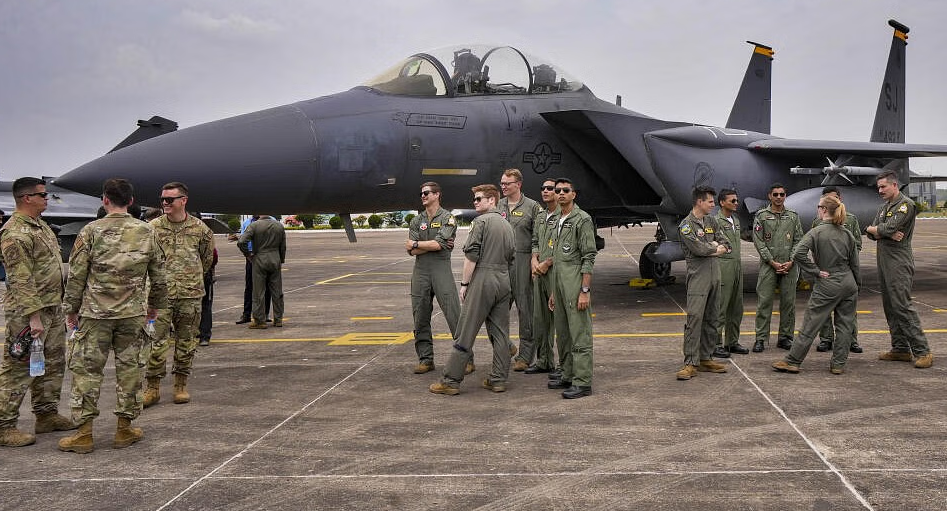
Commercial operations under the Tiger Triumph exercise will run from April 1 to April 13 in the Eastern Seaboard part of India. The exercise pursues military cooperation between Indian and U.S. armed forces through all service branches to develop disaster relief capabilities while creating joint coordination centers that improve crisis response groups. Joint military operations under Tiger Triumph will incorporate maritime and amphibious duties as well as humanitarian assistance through a broad scope of participating military units.

Introduction

  • The Eastern Seaboard will host the fourth edition of the India-U.S. combined tri-service Humanitarian Assistance and Disaster Relief (HADR) exercise under the name Tiger Triumph over April 1-13.

Objective of the Exercise:

  • Indian forces and their U.S. counterparts will work together to improve their abilities in providing HADR support operations.

  • Standard Operating Procedures (SOPs) need development to create a Combined Coordination Centre (CCC) which enables expedited coordination between forces during exercise periods and crisis situations and emergencies.

Participating Forces:

Indian Contingent:

  • Naval ships INS Jalashwa, Gharial, Mumbai, and Shakti.

  • The exercise participated with C-130 transport aircraft and MI-17 helicopters and P-8I maritime patrol aircraft which belong to the Indian Air Force.

  • During the exercise three Army units under command were the 91 Infantry Brigade along with 12 Mechanised Infantry Battalion and the Rapid Action Medical Team (RAMT).

U.S. Contingent:

  • The exercise involved the participation of USS Comstock along with Ralph Johnson which carried U.S. Marine Corps Forces (Pacific).

Phases of the Exercise:

  • Harbour Phase (1-7 April):

    • Opening ceremony with a joint flag parade and media interaction onboard INS Jalashwa.

    • Training visits and expert exchanges along with sporting activities combined with social interactions occurred during the exercise.

  • Sea Phase (Following Harbour Phase):

    • Maritime, amphibious, and HADR operations off the coast of Kakinada.

    • A joint control center was set up by both U.S. Marine forces and Indian Army personnel for unified command operations.

    • A joint medical facility operated under collaboration between the RAMT from the Indian Air Force and medical personnel from the U.S. Navy delivered medical assistance to affected individuals.

Conclusion:

Tiger Triumph represents a key advancement in integrating defense and humanitarian missions between the military forces of India and the U.S. Tiger Triumph will boost crisis response capabilities by concentrating on enhancing the tactical integration of participating military forces during HADR operations. Through their combined maritime and medical assistance operations the participating forces build enhanced military relationships which improve their ability to work together during future emergencies.

Indian Army Inducts Indigenous FPV Drones with Anti-Tank Payload

Modern warfare received a major advance from the Indian Army after the service induction of an anti-tank payload First Person View (FPV) drone platform developed domestically. Terminal Ballistics Research Laboratory (TBRL) at Chandigarh created this drone through their in-house development program which now has proven successful as tactical warfare technology. This breakthrough technology enters military service through the introductory drone deployment of five units while planning to add 95 additional systems to the Army’s drone fleet.

Introduction:

  • The Indian Army moves toward modern warfare operations through the adoption of First Person View (FPV) drones which carry anti-tank payload systems.

  • The FPV drone system originated from laboratory work conducted at Terminal Ballistics Research Laboratory (TBRL) located in Chandigarh.

Key Points:

  • Indigenous Development: The FPV drone represents a critical achievement in Indian Army self-sufficiency because TBRL collaborated with Major Cephas Chetan to develop this drone through internal efforts.

  • Anti-Tank Payload: This drone includes anti-tank ammunition which enables kamikaze attacks for military strikes. The Indian Army obtains valuable capabilities for modern warfare from these drones that excel at neutralizing tanks along with armored vehicles.

  • Collaboration with TBRL: Development testing and validation of the drone were completed by TBRL at their Terminal Ballistics Research Laboratory located in Chandigarh which ensured battlefield-readiness and security of the system.

  • Cost efficiency: Each FPV drone costs ₹1.4 lakh which presents military forces with an economical option allowing them to use them instantly in multiple combat environments.

  • Rising Star Drone Battle School: It functions as an Indian facility that focuses on drone technology buildup while showing the country’s drone warfare progress.

  • Tactical Warfare: It has made a new leap forward through FPV drone systems deployed with anti-tank payloads making military operations resemble what FPV drones achieved during Ukrainian warfare.

Conclusion:

Indian troops achieved a strategic milestone by integrating the FPV drone system with anti-tank weaponry into their tactical drone operations. The development of this technology within the country allows India to boost its military might while affirming its dedication to become technologically self-sufficient. The Indian Army will greatly boost its operational capabilities in future conflicts through future drone procurement and continued program expansion of its drone warfare capabilities. The acquisition marks a turning point in contemporary warfare since drones will become progressively more critical to military operations.


PM Modi to Inaugurate Vande Bharat Train to Srinagar on April 19

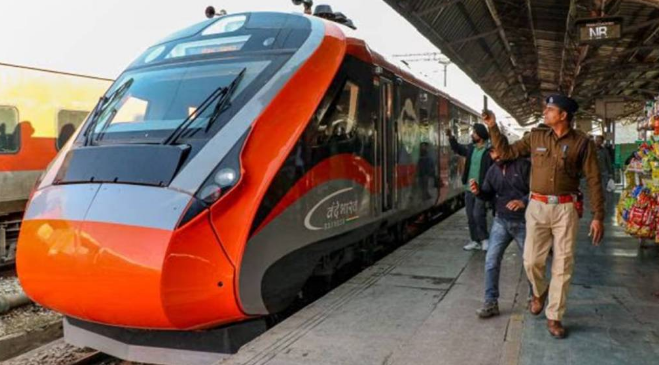
Prime Minister Narendra Modi plans to open the Vande Bharat train service from Katra to Srinagar during his official event on April 19. 2025. The new railway connection will establish a faster journey between these cities by shortening the trip from six to seven hours by road to only three hours by train. The Udhampur-Srinagar-Baramulla Rail Link (USBRL) incorporates the new Vande Bharat train service which will maintain climate-specific equipment to operate during the severe Jammu and Kashmir winters.

Context: 

  • Prime Minister Narendra Modi plans to open the Vande Bharat train service from Katra to Srinagar during his official event on April 19,2025. 

  • The Udhampur-Srinagar-Baramulla Rail Link (USBRL) incorporates the new Vande Bharat train service which will establish a faster journey between these cities by shortening the trip from 6 to 7 hours by road to only 3 hours by train.

Key  Points:

  • Time reduction: Travelers on the Katra-Srinagar route can now benefit from a time reduction to three hours thanks to the Vande Bharat train introduction which surpasses the previous six to seven hours when using the road-based system.

  • Completion of USBRL Project: When USBRL Project finishes its execution it will reach its final stage as the Katra-Srinagar Vande Bharat train starts operations.

  • Climate Specific Features: The Kashmir Vande Bharat train version contains temperature-specific design elements with both heating systems and designed GetLook-out glass defrost capabilities for the driver's forward view.

  • Engineering achievements: Two extreme engineering achievements are featured on this route: The Chenab Bridge stands 359 meters high and the Anji Khad Bridge positions itself as India's initial cable-stayed bridge.

  • Strategic Importance: The development process for USBRL launched in 1997 moved through significant difficulties because of Himalayan mountain terrains to become a historic landmark for regional connectivity.

  • social and economic importance: The newly constructed train service will generate multiple social and economic advantages by expanding local tourism while stimulating development opportunities and improving regional access to vital destinations specific to Jammu and Kashmir.

Conclusion:

The Vande Bharat train service that starts at Katra while reaching Srinagar marks a fundamental transformation for the development of Jammu and Kashmir. Through these changes the region will experience improved connectivity and reduced travel durations and better access alongside socioeconomic growth stimulation. India asserts its engineering expertise by creating multiple essential bridges and tunnels as part of this project. When the USBRL project concludes the region will benefit from better connectivity that will advance both social and economic connection. This train service received its official opening from Prime Minister Modi as part of the government's modernization efforts to enhance regional accessibility.

Sarhul Festival: A Celebration of Nature and Adivasi New Year

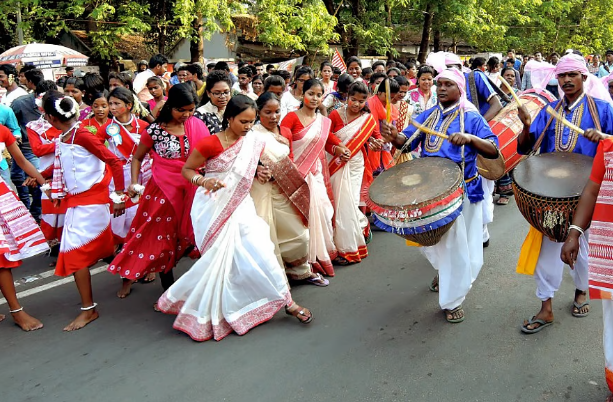
Different tribal groups in Jharkhand together with the Chhotanagpur region celebrate Sarhul as their festival for welcoming spring time as well as their tribal new year tradition. Through its nature-based nature Sarhul honors Sal trees as divine beings that connect cosmic Sun energy with Earth to enable agricultural growth and perpetuate biological existence. The festival combines sacred rituals together with dances as well as community meals to display tribal people's profound spiritual connection to their environment.

Key Points:

  • Worship of the Sal tree represents the core meaning of the word "Sarhul." People use Sarhul as an occasion to welcome the spring season while simultaneously starting the year according to the Adivasi calendar and recognizing the essential role of nature in providing life.

  • The Oraon, Munda, Santal, Khadia, and Ho tribes together with other Adivasi communities from Chhattisgarh, Odisha, Bihar and Assam, Andaman, Nepal, Bangladesh and Bhutan observe Sarhul the festival.

Significance of Sarhul:

  • The festival of Sarhul signifies the beginning of spring as well as the New Year since its name means "Sal tree worship".

  • Sarhul represents the essential cosmic binding that unites Earth and Sun since this connection drives agricultural production and biological existence.

Tribal Communities Involved:

  • Oraons Munda tribes share this festival together with Santal and Ho tribes through Jharkhand and Chhattisgarh, Odisha and Bihar, Assam and Andaman, Nepal, Bangladesh and Bhutan.

Role of the Sal Tree:

  • The Sal tree serves as the principal symbol of the festival since tribal peoples consider it the dwelling place of “Goddess Sarna”.

  • The essential nature of the Sarna Sthal worship depends on the present existence of at least 1 Sal tree in the sacred grove.

Rituals and Traditions:

  • During the observance the Pahan priest both fasts and measures how water travels through three clay containers in order to predict rainfall.

  • Three young roosters (fowl) are sacrificed to worship Singbonga and Dharmesh as well as the village deities and deceased ancestors during this religious ceremony.

  • Jadur together with Gena and Por Jadur serve as the traditional dance forms performed by the community members.

Community Celebrations:

  • The traditional celebrations involve musical performances combined with dancing and feasting activities while distributing rice beer (Handia) as sacred gifts.

  • The priest provides blessings to the inhabitants by using Sal tree flowers and holy water that represent health together with prosperity and safety.

Agricultural Importance:

  • Farmers wait for the festival completion as they begin their agricultural work only when the religious ceremonies end.

  • A blessing ceremony includes giving away Naur or Sarai, which happens to be the Sal tree's fruit to signify favorable agricultural harvests.

Cultural Significance:

  • The Adivasi community marks Sarhul through activities that both unite their social networks and reinforce indigenous cultural heritage as they deepen their environmental connections to natural habitats.

Conclusion:

The Sarhul festival represents more than tribal calendar celebrations because it fully demonstrates the indigenous communities’ strong emotional connection with nature. Through the festivities the community demonstrates its religious bond with nature and its domains of agriculture and universal cosmos. Sarhul embraces rituals combined with dances and communal participation to maintain cultural solidarity while drawing attention to both the natural importance of the Sal tree together with the regular seasonal progression. The festival stands as a crucial opportunity to emphasize both nature conservation and ecological equilibrium with the environment.

Uttarakhand Forest Department partnered with WWF to install trap cameras in the interiors of forests

WWF collaborated with Uttarakhand Forest Department to place trap cameras inside forests that alert about wildlife crossings on forest roads for both driver protection and animal preservation. The World Wide Fund for Nature (WWF) started in 1961 to stand as a worldwide NGO dedicated to environmental protection and diminishing the actions humans have on nature. The international headquarters of WWF is located in Gland Switzerland while its operations span over 100 countries which organize more than 3000 conservation projects. Environmental protection stands as the main purpose along with sustainable living advocacy among the organization's fundamental objectives.

WWF (World Wide Fund for Nature)

Overview:

  • WWF operates as an international non-governmental organization dedicated to both nature protection and minimizing human disturbance of the environment. 

  • WWF started its mission in 1961 to protect crucial environmental issues including wildlife conservation and climate change among others globally. 

  • WWF directs its projects to develop a lasting future that enables human and nature coexistence in harmony.

Key Information:

  • Established: 1961

  • Founders: Sir Peter Scott, Max Nicholson, and others

  • Objective:WWF created its foundations for the purpose of supporting the International Union for Conservation of Nature (IUCN) together with global conservation initiatives through fundraising and activism.

  • Headquarters: Gland, Switzerland

Mission and Objectives:

  •  WWF exists to stop environmental destruction while pushing forward the development of sustainability for the future. 

  • As part of its mission WWF strives to develop sustainable conditions which allow human development and natural protection to live in harmony.

  •  The organization fulfills its mission using different project-based activities that protect biodiversity as well as fight climate change while advocating sustainable strategies.

Major Functions:

  • In 100 different countries WWF manages more than 3000 conservation initiatives across the board.

  • The organization produces two core reports: it publishes the Living Planet Report as well as operates the Living Planet Index which monitors global ecosystem well-being.

  • The organization focuses on global awareness through Earth Hour initiatives that motivate all people and businesses to switch off their lights for an hour to spread awareness about environmental change. At the same time the organization implements Debt-for-Nature swaps among other programs.

Key Focus Areas: 

  • WWF focuses on six core areas which serve as their main areas of environmental work:

    • Wildlife conservation

    • Forest protection

    • Ocean conservation

    • Freshwater management

    • Sustainable food systems

    • Climate change action

  • WWF utilizes AI tools together with sensor-based technologies that include wildlife monitoring systems combined with trap cameras to obtain data and monitor both habitat changes and wildlife movement.

Funding Sources:

  • The main sources of funding for WWF come from individual supporters who make up 65% while governments contribute 17% and corporate donors form 8% of the total amount.

Recent Developments:

  • Uttarakhand Forest Department entered a recent partnership with WWF to deploy their trap cameras into forest inner areas. The installed cameras will deliver instant alerts about wildlife activities on forest roads to inform drivers about animal movements thus preventing traffic accidents. 

  • The initiative reflects WWF's dedication to employing technology as an instrument for wildlife protection together with human safety measures.

Conclusion

WWF continues its mission toward biodiversity protection which creates sustainable environments simultaneously for wildlife and human populations. WWF implemented its conservation strategies during the Uttarakhand collaboration through technological interventions which protect wildlife populations and human beings at the same time. WWF conducts ongoing global initiatives using innovative solutions to lead environmental conservation progress and foster peaceful coexistence between people and the natural environment.

Waqf (Amendment) Bill, 2024: Upcoming Parliamentary Debate and Legislative Process

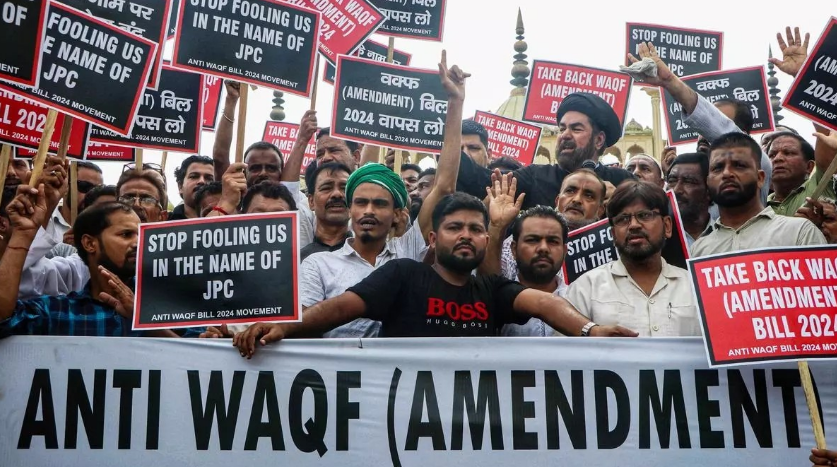
A joint parliamentary committee reviewed the Waqf (Amendment) Bill, 2024 in August of 2024 before the Lok Sabha will consider it on the day of April 2nd, 2025. The proposed Waqf (Amendment) Bill 2024 faces expected opposition but ministers from the BJP party plan to discuss it with India Bloc representatives before parliamentary submission. The bill targeting Waqf property management and governance in India was arranged to lack parliamentary approval when the Budget session ends on April 4, 2025. The enactment of this bill depends on the assent of both Lok Sabha and Rajya Sabha.

Context:

  • The Waqf Bill destined for the joint parliamentary committee in August 2024 is set to be introduced to the Lok Sabha on April 2. 

  • The Indian Parliamentary session will begin with Senior BJP ministers leading talks to India Bloc leaders about the bill before its presentation, according to sources.

  • The Budget session running in Parliament has an April 4th end date. Two parliamentary bodies need to approve this bill through the Lok Sabha and the Rajya Sabha to implement it.

Overview of the Waqf (Amendment) Bill, 2024:

Background:

  • The concept of Waqf (endowment) was introduced in India with the advent of Muslim rule. 

  • During the Mughal and Sultanate periods, Waqf management was centralised and theocratic in nature.

  • Waqf was also closely linked to conversion and cultural appropriation in pre-British India.

 Legislative Context:

  • Under the Waqf Act, 1954 and Waqf Act, 1995 authorities sought to take charge of Waqf property administration despite facing problems with management difficulties and property disputes.

  • The Waqf (Amendment) Bill of 2024 exists to resolve persisting Waqf governance issues and improve Waqf administration efficiency.

Key Amendments in the Bill:

  • Renaming the act: This bill changes the Waqf Act, 1995 name to "Unified Waqf Management, Empowerment, Efficiency, and Development Act, 1995" to stress governance and development elements.

  • Formation of Waqf: The current rules for creating Waqf have become more stringent while the "waqf by user" practice has been eliminated and waqf-alal-aulad specifications have been redefined to protect inheritance rights.

  • Government Property as Waqf: Under this amendment the ability of Waqf boards to claim government properties through Waqf is restricted to achieve definite property ownership decisions.

  • Waqf Boards and Tribunals:  shifted their leadership structure by adding diverse members who include non-Muslims and women to their boards.

  • Appeals Process: The Appeals Process allows people to file complaints against Waqf Tribunal rulings thus establishing judicial examination for increased responsibility.

Concerns and Criticisms:

  • The question of constitutional validity joins forces with religious considerations because of the orientation toward specific religious Waqf properties.

  • The concentrated system of power can produce delays which would diminish the management freedom of local communities.

  • The process of altering property ownership and appeals functions as a catalyst for increased legal disputes that extend to longstanding property disputes.

  • The unclear enforcement procedures create challenges during implementation that result in weak results.

Stakeholder Impact:

  • The adjustments to Waqf Institutions would increase oversight and administrative practices yet potentially diminish Waqf Board's management power of newly purchased properties.

  • Non-Muslim communities benefit from Waqf board membership yet they harbor doubts regarding religious self-governance.

  • Government institutions including central authorities may advance accountability responsibilities throughout audits and law enforcement operations while judiciary bodies will process appeals between cases which enhances their legal workload.

Socio-Political and Legal Implications:

  • The proposed Bill aims to fix land conflicts and improper Waqf property management even though this could result in religious disputes and political conflicts.

  • The government's elevated oversight role in judicial functions will potentially trigger national discussions about India's federal system of governance.

The Road Ahead:

  • The Waqf (Amendment) Bill, 2024 makes substantial system improvements for Waqf property management while increasing focus on accountability as well as effective administration.

  • Success hinges on the political environment, legal challenges, and efficient enforcement of new provisions.

  • Keeping the bill under continuous review and re formatting its provisions will likely produce the desired outcomes.

Conclusion

The Waqf (Amendment) Bill, 2024 currently stands at an essential juncture since its anticipated appearance before the Lok Sabha members. Political leaders continue discussions that will determine the fate of this bill despite receiving opposition from stakeholders. Once both Indian parliament houses pass it the Waqf (Amendment) Bill 2024 will introduce a fundamental change in Waqf property governance in India for increased efficiency, enhanced transparency and improved accountability measures. The bill needs further political discussion and legal clarification before it can successfully transition through the Lok Sabha.

Frequently Asked Questions (FAQs)

The current affairs cover recent national and international events related to UPSC, SSC, Banking, Railways, and State PCS.

You need to read about the current affairs daily, and revise them every week and every month to keep them longer in your memory.

Yes, Class24 provides free downloadable Daily Current Affairs PDFs for easy revision.

Yes, you can practice MCQs and quizzes to boost your exam preparation.

Absolutely. The content is written in simple, easy-to-understand bilingual language suitable for beginners.

Go to class24.com and click on the current affairs section directly, where you find everything that you need.

ssc-toppers

Start Learning Today with Class24

Related current affairs

Class24 offers free video lectures for smart preparation, covering CGL, CPO, CHSL, MTS, and GD exams. Learn from expert faculty, revise concepts easily, practice with PYQs, and improve speed and accuracy through high-quality, exam-focused video lessons anytime, anywhere.

Get success in your hand. Start study anytime anywhere.

The journey becomes simple and enjoyable when you start taking interest in it. And through our app “Class24”, we will be your trusted partners in developing that interest.

Daily Quizzes
Mock Tests
Ongoing

No ongoing tests right now.