
Day: February 11, 2025

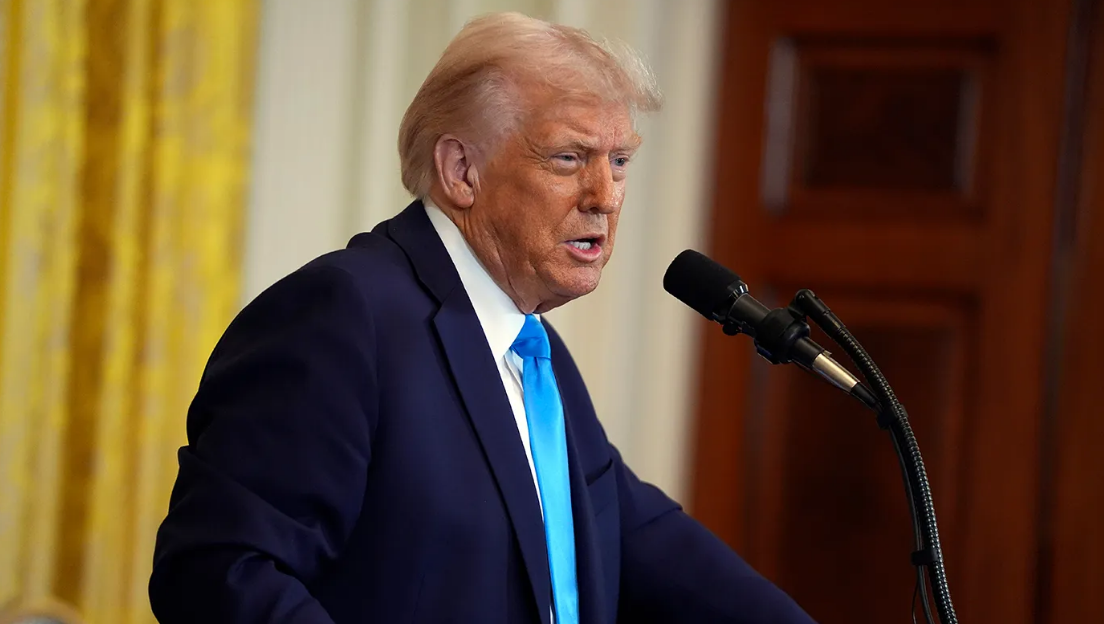
Trump’s Gaza Proposal: A Bold Vision or Controversial Gamble?

Trump presented his Gaza development plan as a transformative strategy which experts view either as an innovative proposal or a risky venture. Former President Donald Trump introduced a plan to seize Gaza for development into a commercial center that opposes current diplomatic norms. His blueprint opposes the existing two-state approach by proposing the population relocation of Gaza citizens and the development of economic projects along the Mediterranean coast. The proposal faces support from those advocating prosperity while critics express concerns about its legal as well as ethical aspects and geopolitical implications.

Overview

  • Former President Donald Trump generated substantial debate after making his public declaration about U.S. control of Gaza which he proposed to turn into an economic center.

  • His proposal dismantles established diplomatic standards in order to transform how the region develops.

Rejection of the Two-State Solution

  • The two-state solution maintained its importance as the single solution for Israeli-Palestinian peace until Hamas launched its recent military operation on October 7, 2023.

  • The Trump administration proposes economic development under US control instead of the two-state solution approach.

Relocation of Gaza’s Civilian Population

  • According to the plan Gazan civilians will need to move of their own free will from the enclave because its living situation is intolerable.

  • Some individuals point to legal restrictions against relocating people by force yet supporters maintain that munificence should be the foundation for this action.

Commercialization of Gaza

  • Trump wishes to establish a luxury oceanfront development on Gaza's coast which would resemble a "Riviera of the Middle East."

  • The planned economic expansion through major investments and development works could regenerate Gaza but faces challenges regarding operational reality and real estate ownership issues.

Moral and Ethical Considerations

  • Trump's approach to blaming Gazans becomes problematic because it suggests punishing the entire population for Hamas's electoral victory.

  • Throughout time we can detect comparable situations although ethical conflict persists about population relocation by force.

Geopolitical and Security Implications

  • The proposed U.S.-led military control of Gaza territory will reset everything in Middle Eastern international relations.

  • Israel along with Egypt and Gulf states together with other regional powers will shape the success of the outlined plan.

Feasibility and Practical Challenges

  • A damaged war zone requires substantial funds together with safety guarantees as well as cooperation between international organizations to transition into an advanced tourist and business destination.

  • The presence of terrorist groups and long-standing animosities pose serious risks

Conclusion

Trump’s move is bold and unconventional, presenting an economic-driven alternative to the ever going Israel-Palestine issue. However, its feasibility remains uncertain due to practical challenges, security risks and international legal concerns. Plans like these depend on diplomatic negotiations, mutual cooperation and humanitarian considerations before implementations.

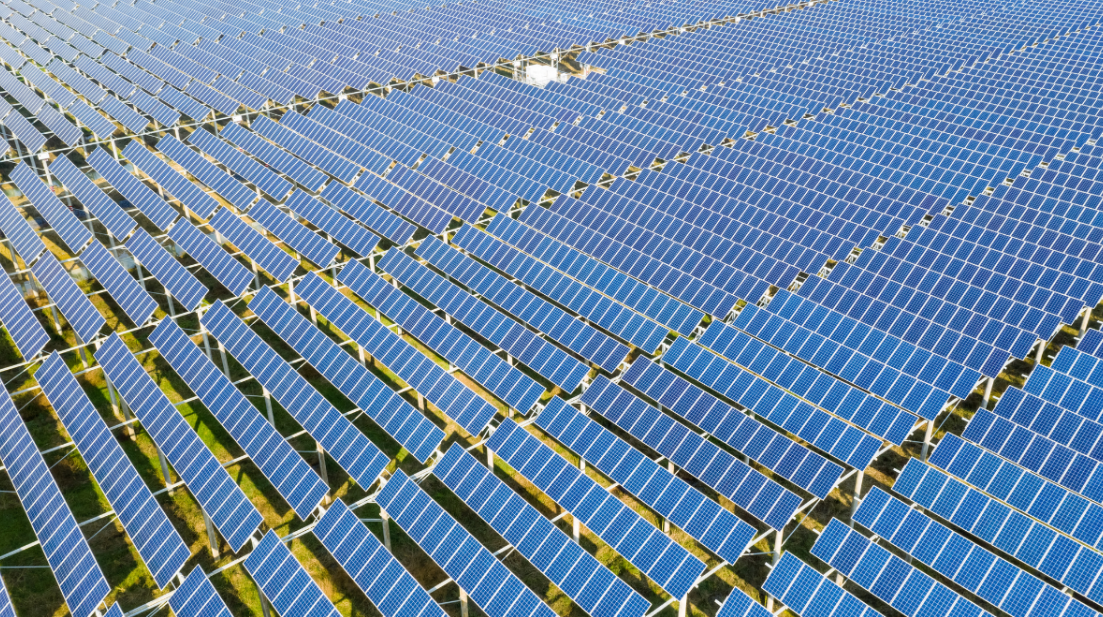
India Achieves 100 GW Solar Energy Capacity

The solar energy capacity in India exceeds 100 GW and serves as crucial progress toward achieving its renewable energy target of 500 GW by 2030. The renewable energy capacity of India has reached 100 GW where solar power stands as the principal contributor at 47% thanks to the PM Surya Ghar Muft Bijli Yojana together with the Solar Parks Scheme and Production-Linked Incentive (PLI) Scheme.

Milestone achievement of Solar Power Capacity in India

  • In January 2025, India surpassed 100 GW of solar power distribution throughout its territory.

  • Indian leadership in renewable energy has gained further strength because of this accomplishment.

  • Non-fossil fuel capacity expansion to 500 GW by 2030 receives substantial backing from this development.

  • The country surpassed Japan to claim the position of third-largest solar power producer during 2023.

  • The total solar power production in India exceeded Japan’s output by 3 billion units reaching 113 billion units.

  • The nation currently holds the fifth position worldwide regarding power capacity installation where solar capacity stands at 73 GW.

Growth Trends in Solar Installations:

  • Solar energy capacity in India experienced an enormous expansion over twelve years that increased 3,450% from its starting value of 2.82 GW in 2014 to reach 100 GW in 2025.

  • The solar power market recorded its most significant additions totaling 24.5 GW in 2024 which surpassed the previous year by 100 percent.

  • Major solar power-producing states: Rajasthan, Gujarat, Tamil Nadu, Maharashtra, and Madhya Pradesh.

Government Initiatives Driving Solar Growth:

  • PM Surya Ghar Muft Bijli Yojana (2024) has successfully promoted rooftop solar installations to reach 9 lakh total units.

  • Solar Parks Scheme: Establishing large-scale solar energy clusters across India.

  • PLI Scheme for Solar Manufacturing:

    • Between 2014 and 2024 India developed its solar module production capability from 2 GW to 60 GW capacity.

    • India aims to double its solar module manufacturing capacity to 100 GW by 2030 for reducing foreign dependence on imports.

Contribution to Renewable Energy Goals:

  • Solar energy represents 47% of the total installed renewable capacity throughout India.

  • The deployment of solar energy systems lowers both carbon pollution in the atmosphere and improves national energy stability.

  • India’s sustainability targets and green energy transformation receive backing through this initiative.

Conclusion

India’s remarkable progress in solar energy showcases its commitment to sustainable development and energy security. Thanks to ongoing investments together with governmental policy backing India will achieve world-leading status in solar power leading to its rapid sustainable development.

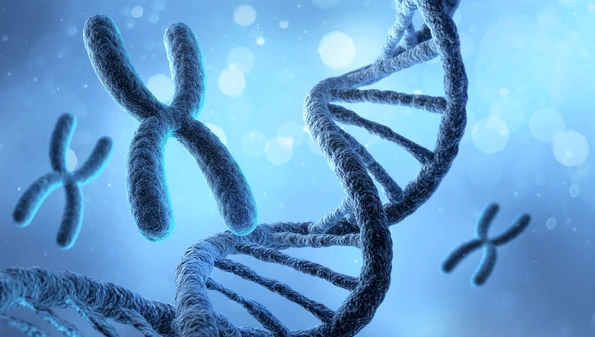
SRY Gene: The Key to Sex Determination & Rare Genetic Anomalies

The Y chromosome carries the SRY gene which functions as a vital determinant for male sex development since it starts the formation of testes and generates testosterone. A male-specific development occurs during normal conditions when the gene exists yet female development occurs when the gene does not exist. The occurrence of SRY gene transmission from female origin through genetic mutations stands as an exceptional situation that contradicts previous models identifying sex determination.

Overview of Sex Determination

  • Biological Process: Sex determination defines whether an embryo develops as male or female.

  • Genetic Influence: Governed by sex chromosomes (XX for females, XY for males) and hormonal regulation.

  • Sperm carries either an X or Y chromosome thus determining the sexual nature of the developing baby.

Role of the SRY Gene

  • Found on the Y chromosome, crucial for male development.

  • This gene structure activates genes that build testicles while producing testosterone as a result.

  • A nonfunctional SRY gene causes the embryo to develop as a female because it lacks the required male regulatory functions.

SRY Gene in Sex Determination

  • The presence of a functional SRY gene triggers male characteristics because it initiates testicular development but the absence of this gene leads to female development pathways.

  • Sex development variations occur during rare instances when SRY gene mutations cause the gene to relocate onto the X chromosome.

Rare Cases of SRY Gene in Females

  • People with an X chromosome containing SRY become physical males and fail to reproduce despite their masculine phenotype.

  • Females with an SRY-positive genotype (XX) represent uncommon cases that develop typically because the X chromosome inactivates the SRY gene.

  • Italian and American research discovered biological female patients who carried the SRY gene which produced unexpected findings about traditional sex determination concepts.

Conclusion

Widespread scientific understanding of sex determination became harder after researchers detected SRY-positive female subjects who emerged despite conventional XX (female) and XY (male) genetic classification patterns. The research discoveries about genetic mutations indicate paths for scientists to explore the developmental effects in human sex formation which improves our comprehension of different sex characteristics.

India’s Climate Action: Policies, Renewable Energy & Conservation

The Indian climate action integrates multiple programs that address air pollution through NCAP and waste management through EPR rules as well as afforestation with Nagar Van and MISHTI and sustainable living through Mission LiFE and biodiversity conservation through protected areas and Ramsar sites together with renewable energy expansion. India has achieved its goal of reducing emission intensity by 36% from 2005 to 2020 and aims to reach net zero by 2070 to combine environmental protection with economic growth.

Legislative and Administrative Measures

  • The government system shows dedication to both environmental protection along pollution control standards.

  • Different sets of regulatory rules and policies were issued to protect ecosystems.

Nodal Ministry

  • The Ministry of Environment Forest and Climate Change holds the status of primary governmental authority.

  • The institution maintains supervision across forest policies alongside climate change initiatives and programs dedicated to conservation.

Major Schemes and Initiatives

A. Air Pollution Control

  • National Clean Air Programme (NCAP) (2019): Covers 130 cities in 24 States/UTs.

  • The program aims to reduce particulate matter by 40% until 2025-26 beyond the 2017-18 baseline levels.

  • PRANA Portal: Real-time air quality monitoring system.

B. Waste Management and Circular Economy

  • Extended Producer Responsibility (EPR) Rules for:

  • The management schemes include plastics, tires, batteries, used oil, and electronic waste disposal.

  • This initiative concentrates on recycling waste while implementing a circular economy methodology.

C. Mangrove Conservation

  • MISHTI (Mangrove Initiative for Shoreline Habitats & Tangible Incomes) (2024): The mangrove restoration project aims to recover 22,561 hectares of destroyed mangrove forests within 13 States/UTs.

  • The restoration budget of ₹17.96 Crore will support projects across six Indian states and Union territories.

D. Afforestation and Green Cover Expansion

  • Nagar Van Yojana (2020-2027): Development plans for 600 Nagar Vans and 400 Nagar Vatikas within the next period.

  • The initiative works to create space for urban biodiversity in addition to establishing green areas.

  • National Afforestation and Eco-development Board (NAEB): Strengthens afforestation programs.

E. Sustainable Lifestyles

  • Mission LiFE (Lifestyle for Environment) (2022): The program helps maximize resource utilization while promoting sustainable resource utilization practices.

    • The mission aims to teach people about water conservation while struggling to minimize waste production and handling e-waste and ending the practice of using plastics once and throwing them away.

  • Eco-mark Rules (2024)

    • Encourages demand for eco-friendly products.

    • Supports energy-efficient, low-resource-consumption products.

F. Public Participation and Awareness

  • ‘Ek Ped Maa Ke Naam’ (#Plant4Mother) (2024): The government aims to plant 140 crore trees before March 2025.

    • 140 crore trees are targeted for plantation by March 2025.

    • 109 crore saplings already be planted by January 2025.

Biodiversity and Wildlife Conservation

  • Protected Areas Increase:

    • From 745 (2014) to 1,022 (2025) (covers 5.43% of the total land area

  • Tiger Reserves:

    • 57 reserves covering 82,836.45 sq km.

    • The wild tiger population throughout the world exists primarily in India which makes up 70% of the total numbers.

  • Elephant Reserves:

    • 33 reserves established for conservation.

  • Wetland Conservation:

    • The total number of Ramsar sites in India has grown to 89 since the establishment of 59 new sites in 2014.

    • The cities of Udaipur and Indore received accreditation as Wetland Accredited Cities from the government.

  • Community Reserves:

    • Increased from 43 (2014) to 220 (2025).

Climate Change Mitigation & Renewable Energy

  • National Action Plan on Climate Change (NAPCC):

  • Solar energy and water conservation along with sustainable habitat form part of this program besides supporting green India agriculture and the Himalayan ecosystem along with health programs and knowledge development initiatives.

Climate Change Action Programme (CCAP) & National Adaptation Fund for Climate Change (NAFCC):

The government depends on assistance from the organization to develop climate resilience programs.

  • Renewable Energy Expansion:

    • The percentage of renewable power capacity such as non-fossil energy reached 46.52% of total installed power generation (as of 2024).

    • The availability of renewable power capacities rose 4.5 times because it increased from 35 GW in 2014 to 156.25 GW in 2025.

  • Forest and Carbon Sequestration:

    • India’s forest/tree cover is now at 25.17% of land area.

    • Around 2.29 billion tons of CO₂ equivalent entered the carbon sink throughout the period from 2005 to 2021.


International Commitments & Achievements

Net-Zero Target by 2070 (as per Nationally Determined Contributions – NDCs).

  • GHG Emission Reduction:

    • The emission intensity of the GDP has decreased by 36% since 2005 through until 2020.

    • Global Leadership in Climate Action despite low historical emissions.

Conclusion

The diverse approach to climate action in India integrates control measures for pollution with renewable power development and protection of biodiversity through forest expansion efforts and environmentally friendly ways of living. The country implements these measures to maintain sustainable development parallel to its economic goals and demonstrate its international commitment to climate goals.

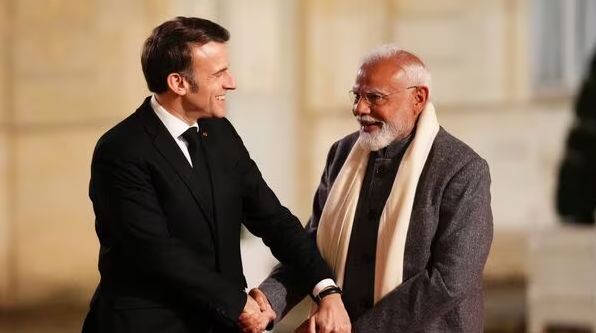
PM Modi’s France Visit: AI Summit, Defence & Nuclear Deals

During his France visit, PM Modi concentrated on initiatives on AI technology, defense development, and nuclear-energy projects. The leaders co-led the AI Summit together to promote national control over technology. The government has finalized three essential deals involving 26 Rafale-M jets, Scorpene submarines, and nuclear energy agreements. India-Middle East-Europe Economic Corridor (IMEC) represents one of the economic partnerships that work toward boosting economic connectivity across India Middle East and Europe nations. In addition to these developments, he established India's consulate in Marseille which strengthened economic, diplomatic, and strategic relations.

Co-Chairing AI Action Summit with President Macron

  • PM Narendra Modi together with French President Emmanuel Macron will jointly preside over the AI Action Summit that takes place at the Grand Palais in Paris.

  • The summit aims to:

    • The summit aims to create a universal plan for AI governance management.

    • Work for the development of information and communication technology that combines ethical practices with affordability and economic efficiency.

    • The government should support technological independence through a reduction in dependency on the United States and Chinese artificial intelligence systems.

    • The partnership should advance the mutual exchange of AI specialists and establish lasting AI systems within both nations.

  • The event attracts US Vice President JD Vance, Chinese Vice Premier Zhang Guoqing, and representatives from over 100 nations.

Defense Deals: Rafale-M Fighter Jets & Scorpene-Class Submarines

  • The Indian Navy plans to acquire 26 Rafale-M fighter jets at a cost value of €7 billion which will finalize their procurement.

  • The fighter jets will serve from both INS Vikrant and INS Vikramaditya.

  • The naval platform receives Meteor air-to-air missiles along with anti-ship weaponry for enhanced maritime protection capabilities.

  • Bolstering underwater combat and deterrence capabilities requires a possible acquisition of three additional Scorpene-class submarines for India.

Nuclear Energy Agreements & ITER Collaboration

  • On February 12, PM Modi and Macron plan to visit the International Thermonuclear Experimental Reactor (ITER) located in Cadarache.

    • The International Thermonuclear Experimental Reactor project represents a primary development of nuclear fusion energy which includes India as one of its essential partners.

    • The leaders will finalize terms regarding Small Modular Reactors (SMRs) to boost civil nuclear partnership.

  • Such amendments to India's Nuclear Liability laws present prospects for stalled French nuclear projects to find new possibilities.

Strengthening Diplomatic & People-to-People Ties

A ceremony inaugurated the Indian Consulate in Marseille after India kept this promise when it announced it in 2023.

The visit to Mazargues War Cemetery included a tribute to soldiers of World War I.

Economic & Business Cooperation

  • The India-France CEO Forum serves as an instrument to promote better business relations along with increased investment potential.

  • The special launch of a logo will announce the India-France Innovation Year (2026).

  • Talks on India-Middle East-Europe Economic Corridor (IMEC):

    • The route serves as a strategic commercial component that connects Mumbai to Marseille through West Asian territory.

India-France Triangular Development Cooperation

  • The countries established this program to deliver climate and SDG-based projects across third nations predominantly focusing on the Indo-Pacific region.

Background & History of India-France Relations

The countries of India and France maintain their strategic diplomatic relationship through enduring ties in defense services diplomatic cooperation and economic partnerships alongside technological relationships. The two nations maintain a lengthy partnership of more than 75 years based on fundamental common values that promote multilateralism while ensuring international peace.

Early Diplomatic Relations (1947–1998)

  • 1947: Diplomatic ties established post-independence.

  • 1954: France handed over Pondicherry together with other territories to the Indian nation.

  • 1978: The nation took on a fundamental role as an arms exporter delivering both Jaguar and Mirage 2000 jets to customers.

  • 1998: The Strategic Partnership between India and France emerged after India conducted nuclear tests which France decided to back.

Strengthening Strategic Ties (1998–2015)

  • Defense: Deals for Mirage 2000 upgrades and Scorpene submarines (Project 75).

  • Nuclear: The 2008 civilian nuclear deal followed the NSG waiver and received support from EDF to expand the nuclear program.

  • Space: 2011 ISRO-CNES collaboration on earth observation, climate, and exploration.

India-France Relations Under PM Modi (2015–Present)

  • Defense:

    • 2016: Signed €7.87 billion Rafale deal for 36 fighter jets.

    • 2023: Scorpene submarines and Rafale-M jet aircraft became available to France as potential sales in 2023.

  • AI & Tech:

    • 2019: The launch of the Cybersecurity & Digital Tech Roadmap took place in 2019 as part of national strategy.

    • 2023: The two countries enhanced cooperation regarding semiconductors along with artificial intelligence (AI) and space exploration during 2023.

  • Economy:

    • France is India’s 11th largest investor, with €10B+ in key sectors.

  • Nuclear:

    • Ongoing talks on Jaitapur Nuclear Power Plant (9,900 MW).

Conclusion

The Paris-based AI Summit has established fundamental global governance for AI by creating an alliance between India and France to reduce their dependence on American and Chinese tech companies. Maritime security in India is expected to receive additional support through upcoming deals involving Rafale-M and Scorpene submarine systems. India and France should focus on building alliances in nuclear power generation that involve clean fusion energy research through their membership in the ITER collaboration. The development of the India-Middle East-Europe Economic Corridor (IMEC) will enhance economic partnerships by making better connections possible.

Frequently Asked Questions (FAQs)

The current affairs cover recent national and international events related to UPSC, SSC, Banking, Railways, and State PCS.

You need to read about the current affairs daily, and revise them every week and every month to keep them longer in your memory.

Yes, Class24 provides free downloadable Daily Current Affairs PDFs for easy revision.

Yes, you can practice MCQs and quizzes to boost your exam preparation.

Absolutely. The content is written in simple, easy-to-understand bilingual language suitable for beginners.

Go to class24.com and click on the current affairs section directly, where you find everything that you need.

ssc-toppers

Start Learning Today with Class24

Related current affairs

Class24 offers free video lectures for smart preparation, covering CGL, CPO, CHSL, MTS, and GD exams. Learn from expert faculty, revise concepts easily, practice with PYQs, and improve speed and accuracy through high-quality, exam-focused video lessons anytime, anywhere.

Get success in your hand. Start study anytime anywhere.

The journey becomes simple and enjoyable when you start taking interest in it. And through our app “Class24”, we will be your trusted partners in developing that interest.

Daily Quizzes
Mock Tests
Ongoing

No ongoing tests right now.