

Day: January 28, 2025

Uttarakhand Becomes the First State to Implement the Uniform Civil Code (UCC)

On January 27, 2025, Uttarakhand established a record as the first Indian state to execute the Uniform Civil Code (UCC). Chief Minister Pushkar Singh Dhami launched the UCC portal and distributed a formal notification to confirm Uttarakhand's acceptance of the UCC. CM Dhami stated at the launch that the UCC functions under constitutional authority to eliminate discriminatory practices while protecting basic equal rights for every citizen. The UCC would create women's empowerment while removing social evils which include halala, polygamy, child marriage along with triple talaq. The scheduled tribes under Article 342 of the Constitution will maintain their rights through exemptions according to CM Dhami.

Key Developments and Provisions Under the UCC in Uttarakhand:

  • Launch of UCC Portal and Manual:

    • The UCC manual along with the UCC portal began operations after Chief Minister Dhami initiated them for overseeing procedures such as marriage and divorce recognition followed by wills administration as stated in the UCC. 

    • Uttarakhand became the first state to fully execute the UCC when its chief minister completed the initial registration on the portal.

  • Mandatory Registration:

    • Uttarakhand residents must now register their marriages and divorces after the UCC's introduction. Under the new legislation, live-in relationships must be registered collectively with other personal record filings.

    • The registration infrastructure exists throughout the state at Gram Panchayat, Nagar Panchayat, Nagar Nigam, and Mahanagar Palika locations.

    • All persons without compliance with registration requirements face possible fines of up to Rs 25000. The failure to register will also result in the loss of government facilities' eligibility and benefits.

  • Superseding Personal Laws:

    • Under the new UCC Act, any personal laws in Uttarakhand will become invalid and replaced by this law. The UCC establishes its dominant position by superseding all personal or other laws which contain incompatible provisions.

Key Changes and Provisions of UCC:

  • Marriage, Divorce, and Inheritance Laws:

    • The legislation concerning marriage divorce alimony and inheritance law will uniformly govern every religious community and its associated followers.

    • Under this reform, the legal marriage age was set to 21 years for men and 18 years for women.

  • Rights and Equality:

    • Women possess the same divorce application rights which match those of men.

    • Under the proposed legal framework all traditional marriage rituals identified as halala and iddat will be prohibited.

    • Inheritances will have equal value regardless of child legitimacy while both males and females will retain equal ownership rights.

    • Unborn children born outside legitimized matrimony receive full inheritance rights that match biological children.

    • Children from adoption and children born through surrogacy alongside those with biological origins using assisted reproductive techniques will hold identical status to genuine biological children.

    • Womb-born children will receive safeguards concerning their property rights.

  • Registration and Legal Rights:

    • The government requires all couples sharing a residence to sign up for official records. Users of these relationships generate offspring who receive all the legal rights that biological children possess.

    • The new law requires that if two people share a residence plan to end their relationship they need to officially file for separation.

    • Failure to register as per requirement may lead to a Rs 25000 fine as well as imprisonment for six months or both punitive measures.

  • Other Provisions:

    • To acquire housing facilities such as residences, hostels and PG accommodations people in live-in relationships must present their registration documentation.

    • Under this proposal, the law grants unrestricted power for people to share their residential properties with any individuals of their choice while simultaneously streamlining inheritance procedures nationwide.

What exactly constitutes the Uniform Civil Code (UCC)?

  • Purpose: The Code seeks to standardize Indian law involving personal matters including marriage together with divorce, adoption and guardianship and succession and inheritance procedures for all citizens regardless of religion.

  • Focus on Equality: All personal law matters now promote equality between men and women thus establishing justice and fairness.

Personal Laws in India

Current Status: In India, every religious community has specific personal laws that follow their specific religious traditions with Hindus Muslims Sikhs Christians Parsis and Jews practicing different religious personal law systems.

Religious Communities & Their Laws:

  • Hindu Personal Laws: Manusmriti and Dharmashastras established the laws of Hindu Personal Laws which control marriage and inheritance systems alongside succession rights.

  • Muslim Personal Laws: Through Sharia laws, Muslim personal legislation incorporates distinct Islamic jurisprudential perspectives (Hanafi Shafi’i and others).

  • Christian Personal Laws: Christianity follows the Indian Christian Marriage Act of 1872 combined with ancillary statutes.

  • Parsi Personal Laws: According to the Parsi Marriage and Divorce Act of 1936 all aspects of Parsi personal law are governed.

  • Sikh Personal Laws: Composition by the Anand Marriage Act of 1909.

Constitutional Framework for UCC

  • Article 44 of the Indian Constitution: The Constitution obliges the state to work toward establishing a single legal system that applies to all citizens throughout the nation. The state must promote a Uniform Civil Code but this goal exists within Directive Principles of State Policy and lacks legal enforceability.

  • Personal Laws and Concurrent List: The Concurrent List contains rules for personal matters of marriage relationship and inheritance so both State governments and Parliament retain legislative authority in these areas.

Debates Around UCC in the Constituent Assembly (CA)

Proponents (e.g., B.R. Ambedkar, K.M. Munshi): Argued that UCC would promote:

  • Equality: A UCC would establish uniform equality for all citizens through religious agnosticism so the Muslim community could overcome divergent marriage registration regimes.

  • National Integration: The framework supports social unity while it minimizes religious dogma loyalty thus creating national solidarity.

  • Gender Justice: The UCC establishes equal legal rights for women who need equal treatment during inheritance along with divorce and marriage processes while eliminating existing discriminatory personal law barriers.

  • Modernization: Through UCC outdated restrictive methods like polygamy and child marriage with triple talaq would be abolished.

  • Global Image: India positions its legal system to meet international human rights requirements thus increasing its standing on the global stage.

  • Simplicity: The legal system becoming more efficient results because conflicting personal laws and their complexity have been replaced.

Opponents are concerned about:

  • Cultural Sensitivities: Some religious groups struggle to adopt their traditional traditions under this law framework.

  • Social Unrest: The proposed integration worries people because they anticipate both social conflicts and pressure to abandon their cultural values.

  • Diverse Practices: The heterogeneous mix of religions combined with cultural diversity creates obstacles to securing unified personal laws across India.

  • Resistance from Communities: The UCC makes religious organizations worry about losing their freedom to manage personal matters independently so they fear it will threaten their cultural identity.

  • Political and Social Consensus: Multiple political factions together with civil society members have not reached a consensus about enforcing a UCC throughout India.

  • Constitutional Hurdles: Article 25 protects religious freedom exactly whereas some doubt the UCC could oppose this liberty.

  • Tribal Rights: Many tribal groups fear that UCC may threaten their traditional laws as well as their established customs.

Historical Background of UCC

  • British Colonial Era: The British suggested creating standardized laws for legal documents in 1835 yet they decided to keep personal religious traditions untouched.

  • Post-Independence Efforts: The B.N. Rau Committee with its work (1941) alongside the Hindu Succession Act (1956) established rules for Hindu law.

  • Personal laws active in separate forms simultaneously govern Muslims alongside Christians and Parsis.

Case Law on UCC

  • Shah Bano Case (1985): The Supreme Court approved Muslim women's right to receive Section 125 of the Criminal Procedure Code maintenance benefits.

  • Sarla Mudgal Case (1995): The Supreme Court determined that Hindu husbands who marry another woman after converting to Islam without divorcing their first spouse establish no valid marriage.

  • Shayara Bano Case (2017): Muslim personal law reform took a major step when the Supreme Court declared triple talaq practices unconstitutional.

Law Commission’s Views on UCC

  • 21st Law Commission (2018): At the current moment the 21st Law Commission concluded that both a general UCC and judicial reform of personal laws are unnecessary. The committee endorsed law modification for personal jurisprudence to resolve unclear provisions along with discriminatory practices while maintaining cultural tolerance.

  • 22nd Law Commission (2023): The commission released an advisory document to engage public opinion about UCC because they recognized the challenges of establishing such a legal framework.

Conclusion

Uttarakhand marks a groundbreaking achievement in India's legal and social framework through its implementation of the Uniform Civil Code. The state intends to establish personal law uniformity because this process will eliminate discrimination and create equal rights for all citizens while advancing gender equality beyond religious membership boundaries. If successful with UCC implementation Uttarakhand will establish itself as a benchmark for future UCC adoption by other states.

India’s Energy Revolution: Vardhaan Lithium’s First Lithium Refinery in Nagpur

India's first lithium refinery along with a battery manufacturing factory will launch through Vardhaan Lithium (I) Pvt Ltd at Additional Butibori in Nagpur Maharashtra. This project receives backing from a funding amount of Rs. 42,532 crores to advance India’s energy systems and industrial systems. The project spans 500 acres of land which plans to become an important component in India's energy infrastructure.

Goals and Capabilities of the Facility

  • Lithium Refining Capacity: Yearly operations will process 60,000 tonnes of lithium which aims to help India decrease dependence on imported raw materials.

  • Battery Production: The upcoming battery production facility will generate 20 GWh worth of batteries needed for home power generation alongside industry usage and electric vehicle solutions.

  • Self-Sufficiency: The project intends to develop a strong indigenous supply system for lithium products thus improving India's energy independence.

A revolutionary contribution to 'Make in India'

  • The venture Supports Prime Minister Narendra Modi's vision of producing critical national infrastructure within India through the 'Make in India' initiative.

  • The Vardhaan Lithium facility enables India to supply more lithium-based items thus emerging as an energy leader worldwide while fulfilling domestic energy needs.

Global Standards with World-Class Technology

The collaboration between technology providers including USA and European partners enables this facility to offer products that will fulfill international requirements for worldwide success.

What is Lithium?

  • The extensive demand for rechargeable batteries for lithium has made the silvery-white alkali metal known as 'white gold.'

  • Due to its status as the least dense metal and solid element lithium demonstrates high chemical reactivity and flammability. The material requires specific storage through vacuum spaces or inert gas environments together with inert liquids labeled purified kerosene.

  • Corrosion: Under atmospheric exposure lithium changes from its vivid silvery grey color to an ugly black hue while showing rapid oxidation.

  • Melting and Boiling Points: The substance displays both reduced melting temperatures typical of metal materials and elevated boiling temperature ranges.

Occurrence of Lithium

  • Natural Occurrence: The availability of natural free lithium stands as a rarity across the planet. Pegmatitic minerals host lithium reservoirs because they form in the closing phases of magma crystallization.

  • Sources: Scientists extract lithium from both ocean water and brines because these sources contain high-concentration salt solutions. Industrial production of lithium metal occurs through electrolysis of a potassium chloride and lithium chloride mixture.

Global Reserves and Production

Largest Reserves: Bolivia maintains the largest lithium reserves followed by Argentina then Chile and the United States and Australia and finally China are the top producers.

  • Bolivia

  • Argentina

  • Chile

  • United States

  • Australia

  • China

  • South American nations including Argentina Bolivia and Chile hold 54% of the world's lithium reserves within their ‘Lithium Triangle' region.

Top Lithium Producers:

  • Australia

  • Chile

  • China

  • Argentina

Lithium Reserves in India

  • Current Lithium Reserves: Scientists have detected lithium deposits spread across the districts of Mandya in Karnataka and Reasi in Jammu & Kashmir.

  • Potential Sites:

    • Mining operations have identified lithium-bearing mica belts throughout Rajasthan, Bihar, and Andhra Pradesh districts.

    • Lithium occurs within pegmatite belts stretching across Odisha and Chhattisgarh.

    • Rann of Kutch in Gujarat

Lithium is a Critical Mineral in India

According to the Mines and Minerals (Development and Regulation) Amendment Act of 2023 lithium embodies a status as a critical and strategic mineral which elevates its importance to national security as well as economic advancement.

Uses of Lithium

  • Lithium-ion batteries supply power to laptops, mobile phones, electric vehicles, and wind turbines along with solar panels.

  • Alloys: Researchers utilize lithium to create strong lightweight combinations with aluminium and magnesium.

  • Lithium enables reactor fusion beyond nuclear levels while supporting ceramics and glass technology along with grease lubrication production.

  • Spaced systems including spacecraft alongside submarines benefit from chemical removal of carbon dioxide and air decontamination.

Significance of Lithium

  • Critical Minerals: The maintenance of both economic development and national security requires lithium as an essential material. Electric vehicles alongside renewable energy storage deployment make lithium the central force powering clean energy transformation.

  • Supply Chain Vulnerabilities: A limited number of countries producing lithium creates potential weaknesses in worldwide supply systems that could disrupt global operations because outlets increase.

  • Job Creation: The upcoming factory establishment will generate direct employment along with numerous indirect jobs that enlarge economic growth within the local region.

  • Ancillary Industries: The facility's establishment will draw additional supporting industries which will develop into a clean energy hub throughout Maharashtra to spur more industrial expansion.

Concerns with Lithium Production

  • Water Usage: The lithium extraction industry drains large amounts of water from local supplies leading to serious depletion problems in water-scarce areas.

  • Chemical Hazards: Highly destructive chemical extraction methods create damaging conditions for factory staff as well as environmental pollution.

  • Energy Consumption: Because lithium production requires substantial energy usage its environmental impact generates greenhouse gas emissions prompting questions about EVs and renewable energy technologies sustainability.

  • Biodiversity Loss: Modern industrial-scale exploitation of extraction areas presents risks to protected animal populations that could affect static ecosystems for future generations.

  • Social Impacts: The production of lithium generates multiple social consequences by mobilizing indigenous peoples from their native territories and damaging economic activities of local inhabitants.

  • Supply Chain Vulnerability: The global lithium supply becomes unstable because its production exists only in select geographic regions.

Steps Taken by India

  • The Indian mining startup KABIL (Khanij Bidesh India Ltd) identifies international territories for strategic mineral development to sustain ongoing access.

  • Australia-India Critical Minerals Investment Partnership: India and Australia work together to secure dependable lithium supply chains.

    • Geological Survey of India currently investigates lithium reserves throughout the Indian territory.

  • By joining the USA-led Mineral Security Partnership India demonstrates its dedication to critical mineral securement.

Conclusion

Through its crucial lithium project, Vardhaan Lithium supports India's energy independence campaign by enabling local control of critical resources with frontier technology while disrupting overseas lithium import dependence. India promotes its dedication to global clean energy transformation through the initiative while supporting dual objectives of business expansion and climate protection.

New Nano-Formulation Offers Safer Treatment for Parkinson’s Disease

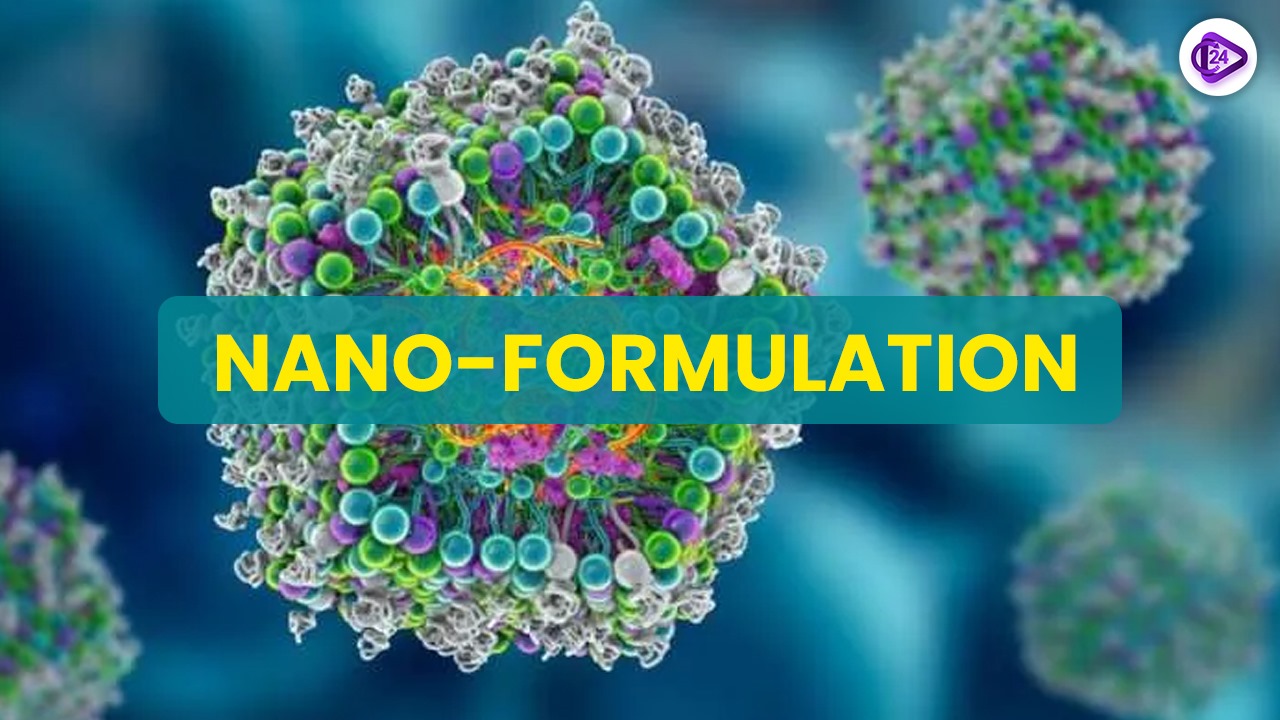
A research team from the Institute of Nano Science and Technology (INST) in Mohali has developed a new nano-formulation to deliver 17β-Estradiol directly to the brain, offering a safer and more effective treatment for Parkinson’s Disease. This innovative method helps reduce brain oxidative stress, a key factor in Parkinson’s progression, while overcoming the side effects of traditional treatments. The new formulation uses Chitosan nanoparticles conjugated to Dopamine Receptor D3 (DRD3) to specifically target brain cells and protect them from damage. With promising findings, this research paves the way for safer, more efficient therapies for Parkinson’s patients in the future.

A research team from the Institute of Nano Science and Technology (INST) in Mohali created a nano-formulation delivering 17β-Estradiol (E2) to the brain in a way that leads to safer Parkinson’s Disease (PD) treatments.

Why 17β-Estradiol is Important for Parkinson’s:

  • Parkinson's symptoms are successfully managed through 17β-Estradiol (E2) hormone delivery which reduces brain oxidative stress.

  • Traditional E2 treatment methods present difficulties in Parkinson's therapy because of their side effect and risks.

How the Nano-Formulation Works:

  • Researchers loaded Chitosan nanoparticles with 17β-Estradiol then conjugated them to Dopamine Receptor D3 (DRD3) to achieve specific brain delivery.

  • The nanoparticle-based delivery method provides extended protection for brain cells while thwarting mitochondrion destruction introduced by rotenone in Parkinson's Disease experiments.

Key Findings of the Study:

  • Protein BMI1 which supports mitochondrial health gets broken down by calpain enzyme action.

  • Through the application of this nano-formulation researchers could block BMI1 protein degradation to achieve normal BMI1 protein levels and safeguard the health of neurons.

What is Parkinson’s Disease?

Parkinson's Disease remains a progressive disorder that produces movement impairment through dopamine depletion.

Main Symptoms of Parkinson's:

  • Hand tremors together with movements of the arms or legs represent one of the primary symptoms of Parkinson's disease in patients.

  • Rigidity (stiffness in limbs)

  • Slowness of movement

  • Balance and coordination issues

  • Depression together with sleep disturbances and swallowing and digestive complications may appear as extra symptoms.

Future Prospects:

  • Future investigations must study long-term safety patterns to validate the treatment method's effectiveness.

  • A successful development of this targeted delivery method could produce 17β-Estradiol as an enhanced and safer Parkinsons-disease therapy.

The Path Ahead

Enhancements to the targeted delivery system along with continued safety evaluations represent key requirements for researchers working toward Parkinson's disease treatment progress. Long-term success with this nano-formulation could make 17β-Estradiol into a safer drug that will enhance life quality for Parkinson's disease patients.

Conclusion

The nano-formulation developed by the Institute of Nano Science and Technology (INST) offers hope for safer and more effective treatments for Parkinson’s Disease. By delivering 17β-Estradiol directly to the brain, it minimizes the side effects associated with traditional therapies. This breakthrough could significantly improve the quality of life for Parkinson's patients by protecting brain cells and reducing oxidative stress. Ongoing research and long-term safety studies will determine its full potential in treating this progressive disorder.

Tuberculosis and Emerging Health Burden in Assam’s Tea Garden Workers

For many years tuberculosis has presented households in Assam's tea gardens with a major health problem because their poverty condition together with inadequate nourishment exacerbates the disease effect. Recent data shows Chronic Pulmonary Aspergillosis (CPA) is becoming prevalent among those who survived tuberculosis. Patients with past TB experience damaged lungs where this fungal infection actively takes hold.

Major Highlights:

  • Prevalence of Tuberculosis (TB): The disease of TB poses major challenges to public health throughout Assam's tea garden districts, especially in the Brahmaputra Valley and Barak Valley locations. 

    • Data from the National TB Prevalence Survey (2019-2021) shows tuberculosis exists in 217 patients for every 100,000 people in the region.

  • Risk Factors for TB: Unfortunate groups experiencing economic difficulties malnutrition breathing house fumes having contact with smear-positive TB patients and living in denser surroundings will develop TB more easily.

  • Chronic Pulmonary Aspergillosis (CPA): When individuals develop Aspergillus fumigatus-induced fungal infection CPUA they usually come from TB patients with lung tissue damage or suppressed immune systems. Statistically, Assam leads worldwide with 60 cases per 100,000 population exceeding the global CPA prevalence rate of 42.

The medical term for this condition stands as Chronic Pulmonary Aspergillosis (CPA).

The Aspergillus fumigatus fungus causes Chronic Pulmonary Aspergillosis (CPA) by infecting damaged lung tissue particularly affecting people with weak immune systems.

Occurrence:

  • Pre-existing Lung Disease: CPA emerges most frequently in individuals suffering from pre-existing lung conditions such as post-TB infection, asthma, lung cancer, or COVID-19-related lung tissue destruction.

  • Post-TB Vulnerability: Fungal infection attacks vulnerable people who survived tuberculosis because the pathogen exploits the space created from TB-related lung cavity destruction.

  • Other Risk Factors: People with allergic bronchopulmonary aspergillosis, asthma, and treated but weakened immune systems can develop CPA.

Symptoms:

  • Persistent chronic cough

  • Haemoptysis (coughing up blood)

  • Weight loss or fatigue

  • Breathlessness and other respiratory issues

  • If untreated, CPA can lead to respiratory failure

Diagnosis:

  • Radiological Imaging: The presence of lung cavities from CPA becomes visible through post-X-ray images.

  • Serological Testing: Standard blood tests searching for Aspergillosis IgG antibodies help identify active fungal infections.

  • Misdiagnosis Challenge: CPA leads to incorrect TB diagnoses which creates treatment delays for patients because medical specialists consider the conditions analogous.

Conclusion

The struggle against tuberculosis in Assam maintains its acute status while Chronic Pulmonary Aspergillosis found in TB survivors represents an emerging deadly medical problem. An accurate medical diagnosis procedure remains essential since doctors face difficulties in distinguishing between TB and CPA because of their overlapping clinical characteristics. The health of tea garden workers in Assam and other affected communities requires simultaneous attention to tuberculosis diseases along with chronic pulmonary aspergillosis infections.

Paraquat Poisoning and Its Lethal Nature

Paraquat poisoning occurs when humans are exposed to the toxic herbicide, paraquat, which the World Health Organization classifies as moderately hazardous. Even minimal exposure can lead to fatal consequences. This substance is notorious for its use in criminal acts, such as the recent case in Kerala that sparked a murder investigation. Paraquat’s deadly nature has led nearly 70 countries to ban its use.

Marketing experts are discussing Paraquat after this herbicide became the key substance employed for a criminal act that sparked a murder investigation in Kerala. Nearly 70 countries prohibit the toxic chemical paraquat because of its deadly characteristics.

What is Paraquat Poisoning?

Human beings can develop Paraquat poisoning from exposure to the toxic chemical paraquat. The World Health Organization classifies this chemical as Category 2 (moderately hazardous) even though little exposure can result in death. The main reason for chemical poisoning starts with adopting the substance but skin exposure or anyone's absorption of trace amounts can lead to similar outcomes.

How Does Paraquat Poisoning Occur?

  • Ingestion: Food and drink products account for most cases where someone swallows paraquat either accidentally or on purpose. When people mishandle or misuse the chemical, poisoning occurs.

  • Skin Contact: Skin’s long-term exposure to liquid paraquat creates conditions for the chemical to penetrate skin tissue and result in toxic injuries.

  • Inhalation: Fumes and dust from paraquat exposure attack the respiratory system and result in serious harm.

Symptoms of Paraquat Poisoning:

  • Initial Symptoms:

    • Abdominal pain and swelling

    • Irritation of the mouth and throat

    • Nausea and vomiting

    • Bloody diarrhea

  • Severe Symptoms:

    • Acute kidney failure

    • Liver damage

    • Rapid heart rate

    • Seizures

    • Respiratory failure
      The severity of symptoms depends on the quantity of paraquat ingested or the duration of exposure. If left untreated, the condition can rapidly worsen and become fatal.

Treatment for Paraquat Poisoning:

Immediate Actions:

  • Activated charcoal and Fuller's earth (multani mitti) act as substances that decrease the amount of paraquat that enters the human body.

  • Any clothing affected by paraquat exposure should be removed immediately then exposed skin needs complete cleaning with soap and water.

Medical Treatment:

  • Definitive hospital treatment remains necessary for every case of suspected paraquat poisoning.

  • Two primary treatment approaches consist of medication that reduces inflammatory responses along with blood filtration through charcoal absorption during treatment.

  • Presently there exists no particular medicine that works to treat paraquat poisoning therefore immediate medical intervention becomes vital.

Safety Measures:

Protocols for safe paraquat handling execution represent the fundamental method for avoiding poisoning incidents. The product storage needs proper protection through material equipment along with safe containment areas that keep keen and animals separate. People experiencing unintentional contact with paraquat need direct medical care to reduce serious medical issues.

Conclusion:

Paraquat represents an intensely dangerous chemical agent that causes lethal poisoning mostly when someone consumes it or under circumstances of extended skin exposure. An expedient medical response improves survival potential yet there remains no specific antidote therefore prevention steps and quick medical help must be sought after any poisoning incident.

India Showcases Cultural Heritage at FITUR 2025 Travel Fair in Madrid

India participated in the prestigious FITUR 2025 travel fair held in Madrid, Spain, from 22nd to 26th January. The event highlighted India’s cultural heritage, natural attractions, and vibrant tourism potential to global audiences. The Incredible India Pavilion, inaugurated by Dinesh K. Patnaik, emphasized the nation's rich heritage and unique travel experiences. This participation further strengthened India’s global presence in the tourism industry.

The FITUR 2025 travel fair in Madrid Spain showcased Indian cultural heritage alongside natural tourist attractions from 22nd- 26th January. The international tourism industry depends on FITUR, allowing professionals to discover modern inbound and outbound markets across Ibero-American territories.

India’s Focus at FITUR

At the FITUR International travel fair in Madrid, India employed this exhibition to introduce itself as an outstanding travel destination to visitors from Spain and Latin America. Dinesh K. Patnaik from India's Spain diplomatic service but Spain inaugurated the Incredible India Pavilion at the event on January 22, 2025, through his initiation. The ceremony gathered significant participation from government tourism officials along with representatives from Indian states and exhibition partnership groups.

Exhibition Highlights

  • Diverse Tourism Products: A pavilion showcased tourism attractions of states like Karnataka Sikkim Chhattisgarh and Jharkhand which presented visitors with their distinct parks sanctuaries and cultural heritage destinations.

  • Spiritual and Cultural Appeal: The exhibition presented India’s religious and cultural attractions starting with the Maha Kumbh event and continuing with the vital spiritual travel hub of Prayagraj.

  • Rich Heritage Display: The pavilion showcased India's extensive cultural heritage through famous museums and dance traditions together with its extraordinary natural attractions. This exhibit showed how multiple factors work together to construct singular travel experiences.

Tourism Growth and Future Initiatives

  • Tourist Flow from Spain: In 2023 Spanish tourists demonstrated a double increase in their number reaching 70,000 while remaining among India's top twenty source countries of visitors.

  • Dual Year of Culture, Tourism, and AI (2026): For 2026 Spain and India announced a dual year celebration to honor their 70 years of diplomatic bilateral relations by representing Culture Tourism and Artificial Intelligence.

  • Chalo India Initiative: The Chalo India Initiative began as a program to mobilize Indian diaspora members to promote Indian travel destinations worldwide. Individuals who register at www.chaloindia.gov.in can expand inbound tourism by referring their non-Indian friends to visit India.

Conclusion

The Indian participation at FITUR 2025 showcased the country's position as a major worldwide travel destination through its emphasis on spiritual, cultural and natural attractions. The event built useful connections between international tourism experts yet the Chalo India project aims to make Indian diaspora people become promoters of Indian tourism assets.


Frequently Asked Questions (FAQs)

The current affairs cover recent national and international events related to UPSC, SSC, Banking, Railways, and State PCS.

You need to read about the current affairs daily, and revise them every week and every month to keep them longer in your memory.

Yes, Class24 provides free downloadable Daily Current Affairs PDFs for easy revision.

Yes, you can practice MCQs and quizzes to boost your exam preparation.

Absolutely. The content is written in simple, easy-to-understand bilingual language suitable for beginners.

Go to class24.com and click on the current affairs section directly, where you find everything that you need.

ssc-toppers

Start Learning Today with Class24

Related current affairs

Class24 offers free video lectures for smart preparation, covering CGL, CPO, CHSL, MTS, and GD exams. Learn from expert faculty, revise concepts easily, practice with PYQs, and improve speed and accuracy through high-quality, exam-focused video lessons anytime, anywhere.

Get success in your hand. Start study anytime anywhere.

The journey becomes simple and enjoyable when you start taking interest in it. And through our app “Class24”, we will be your trusted partners in developing that interest.

Daily Quizzes
Mock Tests
Ongoing

No ongoing tests right now.