
Day: January 7, 2025

Launch of India First Organic Fisheries Cluster in Sikkim

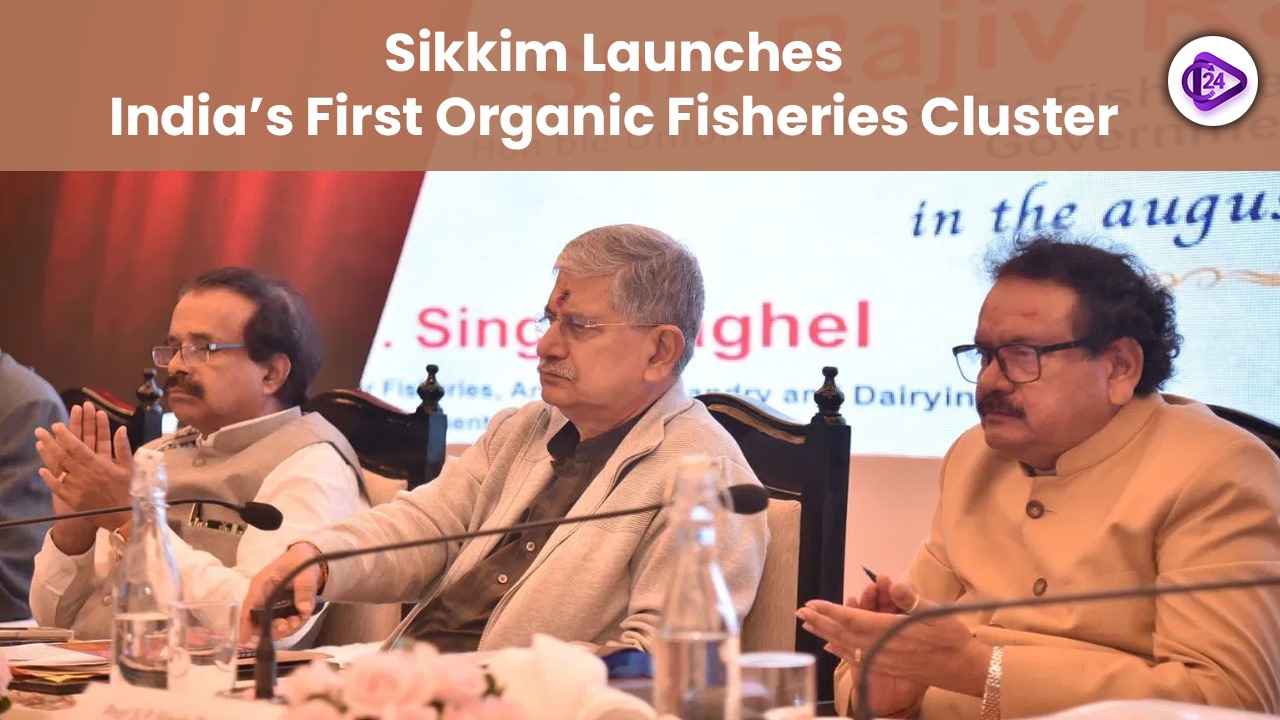
Sikkim’s first Organic Fisheries Cluster and flagging Projects of ₹50 crores under Pradhan Mantri Matsya Sampada Yojana (PMMSY) set in Soreng District, Sikkim. It fits the slogan of sustainability with its focus on the domestic and export markets. The fisheries sector infrastructure, employment opportunities, and the enhancement of aquaculture output in the North-East Region in Guwahati.

The fact that NABARD was involved in the Organic Fisheries Cluster endorses the impact of funding and technical backups in fostering innovation solutions. Using the cluster-based approach, it is possible to raise income, fill the gaps in the value chain, and build sustainability for India's fisheries sector. The North-Eastern region with its high biological diversity is ready to set up the blue economy vision of India with such interventions and the right approaches and growth in fish production.

Key points

  • Location: Soreng District, Sikkim.

  • Objective: Increase farmer earnings and encourage responsible farming of fish.

  • Key Feature: Low-tech, drug-free, and chemical-free raised organic fish feeds environmental-conscious international customers.

  • Support: NABARD is to financially and technically support the selected AUUs besides capacity building, Laying the foundation Stone of Projects Exceeding ₹50 Crore, Guwahati

Inauguration of Projects Worth ₹50 Crore in Guwahati

  • Projects Under: The flagship programme is the Prime Minister’s Integrated Matsya Sampada Yojana (PMMSY).

  • Scope: North-Eastern Regional States excluding Arunachal Pradesh and Mizoram.

  • Focus Areas: Hatcheries, cold storage, ornamental fish rearing, biofloc systems, aquaparks, and fish kiosks.

  • Impact: Generation of 4,530 employment openings (direct and induced). 

Cluster based approach in Fisheries development

  • Concept: Improve the competitiveness of the chain by co locating value activities and the affiliated production and processing centers.

  • Benefits: Such factor as economies of scale, better income per farmer, and solidified value chain.

  • Clusters in India: Pearl Fisheries- Jharkhand, & Seaweed- Lakshadweep, Tuna – Andaman & Nicobar camps and the recently accorded Organic Fisheries Cluster, Sikkim.

Emphasis on the North Eastern Region (NER)

  • Significance: A biological diversity kings with a large water bodies.

  • Achievements:

    • In case of inland fish production, it has been raised from 4.03 lakh tonnes (2014-15) to 6.41 lakh tonnes during the (2023-24).

    • Expenditure of ₹2,114 crore in fisheries infrastructure through flagship schemes.

  • Key Developments: New style aquaculture parks, hatcheries and fish processing units with integrated technologies such as Biofloc and Recirculating Aquaculture Systems (RAS).

Conclusion

The announcement made by Union Minister Shri Rajiv Ranjan Singh shows how India will continue to promote sustainable aquaculture and fisheries sector. This way, the government still plans on increasing farmer’s income and also on employing young and talented people to bring India into a more sustainable home for fish farming and fisheries products. Specifically, the case of the organic fisheries cluster in Sikkim specifically is presented to prove the possibility of development and sustainable use of natural resources as a way of business.

Modhweth Festival of the Toda Tribe: A Cultural Celebration in Nilgiris

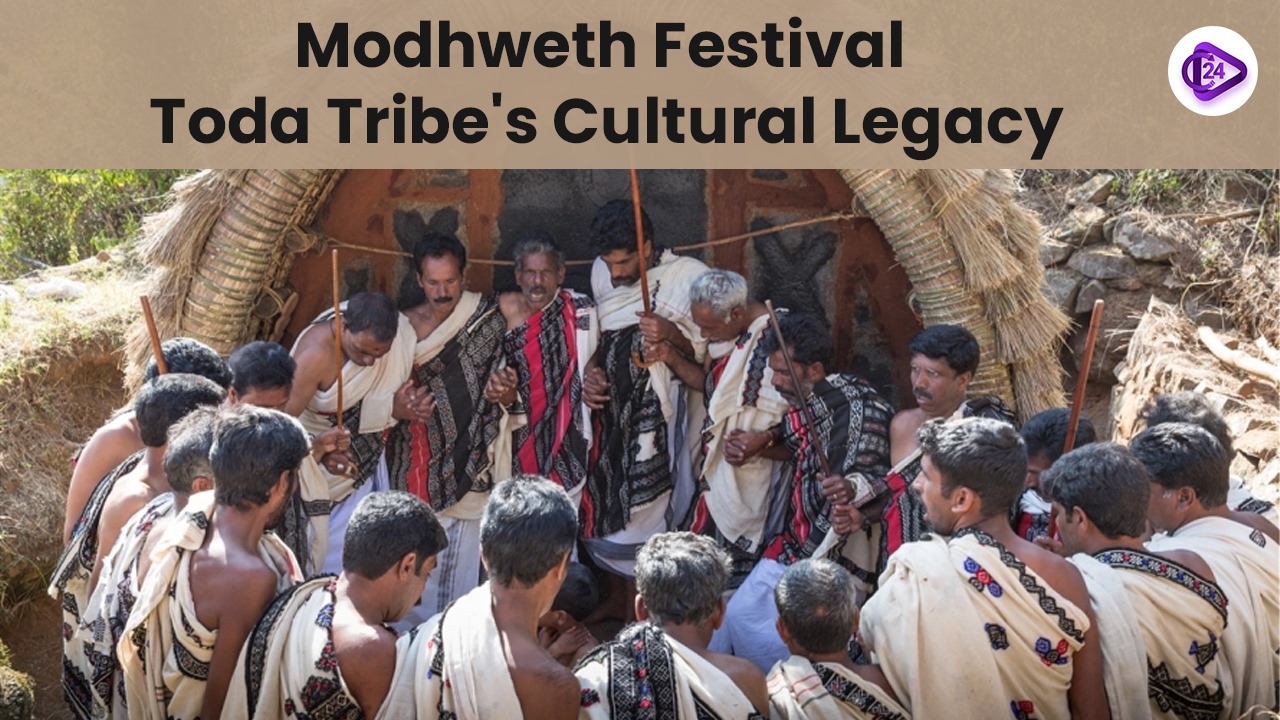
The Modhweth Festival performed annually by the Toda tribe at Moonpo temple in Muthanadu Mund village in Nilgiri district. It is a cultural emblem of the tribe in relation to their adoration for nature and culture. The important feature of the celebration is that prayers are made for prosperity and performing traditional dances. The traditional cultural event centralises the Toda cultural aspects and at the same time promotes Nilgiris tourism activities.

Toda is a pastoral tribe of Nilgiri Biosphere Reserve that practices a primitive way of living with total vegetarianism, and simple forms of cattle-rearing and dairy management. With regard to culture and tradition, indigenous people have their own style of buildings, terms on how to address each other and the practices of their religion also proved that they are indeed in harmony with nature.

Key Points of Modhweth festival

  • Significance: Toda tribe annual festival Most important yearly ceremony of the Toda tribe.

  • Month: Observed on the last Sunday of December, or the first Sunday of January.

  • Location: Moonpo temple at Muthanadu Mund, Nilgiri district in Tamil Nadu.

  • Rituals:

    • These are specific prayers made to the deity known as Thenkish Amman commonly prayed for good health, rain, and a bountiful harvest.

    • The Toda dance is performed outside of the temple.

    • The younger people demonstrate strength put in practicing lifting a greased boulder weighing 80kgs.

  • Exclusion: The women do not to participate in the events.

Special Characteristics of Moonpo Temple

Architecture:

  • Antique with a  thatched roof and a flat stone on it.

  • The construction of this type of temple ceased long ago and this was one of the very few located in the Nilgiris

About the Toda Tribe

  • Location: Originally a pastoral Dravidian tribe living in the Nilgiri area of the state of Tamil Nadu in south India.

  • Settlements: Move in “munds” of 3 to 7 half-barrel-shaped thatched houses with a shared centre area.

  • Livelihood: Depends only on cattle herding and dairy farming.

  • Diet: Vegetarians who do not eat meat, eggs from domesticated animals, and fish.

  • Religion:

  • Tökisy – the goddess; Ön – the god of the underworld.

  • Language: This language belongs to the Dravidian branch of the family of ancient languages.

  • Heritage:

    • Abide in the Nilgiri bio diversity zone that was so recognised by UNESCO.

    • They are categorized as Particularly Vulnerable Tribal Group (PVTG) in Tamil Nadu.

Conclusion

The Modhweth Festival and about the tribal people of Todas presents the cultural dynamism of India’s tribal populations. It is vital for them to retain this practice and at the same time ensure they achieve the set sustainability goals. This illustrates the customary zero impact approach of the Toda people on the environment within the Nilgiri Biosphere Reserve.

Semiconductor Plant of Tata Electronics Limited in Assam

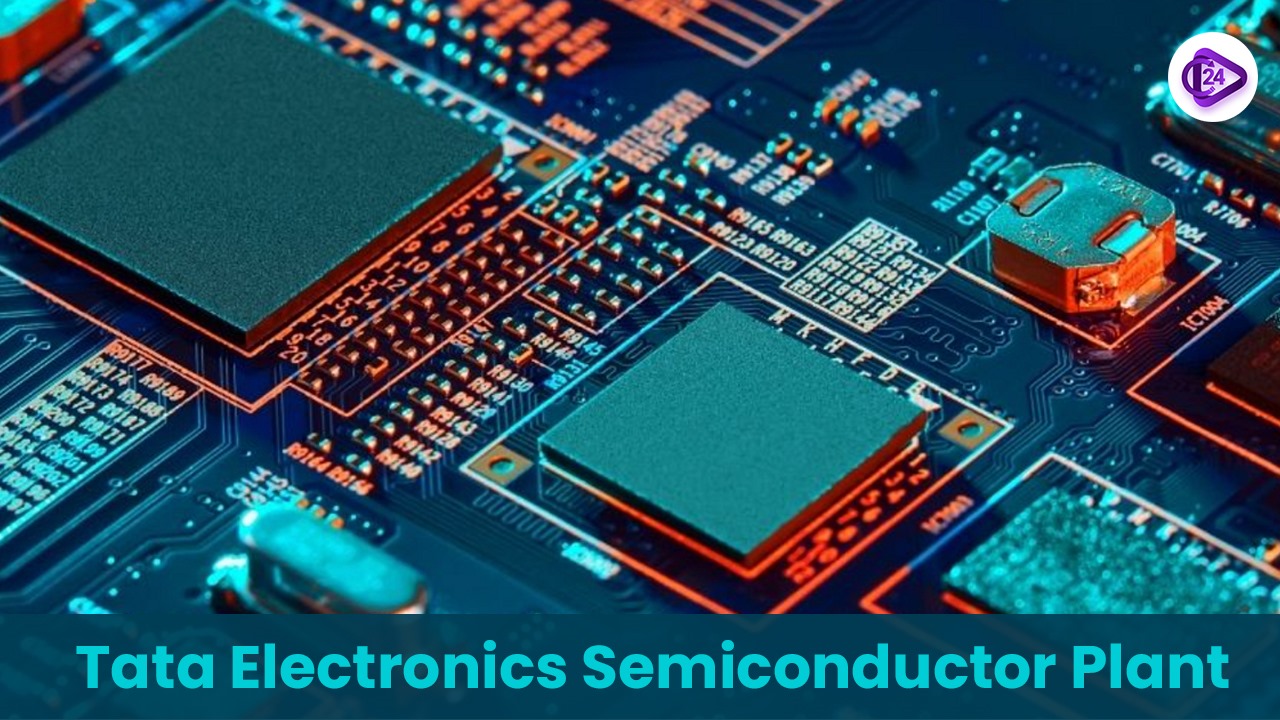
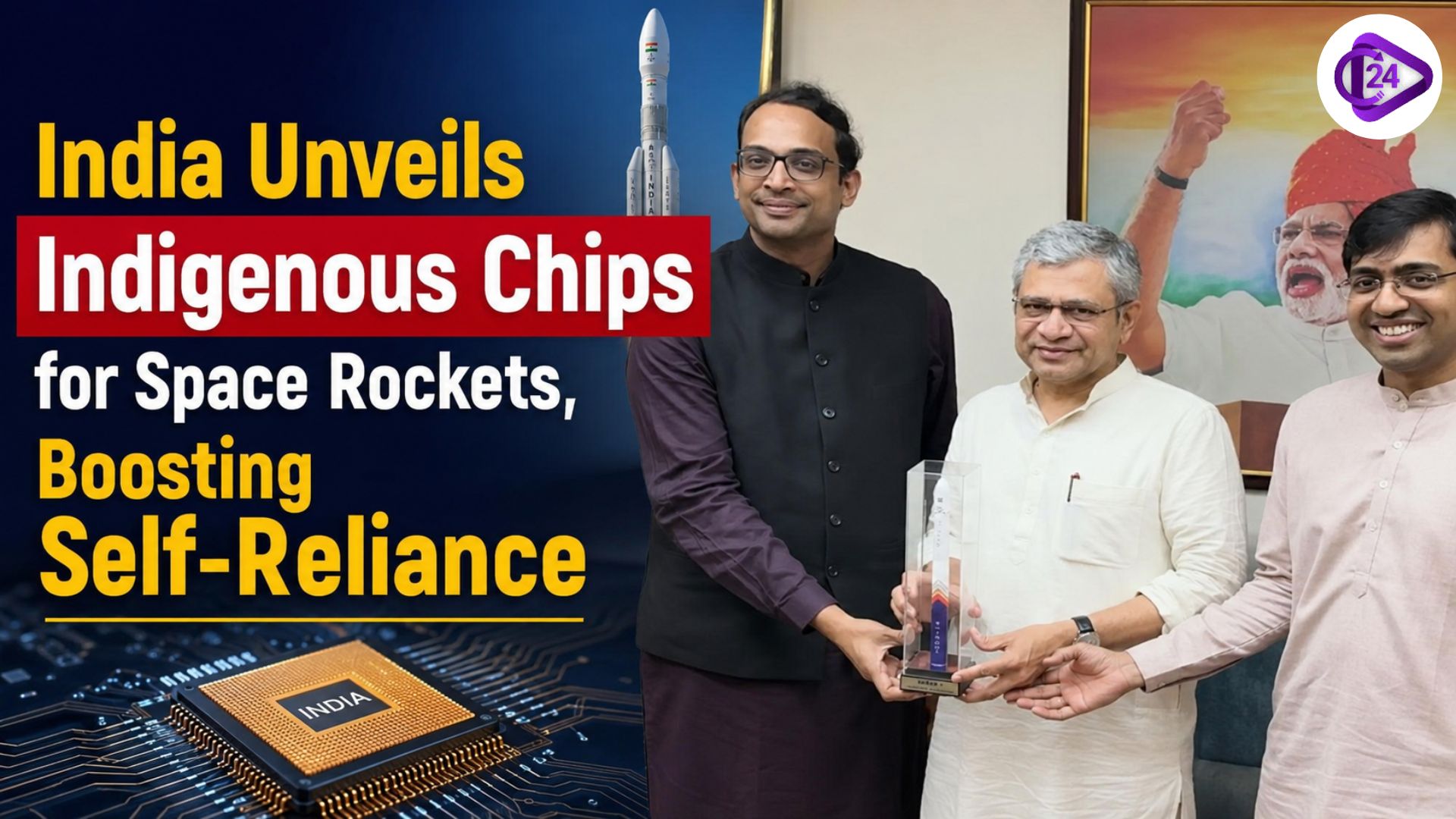
The newly established Tata Electronics semiconductor plant in Assam is a great leap in making India capable of producing its semiconductors. It has a very large production and technologically sophisticated capability and will supply industries both at home and abroad, thus replacing imports and enhancing the nation‘s competitiveness in the world markets.

Although India has daunting challenges such as high capital intensity, lack of technology, inadequate supply ability and many more, the increasing demand, and the shifting of geopolitics all encourage growth. The governemnt policies such as PLI scheme and the concept of Silicon Corridor for developing a pool of semiconductor ecosystem are also in progress.

Key Points

  • Production Timeline: To be constructed and should be competed by the year 2025 and production to start in 2026.

  • Scale: Located spanning over 220 acres of land and is India’s largest semiconductor plant

  • Production Capacity: Semiconductor chips up to 48 million of chips per day using some of the most sophisticated Semicon to include flip chip and Integrated System in Package (ISIP).

  • Industries Served: Automobile and telecom sectors; chips will be exported to Japan the USA and Germany.

  • Employment: producer of direct/indirect employment with residential accommodation for 40,000 employees in an electronics city.

Significance

  • Self-Reliance: Reduces a direct import dependency of India on the global market.

  • Regional Development: Present North-East states as planned for future under ‘Ashta Lakshmi’ vision.

  • Economic Growth: Supports the local economy of the lands and enhances India’s market in semiconductor production.

Introduction to India’s Semiconductor Industry

  • Dependence on Imports: In 2023-24, India import worth ₹ 1,71,000 crore, from Taiwan and China prominently.

Government Initiatives:

  • Production Linked Incentive (PLI) Scheme to lure the global Original Equipment Manufactures (OEMs).

  • Silicon Corridor in the three states of Gujarat, Karnataka and Tamil Nadu.

  • Semicon India program emphasizing on display and semiconductor.

Barriers in the Indian Semiconductor Sector

  • Capital Intensive: Expenditure amounts over $10 billion with long time gestation period.

  • Technological Gaps: This can easily be credited to their lack of cutting edge fabrication technologies such as 3nm and 5nm nodes.

  • Supply Chain Deficiency: Lack of silicon resources both at domestic as well as import dependency.

  • Global Competition: The key competitive threats with new competitors like the Taiwan, South Korea and the U.S.

  • Skilled Workforce Shortage: Deficiency in state of the art skill in the production of semiconductors.

Opportunities for Growth

  • Geo-Political Shifts: The tension that the world has for Taiwan is likely to work to India’s advantage as it tries to lure investors.

  • Rising Demand: High demand for semiconductors in the wake of 5G, IoT,s and Artificial Intelligent.

  • Government Support: Schemes like Make in India, PLI, and inducements to private investment.

Suggestions for Improvement

  • Infrastructure Development: Design special semiconductor zones.

  • Workforce Upskilling: Implement measures that would lead to the development of training that would focus on the workings of semiconductor manufacturing.

  • Global Partnerships: Images 15 The organization should engage the likes of the U.S. and the EU in support of more manufacturing of semiconductors.

About Semiconductor Chips

  • Applications: Having applications in most modern gadgets such as smartphones, computers, vehicles, and most medical equipment.

  • Materials: Mainly fabricated from silicon, and involve some unique steps such as design, fabrication, testing, and packaging.

Conclusion

With such environmental understanding, it is feasible to conclude that to achieve the maximum development of the semiconductor industry in India there is a need to concentrate on infrastructure solutions, R&D spending, and workforce management. Depending on schemes, developing international partnerships, and integrating sustainable infrastructure the strategy identified that aimed at building a competitive and resilient semiconductor industry. Such endeavours shall not only suffice the domestic needs but also help India in carving a place in the global semiconductor value chain.

Justin Trudeau Resigns as Canada Prime Minister

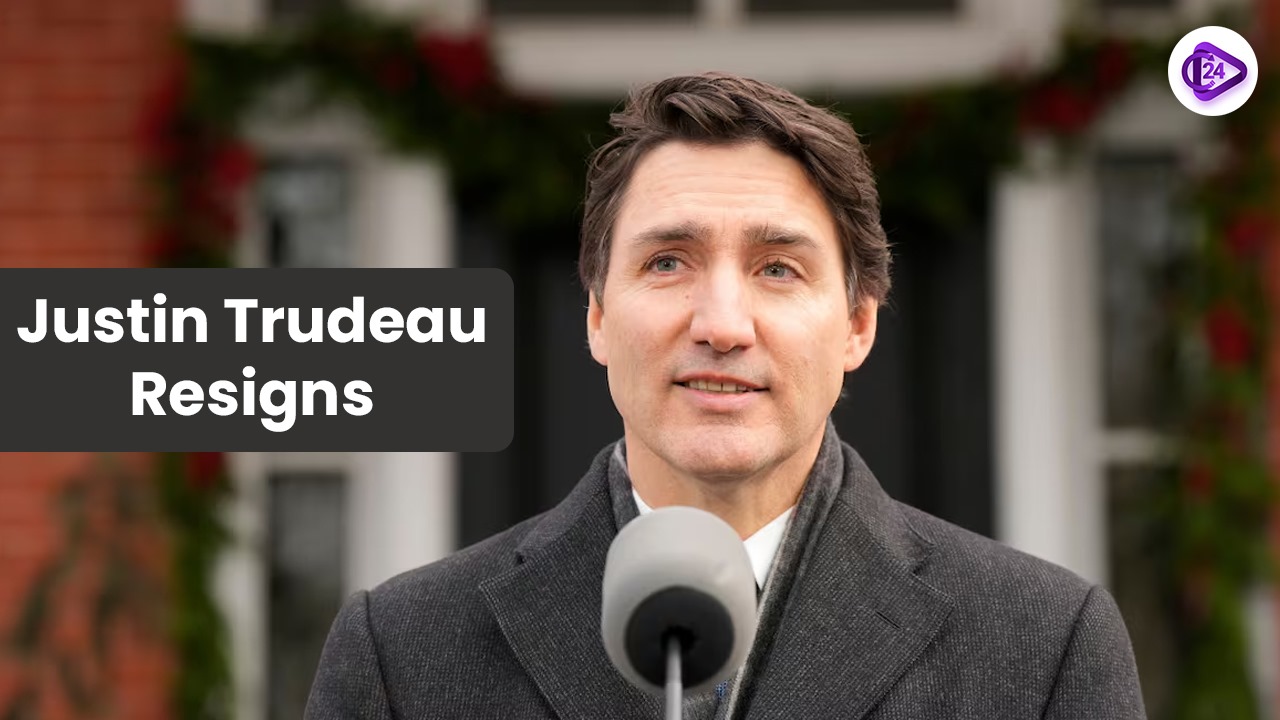
Canadian Prime Minister Justin Trudeau’s decision to step down is perhaps one of the unprecedented moments in Canada’s history, and its relations with India. It might be because Trudeau after nearly a decade in office said he has lost support within his Liberal Party and was unpopular based on poll ratings. Although he will stay on as Prime Minister until the Liberal Party chooses a replacement, his resignation allows for the possibility to reassess relations with India, which have reached their lowest point since the founding of the two nations thanks to his actions.

The End of the Trudeau Era

Trudeau who succeeded to head the Liberal Party and becoming the Prime Minister in 2015 had a poor experience in recent years. The progressive representation based on Mr. Sanders, the liberal, open-minded person who supports multiculturalism and diversity, started eroding after cases of ethicists, undemocratic policies, and rebellion within his party unfolded. Surveys before his resignation suggested the Liberals would be looking at defeat in the forthcoming elections to allow the Conservatives under Pierre Poilievre to emerge victorious.

To enable Trudeau to arrange for a leadership transition, he asked Governor General Mary Simon to dissolve a Parliament until March 24, which is enough time for the Liberals to conduct a leadership contest in an accelerated period. The contenders for leadership could be arranged from the former Bank of Canada Governor Mark Carney, Deputy Prime Minister Chrystia Freeland, and Foreign Minister Mélanie Joly.

What India and Canada have learned from their troubled historical dealings

That is why for India Trudeau’s resignation is considered a natural outcome of leadership that at best leads to the deterioration of diplomatic relations. They worsened when Trudeau himself in late September 2023 accused the Indian government agents of being involved in the murder of Khalistani separatist Hardeep Singh Nijjar in Canada. India labeled these allegations ‘absolutely absurd’ and ‘politically motivated’ and blasted Canada for giving asylum to anti-India elements.

The consequences were painful, both the countries recalled their ambassadors, stopped new investment and construction, suspended issuing visas, and restricted trade. That degree of animosity was on par with the situation that New Delhi shares with Islamabad and Beijing. 

What has Trudeau’s Resignation entail for India-Canada Relations?

Due to Trudeau’s resignation, there is hope though a bit somewhat cautious for a fresh start for both countries. His resignation might also cool down the relations between the two countries since it might make the bilateral relation less confrontational than in the past year, which involved numerous harsh statements and actions against India. But statements by Trudeau in the Canadian Parliament accusing India of complicity in Nijjar’s murder have posed a major problem for his successor. 

Thus, it is unlikely that any new Liberal leader or, in the future, a new Conservative government will reach out for better relations with India because it is politically impossible to renounce such an aggressive stance that was publicly made at the time by a political leader. If the liberals move to the opposition this issue becomes one that they can use to criticize any compromise made by the conservatives in an attempt to make a reconciliation.

Challenges Ahead

While a change in leadership provides an opportunity to stabilize relations, the path forward is fraught with obstacles:

  • Judicial and Law Enforcement Processes: Canadian pursuit of the Nijjar case will likely proceed, and any conclusions reached will probably impact Canadian dealings with Pakistan.

  • Political Dynamics: The attitude of Canada towards India depends upon the Liberal Party leadership contest as well as the result of the successive general elections. That said if Pierre Poilievre assumes the Prime ministership after the next Canadian general elections his government may attempt to mend relations but not without footdragging domestic political implications.

  • Legacy of Distrust: The current level of distrust that has been fostered during Trudeau’s leadership will take a long time, and some sincere tries to fix it.

A Chance to Rebuild

Still, Trudeau’s resignation offers a unique opportunity to put a couple that has great promise for success back on a proper track. It will be useful for both India and Canada because they are both democratic societies, have strong, vibrant economies, and there is a large Indian population living in Canada. A much more technocratic and professional government in Ottawa could lead to a working relationship in fields like trade, technology, and climate.

More specifically in New Delhi there is a tempered optimism while people are happy that  Trudeau is out of power and there is a new government there is a hold breathe moment as they cross their fingers that this period in Canada India relations is over. However, any realistic progress will come in the event that both sides can shed the animosity that has characterized the relations of the last couple of years and focus on convergence as opposed to divergence.

Conclusion

Thus, attention turns to Canada’s leadership change and upcoming general elections, as the two countries watch whether a new political cycle can bring a change to India-Canada relations.

Union Home Minister to Launch BHARATPOL Portal Developed by CBI

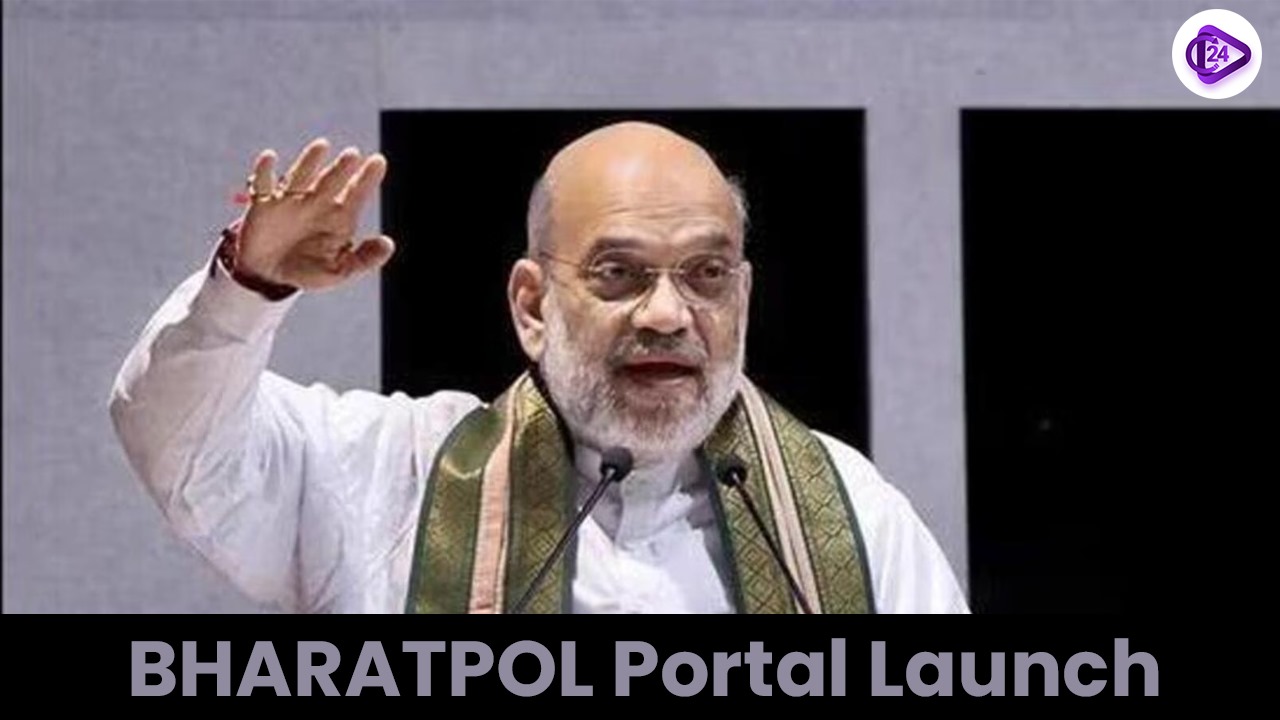
BHARATPOL is a pioneering instrument designed by the CBI and the Union Home Minister, Minister of Cooperation, and Shri Amit Shah will formally launch the tool at Bharat Mandapam, New Delhi, on January 7, 2025. This important step opens up a new page in improving the efficiency and productivity of Law enforcement agencies of India in dealing with transnational crimes.

The modish leadership of Mr. Shri Narendra Modi led the central government to adopt several reforms that enhance the modern and empowering system of the police force. With this BHARATPOL portal expected to be quite efficient in effectively supporting the sharing of real-time information as well as the fast and easy international police assistance.

A Unified Platform for Law Enforcement Agencies

The BHARATPOL portal designed by CBI will serve as an interface through which the Indian Law Enforcement Agencies LEAs can directly associate with their counterparts worldwide using INTERPOL. It seeks to fill new threats and rising cross-boundary crimes, such as cybercrime, financial fraud, radicalization, organized crime, narcotics and human trafficking and so on.

INTERPOL operational office in India is known as the National Central Bureau (NCB New Delhi) where CBI acts as an operational body for interconnecting Central, State/Union Territory Police Forces. The communication between the CBI, INTERPOL Liaison Officers and Unit Officers are limited to letters, emails and faxes. The BHARATPOL portal is going to replace these conventional ways with the modern intuitive process at one place.

Ensuring the efficiency of Intergovernmental Agencies and their cooperation

The INTERPOL portal will also enable the real time handling of request for internation assistance of other INTERPOL color coded notices including the Red notice. Due to these coordinated and fast-track procedures, BHARATPOL will have a centralised system that would enforce discretion of field level police officers to handle security issues with more efficiency .

This innovative platform shall a great deal enhance India’s capacity to prevent and fight transnational crimes, as it shall provide a direct and simple way for law enforcement bodies to access international assets.

Recognizing Excellence in Policing

Shri Amit Shah will also be conveying the Police Medals to 35 outstanding CBI officers and official during the event. Some of these are the President’s Police Medals for Distinguished Service and Union Home Minister’s Medals for Excellence in Investigation.

Conclusion

The establishment of the BHARATPOL portal demonstrates the central government’s moves to provide modern gadgets and technologies to law enforcement administration. As an agent of improved and closer collaboration between the national and international levels, the portal is poised to revolutionalize how India approaches the problems of transnational criminogenic factors that threaten the security of India’s citizens.

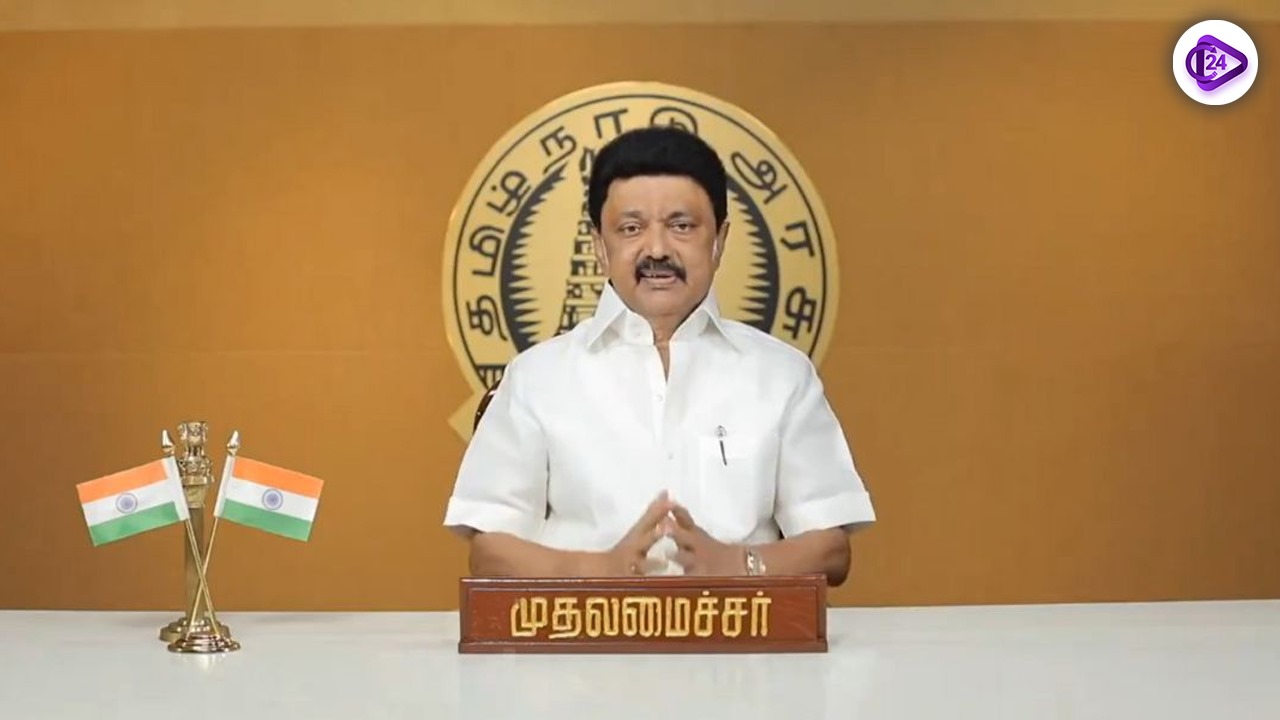
Tamil Nadu CM Offers $1 Million to Decode Indus Valley Script

Tamil Nadu Chief Minister M.K Stalin has offered one million US dollars to decode the ‘Harappa script’ of the IVC, which has been a puzzle for 108 years. The statement was delivered while inaugurating a three-day international conference to mark the ‘100 Years of Marshall Returns’ to the Indus Valley Civilization that was discovered in 1924 by Sir John Marshall.

It is wholly dedicated to the Indus Valley civilization showing the historical value of the civilization at large.

Sir John Marshall’s discovery of the IVC exposed a fresh and sudden tremendous shift in the comprehension of the historical past of the Indian subcontinent. It revealed a complete urban culture and completely prior to the Aryans, which is upheld by independent icons such as worship of the mother goddess and rigid city planning.

Describing the link between the IVC and Tamil culture, Stalin said that even in the frescoes of IVC there is bull depicted which are familiar in current customary Dravidian Tamil literature and folk culture popular Jallikattu bull taming sport. In contrary,  the absence of horses, a significant Vedic symbol, underscores the cultural differences between the two traditions.

Decoding the Indus Script: The $1 Million Challenge

The larger picture is that the Indus script is a challenge that is still unsolved after several decades of unrelenting efforts to understand it due to which the scholars lack sufficient knowledge regarding language and culture of this old civilization besides its social status. To step up efforts to decipher the script, Stalin announced a $1 million (approximately ₹8.57 crore) reward for any person or organization who offers messages that are authentic and acceptable to archaeologists. This endeavour is to try to unlock the mystery of the Indus writing script furthering our understanding of the civilization and its link with the Tamil culture.

Boosting Research and Honoring Scholars

Stalin also set out other measures for the development of the investigation in the field of Indus Valley Civilization. The Tamil development grant ₹2 crore will fund a research chair named acter eminent Tamilian scholar Iravatham Mahadevan at the Indus Research Centre of Roja Muthiah Research Library. 

Tripartite studies on Indus culture will be undertaken from the center besides cooperating with the Tamil Nadu state archaeology department. In addition, the government will establish annual scholarships to recognize two scholars—archaeologists, epigraphists, and numismatists— two young talents who discover parts of Tamil cultural ancientness every year.

Honoring John Marshall and Advancing Indus Studies

Stalin placed the foundation stone for the statue of Sir John Marshall who he felt had given new direction to Indian history with his discovery of the IVC. He thanked Marshall for raising the curtain on a civilization that defines the Dravidian Tamil Nadu.

The present international conference, which has been jointly presented by the Tamil Nadu Archaeology Department and the Indus Research Centre, is again being attended by scholars from different parts of the world who have presented papers based on the recent findings in excavations in Indus Valley cities and towns, new techniques adopted in deciphering the script, and some new fresh problems that have cropped up in this pursuit.

The social context of the Indus Valley Civilization, now famous for the layout and the still unclear writing system, is still a focus of interest among archaeologists from all over the world. Its absence, causes of decline, and mysterious script have not been answered yet. With Tamil Nadu’s efforts to try decipher the meaning of the Indus script, there is a fresh impetus on unraveling one of the early signifiers of human progress and how it connected with Tamil roots.

Conclusion 

The announcement of a $1 million reward by Tamil Nadu CM M.K Stalin marks a significant step in unraveling the mysteries of the Indus Valley script. By connecting the ancient civilization to Tamil culture, this initiative promises to enhance our understanding of both historical and cultural heritage. The rewards and research initiatives will further stimulate global scholarly efforts in deciphering the script. With ongoing support for archaeological studies, the future of Indus Valley research looks promising, potentially unlocking key insights into ancient human civilization.


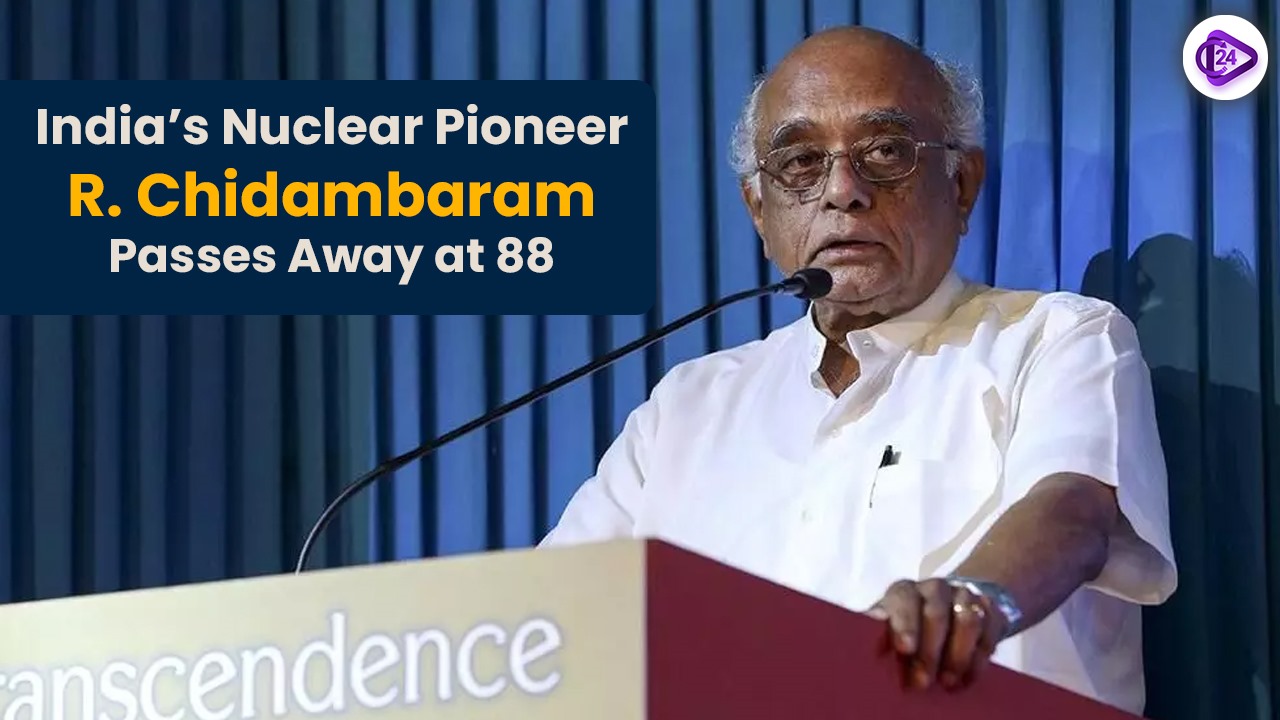
Dr. R. Chidambaram, Architect of India Nuclear Program, Passes Away

One of the founding fathers of India’s nuclear program, the distinguished Dr. R. Chidambaram, has passed away at the age of 88 in a Mumbai hospital. Known for his unparalleled contributions to India's peaceful nuclear and scientific programs, his visionary leadership and strategic thinking played a pivotal role in shaping the country’s nuclear capabilities. His legacy will continue to influence India's defense and energy policies for generations to come.

A Pioneer in Nuclear Science

Of all the scientists, few have impacted India’s nuclear program as much as Dr. Chidambaram. He was the hands-on mastermind of Pokhran-I, the ‘Smiling Buddha’ of 1974 and the more dramatic Pokhran-II of 1998 that confirmed India as a nuclear weapon state. 

The turning point in his career was taken in 1998 when he decided to test a thermonuclear device as part of tests, to showcase Indian capabilities and readiness. Dr. Chidambaram’s intelligence was proved when he worked out the mathematical formula for plutonium known as ‘equation of state’ required for controlling nuclear fission reactions. This development led to India’s first nuclear device design in1971.

Leadership Positions and Undertakings

Director of Bhabha Atomic Research Centre (BARC): In his leadership, he chaired very strategic research and development activities.

Chairman of the Atomic Energy Commission (AEC): As chairman, he again sought improvement on the level of nuclear technology and their weapons development.

Principal Scientific Advisor (PSA) to the Government of India: Serving for 17 years he advised three PM of India erstwhile Atal Bihari Vajpayee, Dr Manmohan Singh and Narendra Modi on scientific and strategic matters.

After his retirement from the AEC in year 2000, proficiency of Dr. Chidambaram was considered as invaluable. During his tenure as a PSA of the Government of India, he was instrumental in managing Indian reaction to the international Nuclear Sanctions and state lead for India’s Nuclear Triad.

India-US An Agreement over Civil Nuclear Cooperation

In spite of never having addressed a press conference on the issue, Dr. Chidambaram played a crucial role in making policy as the architect of India’s position during the India-US civil nuclear deal. Foreign policy wise, his advise to India was instrumental in explaining the global matrix and bringing nuclear as an option in the country’s energy and defense policies.

A Legacy Beyond Science

The visionary Dr. Chidambaram did not limit his thinking in terms of scientific accomplishments . He made significant contributions to the centering science with national security and international relations. His leadership kept the program potent, technically superior and optimally functional and directed towards goals of the nation.

Conclusion

The death of Dr. R Chidambaram represents the close of chapter in India’s scientific and strategic books. He left a great mark in the scientific community as well as a strategist and advisor, to fathom that legacy for the coming generations. Thus, India not only became the nuclear-power country, but also strengthened its position as the nation, based on the serious scientific platform.

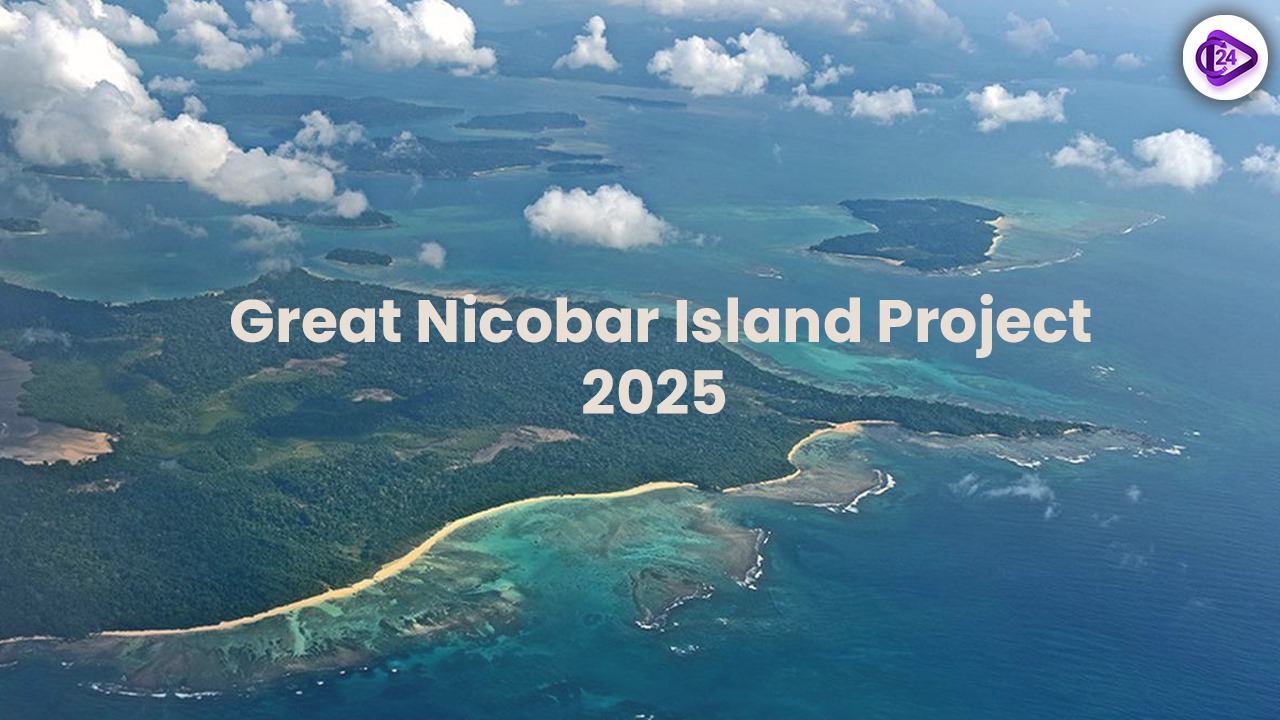
Union Shipping Ministry Great Nicobar Island Project

Union Ministry of Shipping came up with a development plan especially on Great Nicobar Island to form a global port-centric city and discover the top-end tourists destination. The cost of the project has been estimated to be ₹72,000 crore and the proposed infrastructure includes an international cruise terminal, a ship-breaking yard, a defense-civilian airport. While it has claimed for economic change, it has led to much controversy because of the negative impact to the environment, strategic consequences, and insufficient openness.

Key Points 

  • A proposal for which was made by the Union Shipping Ministry in the year 2025.

  • Budget: ₹72,000 crore.

  • It is designed to construct a world city anchored in a major port city and premium travelling destination.

  • Key components: An international cruise terminal facility, ship-breaking yard, military-civil airport and a container transshipment port at Galathea Bay.

  • It is a greenfield township spread across 130sq km in pristine forests.

  • These sectors are run by the Andaman and Nicobar Islands Integrated Development Corporation Ltd (ANIIDCO).

Recent Developments

In April 2024 the Ministry of Shipping planned to purchase 100 acres of extra land in Campbell Bay for ship repair and shipbuilding. They also recommended that Campbell Bay should be earmarked as an export-import port in order to efficiently feed construction materials for the trans-shipment terminal. 

The Andaman and Nicobar Group of Islands: Key Facts

  • Location and Extent

    • Geographical Position: Located in southern part of India, in the Bay of Bengal.

    • Coordinates: Stretch across latitude  6° 45′ N to 13° 41′ N latitude and 92° 12′ E to 93° 57′ E longitude.

    • Size: with total length of approx 590 km and width of about 58 kms.

The Andaman Islands

  • Area: 260km x 30 km

  • Sub-Groups:

    • North Andaman

    • Middle Andaman

    • South Andaman

The Nicobar Islands

  • Area: It stretches to a length of 262 km and is 58 km at its widest point and has an area of 1, 653 sq km.

  • Sub-Groups:

    • Northern Group: Includes Car Nicobar and Battimalv.

    • Central Group: Chowra, Katchal, Camorta, Trinket, and Nancowry are among the large islands in the group.

    • Southern Group: Includes Great Nicobar, Little Nicobar, Kondul and other islands.

  • Prominent Feature:

    • Great Nicobar: Greatest and last island of the chain and only 147 km from Indonesia on the island of Sumatra.

    • Indira Point: This a spot referred to as the southernmost region of India.

    • Habitation: Of them, only 12 islands are populated by ethnic groups such as the Nicobarese and Shompen.

Physical Characteristics

  • Separation:

    • The Ten Degree Channel separates the Andaman Island from the Nicobar Island.

  • Terrain and Composition:

    • The formation of the reservoir originated from volcanic activities hence consists of tertiary sand stone limestone and shale.

  • Volcanic Islands: Barren Island an active volcanic region and Narcondam Island.

  • Coral Island: It comprises mainly of coral islands most of which are of mountainous nature.

  • Highest Peak: Saddle Peak is at a height of 737 meters in the district of North Andaman.

Other Notable Features

  • Island Name Changes (2018):

  • Ross Island →Netaji Subhash Chandra Bose Island

  • Neil Island → Shaheed Dweep

  • Swaraj Dweep → Havelock Island

Environmental Concerns

The local authorities have received a lot of criticisms from the environmental conscious personnel who noted that the project may pose a great threat to the ecosystem. Much of coastline is under the Coastal Regulation Zone (CRZ) which will protect Coral reefs and other marine life. The opposition’s main complaint is that mega projects threaten to permanently alter the ecosystems of unspoiled forest and ocean.

ANIIDCO indicated competition between the proposed ship repair facilities and tourism development;, indicating that the process of industrialization as well as ecological conservation entails certain contradictions.

Conflicting Objectives

Two parallel discourses of strategic security and economical development contributed to the emergence of paradox. While the government uses the threat of national security to control information flow, concentrating on the hi-tech tourism and cruise terminal may lead the island to an open forum where it can be influenced internationally. Critics state that such development go against decades of conservation policies intended to maintain Great Nicobar as remote and natural island.

Besides, the local government’s position and the public response have also been explored. The Andaman and Nicobar administration has expressed an agreeable but cautious stand towards the project but recommends hiring professionals who will evaluate the possibility of some of the proposed aspects such as the cruise terminal. They also want more consideration given to the export-import port proposal.

At the same time, the public continues to be divided. The environmental and social impacts to the project have been so commented on by local residents as well as conservationists. They have been subjected to legal suits and activist pressure demanding an understanding of the feasibility of the project’s operation and respect for the law of ecology.

Conclusion

The Great Nicobar initiative represents an audacious plan to mobilize the area into an economic strident and strategic plan. However, its success hinges on reconciling competing priorities: benefitting development, security, and environment sustainability. Embracing the principles of transparency and shareholder's involvement in decision-making will be the key to not falling victim to the imperialist dream of the Great Nicobar construction in terms of losing the priceless value of its geological and ethnographic specificity utterly.

India Revises Base Year for GDP computation to 2022-23

India’s Finance Ministry has proposed updating the GDP base year from 2011-12 to 2022-23. This revision aims to capture recent structural changes like digitization, emerging industries, and post-pandemic economic shifts. It ensures more accurate policy implementation and alignment with global standards. By using 2022-23 data, India can reflect its current economic realities and enhance the relevance of statistical benchmarks. This move strengthens evidence-based policymaking.

What is the base year?

A base year is a year that is used to measure other economic factors such as gross domestic product. It is usually given the arbitrary benchmark value of 100, against which fluctuations in economic activities, prices ,and other important indicators are measured. This index is also used for adjustment for inflation while making a comparison of price level in different periods since it standardised the value of a selected basket of commodities in the base year.

Why Update the Base Year?

  • Economic Relevance:

    • The base year 2011-12 therefore does not capture the recent structural changes in the economy such as digitization, new industries, or post- COVID-19 adjustments.

    • Using data up to 2022-23 is useful in that it captures current levels of GDP in relation to current levels of consumption, and contributions from industries.

  • Policy Formulation:

    • Policy decisions made based on stale data do not reflect the economic environment and hence are biased.

    • Improved data offer an opportunity based on evidence policymaking.

  • Global Alignment:

    • Actually, it aligns Indian GDP computations with globally recognised systems and such factors as the CPI and WPI.

Implications of the Update

  • Revision of Historical GDP Figures:

    • Old growth rates will be averaged to present a more coherent picture of the economical tendencies.

  • Improved Policy Planning:

    • It gets to formulate specific economic policies with the help of better statistics.

  • Alignment with Indices:

    • This applies the update to maintain comparable relevancy with other economic indicators thereby improving the reliability of the data.

Status of the Revision

  • There is one MoSPI constituted a 26-member Advisory committee on National Accounts Statistics which is headed by Biswanath Goldar.

  • This committee has the responsibility of putting to finality the new base year in relation to GDP figures and the indices.

GDP Calculation in India

India employs two primary methods to calculate GDP:

  • Factor Cost Method:

    • Assesses the performance of major industries in areas such as agriculture, mining and manufacturing, utilities, trade and public administration.

    • A key financial metric that estimates the total value change delivered by these sectors.

  • Expenditure Method:

    • In other words, it examines household consumption expenditure on final consumption goods and services.

    • The four sectors that have been taken into account include: Consumption expenditures of households, Investments, Government spending, and Net exports.

These two methods were used to give a comprehensive view of the economy from two tactical angles as mentioned earlier.

Data Collection Process

  • The macroeconomic data for GDP computations are collected by the Central Statistics Office (CSO) under MoSPI.

  • It also annually carries out polls and has production indicators like the IPI and the CPI alongside state and federal agencies.

Conclusion

This transition to base year 2022-23 for industrial production methodology substantially explains India’s consistent efforts towards refining its economic database. This update will further enhance validity of GDP figures as measures of economic performance and reference points for development policies in view of the changing economic landscape.

Frequently Asked Questions (FAQs)

The current affairs cover recent national and international events related to UPSC, SSC, Banking, Railways, and State PCS.

You need to read about the current affairs daily, and revise them every week and every month to keep them longer in your memory.

Yes, Class24 provides free downloadable Daily Current Affairs PDFs for easy revision.

Yes, you can practice MCQs and quizzes to boost your exam preparation.

Absolutely. The content is written in simple, easy-to-understand bilingual language suitable for beginners.

Go to class24.com and click on the current affairs section directly, where you find everything that you need.

ssc-toppers

Start Learning Today with Class24

Related current affairs

Class24 offers free video lectures for smart preparation, covering CGL, CPO, CHSL, MTS, and GD exams. Learn from expert faculty, revise concepts easily, practice with PYQs, and improve speed and accuracy through high-quality, exam-focused video lessons anytime, anywhere.

Get success in your hand. Start study anytime anywhere.

The journey becomes simple and enjoyable when you start taking interest in it. And through our app “Class24”, we will be your trusted partners in developing that interest.

Daily Quizzes
Mock Tests
Ongoing

No ongoing tests right now.