
Day: February 12, 2026

All Six Stanzas of Vande Mataram to be Sung Before the National Anthem, MHA’s New Rules

The national song of India, Vande Mataram, has a formal protocol issued by the Union Ministry of Home Affairs that establishes that the entire six stanzas of the song are the official stanzas. In the new guidelines, when Vande Mataram and the national anthem, Jana Gana Mana, are sung simultaneously in governmental functions, schools, and other official events, then the national song must be sung first, and thereafter the national anthem follows. The directive specifies the timeline for its performance and demands respect and decency in the performance of the national song, which was the first set of organised rules for how to play or sing it.

Six Stanzas of Vande Mataram for Mass Events, Says MHA

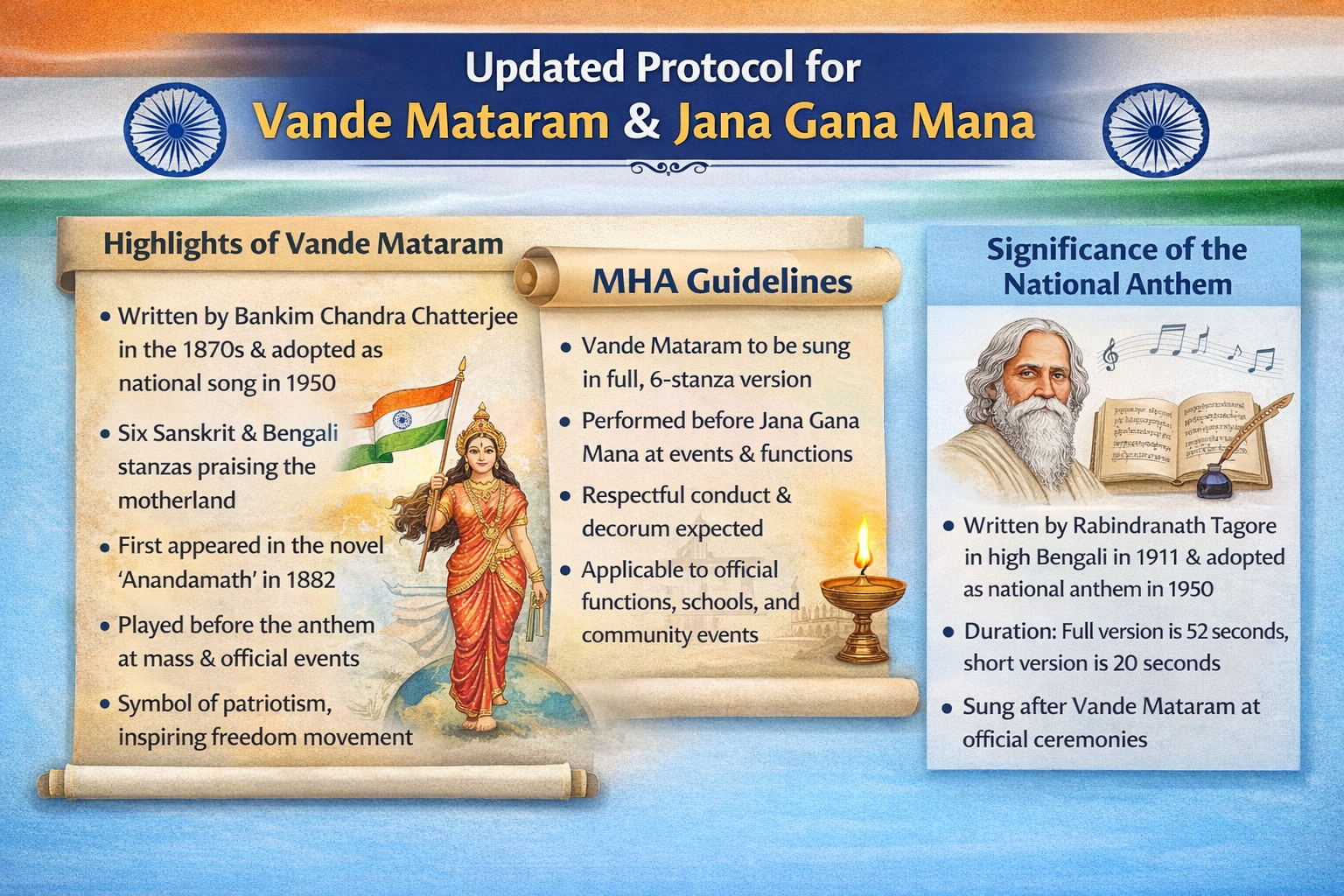
  • The Union Ministry of Home Affairs has generated official guidelines according to which the national song Vande Mataram is to be sung in its entire 6-stanza form at official and mass meetings.

  • The official approved version that lasts about three minutes has been explained by the government to be the full version that is to be used during ceremonial events.

  • In case of a situation when both Vande Mataram and the national anthem, Jana Gana Mana, are performed at an event, then the national song should be sung first and then the anthem.

  • The rule is applicable to the big popular events, governmental programmes, schools, cultural events, and other official functions in which the national songs are performed.

  • The action is meant to unify the translation of Vande Mataram throughout the nation to have a homogeneous practice in both official and state ceremonies.

  • The rules describe the anticipated behaviour during the performance, such as upholding proper behaviour and respect during the performance.

  • The order is one of the most elaborate clarifications that has been made concerning the observance and ceremonial position of the national song when it comes to mass events.

Highlights of Vande Mataram

The Vande Mataram is the national song in India and the brainchild of a writer, Bankim Chandra Chatterjee, and it hails the nation as a motherland and is an expression of patriotism and unity. The song has been very instrumental in the struggle for freedom in India, and it is still a demonstration of national pride and culture.

  • Year of Composition: It was written in the 1870s and published in the book (novel) Anandamath in 1882.

  • Move to become a National Song: Adopted as the national song by the Constituent Assembly on 24 January 1950.

  • Language: It was first written in Sanskrit and Bengali.

  • Stanzas: The entire song has six stanzas.

  • Theme and Meaning: The song glorifies India as the mother of god and reminds us of the natural beauty of the country, its power and its cultural richness.

  • Role in Freedom Movement: It was used as a slogan of the patriotic motto, but it encouraged the freedom fighters against British rule.

  • Cultural Significance: Vande Mataram is one of the expressions of national cohesiveness, national pride and a sense of respect towards the motherland.

  • Official Recognition: It has the designation of the National Song, Jana Gana Mana, which is the National Anthem

  • Current Usage: The song is sung at government ceremonies, cultural places, and patriotic concerts.

Significance of the National Anthem

Nobel Laureate Rabindranath Tagore wrote the National Anthem of India, Jana Gana Mana, and it was adopted on 24 January 1950. It represents the unity, diversity and sovereignty of India and is sung during such vital national and international events.

  • First Performance: It was first sung on 27 December 1911 in a Calcutta session of the Indian National Congress.

  • The Adoption: It was adopted as the National Anthem of India on 24 January 1950.

  • Language: Highly Sanskritised Bengali.

Duration:

  • The whole version requires 52 seconds to sing.

  • The short version is approximately 20 seconds and includes the opening and closing lines.

Meaning and Theme:

  • The anthem glorifies India and brings into focus togetherness between various regions, cultures and communities.

  • It signifies national wholeness and national pride.

Occasions of Performance:

Such national holidays as Republic Day and Independence Day.

Government official ceremonies.

  • Sporting and diplomatic activities on an international scale.

  • Assemblies and propaganda in school.

Legal Protection:

  • Copyrighted under the Prevention of Insults to National Honour Act, 1971.

  • Being rude or hurling at the anthem is punishable by law.

Protocol During Anthem:

  • During the recitation of the anthem, citizens are required to be in an attention pose.

  • The anthem should be recited with integrity and devoid of modification.

National Significance:

The National Anthem is an identity of India, sovereignty and unity, and this is why it is considered to be one of the most admired symbols of the country of India, nationally. 
Conclusion (Full Six Stanzas of Vande Mataram Before Anthem)

The order to sing all six stanzas of Vande Mataram before the national anthem makes it clear that it has become a ritualistic aspect of the events held by the government. The government seeks consistency by establishing a standard order and structure in the mass gatherings to provide dignity and respect, and the significance of the official symbols in the observance of national holidays cannot be overlooked.
Taxpayer Base More than Doubled in the Last Decade

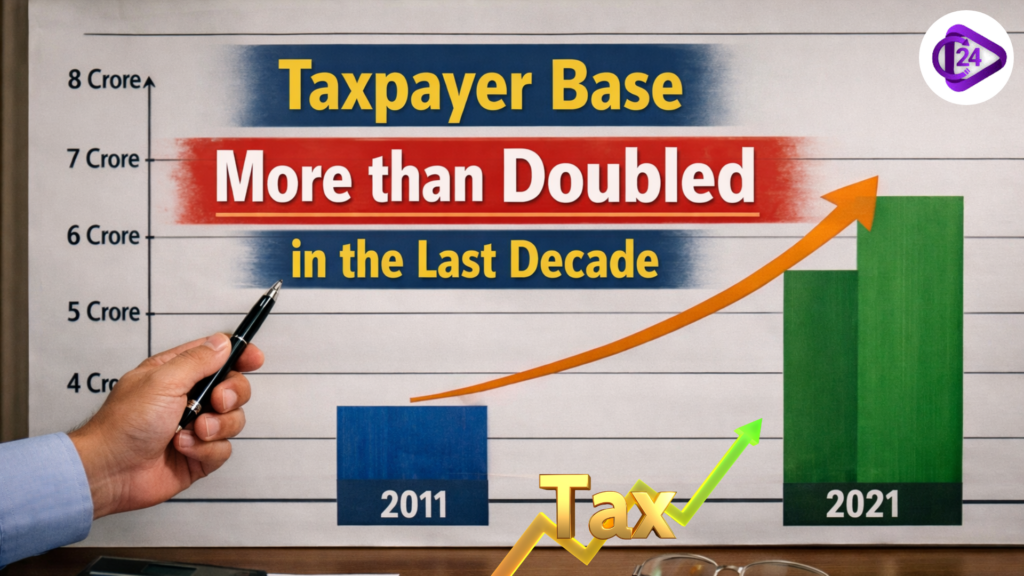
The taxpayer base in India has been growing tremendously over the last 10 years as the population of income tax filers more than doubled, showing a wider participation in the economy and the increases in adherence. According to the official statistics given by the Ministry of Finance, the number of people who submit tax returns is increasing at a steep rate, which indicates the greater involvement of citizens in the formal taxation process and the increased reporting of taxable incomes. This tendency indicates tighter enforcement, superior digital infrastructure for filing and compliance, and the increasing middle class whose income is growing. The growth of the tax base facilitates sustainable growth of revenues, and it also shows signs ofthe formalisation of the economy.

Why Has India’s Taxpayer Base Doubled Since 2014?

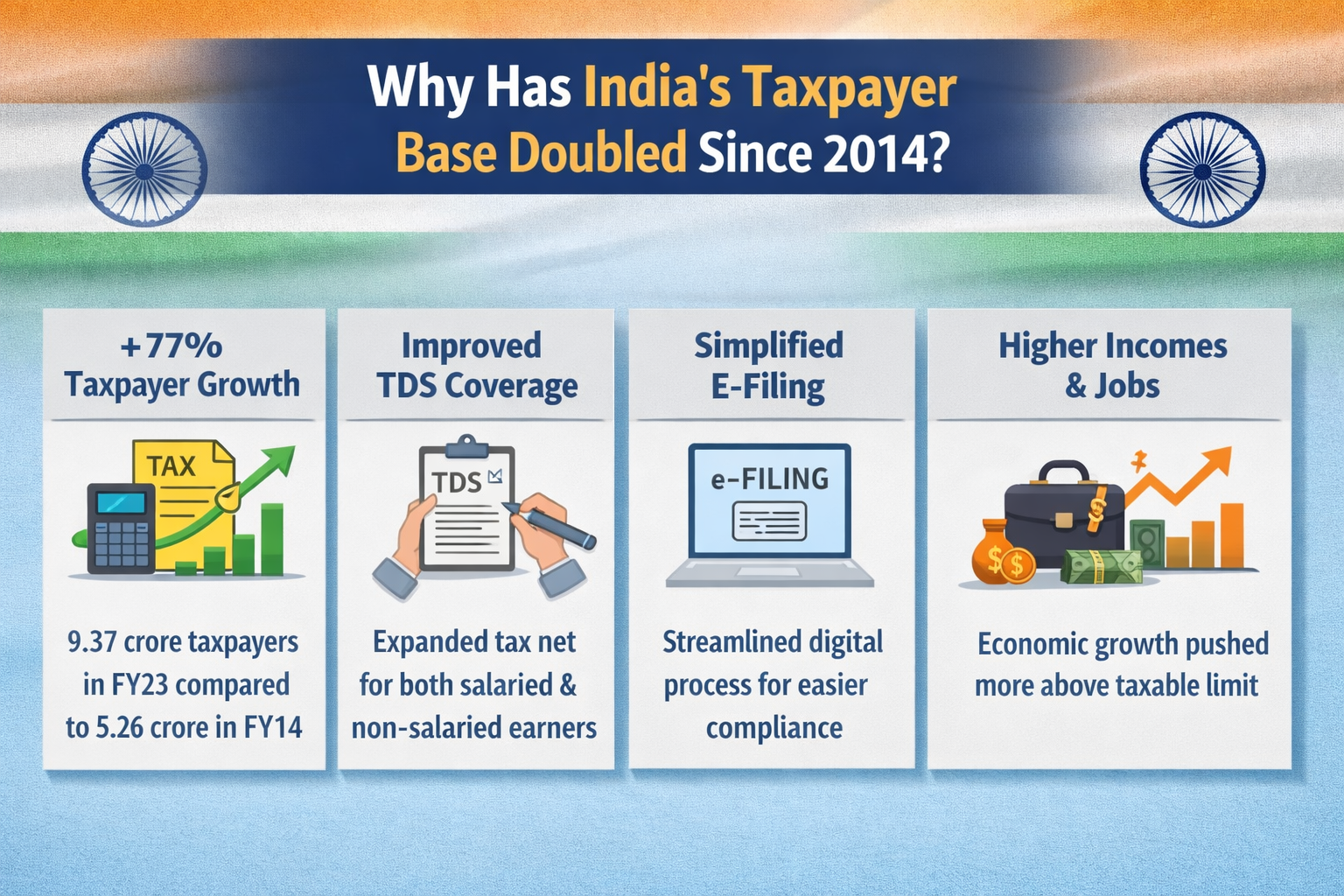
  • The number of taxpayers in India has increased by over 1.5 times over the last ten years, as the government records indicate that the number increased by approximately 9.37 crore in FY2,3 compared to 5.26 crore in FY14 in the income-tax bracket.

  • The size of the income tax returns is also increasing more and more, and this is an indication that there is a gradual increase in voluntary reporting and compliance with the income tax.

  • There has been growth in the Tax Deduction at Source (TDS), and this has assisted in an increase in the tax net by including more salaried and non-salaried earners in the formal system.

  • The systems of income-tax return filing have been simplified and entirely computerized and have facilitated compliance in the country and reduced the time spent on the process.

  • A rise in formal labour, an increase in incomes and economic growth have propelled more people over the taxable limit.

  • The enhanced use of data analytics and information-sharing mechanisms by the Income Tax Department has enhanced monitoring and minimised underreporting.
  • The transparency and tax base growth policy has helped to increase direct tax revenues and the tax-to-GDP ratio by nearly ten per cent in the past decade.

Previous Year's Asked Questions on Tax

Exam Question Answer
UPSC CSE Prelims (Economy – Budget & Taxes) In India, the tax proceeds of which of the following as a percentage of gross tax revenue significantly declined over a period?
(a) Service tax (b) Personal income tax (c) Excise duty (d) Corporation tax
(c) Excise duty
UPSC CSE Prelims (Economy – Direct & Indirect Taxes) Which of the following are indirect taxes?
(a) GST, corporate tax; (b) customs duty, corporate tax; (c) income tax, GST; (d) GST, Customs duty
(d) GST and Customs duty
UPSC CSE Prelims (Economy – Fiscal Indicators) Consider:
1) Tax revenue as a percentage of GDP has steadily increased.
2) The fiscal deficit as a percentage of GDP has steadily increased.
Which is correct?
Neither statement is correct
SSC CGL (Economics – Taxation) When was the Goods and Services Tax implemented in India?
(a) 1 April 2018 (b) 1 July 2017 (c) 1 July 2018 (d) 1 April 2017
(b) 1 July 2017
Banking Exams (IBPS/PO – Economy) Which of the following taxes was subsumed after GST implementation?
(a) Service tax (b) Income tax (c) Wealth tax (d) Estate duty
(a) Service tax
State PCS (Economy – Direct Taxes) Which of the following is a direct tax?
(a) VAT (b) Excise duty (c) GST (d) Income tax
(d) Income tax
CUET (Economics – GST Concepts) Identify the incorrect statement:
GST is a comprehensive indirect tax; it merged multiple taxes; it is destination-based; it became operational before July 2017.
The incorrect statement is that GST became operational before July 2017

Conclusion (India’s Taxpayer Base Doubles in 10 Years)

The doubling of the taxpayer base in India in the last decade is a sign of greater formalisation of the economy and high compliance. The tax net has increased because of higher return filings, superior digital systems, and the enforcement level. The continuous increase is an indicator of an increase in income reporting, increased collection of revenues, and increased involvement of citizens in the fiscal system of the country.

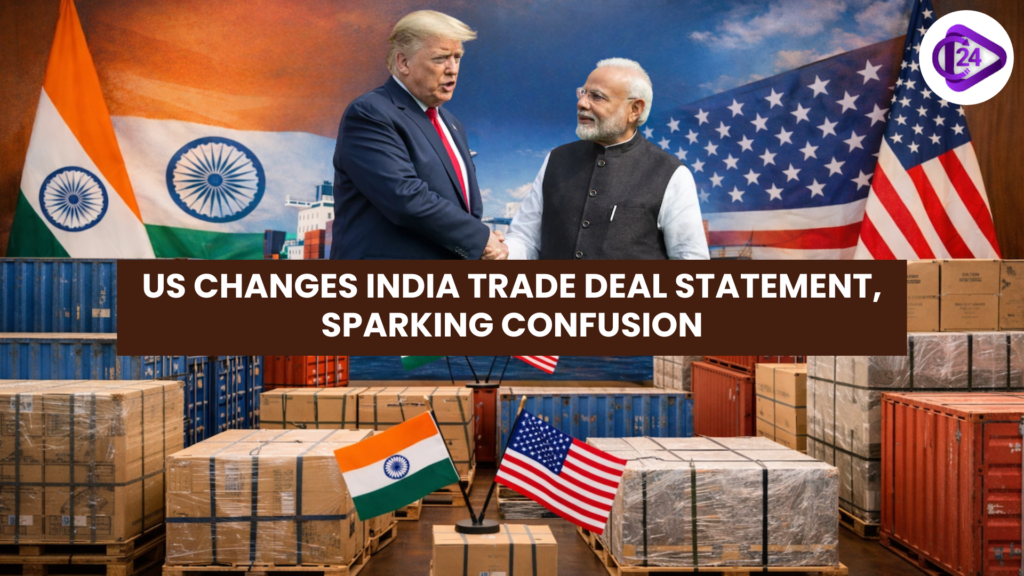
US Changes India Trade Deal Statement, Sparking Confusion

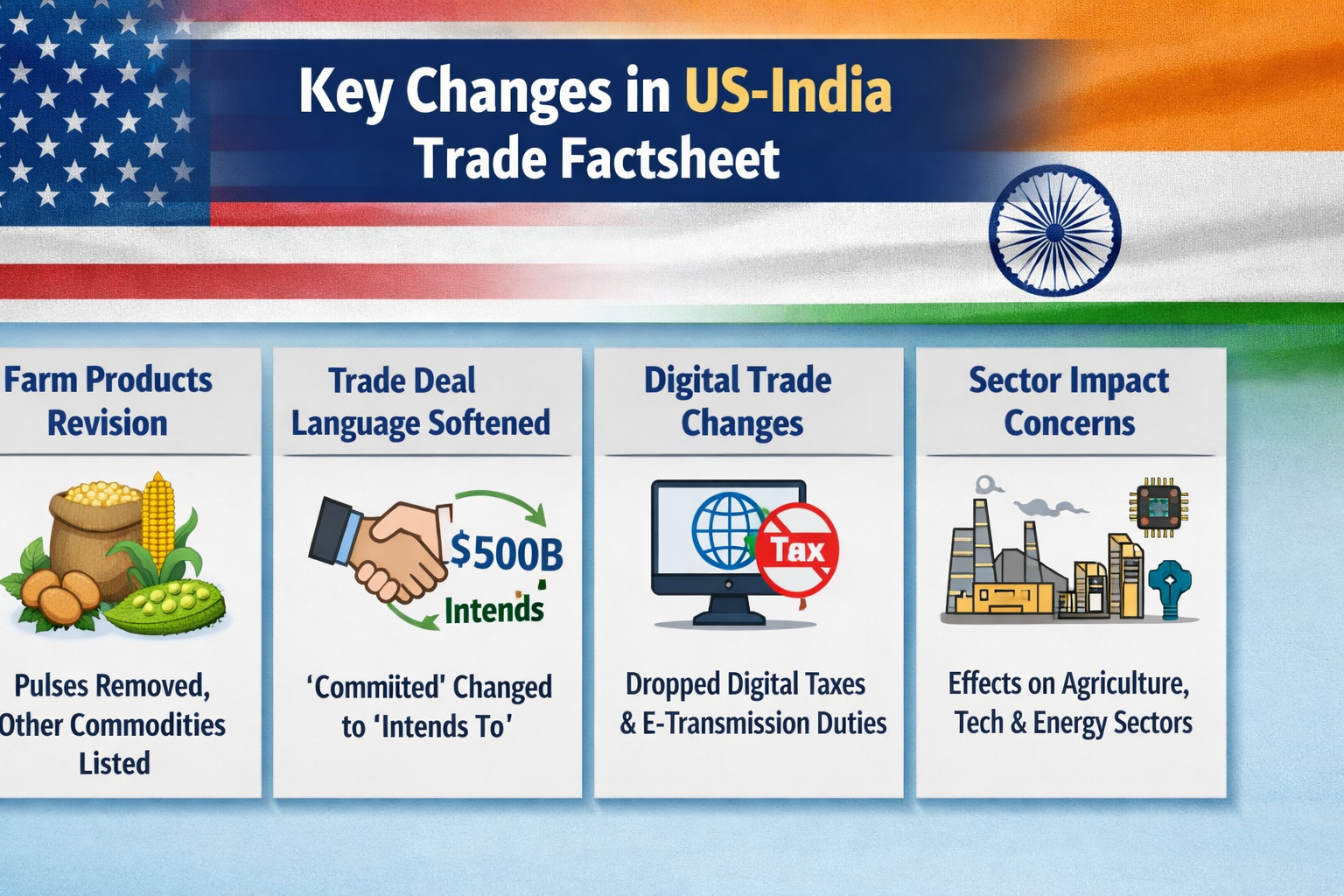
The US government changed its official factsheet on the interim trade agreement with India, which eliminated major language and introduced new ambiguity on what the deal entails. The new version deleted a reference to Indian tariff cuts in pulses, one of the staple agricultural products, and softened the language around the idea that India wants to buy $500 billion of U.S. goods but uses the word 'intends to' in place of 'committed'. It also made language modifications in electronic trade obligations. The developments have contributed to the confusion, and farmer associations and analysts have raised concerns regarding the terms and implications of the changing trade pact between the two nations.
 

What Goods Were Altered in the Trade Factsheet?

  • The first factsheet issued by the White House on the US interim trade agreement with India was followed by an update of the document, changing some references to products and other trade pledges.

  • The amended one omitted any reference to the list of agricultural products of which India was claimed to cut or abolish tariffs, which raised doubts over concessions of the farm industry.

  • As pulses were omitted, other farm commodities were listed, which included dried distillers' grains (DDGs), red sorghum, tree nuts, fresh and processed fruits, soybean oil, wine and spirits.

  • The updated document also eliminated references to digital trade aspects, such as language coupled with digital services taxes and electronic transmission duties.

  • The language used in the proposed purchase of 500 billion dollars of Indian goods in the US was toned down; the language used was less firm and more speculative.

  • The amendments look like an attempt to make the factsheet more congruent with the jointly issued statement and focus less on sensitive or controversial types of products.

Why Do the Factsheet Revisions Matter for Key Sectors?

  • An amended factsheet by the US no longer included pulses on the list of agricultural products receiving tariff cuts, indicating the sensitivity of the farm sector when it comes to bilateral trade talks. Pulses are a farm crop staple in India, and any adjustment in tariffs would have a direct impact on the local farmers and food prices.

  • Excluding the pulses, the revision warning is a wake-up call to liberalise the Indian agriculture market to higher foreign competition, particularly in politically and economically sensitive markets.

  • The change in the language used in the proposed 500 billion dollars acquisition of Indian goods by the US, where milder phrases are used instead of the stronger commitment ones, impacts expectations in other areas like energy, defence, manufacturing and technology exports.

  • Electronic transmissions and digital services taxes and duties removal is a big thing for the technology and digital economy sector, since this will maintain the flexibility of the policy on digital taxation.

  • To US exporters, when products change in product listing, the potential gains of market access can be either enhanced or limited, depending on the type of product being exported and whether it is in agriculture or industrial goods.

  • In general, the revisions are important as it affects the expectation in the sector, the investor mood and the bargaining power in the fields of agriculture, digital trade, energy and manufacturing.

Conclusion (US Changes India Trade Deal Statement)

The changes in the US-India trade factsheet point to the sensitivity and dynamism of trade negotiations. Given the changes in the product references and wording, the effects are applied to the agricultural sphere, digital trade, and manufacturing industry. The episode also highlights the need to ensure clarity in official communication because a small alteration can affect the expectations of the market and the interpretation of policies.

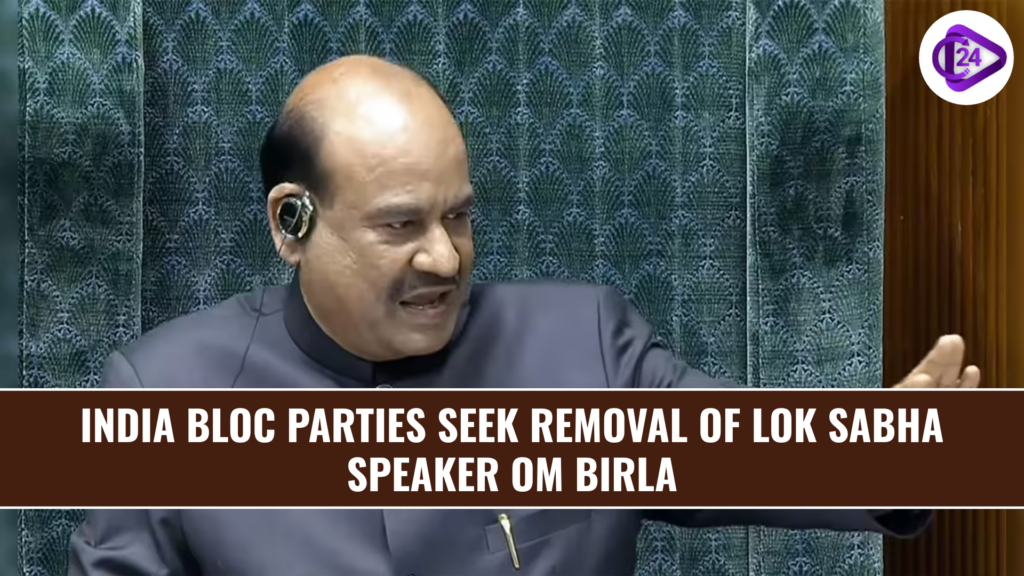
INDIA Bloc Parties Seek Removal of Lok Sabha Speaker Om Birla

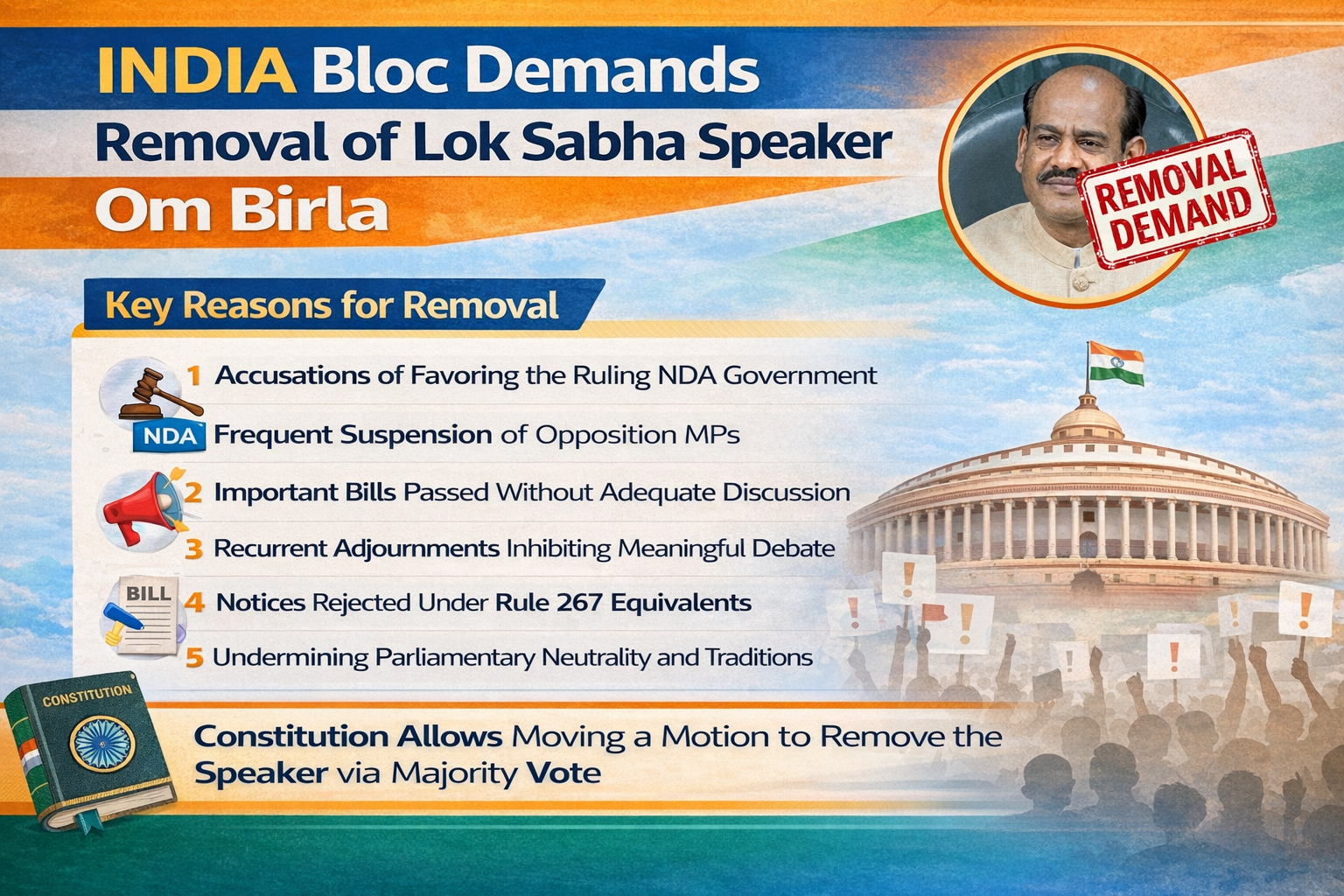
The INDIA bloc, the opposition alliance, has stepped up its attack on Lok Sabha Speaker Om Birla, whom they want removed on account of his partisan operation and also on account of allegedly favoring House proceedings. The pressure is being applied over the constant upheaval in Parliament, the blast of those who are against it, that the Speaker is gagging their mouths, throwing members out of Parliament without reason, and that important bills are being pushed through without much discussion. The block claims that the Speaker, who is supposed to ensure neutrality, has not been observing the parliamentary conventions. The shift is an indicator of growing frictions between the government and the opposition, with frequent adjournments and harsh interchanges taking place during the Budget Session.

Key Reasons Behind the INDIA Bloc’s Demand for Removal

  • There have been accusations of the partisanship of the Speaker, who is claimed to be providing favor to the ruling NDA government in the debates and procedural rulings.

  • Arguments that the opposition MPs were suspended at a disproportionate rate compared to the membersof the treasury benches.

  • Allegations about the fact that important bills were adopted without thorough discussion and a division of the vote.

  • Fears of having little time in which the opposition leaders can raise important issues affecting the country.

  • Oppose recurrent adjournments, which are said to inhibit organized discussion of delicate issues.

  • Alleged refusal to allow notices where under adjournment motion or under Rule 267 equivalents, urgent discussions are to be held.

  • uproar against the disposition of privilege motions and disqualification petitions in cases involving members of the opposition.

  • It has been criticized that fairness and the traditions of parliamentary neutrality have been undermined.

  • Claim that the Speaker failed to intervene sufficiently when there were heated exchanges that were directed at opposition MPs.

  • Restoration of democratic norms and equal opportunity to all parties in the Houseis demanded.

  • The bigger picture in the bloc strategy to politically keep the government at bay before the ensuing elections.

  • Highlighting of the provisions of the constitution that give the right to request the removal of the Speaker with reasonable notice and a majority vote

PYQs on Lok Sabha and Speaker

Exam Year Question Options Correct Answer
UPSC CSE (Prelims) 2014 Who decides whether a Bill is a Money Bill? (A) President (B) Prime Minister (C) Speaker of Lok Sabha (D) Chief Justice of India (C) Speaker of Lok Sabha
UPSC CSE (Prelims) 2017 Which of the following statements is correct? 1. Speaker is elected by Lok Sabha members. 2. Speaker continues after dissolution until new Speaker is elected. (A) 1 only (B) 2 only (C) Both 1 and 2 (D) Neither 1 nor 2 (C) Both 1 and 2
UPSC CSE (Prelims) 2013 The Speaker of the Lok Sabha addresses his resignation to whom? (A) President (B) Prime Minister (C) Deputy Speaker (D) Chief Justice of India (C) Deputy Speaker
SSC CGL 2019 Who presides over the joint sitting of Parliament? (A) President (B) Vice-President (C) Speaker of Lok Sabha (D) Deputy Speaker (C) Speaker of Lok Sabha
SSC CHSL 2020 The Speaker of Lok Sabha is elected by: (A) President (B) Members of Lok Sabha (C) Members of Parliament (D) Chief Justice (B) Members of Lok Sabha
RRB NTPC 2021 What is the maximum strength of the Lok Sabha as per Constitution? (A) 545 (B) 550 (C) 552 (D) 560 (C) 552
RRB Group D 2022 Minimum age to become a member of Lok Sabha is: (A) 21 years (B) 25 years (C) 30 years (D) 35 years (B) 25 years
CDS 2016 The Speaker of Lok Sabha exercises casting vote in which situation? (A) Every vote (B) First vote (C) In case of tie (D) During Money Bill only (C) In case of tie
UPPSC 2021 Removal of Speaker requires: (A) Simple majority (B) Special majority (C) Effective majority (D) Absolute majority (C) Effective majority
SSC CPO 2018 Salary of the Speaker is charged on: (A) Public Account of India (B) Consolidated Fund of India (C) Contingency Fund (D) Finance Commission Fund (B) Consolidated Fund of India

Conclusion 

The INDIA bloc parties' demand to remove Lok Sabha Speaker Om Birla is an important milestone in Indian parliamentary politics. It is an indication of growing distrust between the government and the opposition on how the House operates. Although the opposition cries foul of partisanship and a lack of democracy, the government argues that the proceedings have been conducted in accordance with the rules and procedures. The scandal is an important reason why the Speaker acts as a fair judge of the parliamentary dignity and debate. The way this issue is handled in the end will determine the attitude towards institutional impartiality and the well-being of the Indian parliamentary democracy.

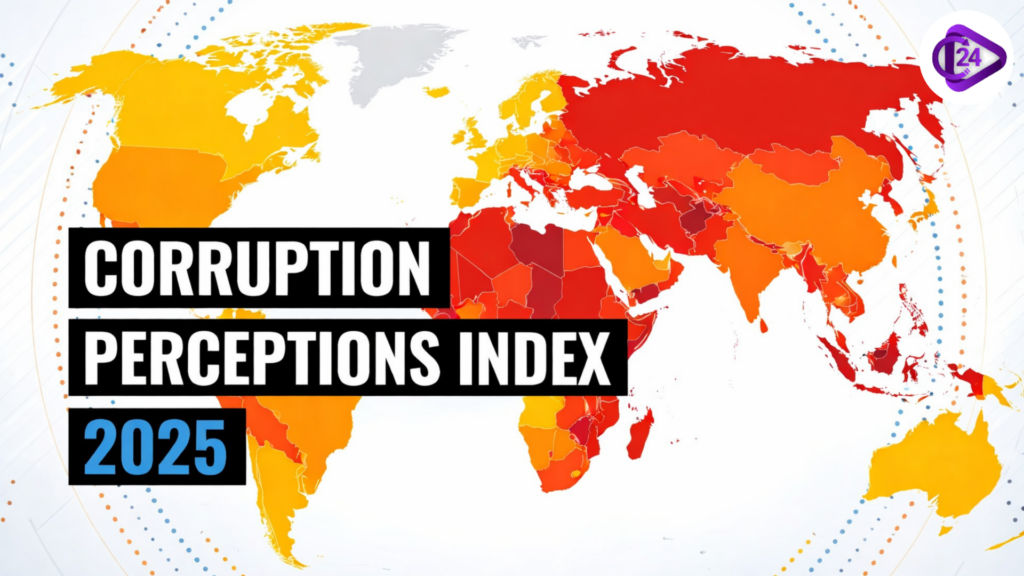
Corruption Perceptions Index 2025

The Corruption Perceptions Index (CPI) 2025 is a widely known international Index that is used to assess the perceived rates of corruption in the public sector of any country and region. It measures countries on a scale between 0 (highly corrupt) and 100 (very clean) based on expert ratings and business polls. The 2025 issue emphasizes endemic corruption issues on a global scale, as the global rating is 42, which means that the anti-corruption practices have not improved. Most of the nations have lower scores that do not surpass 50, which portrays serious governance issues. The index is a vital reference point that policymakers, researchers and civil societies use to evaluate transparency, accountability and integrity of institutions in the world.

Key Highlights of Corruption Perceptions Index 2025

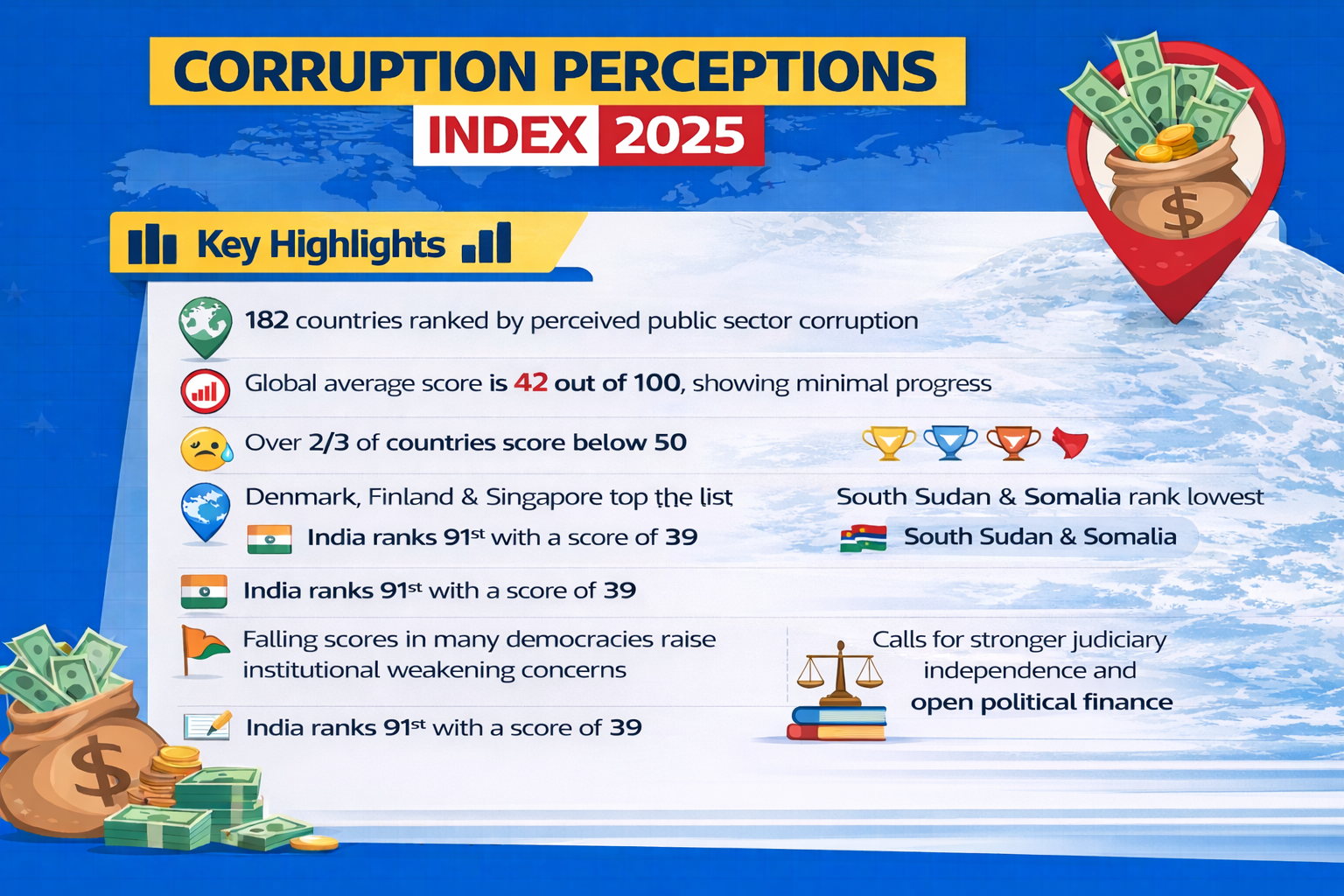
  • The CPI 2025 is a ranking of 182 countries and territories according to perceived corruption in the public sector.

  • Countries are ranked on a 0-100 level, with a higher score meaning a lower level of corruption.

  • The corruption index is equivalent to 42 on the global average, indicating very little improvement in the fight against corruption around the world.

  • Over 2/3 of the countries have a score lower than 50, which means that there are extensive issues related to corruption.

  • Denmark is first with Finland and Singapore in the second and third positions, which depict good governance systems.

  • The countries that are ranked lowest are South Sudan and Somalia.

  • India with the score of 39 and it is 91 st is not above the world average.

  • Some of the democracies have also witnessed falling scores; this creates a concern of institutional weakening.

  • Corruption has been associated with ineffective service delivery to the people, low investor confidence as well as the undermining of the rule of law.

  • The report highlights that there is a necessity to have greater independence of the judiciary and open political finance.

  • Freedom of media and civil society is pointed out as the key to accountability.

  • To enhance transparency and standards of governance, reforms and political commitment have to be made in the long run.

Expected MCQs on Corruption Perception 

Question Options Correct Answer Explanation
The Corruption Perceptions Index (CPI) is published by: (A) World Bank (B) Transparency International (C) UNDP (D) World Economic Forum (B) Transparency International CPI is released annually by Transparency International (TI), a global civil society organization that works against corruption.
The headquarters of Transparency International is located in: (A) Geneva (B) New York (C) Berlin (D) Paris (C) Berlin, Germany Transparency International is headquartered in Berlin, Germany.
The Corruption Perceptions Index was first published in: (A) 1993 (B) 1995 (C) 1998 (D) 2000 (B) 1995 The CPI was first launched in 1995.
The CPI measures corruption in which sector? (A) Private only (B) Public only (C) Both (D) Banking only (B) Public sector only CPI measures perceived corruption in the public sector.
Countries in CPI are ranked on a scale of: (A) 1–10 (B) 0–5 (C) 0–100 (D) 1–50 (C) 0 to 100 Countries are scored from 0 (highly corrupt) to 100 (very clean).

Conclusion

Corruption Perceptions Index 2025 demonstrates that corruption is one of the world's problems that continues to occur, influencing the way the state is governed, the development of an economy, and the confidence of people in the state institutions. The report has revealed that more accountability mechanisms and transparent public systems are necessary in order to combat the stagnation of the global average of 50 and above, as many countries have a score below 50. Although there are still countries that perform high levels of integrity, other countries experience a decrease in their scores because of the weakening of control and the loss of civic space. The index is used as a reminder that fighting corruption would need a long-term political will, independent institutions, free media, and active participation of civil society to ensure inclusive growth and democratic stability across the globe.

Frequently Asked Questions (FAQs)

The current affairs cover recent national and international events related to UPSC, SSC, Banking, Railways, and State PCS.

You need to read about the current affairs daily, and revise them every week and every month to keep them longer in your memory.

Yes, Class24 provides free downloadable Daily Current Affairs PDFs for easy revision.

Yes, you can practice MCQs and quizzes to boost your exam preparation.

Absolutely. The content is written in simple, easy-to-understand bilingual language suitable for beginners.

Go to class24.com and click on the current affairs section directly, where you find everything that you need.

ssc-toppers

Start Learning Today with Class24

Related current affairs

Class24 offers free video lectures for smart preparation, covering CGL, CPO, CHSL, MTS, and GD exams. Learn from expert faculty, revise concepts easily, practice with PYQs, and improve speed and accuracy through high-quality, exam-focused video lessons anytime, anywhere.

Get success in your hand. Start study anytime anywhere.

The journey becomes simple and enjoyable when you start taking interest in it. And through our app “Class24”, we will be your trusted partners in developing that interest.

Daily Quizzes
Mock Tests
Ongoing

No ongoing tests right now.