

Day: January 31, 2026

India–European Union Free Trade Agreement

The India-European Union Free Trade Agreement (FTA) is one of those historic trade agreements that were finalised between the Republic of India and the European Union on 27 January 2026, after almost twenty years of discussions. It seeks to open up trade and investment by shrinking or getting rid of tariffs on a large variety of goods and services, and boost regulatory collaboration and market access between the two economies. India is also looking to reduce tariffs on major imports, in India including automobiles and other industrial goods, and the EU will significantly reduce tariffs on Indian exports, which will see economic integration between the two sides and generate new business opportunities in various sectors.

What Makes the India-EU FTA Historic?

  • Longest Negotiated FTA: Indo-EU talks took almost twenty years to end.

  • Measured Trade Deal in India: The largest FTA in the history of the Indian country was referred to as the mother of all deals.

  • Huge Market Access: The result is the inclusion of both India and the 27 member states of the EU into one free trade area of close to 2b billion people.

  • Tariff Reductions: Most tariffs will be reduced or removed on several products, which will boost export and import activities.

  • Strategic Economic Partnership: It not only encompasses tariffs but also its area of interest is on services, investments, cooperation on regulations and integrated economies                                                                                                                                 

India–EU FTA: Key Sectors That Will Benefit

  • Textiles & Apparel: Indian textile, garments and clothing industries will enjoy zero-tariff to the market of the EU with increased export competitiveness and market share.

  • Leather & Footwear: Removal of tariff on leather products and boots increases the export of the industries, which are intensive in labour, thus expanding the EU demand.

  • Gems & Jewellery: Lowered or eliminated import duties open up to the Indian exporters the high value jewellery market in the EU to Indian exporters.

  • Chemicals & Pharmaceuticals: The reduction in the tariffs on chemical and pharmaceutical products is a step to enhance a stronger India in the advanced markets in Europe.

  • Engineering & Capital Goods: Preferential treatment to engineering goods, machinery and industrial goods augments access to Indian exporters and competitiveness.

  • Agricultural & Processed Foods: Indian food products such as tea, coffee, spices and processed foods are enjoying greater access to the market, which sustains rural communities.

  • Services Sector: Greater accessibility of IT, telecommunication, business and professional services benefits the growth of service-exports.

  • Automobile and Auto Components: Bilateral integration and trade. Phased tariff reductions on automobiles and components open up bilateral trade and integration opportunities.

Conclusion (India–EU FTA)

The India-European Union (Free Trade Agreement) denotes a historic step in the bilateral economic relations. It favours major industries of textile, leather, pharmaceuticals, engineering items, agriculture and services by lowering tariffs, enhancing accessibility of markets and encouraging investment. This agreement is likely to enhance export and employment opportunities as well as enhance India's position in global value chains. Other than trade, FTA promotes regulatory co-operation, sustainable development, and strengthens strategic economic interdependence between India and the EU. In general, it preconditions further economic integration, the rise of competitiveness, and long-term development of the two economies.

India pilots First AI-Enabled University at Meerut’s CCSU with Google Cloud

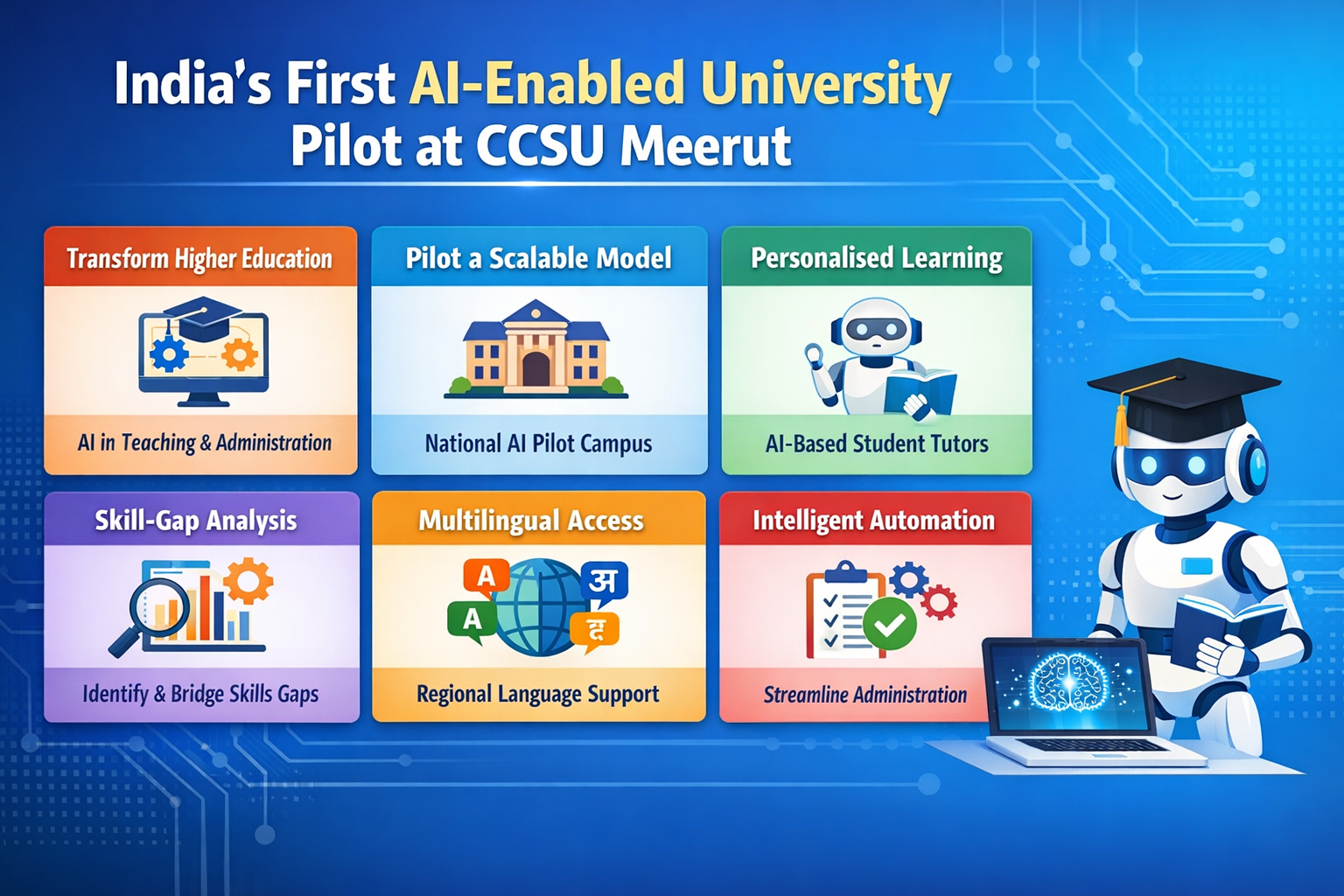
India’s Chaudhary Charan Singh University (CCSU) in Meerut, together with the Ministry of Skill Development and Entrepreneurship (MSDE) and Google Cloud, has introduced the first AI-powered university pilot. Initiative, announced as part of the modernisation of higher education, incorporates more advanced artificial intelligence systems into teaching, learning, and administrative processes. CCSU will serve as a national pilot campus for personalised AI tutors, AI-driven skill-gap analysis, and intelligent automation, owing to the development of a scalable model to be deployed by thousands of universities and colleges across the country. The project would focus on improving access, personalisation of learning, and eliminating skills gaps in higher learning.

Objectives of India’s First AI-Enabled University at CCSU Meerut

  • Transform Higher Education: Implementing cutting-edge AI in teaching, learning, and administration to transform the higher education system in India.

  • Pilot a Scalable Model: CCSU Meerut should be used as a national pilot campus to build a replicable framework, which can be used by thousands of universities and colleges in India.

  • Personalised Learning: Introduce AI-based individual student tutors that learners can customise to their unique requirements, enabling them to grasp concepts at a learner-friendly pace.

  • Skill -Gap Analysis: Adopt AI software that pinpoints skill gaps of students and maps the results of learning to the needs of the workforce.

  • Multilingual Access: Habitual AI language capabilities, e.g. to make educational resources available in regional languages, to reach students in most parts of the country.

  • Empower Teachers: Empowered faculty: allow faculty to plan educational content, interactive simulation and multilingual aids to improve teaching quality.

  • Operational Efficiency: Intelligent automation and document processing: Streamline the administration of the university and lessen paperwork.

  • National Best Practices: Pride insights to support the development of a National Best Practice Framework of AI adoption in higher education.

Conclusion (India pilots First AI-Enabled University at Meerut’s CCSU)

The first AI-powered university in CCSU, Meerut Indi,a is a key milestone in the modernisation of higher education. The project will deliver personalised learning to students, skill-gap analysis, and multilingual access through the incorporation of the idea of artificial intelligence in teaching, learning, and administration to students in India. It equips teachers with sophisticated resources, facilitates administrative functions and develops a model to be adopted by other colleges. Not only does this pilot improve the quality and access to academics, but it also improves the digital educational facility and skills training of India, which will also be ready to have a tech-based higher education system in the country in the future.

Supreme Court of India Stays UGC Equity Regulations 2026

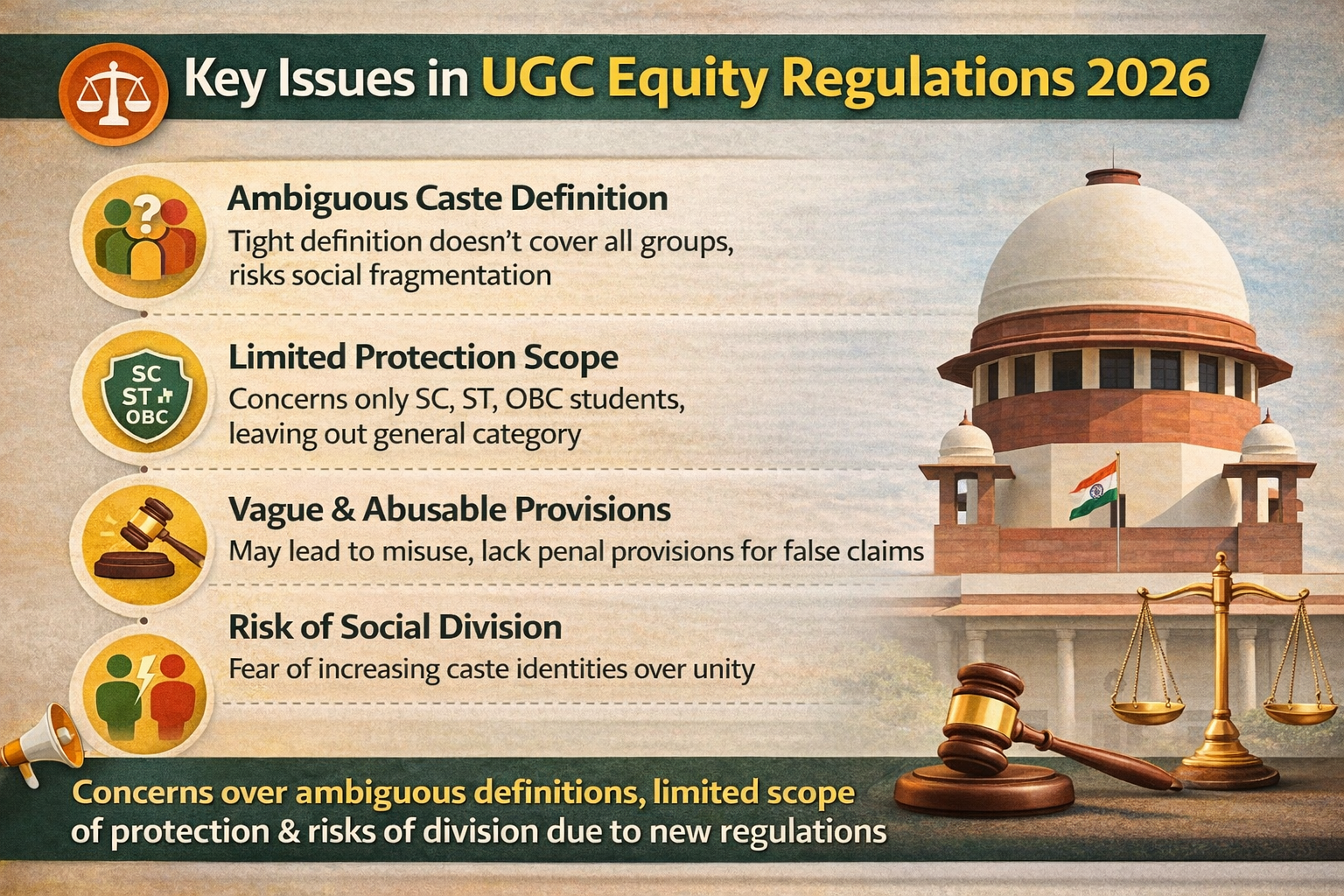
On January 29, 2026, the Supreme Court of India granted an interim stay on the Promotion of Equity in Higher Education Institutions Regulations, 2026, issued by the University Grants Commission, even though the promulgation of some of its provisions was scheduled to occur before the next hearing. Some of the clauses of the new equity system were found to be ambiguous and subject to abuse by the top court, especially the tight definition of caste-based discrimination, which does not cover all the groups, and there was the fear of social fragmentation. The previous UGC Equity Regulations, 2012, will persist until the issue is finally ruled. The case will be put on a hearing, in detail, on March 19, 2026, with stakeholders crafting their arguments of constitutional validity.

What Are the Key Issues in UGC Equity Regulations 2026?

  • The caste-based discrimination idea stipulated in the 2026 Regulations has been described as ambiguous and imprecise, with the possible issue concerning the scope of what can be deemed as covered and how it can be implemented.

  • The Regulations restrict protection only to SC, ST and OBC students under a certain provision, which raises a doubt that general category students would not even get protection on the same platform through the grievance.

  • The detractors complain that the general and empty-handed words may be abused, and vague words may allow misuse or unfair delegation.

  • Certain definitions are confusingly related to the established discrimination law, which makes people question the need to have caste-based distinct categories.

  • Conflict is feared in the case of social division or segregation, in case the Regulations are applied without more comprehensive protection, and the fear that it may focus on places more on caste identities than on unity.

  • This has not included explicit penal provisions on false/malicious claims, and this has been criticised because it could encourage empty or vindictive claims.

  • Another one that has been identified by the Supreme Court as causing concern is the omission of certain matters, like ragging, in the 2026 framework, since it is an important issue on campus.

  • The refinements in the rules are being done to be more precise and constitutional, and at least the current Regulations of 2012, which are still in force as of today, have been retained by the court pending its next hearing.

Important Asked PYQs on the Supreme Court

Question Options Answer
When was the Supreme Court of India established? A) 26 January 1950
B) 20 January 1952
C) 15 August 1947
D) 30 August 1948
A) 26 January 1950
Which Article defines the original jurisdiction of the Supreme Court? A) Article 129
B) Article 130
C) Article 131
D) Article 132
C) Article 131
Who appoints the Chief Justice of India? A) Judges of SC & HC
B) Prime Minister
C) President in consultation with senior judges
D) President alone
C) President in consultation with senior judges
The power of judicial review relates to which action? A) Advise the President
B) Declare laws unconstitutional
C) Review the judiciary organisation
D) Prepare laws
B) Declare laws unconstitutional
Appointment of district judges is made by the Governor in consultation with: A) Attorney General
B) Advocate General
C) Supreme Court
D) High Court
D) High Court
Which High Court has jurisdiction over the Andaman & Nicobar Islands? A) Calcutta High Court
B) Delhi High Court
C) Madras High Court
D) Andhra Pradesh HC
A) Calcutta High Court

Conclusion (UGC Equity Regulations 2026)

The temporary suspension of UGC Equity Regulations 2026 allowed by the Supreme Court raises the risks of confusing definitions and misuse of this tool in many ways, as well as the division of society on campuses. The 2012 regulations will persist till the end of the last hearing, guaranteeing continuity of grievance redressal and equity provisions, although a review of the rules is necessary to reflect the rules in the constitutional and legal standards.

Dhamtari Becomes First District in Country to Collect Property Tax via SAMARTH Portal

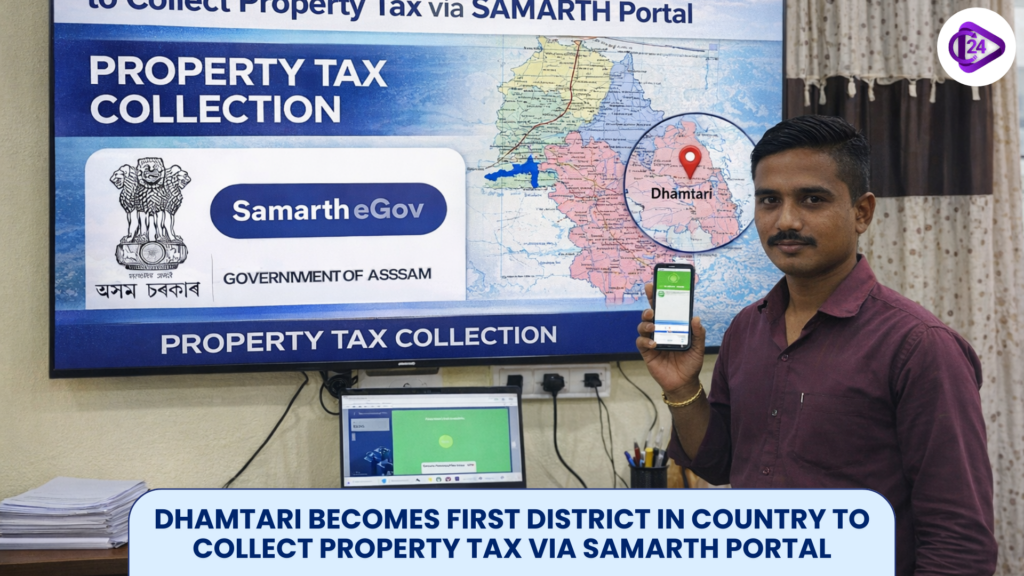
The Dhamtari district of Chhattisgarh was the first district in India to collect property tax through an online platform (the SAMARTH Panchayat portal), marking a major milestone in rural digital governance. Introduced in the Sankara gram panchayat, Nagri block, the program allows locals to remit property tax via a UPI payment gateway, making it easier to pay taxes and reducing administrative bureaucracy. It was first rolled out with a virtual presence of senior officials, and this is seen as a possible booster to transparency and the financial stability of gram panchayats and is an example that other jurisdictions can use to start using technology in collecting taxes.

Dhamtari Creates History with SAMARTH Property Tax

  • Digital Governance Push: The project will be in line with the government's vision of Digital India and open local governments, where people can go cashless at the gram panchayat level.
  • Pilot Launch: The system was initially launched in Sankara Gram Panchayat, Nagri block and citizens were able to pay property tax through an online payment system based on UPI.
  • Citizen Convenience, another advantage is that citizens are now able to pay property tax at the convenience of their homes instead of needing to visit the panchayat offices, thus saving on time and not placing an excessive burden on the administrative system.
  • Financial Empowerment: Digital tax collection enhances revenue collections and financial independence of gram panchayats, which makes it possible to plan the development works at the local level better.
  • Transparency & Accountability: Online records will mean that the payments of taxes are monitored in real time, thus reducing leakages and enhancing the trust of the people in the local institutions.
  • Administrative Support: The program was well received by senior officials as a model of national implementation in the rural parts of India.
  • Scalability: The SAMARTH portal will be extended to all the gram panchayats of the district and then adopted in other districts and states.
  • Relevance in Exam: This unfolding is relevant to Polity, Governance, Digital India, Panchayati Raj and Current Affairs parts.

Economics PYQs on Tax

Exam Year Question Options Answer
UPSC CSE Prelims 2016 Which of the following is a direct tax? A. GST
B. Customs Duty
C. Income Tax
D. Excise Duty
C
UPSC CSE Prelims 2018 Which tax is not subsumed under GST? A. VAT
B. Excise Duty
C. Income Tax
D. Service Tax
C
UPSC CSE Prelims 2020 GST is best described as which type of tax? A. Progressive tax
B. Direct tax
C. Destination-based indirect tax
D. Regressive tax
C
SSC CGL Tier-I 2017 Income tax is collected from whom? A. Producer
B. Consumer
C. Importer
D. Taxpayer directly
D
SSC CGL Tier-I 2019 Which of the following is an indirect tax? A. Corporation Tax
B. Wealth Tax
C. GST
D. Income Tax
C
SSC CHSL 2020 Burden of indirect tax falls on whom? A. Government
B. Producer
C. Consumer
D. Seller
C
IBPS PO Prelims 2018 Which tax is included in the price of goods? A. Income Tax
B. GST
C. Capital Gains Tax
D. Corporate Tax
B
SBI PO 2021 GST replaced which tax system? A. Single tax system
B. Cascading tax system
C. Direct tax system
D. Progressive tax system
B
RRB NTPC 2019 Which tax is paid indirectly by consumers? A. Income Tax
B. GST
C. Wealth Tax
D. Gift Tax
B
RRB Group D 2022 Who collects indirect tax from consumers? A. Government directly
B. RBI
C. Intermediary/Seller
D. Panchayat
C

Conclusion 

The Dhamtari district's becoming the first district in the country to pay property tax using the SAMARTH portal is a giant stride toward realising digital governance. The project leads to greater openness, increases the revenues of panchayats, and establishes a powerful example of cashless and technologically-oriented local governance throughout India.

Google DeepMind Unveils AlphaGenome AI Tool for DNA Mutations

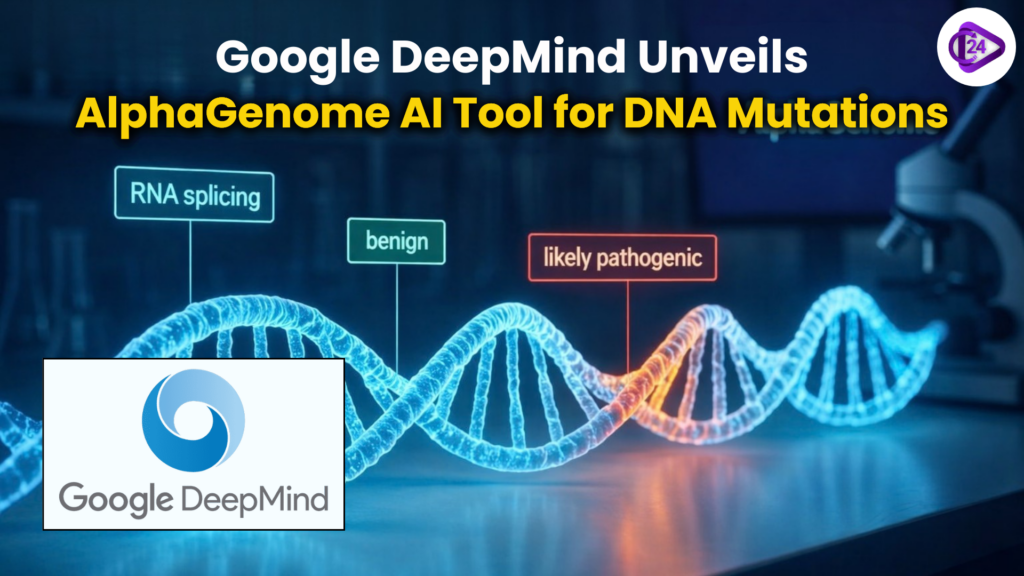
Google DeepMind has presented the AlphaGenome, which elucidates the impact that a DNA mutation has by observation of regulatory factors in long scales of the genome. In contrast to older models in which codons constitute the primary topic of coding studies, AlphaGenome studies up to one million DNA base pairs simultaneously and resolves in great detail, enabling scientists to observe the effect of genetic variations on the regulation and expression of genes. Trained on large-scale genomic data, the AI might hasten the study of complicated pathologies like cancer, cardiovascular illnesses, autoimmune conditions, and neurodegenerative diseases by revealing highly important regulatory changes and promoting precision medicine and genetic discovery.

Key Highlights of Google DeepMind’s AlphaGenome Tool

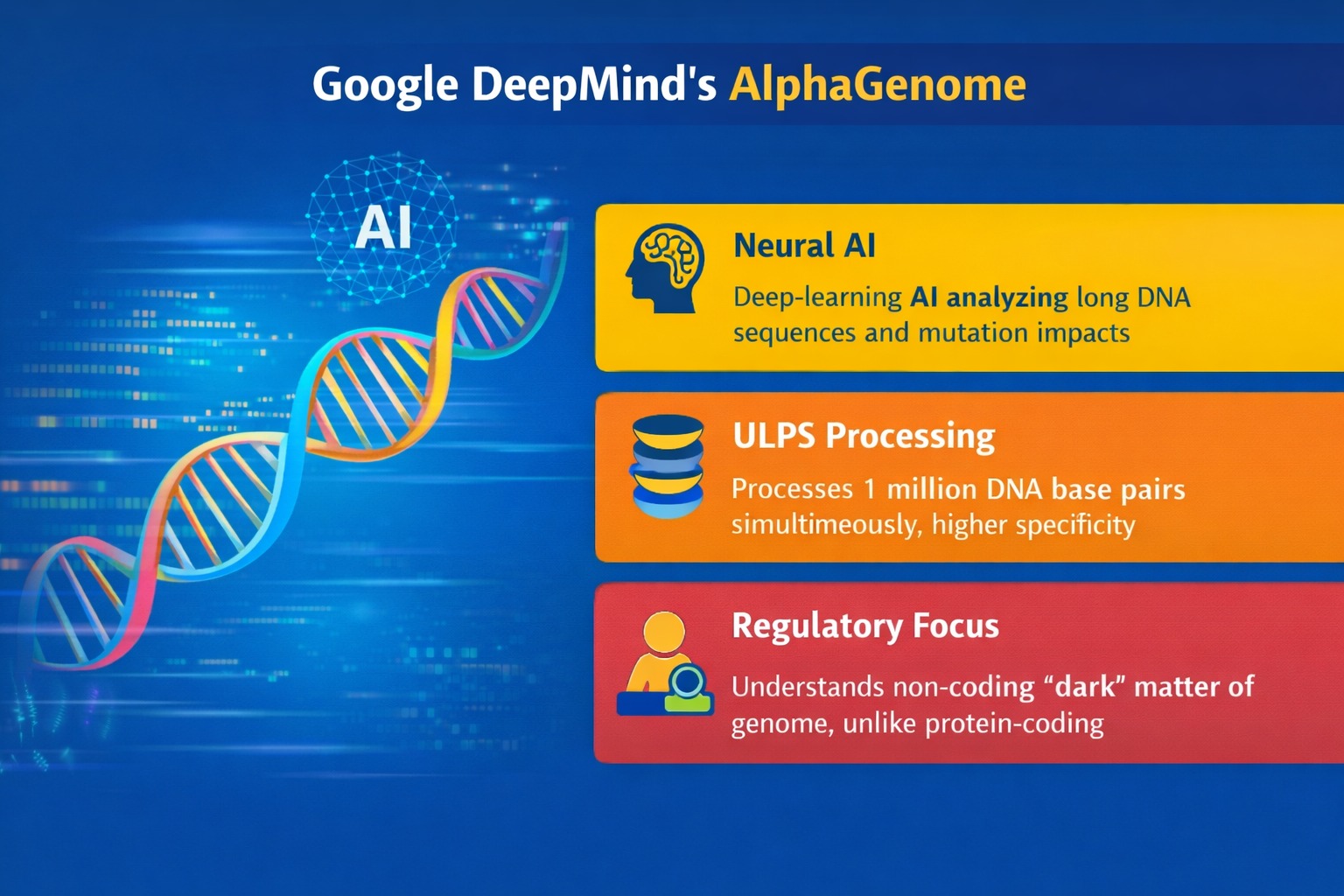
  • Neural AI: AlphaGenome is a deep-learning engine by Google DeepMind that is trained to analyse long sequences of DNA and predict the influence of genetic mutations on the regulation and expression of genes.

  • ULPS Processing: The model is capable of processing DNA base pairs in large quantities (up to 1 million base pairs) with more detail and base-level specificity, which is enormously more powerful than older genomic models.

  • Regulatory Focus AlphaGenome does not target protein-coding sequences, as many other tools do, and is good at understanding non-coding sequences (also referred to as the dark matter of the genome) that regulate the timing and manner of gene expression.

  • Multimodal Predictions: It is capable of predicting gene expression states, RNA splicing levels, chromatin access states and transcription factor binding and providing a full functional understanding.

  • Excellent performance on Benchmarks: AlphaGenome performs equally or better than the existing state-of-the-art models on genomic prediction and variant effect tasks, indicating its general applicability.

  • Variant Impact Scoring: The model can be used to score the effects of mutations on regulatory activity, allowing researchers to prioritise variants of interest to study.

  • Research and Disease Insight: AlphaGenome allows scientists to study disease-related mutations as well as how diseases are controlled, and boost the development of precision medicine.

  • Broad Academic illustration: The instrument is presented as API to the research community and already serves the worldwide population to enable the genomic examination and discovery.

Most Previous Year Questions on DNA Mutations

Exam Year Question (DNA / Mutation / Genetics) Options Answer
UPSC CSE Prelims 2018 Which of the following causes point mutations in DNA? A) Radiation
B) Chemicals
C) Spontaneous errors
D) All of the above
D
UPSC CSE Prelims 2020 Consider the following statements:
1. Mutations can be somatic or germline.
2. Somatic mutations can be inherited.
3. Mutagens increase the mutation rate.
Which are correct?
A) 1 and 2 only
B) 1 and 3 only
C) 2 and 3 only
D) All
B
NEET UG 2019 Frameshift mutation occurs due to? A) Insertion
B) Deletion
C) Substitution
D) Both A and B
D
NEET UG 2021 Which of the following is an example of a silent mutation? A) Change in DNA but same amino acid
B) Nonsense mutation
C) Missense mutation
D) Insertion mutation
A
SSC CGL Tier-I 2017 A DNA mutation that changes a single base pair is called? A) Point mutation
B) Frameshift mutation
C) Chromosomal mutation
D) Gene duplication
A
SBI PO Prelims 2018 Can mutations occur due to? A) Spontaneous errors in replication
B) Radiation
C) Chemicals
D) All of the above
D
RRB NTPC 2020 Which type of mutation does not alter the protein sequence? A) Missense
B) Nonsense
C) Silent
D) Frameshift
C
NEET UG 2022 Mutagens are agents that? A) Repair DNA
B) Cause mutations
C) Transcribe RNA
D) Translate protein
B
UPSC Prelims 2016 Spontaneous mutations occur due to? A) Chemical mutagens
B) UV radiation
C) DNA replication errors
D) Virus
C

Conclusion (Google DeepMind’s AlphaGenome)

An important advance in the study of genomics comes with the creation of Google DeepMind AlphaGenome, which utilises AI to process long sequences of DNA to make predictions on the consequences of mutations. It enables quick disease research, precision medicine, and establishes the future standard of AI-advanced genomic discovery and the advancement of healthcare through the decoding of regulatory regions and the evaluation of the global impact of variations.

Doomsday Clock Moves to 85 Seconds from Midnight

In 2026, the nearest date of world ruin in the 57-year history of the Bulletin of the Atomic Scientists, the Doomsday Clock, a figurative timepiece, was set at 85 seconds to midnight, marking the closest it has ever been before. This change indicates an increasing existential risks, which include the intensification of nuclear lenses, the climate crisis, biological risks, and the acceleration of artificial intelligence combinatorial with a reduction in international cooperation and the exchange of international relationships. By shifting the clock to the time of midnight, scientists will be able to urge the global leaders and ordinary people to take some immediate, joint measures to minimize the threat of artificial catastrophes and prevent a possible global disaster.

Doomsday Clock 2026: Set at 85 Seconds to Midnight, Global Risks Escalate

  • It has been used to project 85 seconds to midnight as the closest it ever adjusted the Doomsday Clock to since it was established in 1947, an unprecedented global threat.

  • On January 27, 2026, the Bulletin of the Atomic Scientists has its Science and Security Board decided in response to weighing the threats on the globe and came up with the decision.

  • The key contributing factors are increasing nuclear tensions, such as adversarial behaviour by nuclear-armed states and degradation of arms control agreements.

  • Scientists mentioned a lack of sufficient movement on climate change, with all-time high global temperatures and deteriorating environmental instability.

  • Other disruptive technologies, such as artificial intelligence, have been mentioned as the emerging threat, particularly in cases where they increase the level of misinformation and destabilization of strategies.

  • The report identifies the lack of international collaboration and the growing nationalism as the factors that hamper the concerted effort to mitigate existential threats.

  • The movement of the clock is a symbolic alarm which is aimed at encouraging world leaders and societies to do something cataclysmic to deal with nuclear, climate, biological, and technological threats before they become more probable.

  • Such adaptation is an indication that humanity is exposed to several risks that are timely and should be solved by united actions on a global level to avoid possible tragedies and protect future generations.

Conclusion (Doomsday Clock 2026)

The decision of the Doomsday Clock to 85 seconds to midnight in 2026 is an indication that the world faces greater dangers than it ever had before, featuring tense moments with nuclear forces, climate, and new technology. Such a metaphorical danger signifies the high importance of global collaboration, active politics, and mutual intervention to counter the dangerous outcomes and find a safer and sustainable future for the human race.

New Plant Species Recorded in Nagaland Community Forest

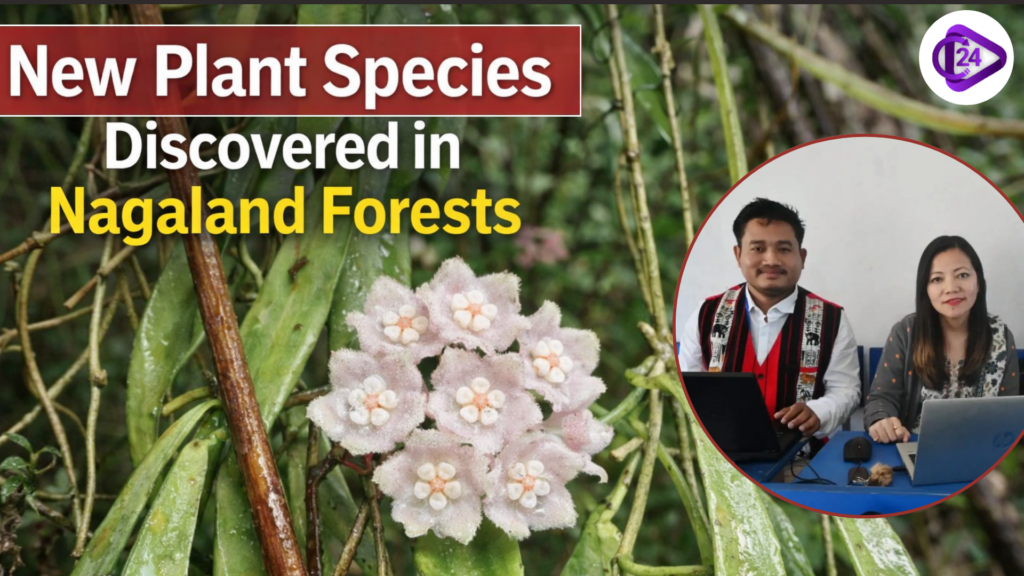
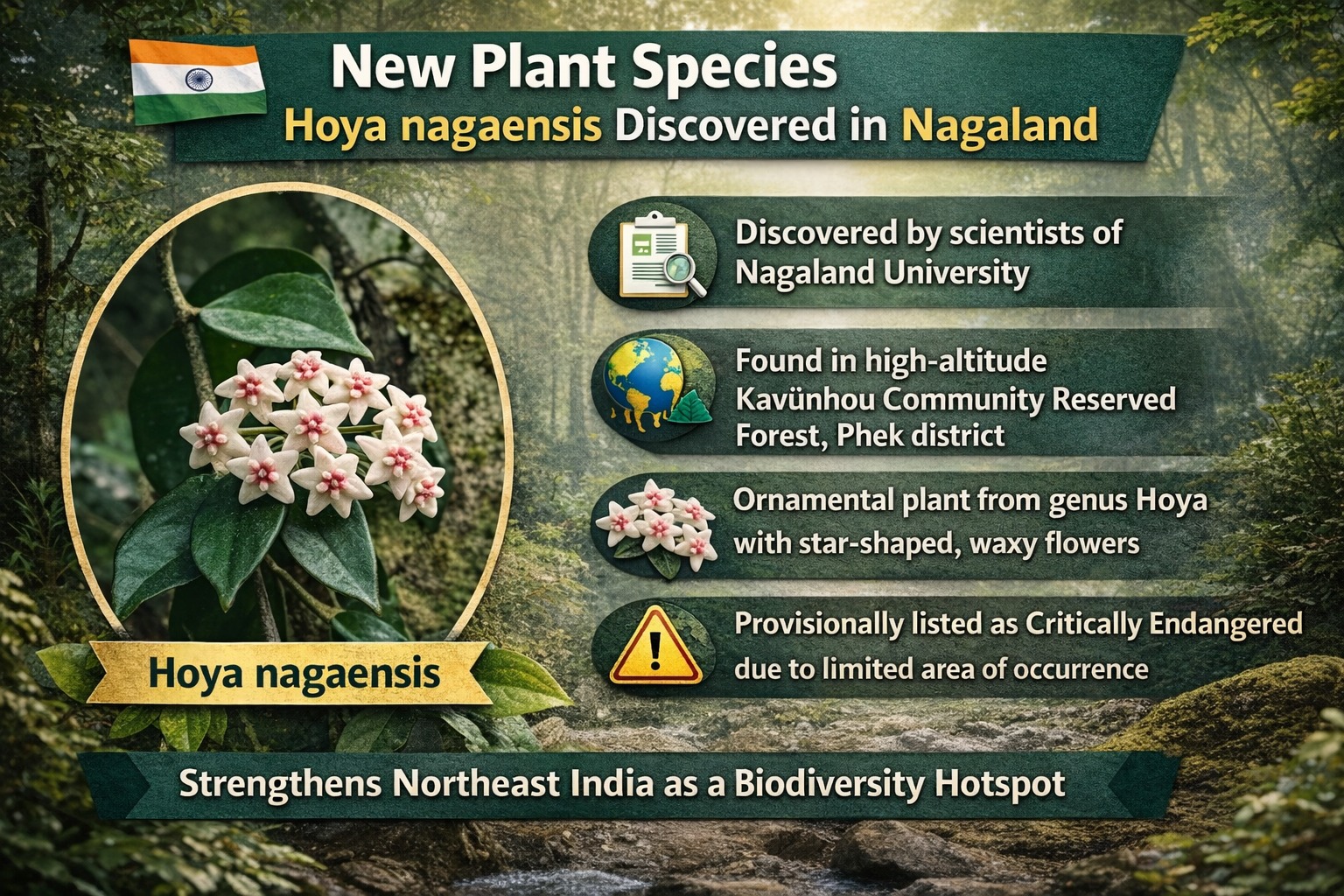
Scientists at Nagaland University have documented a hitherto unknown plant, Hoya nagaensis, in the forests of the high altitude regions of Phek district of Nagaland, which are preserved by the community and the importance of the community in conserving the forests. This was discovered when systematic botanical surveys were conducted of remote forest regions under the stewardship of local people, which are still not fully explored by scientists. Its morphological characteristics are unusual, and it is possible to distinguish the plant among the existing species belonging to the Hoya genus. Because of such a small area covered, it can be provisionally recognized as Critically Endangered. This discovery supports the claim that Northeast India is a biodiversity hotspot in the global context and the conservation measures that local people should be familiar with to protect endangered native species.

What is the New Plant Species Hoya nagaensis?

  • The newly identified species of flowering plant is called Hoya nagaensis and was found in the high-altitude forests of Nagaland.

  • It is a member of the genus Hoya, which are ornamental plants with waxy and star-like flowers and milky latex.

  • The species was observed in the Kavünhou Community Reserved Forest of Phek district, Nagaland.

  • It has a unique leaf morphology and other flower characteristics which make it unique compared with other known species of Hoya.

  • Hoya nagaensis is now known at only one site, so it has become very rare.

  • Its range, as well as threats to its habitat, are very limited, and the critter has been provisionally declared to be Critically Endangered.

  • The discovery of it outlines the richness of botanical diversity in India as well as the role of community-managed forests in conservation.

Previous Year Questions Based on Exam Pattern

Exam Year Question Options Correct Answer
Rajasthan Police Constable 2020 The war songs of Nagaland are called what? A) Tati
B) Hereileu
C) Nyioga
D) Rangma
B) Hereileu
Delhi Police Constable 2020 The tribal folk dance style Zeliang is popular in which state? A) Arunachal Pradesh
B) Nagaland
C) Manipur
D) Mizoram
B) Nagaland
RRB NTPC 2025 Which of the following is the war dance of the Nagas? A) Rangma
B) Nyioga
C) Thangta
D) Khamba
A) Rangma
SSC CHSL 2024 Which folk music does NOT belong to Nagaland? A) Nyioga
B) Zeliang
C) Hozh Buli
D) Lohe
C) Hozh Buli
Nagaland PSC Various Years The highest mountain peak in Nagaland is part of which mountain range? A) Patkai Range
B) Arakan Range
C) Himalaya
D) Vindhya
A) Patkai Range
Nagaland PSC Various Years Which river flows through Nagaland and is significant? A) Brahmaputra
B) Doyang
C) Ganges
D) Subansiri
B) Doyang
Nagaland PSC Various Years Name a major wildlife sanctuary in Nagaland. A) Fakim
B) Kanha
C) Pench
D) Tadoba
A) Fakim
Nagaland PSC Various Years Mount Japfü is located in which district of Nagaland? A) Kohima
B) Phek
C) Mokokchung
D) Wokha
A) Kohima

Conclusion (New Plant Species Hoya nagaensis)

The finding of the new plant species Hoya nagaensis in Nagaland pinpoints the outstanding biodiversity of the location and the worth of forests that are somehow preserved by the community. Their rare morphological characteristics and restricted chemical distribution make it a critically endangered species, and conservation, scientific research and sustainable management are necessary to protect the rich endemic species in India.

Madhya Pradesh Declares 2026 as the Year of Agriculture

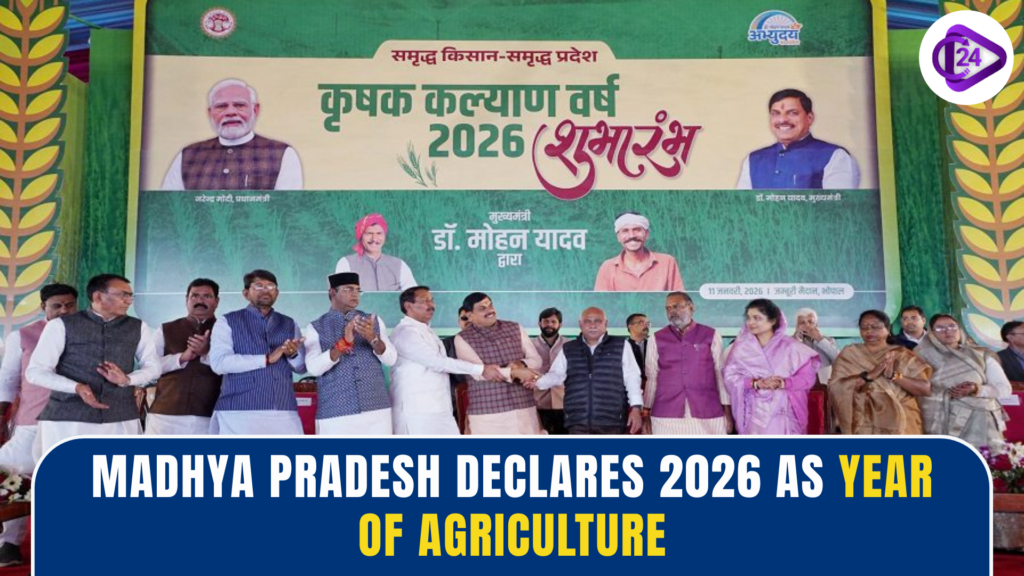
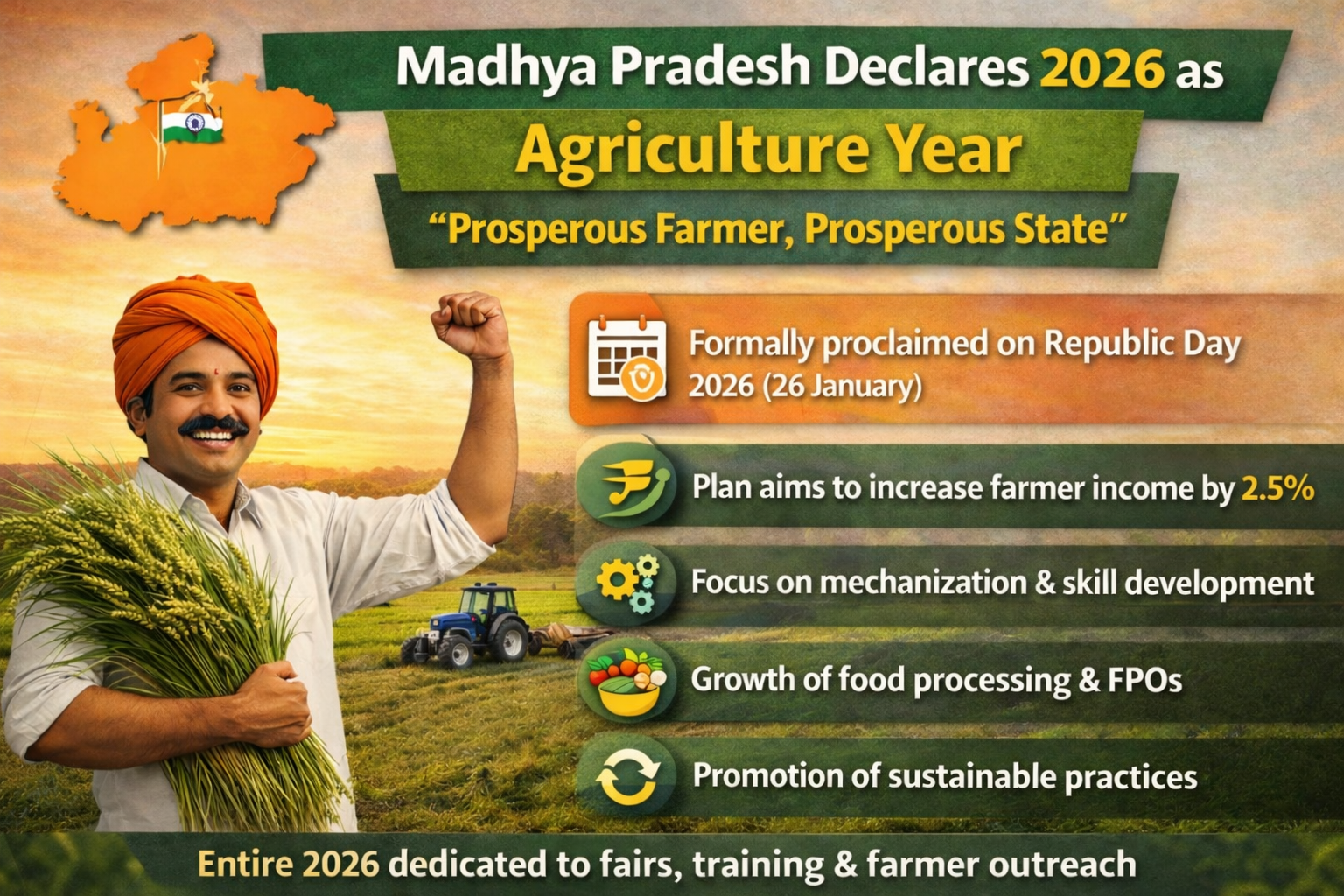
Madhya Pradesh has formally proclaimed 2026 as the Agriculture Year in an effort to boost the agrarian economy of the state as well as the well-being of the farmers in the state. Revenue is to be increased by 2.5 percent through the decision, announced by Governor Mangu Bhai Patel on Republic Day (26 January 2026) and supported by the state government; it focuses on raising the income of farmers, creating more jobs in the agricultural sector and other related fields, and the mechanization of agriculture. Chief Minister Dr. Mohan Yadav emphasized that this project will be concerned with mechanization, skill development, food processing, farmer-producer organizations, and sustainable practices with the slogan: “समृद्ध किसान-समृद्ध प्रदेश” (Prosperous Farmer, Prosperous State). This is a 1-year push that will involve fairs, training, and outreach throughout the state.

Highlights of Madhya Pradesh Agriculture Year 2026

  • The Government of Madhya Pradesh has officially made 2026 the Year of Agriculture to put farming and other related industries at the centre of its development agenda in the state.

  • The program is aimed at the welfare of the farmers and at improving their means of income, which is consistent with the vision of a prosperous farmer, prosperous state (Samriddh Kisan-Samriddh Pradesh).

  • The budgetary allocation for agriculture has greatly risen, indicating that the government has been committed to long-term efforts to boost the rural and agrarian economy.

  • It has adopted a multi-point development model that will help in cost reduction of inputs, enhance productivity, and encourage sustainable and climate-resilient agriculture.

  • Market reforms and expansion of e-Mandi will help to make sure that the price discovery is transparent and market access is improved, as well as that farmers are remunerated fairly.

  • Natural farming, organic agriculture, and horticulture are actively encouraged in order to improve the health of the soil and decrease the level of chemical dependence.

  • Dairy, livestock, fisheries, and other allied industries are also being integrated with agriculture to increase farmers' incomes and create employment for the rural population.

  • Skill development, mechanization, and the adoption of technology are key areas of focus to modernize farming practices across the districts.

  • A 1-year plan of agricultural fairs, training activities, and awareness campaigns will be organized in a way that will directly reach farmers at the grassroots level.

  • In general, Agriculture Year 2026 should increase productivity, sustainability, and rural prosperity, which will enhance Madhya Pradesh as a prime agricultural state in India.

Important PYQs Asked in Exams

Exam Year Question (PYQ) Correct Answer
MPPSC Prelims 2023 The highest peak of Madhya Pradesh, Dhupgarh, is located in which range? Satpura Range
MPPSC Prelims 2021 What is the source of the Narmada River? Amarkantak
MPPSC Prelims 2019 Which is the longest river of Madhya Pradesh? Narmada
MPPSC 2020 The Vindhya Range is located in which part of Madhya Pradesh? Northern Madhya Pradesh
MPPSC 2022 Madhya Pradesh is known as the “Soy State” of India due to the production of which crop? Soybean
MPPSC 2023 Which is the oldest Tiger Reserve in Madhya Pradesh? Kanha Tiger Reserve
MPPSC 2021 Bandhavgarh Tiger Reserve is located in which district of Madhya Pradesh? Umaria
MPPSC 2020 Kuno Wildlife Sanctuary is famous for which animal species? Cheetah
UPSC Prelims 2019 The Satpura Range lies between which two rivers? Narmada and Tapti
UPSC Prelims 2020 Which state is the largest producer of wheat in India? Uttar Pradesh
UPSC Prelims 2020 Pench Tiger Reserve is situated on the banks of which river? Pench River
SSC CGL 2023 Which state is the largest producer of soybeans in India? Madhya Pradesh
SSC CGL 2022 The Narmada River drains into which sea? Arabian Sea
SSC CGL 2022 Panna Tiger Reserve is located in which Indian state? Madhya Pradesh
SSC GD 2021 The Tapti River originates from which state? Madhya Pradesh
SSC GD 2020 Which state is the largest producer of pulses in India? Madhya Pradesh
SSC CHSL 2021 Dhupgarh Peak is located in which district of Madhya Pradesh? Narmadapuram (Hoshangabad)
SSC CHSL 2019 Gandhi Sagar Wildlife Sanctuary is situated on which river? Chambal
RRB NTPC 2020 What is the source of the Son River? Amarkantak
RRB Group D 2021 Which state is the largest producer of cotton in India? Gujarat
State PCS 2019 Satpura Tiger Reserve is part of which mountain range? Satpura Range
State PCS 2018 The Malwa Plateau is mainly located in which state? Madhya Pradesh
State PCS 2018 Nauradehi Wildlife Sanctuary is located in which region of Madhya Pradesh? Central Madhya Pradesh

Conclusion (Madhya Pradesh Declares 2026 as Agriculture)

The declaration of the Year of Agriculture in 2026 by Madhya Pradesh reflects its desire to change the state of the agricultural industry, improve the income of farmers and further achieve sustainable practices. This project will improve the state's agrarian economy by focusing on technology, market reforms, allied sectors, and rural development, which will result in the prosperity of farming communities.

Frequently Asked Questions (FAQs)

The current affairs cover recent national and international events related to UPSC, SSC, Banking, Railways, and State PCS.

You need to read about the current affairs daily, and revise them every week and every month to keep them longer in your memory.

Yes, Class24 provides free downloadable Daily Current Affairs PDFs for easy revision.

Yes, you can practice MCQs and quizzes to boost your exam preparation.

Absolutely. The content is written in simple, easy-to-understand bilingual language suitable for beginners.

Go to class24.com and click on the current affairs section directly, where you find everything that you need.

ssc-toppers

Start Learning Today with Class24

Related current affairs

Class24 offers free video lectures for smart preparation, covering CGL, CPO, CHSL, MTS, and GD exams. Learn from expert faculty, revise concepts easily, practice with PYQs, and improve speed and accuracy through high-quality, exam-focused video lessons anytime, anywhere.

Get success in your hand. Start study anytime anywhere.

The journey becomes simple and enjoyable when you start taking interest in it. And through our app “Class24”, we will be your trusted partners in developing that interest.

Daily Quizzes
Mock Tests
Ongoing

No ongoing tests right now.