

Daily Quizzes
Mock Tests
No tests attempted yet.
Select Category
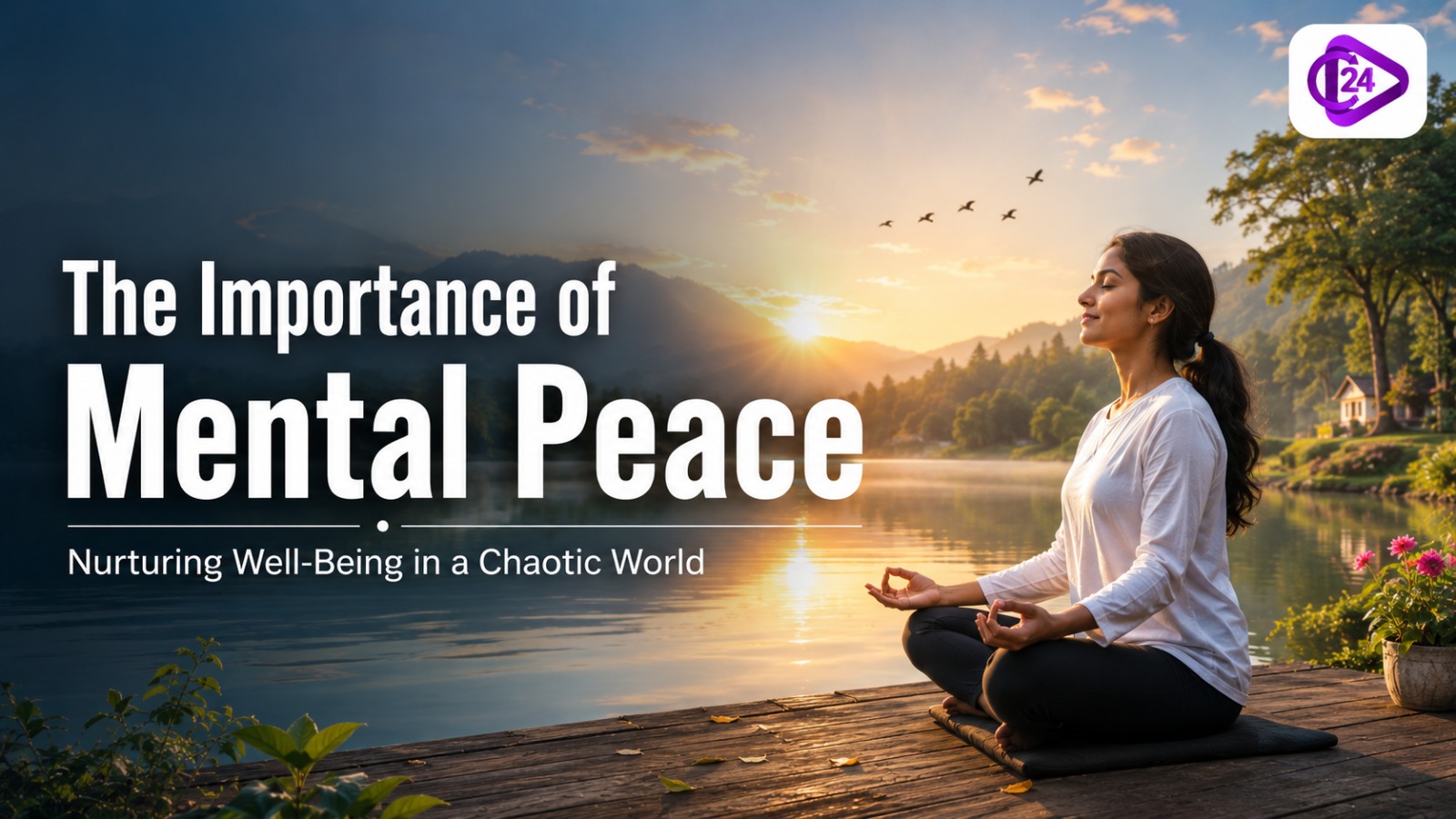
The Importance of Mental Peace: Nurturing Well-Being in a Chaotic World

Enquire Now
In today's fast-moving world, maintaining mental peace has become more important than ever. Busy schedules, work pressure, financial responsibilities, excessive screen time, and constant exposure to social media often leave people feeling overwhelmed. While success, wealth, and achievements are valuable, they lose their meaning if our mind is constantly stressed or anxious. Mental peace is not about avoiding challenges; it is about developing the ability to stay calm, focused, and emotionally balanced while facing them.
A peaceful mind helps us make better decisions, build stronger relationships, improve productivity, and enjoy a healthier life. By adopting healthy habits such as mindfulness, exercise, quality sleep, and positive thinking, anyone can gradually improve their mental well-being.
What Is Mental Peace?
Mental peace is a state of emotional balance where a person feels calm, stable, and capable of handling life's challenges without excessive stress. It allows individuals to think clearly, respond wisely, and maintain a positive outlook even during difficult situations.
Why Mental Peace Matters
Mental peace is closely connected with physical health, emotional stability, and overall quality of life. People with a peaceful mind often experience better concentration, healthier relationships, improved confidence, and greater satisfaction in daily life.
Key Benefits of Mental Peace
- Better emotional control
- Improved concentration
- Higher productivity
- Better decision-making
- Healthy relationships
- Improved sleep quality
- Reduced stress levels
- Greater self-confidence
- Better physical health
- Increased happiness
Factors That Disturb Mental Peace
Modern lifestyles expose people to several factors that negatively affect emotional well-being. Understanding these triggers is the first step toward creating a healthier and more balanced life.
| Common Cause | How It Affects Mental Well-Being |
|---|---|
| Work Pressure | Increases stress and burnout |
| Financial Problems | Creates anxiety and uncertainty |
| Social Media Overuse | Encourages comparison and distraction |
| Poor Sleep | Reduces emotional stability |
| Negative Thinking | Increases worry and fear |
| Lack of Exercise | Affects mood and energy levels |
These challenges may seem common, but addressing them through healthy habits can significantly improve mental peace over time.
Practical Ways to Achieve Mental Peace
Building mental peace is a gradual process that requires consistency. Small positive habits practiced every day often produce lasting improvements in emotional well-being.
Practice Mindfulness
Mindfulness encourages individuals to focus on the present moment instead of worrying about the past or future. Spending even ten minutes daily in mindful breathing can reduce stress and improve clarity.
Exercise Regularly
Physical activity releases endorphins, often called "feel-good hormones." Walking, yoga, cycling, or light workouts help improve mood while reducing anxiety and mental fatigue.
Get Quality Sleep
Adults generally benefit from 7–9 hours of quality sleep. Good sleep supports emotional regulation, memory, concentration, and overall mental health.
Maintain Healthy Relationships
Talking openly with trusted family members or friends provides emotional support and reduces feelings of loneliness. Positive relationships strengthen resilience during difficult times.
Limit Digital Overload
Reducing unnecessary screen time and taking breaks from social media can improve focus and decrease mental exhaustion caused by constant information overload.
Practice Gratitude
Writing down a few things you are thankful for each day helps shift attention from problems to positive experiences, improving emotional balance over time.
Daily Habits That Support Mental Well-Being
Small daily actions contribute significantly to long-term emotional health. Consistency is more important than perfection.
- Wake up with a positive routine.
- Eat nutritious meals.
- Stay physically active.
- Drink enough water.
- Spend time in nature.
- Read inspiring books.
- Practice meditation or deep breathing.
- Set realistic goals.
- Take regular work breaks.
- Avoid unnecessary comparisons.
Mental Peace at Work and in Personal Life
Maintaining mental peace is equally important in professional and personal environments. At work, it improves productivity, teamwork, creativity, and decision-making. In personal life, it strengthens relationships, improves communication, and helps people respond calmly during disagreements.
Creating healthy boundaries between work and personal time also prevents burnout and supports long-term well-being.
Important Links
| International Day of Yoga | World Mental Health Day |
| International Day of Happiness | World Health Day |
| Fit India Movement | Poshan Abhiyaan |
| Healthy Lifestyle Tips | Meditation Benefits |
Conclusion
Mental peace is one of the greatest investments we can make for our overall well-being. While challenges and uncertainties are unavoidable, our response to them determines our quality of life. By developing healthy routines, practicing mindfulness, maintaining positive relationships, exercising regularly, and limiting unnecessary stress, we can nurture a peaceful mind even in a chaotic world.
True success is not measured only by achievements but also by the ability to live with balance, gratitude, resilience, and inner calm. Prioritizing mental peace today can lead to a healthier, happier, and more fulfilling future.
Frequently Asked Questions