

Daily Quizzes
Mock Tests
No tests attempted yet.
Select Category
Gyanvapi mosque: Muslim side ‘boycotts’ as ASI conducts complex survey. 10 points

Enquire Now
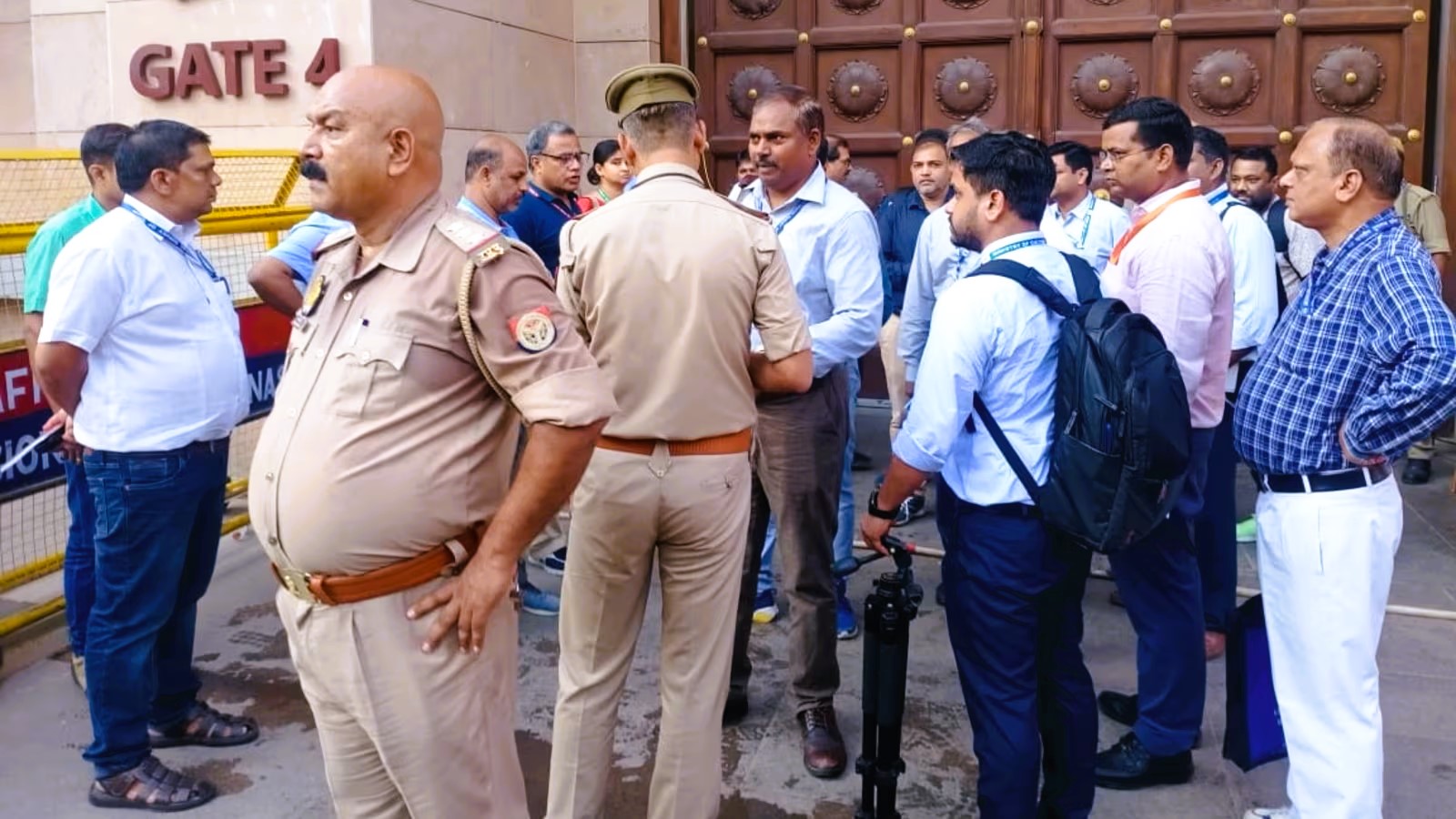
The Archaeological Survey of India (ASI) began a scientific survey of the Gyanvapi mosque complex in Varanasi, Uttar Pradesh, following directions from a district court. A team of ASI officials entered the complex to examine whether the mosque was constructed at a site where a temple may have existed earlier.
The survey attracted considerable attention because the Muslim side, represented by the Anjuman Intezamia Masajid Committee, decided not to participate in the exercise. The committee cited the pending Supreme Court proceedings while raising objections to the timing of the survey.
Gyanvapi Mosque ASI Survey: Key Highlights
The Gyanvapi mosque survey involved ASI experts, representatives of the Hindu petitioners and legal teams. Scientific techniques were planned to examine the structure while following directions issued by the courts.
| Particular | Details |
|---|---|
| Location | Varanasi, Uttar Pradesh |
| Surveying Agency | Archaeological Survey of India (ASI) |
| Survey Type | Scientific Survey |
| Technology Mentioned | Ground Penetrating Radar (GPR) |
| Muslim Side | Boycotted the survey |
| Hindu Petitioners | Representatives were present |
| Protected Area | Wazookhana excluded from survey |
| Survey Purpose | To examine the historical structure of the site |
Why Was the Gyanvapi Mosque Survey Conducted?
The scientific survey was ordered as part of the ongoing legal proceedings concerning the Gyanvapi complex. The district court directed the ASI to investigate the site and submit its findings.
The purpose was to scientifically examine whether the existing mosque structure was built at a location where a Hindu temple may have existed earlier. The court permitted a detailed scientific investigation, including excavation wherever considered necessary under its directions.
Muslim Side Boycotts the ASI Survey
One of the major developments was the decision of the Anjuman Intezamia Masajid Committee not to participate in the survey. The committee manages the Gyanvapi mosque.
Its representatives argued that the Supreme Court was scheduled to hear a matter connected with the survey order. The Muslim side therefore sought postponement of the exercise and did not participate in the survey proceedings at that stage.
Gyanvapi Mosque Survey: 10 Important Points
Here are the major developments mentioned in the report regarding the ASI survey of the Gyanvapi complex.
1. ASI Team Entered the Gyanvapi Complex
A 30-member Archaeological Survey of India team entered the Gyanvapi complex on Monday morning to begin the scientific examination ordered by the court. Around 40 people were reported to have entered the premises, including other parties connected with the case.
2. Hindu Plaintiffs and Lawyers Were Present
Four Hindu women petitioners and their legal representatives were present during the proceedings. The petitioners were connected with the case seeking permission to worship at the Shringar Gauri Sthal located within the complex.
3. Muslim Side Decided to Boycott the Survey
The Anjuman Intezamia Masajid Committee announced that it would not participate in the ASI survey. Its representatives and lawyers stayed away from the proceedings while raising objections to the timing of the exercise.
4. Supreme Court Hearing Was Cited
Lawyers representing the Muslim side sought postponement of the survey because a Supreme Court hearing concerning the survey order was scheduled. This became one of the main reasons given for not participating in the exercise.
5. Authorities Held Discussions Before the Survey
Before the survey began, Varanasi district and police authorities held discussions with representatives of both sides. The meeting was intended to communicate information regarding the survey and maintain security around the complex.
6. Ground Penetrating Radar Was to Be Used
Ground Penetrating Radar (GPR) was among the scientific techniques mentioned for examining the site. GPR uses radar pulses to study features beneath the surface without necessarily disturbing or breaking the ground.
This technique can help archaeological teams identify underground structural changes and other features that may require further examination.
7. District Court Ordered the Scientific Survey
Varanasi District Judge A.K. Vishvesh had directed the ASI to carry out a detailed scientific investigation of the Gyanvapi complex. The objective was to examine whether a temple existed at the location before the present mosque structure.
8. Shringar Gauri Case Is Connected With the Dispute
The proceedings were linked to petitions filed by Hindu women seeking permission to worship at the Shringar Gauri Sthal. An earlier court-directed survey had also led to a dispute over a structure found inside the complex.
The Hindu side described that structure as a “Shivling,” while the Muslim side maintained that it was part of a fountain.
9. Wazookhana Was Excluded From the Survey
The mosque's wazookhana was not included in the ASI survey. The area had previously been protected under a Supreme Court order after the disputed structure was found there during an earlier survey.
Therefore, the scientific examination was required to proceed without disturbing the protected portion of the complex.
10. Security Arrangements Were Strengthened
Security arrangements were put in place around the Gyanvapi complex during the survey. According to local authorities cited in the report, devotees visiting the nearby Kashi Vishwanath temple were able to continue darshan while security personnel managed the area.
What Is Ground Penetrating Radar Used in the Gyanvapi Survey?
Ground Penetrating Radar is a non-destructive technology that can help experts examine features beneath a surface. Its use can reduce the need for immediate physical excavation while providing information about underground structures.
| GPR Feature | Purpose |
|---|---|
| Radar Pulses | Examine subsurface features |
| Non-destructive Method | Limits unnecessary physical disturbance |
| Underground Detection | Helps locate structural variations |
| Archaeological Application | Supports investigation of buried features |
For an archaeological survey involving a historically sensitive structure, such technology can help experts gather information while minimising physical interference with the site.
Background of the Gyanvapi Mosque Case
The Gyanvapi dispute gained wider attention after five Hindu women approached the court seeking permission to worship at the Shringar Gauri Sthal.
During an earlier court-mandated video survey, a structure was discovered in the wazookhana area. The Hindu petitioners identified it as a Shivling, while representatives of the Muslim side described it as part of a fountain.
Subsequent court proceedings focused on access to the site, protection of the disputed area and whether a scientific investigation should be conducted.
Why the ASI Survey Became Important
The ASI survey became an important part of the proceedings because it sought to examine archaeological and structural evidence scientifically rather than relying only on competing claims.
The findings of such a survey were expected to provide technical information to the court. However, the legal interpretation and final decision regarding the dispute remained matters for the judiciary rather than the archaeological agency.
Conclusion
The Gyanvapi mosque ASI survey marked an important stage in the ongoing legal proceedings surrounding the Varanasi complex. While ASI officials began the scientific investigation under court directions, the Muslim side boycotted the exercise and sought postponement in view of proceedings before the Supreme Court.
The use of techniques such as Ground Penetrating Radar was intended to examine the site scientifically, while the protected wazookhana area remained outside the scope of the survey. The findings of the archaeological investigation were intended to assist the court in considering the historical and structural questions involved in the dispute.
Frequently Asked Questions