
Day: March 6, 2026
Amit Shah Unveils ‘Pragati’, ‘Vikas’

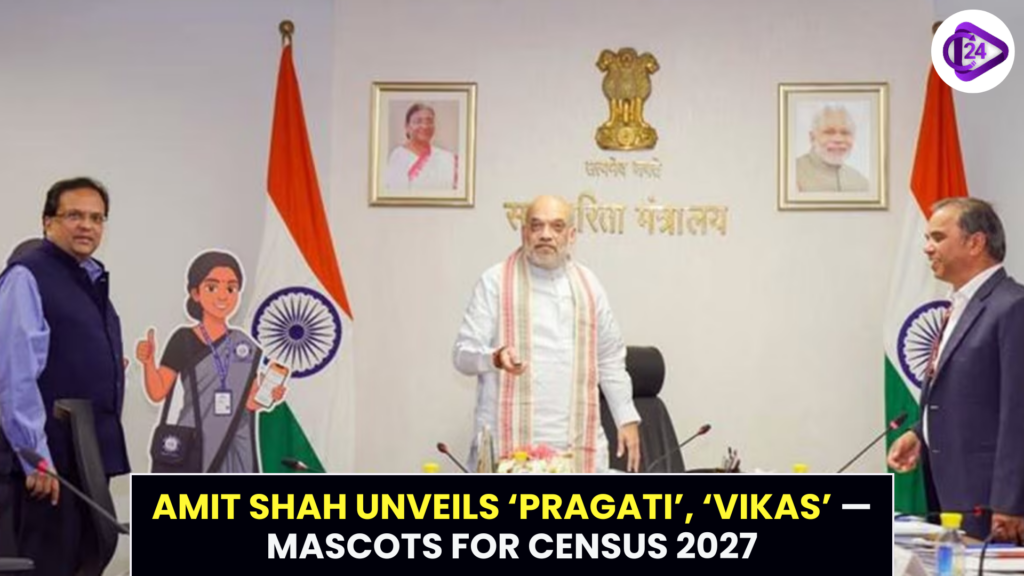
Amit Shah Unveils ‘Pragati’, ‘Vikas’ — Mascots for Census 2027

India is preparing for the upcoming national population enumeration with renewed focus on public awareness and participation. To promote the importance of the census process, Union Home Minister Amit Shah unveiled two mascots named “Pragati” and “Vikas” for the upcoming census exercise. These mascots aim to make the campaign more engaging and help citizens understand the significance of accurate population data. The initiative is part of preparations for the Census of India 2027, which will play a crucial role in policy planning, resource allocation, and governance across the country.

Highlights of the ‘Pragati’ and ‘Vikas’ Mascots

  • Union Home Minister Amit Shah introduced the mascots “Pragati” and “Vikas” to promote awareness and encourage participation in the upcoming Census of India 2027.

  • The mascots are designed to represent progress and development, reflecting the broader vision of using census data for national growth and effective governance.

  • The Census of India is one of the largest administrative exercises in the world, collecting detailed information about the country’s population, demographics, and socio-economic conditions.

  • Pragati” symbolizes progress and empowerment, highlighting the importance of inclusive development and accurate population data.

  • Vikas” represents development and transformation, emphasizing how census data helps governments plan infrastructure, welfare programs, and public services.

  • The introduction of mascots aims to make the census campaign more accessible and engaging, especially for young citizens and communities across rural and urban areas.

  • Census data is crucial for policy formulation, planning social welfare schemes, and allocating government resources effectively.

  • The upcoming census is expected to incorporate greater use of digital technology, improving data collection accuracy and efficiency.

  • The government plans to conduct extensive awareness campaigns through media, educational institutions, and community outreach programs.

  • Reliable census information helps in understanding population trends, migration patterns, employment data, and housing conditions.

  • The census also supports electoral delimitation, development planning, and implementation of targeted welfare schemes.

  • With initiatives like mascots and awareness campaigns, the government aims to ensure maximum public participation and accurate enumeration during Census 2027.

Nine Botswana Cheetahs Arrive at Kuno Park

Conclusion

The unveiling of the mascots “Pragati” and “Vikas” by Union Home Minister Amit Shah highlights the government’s effort to make the upcoming Census of India 2027 more engaging and widely understood. By using relatable symbols of progress and development, the initiative aims to encourage greater public participation and awareness about the importance of accurate population data. Reliable census information will support better policymaking, fair resource distribution, and effective governance. Ultimately, the campaign reinforces the role of the census as a vital tool for India’s inclusive growth and long-term national planning.
andhra pradesh second child incentive

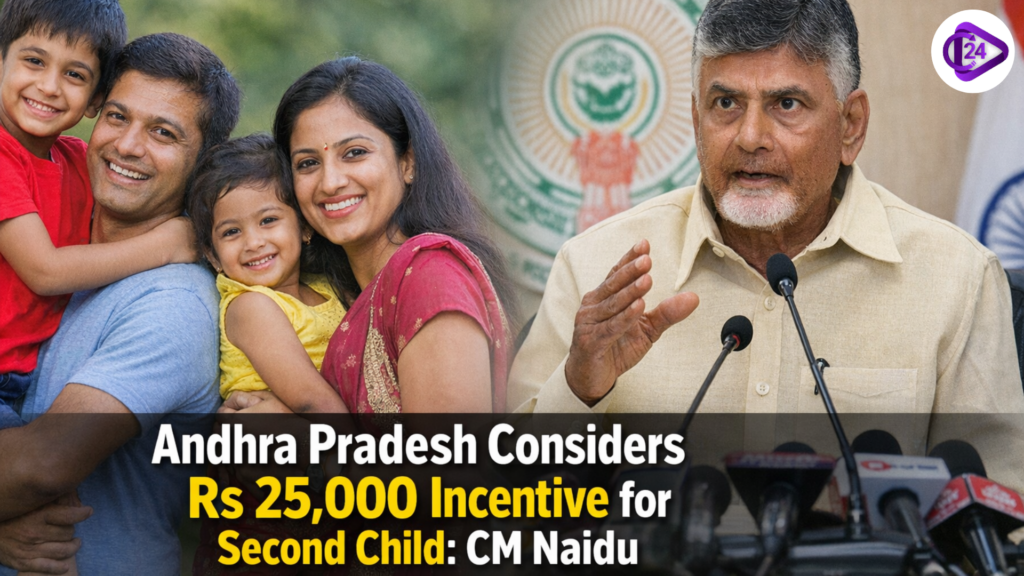
Andhra Pradesh Considers Rs 25,000 Incentive for Second Child: CM Naidu

Andhra Pradesh is considering a new population-support initiative aimed at encouraging families to have more children. The proposal, announced by Chief Minister N. Chandrababu Naidu, suggests providing a financial incentive of ₹25,000 for families welcoming a second child. The idea is part of a broader discussion on demographic balance, declining fertility rates in some regions, and long-term economic sustainability. The government of Andhra Pradesh is examining how such incentives could support young families, improve child welfare, and strengthen the state’s future workforce. If implemented, the scheme could become an important step in population and social policy.

Key Points on A P’s Proposed ₹25,000 Incentive for Second Child

  • The government of Andhra Pradesh is exploring a proposal to provide ₹25,000 financial assistance to families for the birth of a second child. The move is aimed at supporting families and addressing demographic concerns.

  • Chief Minister N. Chandrababu Naidu highlighted the importance of maintaining a balanced population structure to ensure long-term economic stability and workforce availability.

  • The proposed incentive would likely be targeted toward eligible families through a state welfare scheme, ensuring that financial support reaches households that need it most.

  • Officials are studying population trends and fertility rates to determine whether policy incentives are needed to encourage family growth.

  • If approved, the incentive could help reduce financial pressure on parents, particularly during early child-rearing stages such as healthcare, nutrition, and education.

  • The proposal also reflects the government’s broader focus on family welfare and social security programs designed to support mothers and children.

  • The initiative may be integrated with existing maternal and child health schemes, ensuring improved healthcare access and better outcomes for infants and mothers.

  • Economists note that balanced population growth is essential for maintaining a stable labor force, supporting economic development, and sustaining social welfare systems.

  • The government is expected to consult policy experts, economists, and health officials before finalizing the details of the incentive program.

  • If implemented successfully, the scheme could become a model for other states in India seeking to address demographic challenges while supporting family well-being.

PYQs on Demography

Exam Year Question Answer
UPSC Civil Services Prelims 2011 India is regarded as a country with a demographic dividend. This is due to which factor?
(a) High population below 15 years
(b) High population in 15–64 years
(c) High population above 65 years
(d) High total population
High population in the age group 15–64 years, which increases the working-age population and economic productivity.
UPSC Civil Services Prelims 2009 Consider the following statements:
(1) Between Census 1951 and 2001 population density increased more than three times.
(2) During the same period the annual population growth rate doubled.
Which statement is correct?
Neither statement 1 nor 2 is correct according to census statistics.
UPSC Civil Services Prelims 2019 What does the term demographic dividend refer to? Economic growth potential that arises when the working-age population is larger than the dependent population.
SSC CGL 2017 According to Census 2011, India’s population increased by how much during the decade 2001–2011? Around 182 million people were added to India’s population during this decade.
SSC CHSL 2018 Which state has the highest population density in India according to Census 2011? Bihar has the highest population density among Indian states.
NDA & NA 2017 Which Indian state has the lowest population density? Arunachal Pradesh has the lowest population density due to its mountainous terrain and forest cover.
CDS 2018 During which census did India’s population cross one billion? Census 2001 recorded India’s population crossing the one billion mark.
IBPS Banking Exam 2019 Replacement level fertility is approximately how many children per woman? Around 2.1 children per woman, which maintains a stable population level.

Raksha Rajya Mantri Opens Chungthang-Lachen Road

Conclusion

Proposal by N. Chandrababu Naidu to provide a ₹25,000 incentive for families having a second child reflects a proactive approach to addressing demographic concerns and supporting family welfare in Andhra Pradesh. The initiative aims to ease financial pressures on parents while encouraging balanced population growth. If implemented effectively, the policy could strengthen social security, improve child welfare, and contribute to the state’s long-term economic stability and workforce development.

SBI strongest bank india

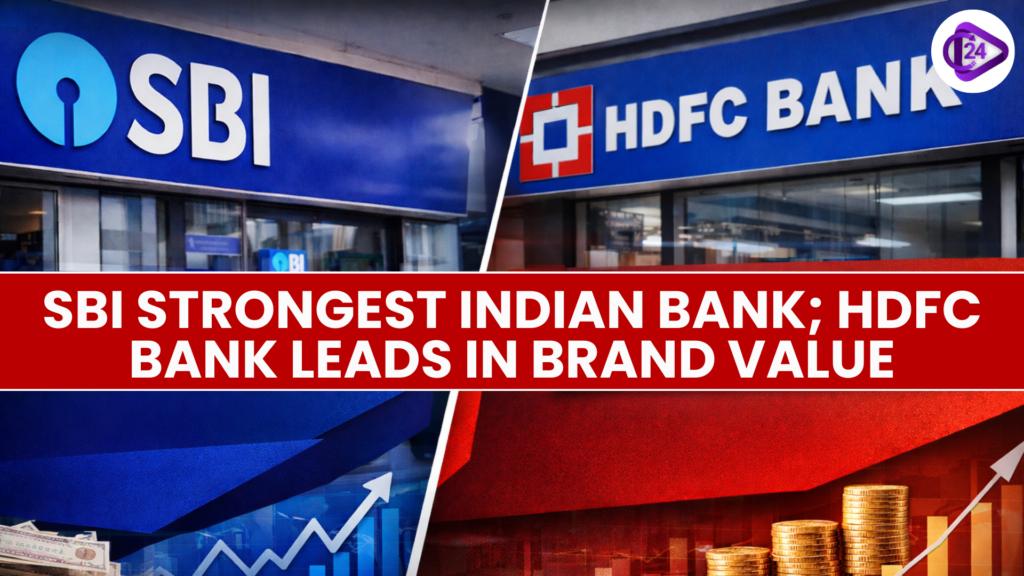
SBI Strongest Indian Bank; HDFC Bank Leads in Brand Value

India’s banking sector continues to demonstrate resilience and growth, with two giants standing out for different strengths. State Bank of India (SBI) is widely recognized as the strongest bank in the country due to its vast customer base, government backing, and nationwide branch network. Meanwhile, HDFC Bank leads in overall brand value, reflecting its strong market reputation, consistent profitability, and digital innovation. Together, these banks represent the stability and evolution of India’s financial ecosystem. SBI’s legacy and scale make it a pillar of trust, while HDFC Bank’s modern approach and customer-focused services highlight the future of banking in India’s rapidly expanding financial landscape.

Banking Leaders of India: SBI for Strength, HDFC Bank for Brand Value

  • State Bank of India (SBI) is widely regarded as the strongest bank in India due to its massive scale, strong government backing, and long-standing reputation in the financial sector. It plays a crucial role in supporting India’s economic development.

  • With thousands of branches and ATMs spread across urban, semi-urban, and rural areas, SBI has one of the largest banking networks in the country. This extensive reach allows it to serve millions of customers efficiently.

  • SBI’s strong balance sheet and capital strength contribute to its position as the most stable and reliable public sector bank in India, making it a preferred choice for many individuals and businesses.

  • On the other hand, HDFC Bank leads the Indian banking sector in terms of brand value. Its reputation for innovation, customer service, and consistent financial performance strengthens its brand image.

  • HDFC Bank has built strong trust among customers through its focus on digital banking, seamless online services, and advanced mobile banking solutions.

  • The bank has also maintained steady growth in profits, asset quality, and market capitalization, which has enhanced its brand recognition both domestically and globally.

  • Both SBI and HDFC Bank play a major role in providing loans, supporting businesses, and promoting financial inclusion across India.

  • Their continued investment in technology, customer experience, and financial services innovation ensures they remain leaders in the rapidly evolving Indian banking industry.

Most Important MCQs

The recommendation to establish the State Bank of India was made by which committee?

A. Narasimham Committee
B. Hilton Young Commission
C. All India Rural Credit Survey Committee
D. Banking Commission

Answer: C. All India Rural Credit Survey Committee

Explanation: The All India Rural Credit Survey Committee (1951-54) recommended creating a strong state-partnered bank to expand rural credit. This led to the formation of SBI in 1955.

The State Bank of India was established in which year?

A. 1949
B. 1955
C. 1969
D. 1980

Answer: B. 1955

Explanation: SBI was created in 1955 when the Government of India nationalized the Imperial Bank of India under the State Bank of India Act, 1955.

SBI was formed after nationalizing which bank?

A. Bank of Hindustan
B. Imperial Bank of India
C. Bank of Bengal
D. Oudh Commercial Bank

Answer: B. Imperial Bank of India

Explanation: The Imperial Bank of India was taken over by the government and transformed into SBI to strengthen public sector banking and rural credit delivery.

The Imperial Bank of India was formed in 1921 by merging which banks?

  1. Bank of Bengal

  2. Bank of Bombay

  3. Bank of Madras

  4. Bank of Hindustan

A. 1, 2 and 3 only
B. 1 and 4 only
C. 2, 3 and 4 only
D. 1, 2, 3 and 4

Answer: A. 1, 2 and 3 only

Explanation: In 1921, the three Presidency banks—Bank of Bengal, Bank of Bombay, and Bank of Adras—were merged to form the Imperial Bank of India.

Who was the first Chairman of SBI?

A. John Mathai
B. Sir Osborne Smith
C. Benegal Rama Rau
D. R. K. Talwar

Answer: B. Sir Osborne Smith

Explanation: Sir Osborne Smith became the first Chairman of SBI in 1955 when the bank was created after nationalizing the Imperial Bank of India.

The State Bank of India Act was passed in which year?

A. 1934
B. 1949
C. 1955
D. 1969

Answer: C. 1955

Explanation: The State Bank of India Act, 1955 provided the legal framework for establishing SBI and transferring the Imperial Bank of India to government ownership.

The headquarters of SBI is located in which city?

A. New Delhi
B. Mumbai
C. Kolkata
D. Chennai

Answer: B. Mumbai

Explanation: The headquarters of State Bank of India is in Mumbai, India’s financial capital.

In 2017, how many associate banks merged with SBI?

A. 4
B. 5
C. 6
D. 7

Answer: B. 5

Explanation: In 2017, five associate banks of SBI were merged with it along with Bharatiya Mahila Bank, making SBI one of the world’s largest banks by assets.

Which of the following banks were merged with SBI in 2017?

  1. State Bank of Travancore

  2. State Bank of Mysore

  3. State Bank of Patiala

  4. Bharatiya Mahila Bank

A. 1, 2 and 3 only
B. 1, 2, 3 and 4
C. 2 and 4 only
D. 1 and 4 only

Answer: B. 1, 2, 3 and 4

Explanation: All these banks were merged with SBI in April 2017, significantly expanding its size and operational capacity.

The main objective behind establishing SBI was to:

A. Promote private banking
B. Expand rural banking and credit
C. Control inflation
D. Regulate stock markets

Answer: B. Expand rural banking and credit

Explanation: The creation of SBI aimed to strengthen rural credit, expand banking access, and support agricultural and economic development in India.

National Science Day 2026

Conclusion

State Bank of India continues to stand as the strongest bank in India due to its vast network, strong government support, and deep reach across urban and rural markets. At the same time, HDFC Bank leads in brand value, reflecting its innovation, customer trust, and consistent financial performance. Together, these two banking giants highlight the strength, stability, and evolving future of India’s dynamic banking sector.

Frequently Asked Questions (FAQs)

The current affairs cover recent national and international events related to UPSC, SSC, Banking, Railways, and State PCS.

You need to read about the current affairs daily, and revise them every week and every month to keep them longer in your memory.

Yes, Class24 provides free downloadable Daily Current Affairs PDFs for easy revision.

Yes, you can practice MCQs and quizzes to boost your exam preparation.

Absolutely. The content is written in simple, easy-to-understand bilingual language suitable for beginners.

Go to class24.com and click on the current affairs section directly, where you find everything that you need.

ssc-toppers

Start Learning Today with Class24

Related current affairs

Class24 offers free video lectures for smart preparation, covering CGL, CPO, CHSL, MTS, and GD exams. Learn from expert faculty, revise concepts easily, practice with PYQs, and improve speed and accuracy through high-quality, exam-focused video lessons anytime, anywhere.

Get success in your hand. Start study anytime anywhere.

The journey becomes simple and enjoyable when you start taking interest in it. And through our app “Class24”, we will be your trusted partners in developing that interest.

Daily Quizzes
Mock Tests
Ongoing

No ongoing tests right now.