
Day: January 24, 2026

Statehood Day of Manipur, Tripura, and Meghalaya: History, Date, and Significance

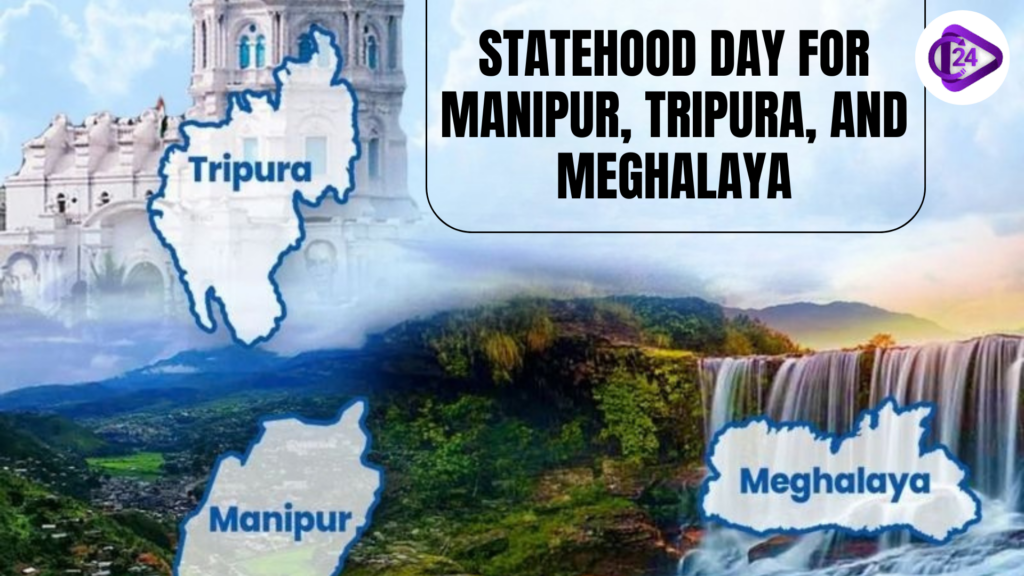
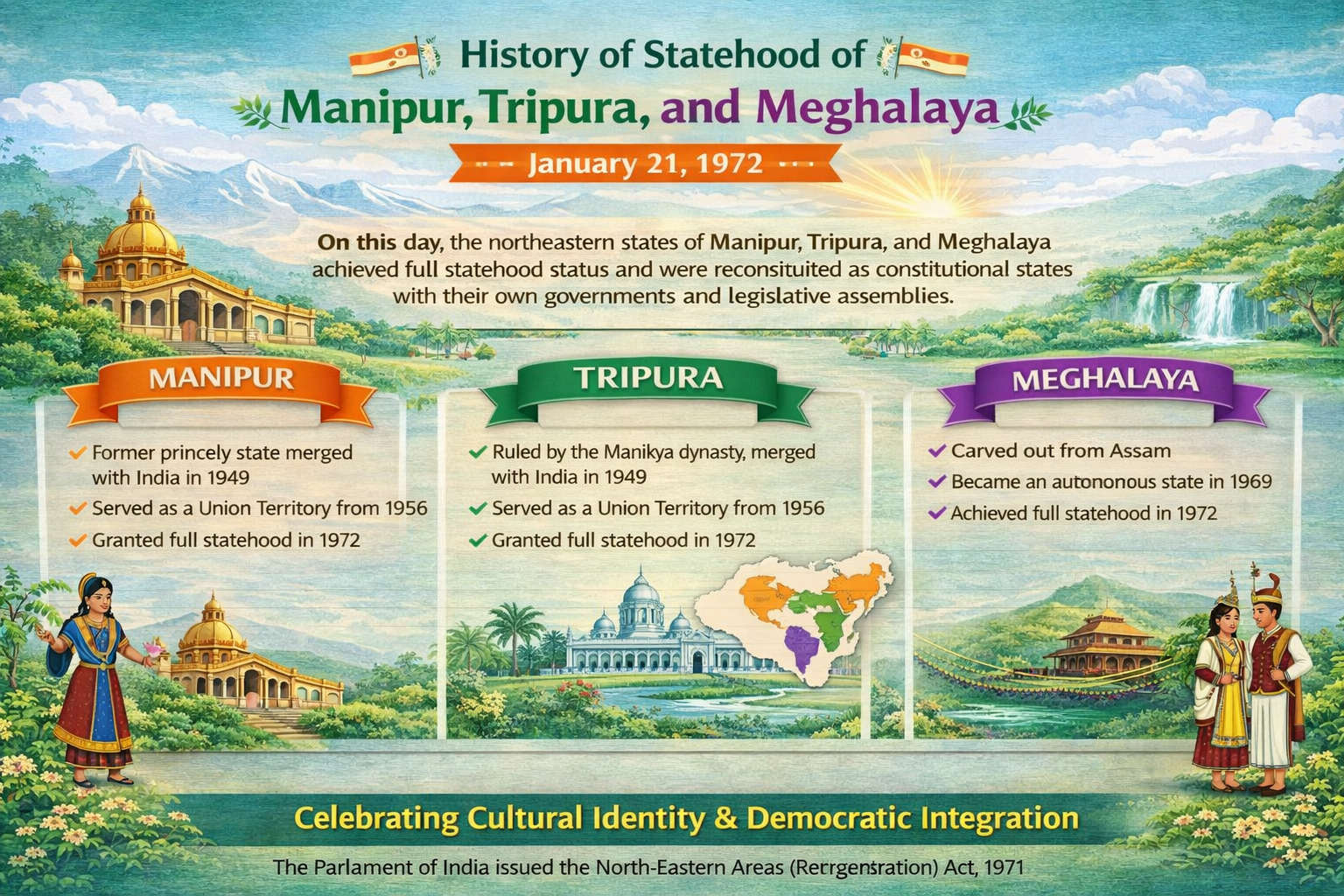
The states of Manipur, Tripura, and Meghalaya observe their statehood day on January 21 every year, marking the day when the three northeastern parts of India – Meghalaya, Tripura, and Manipur – were granted full statehood status under the North-Eastern Areas (Reorganisation) Act, 1971. On this date, Tripura and Manipur, formerly princely states that had acceded to the Indian Union, and Meghalaya, formerly a part of Assam, were reconstituted as separate constitutional states with their own governments and legislative assemblies. This is a day that is observed to celebrate their special cultural identities, democratic integration, and contributions towards the unity and development of India.

History of Statehood of Manipur, Tripura, and Meghalaya

  • Date of Statehood: on 21 January 1972, Manipur, Tripura, and Meghalaya achieved full statehood, marking an important milestone in the political reorganisation of the Northeast of India.

  • Legal Status: The Parliament of India had passed the North-Eastern Areas Reorganisation Act, 1971, which granted them statehood.

Manipur:

  • Manipur, which was once a state of the princely regime, became a part of the Indian Union in 1949.

  • It was serving as a Union Territory since 1956 and finally became a complete state in 1972.

Tripura:

  • Tripura, which was ruled by the Manikya dynasty, also integrated with India in 1949.

  • It joined the Union Territory in 1956 and became a state in the year 1972.

Meghalaya:

  • Meghalaya was established as an autonomous state in 1969 o

  • ut of the state of Assam.

  • In 1972, it was granted independent statehood to safeguard the tribal identity and administrative autonomy.

Capital Cities: Imphal (Manipur), Agartala (Tripura), and Shillong (Meghalaya).

Administrative Effect: Statehood made elected legislatures, separate high courts, and more financial independence.
Best PYQs on Tripura, Meghalaya, and Manipur

Exam Year Question (PYQ) Options Correct Answer
SSC CGL 2019 Manipur, Meghalaya, and Tripura became states under which act? A. States Reorganisation Act 1956
B. North Eastern Areas Reorganisation Act 1971
C. Government of India Act 1935
D. Indian Independence Act 1947
B
SSC CPO 2019 Which states celebrate their Statehood Day on 21 January? A. Assam, Mizoram, Nagaland
B. Manipur, Tripura, Meghalaya
C. Arunachal, Sikkim, Mizoram
D. Nagaland, Manipur, Tripura
B
SSC JE 2020 Manipur, Meghalaya, and Tripura celebrated their Statehood Day on? A. 15 August
B. 26 January
C. 21 January
D. 1 November
C
SSC CHSL 2022 On 21 January 1972, which of the following states were granted statehood? A. Nagaland, Mizoram, Arunachal
B. Manipur, Tripura, Meghalaya
C. Assam, Meghalaya, Tripura
D. Manipur, Mizoram, Tripura
B
SSC CGL 2018 Manipuri dance is associated with which state? A. Assam
B. Tripura
C. Manipur
D. Meghalaya
C
SSC CHSL 2020 Which of the following is a classical dance form of India? A. Hozagiri
B. Manipuri
C. Bihu
D. Wangala
B
SSC GD 2017 Lai Haraoba festival is celebrated in? A. Tripura
B. Assam
C. Manipur
D. Meghalaya
C
SSC MTS 2021 Hozagiri dance belongs to which state? A. Meghalaya
B. Manipur
C. Tripura
D. Assam
C
SSC CGL 2019 Wangala, also known as the Hundred Drums Festival, is celebrated in? A. Nagaland
B. Meghalaya
C. Tripura
D. Manipur
B
SSC CPO 2020 Nongkrem dance festival is related to which state? A. Manipur
B. Assam
C. Tripura
D. Meghalaya
D
SSC CHSL 2022 Behdienkhlam festival is associated with which state? A. Meghalaya
B. Tripura
C. Manipur
D. Mizoram
A
SSC CGL 2016 Garia festival is mainly celebrated in? A. Manipur
B. Tripura
C. Meghalaya
D. Assam
B
SSC GD 2018 Thabal Chongba dance is related to? A. Tripura
B. Meghalaya
C. Manipur
D. Assam
C
SSC MTS 2021 Khasi, Garo and Jaintia tribes are mainly found in? A. Tripura
B. Assam
C. Manipur
D. Meghalaya
D

Conclusion (Statehood Day of Manipur, Tripura, and Meghalaya)

On 21 January, Manipur, Tripura, and Meghalaya celebrate the day of statehood through Statehood Day, which was granted to the states in 1972. It emphasises the democratic unification of Northeast India, glorifies the cultural diversity, and strengthens the significance of inclusion in governance, regional identity, and balanced national development through the federal framework of India.
Lucknow Leads as UP’s First Zero Fresh Waste Dump City

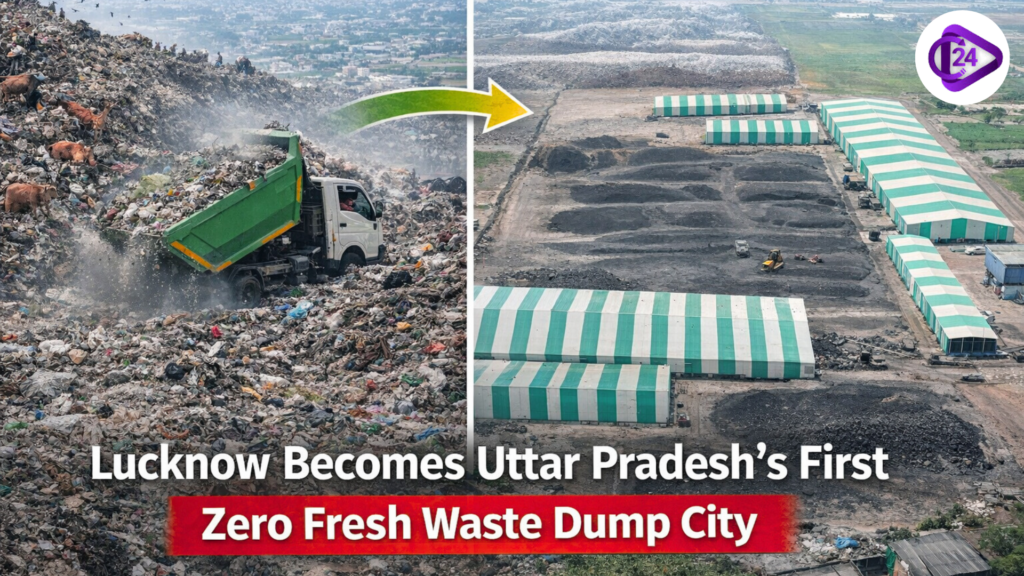
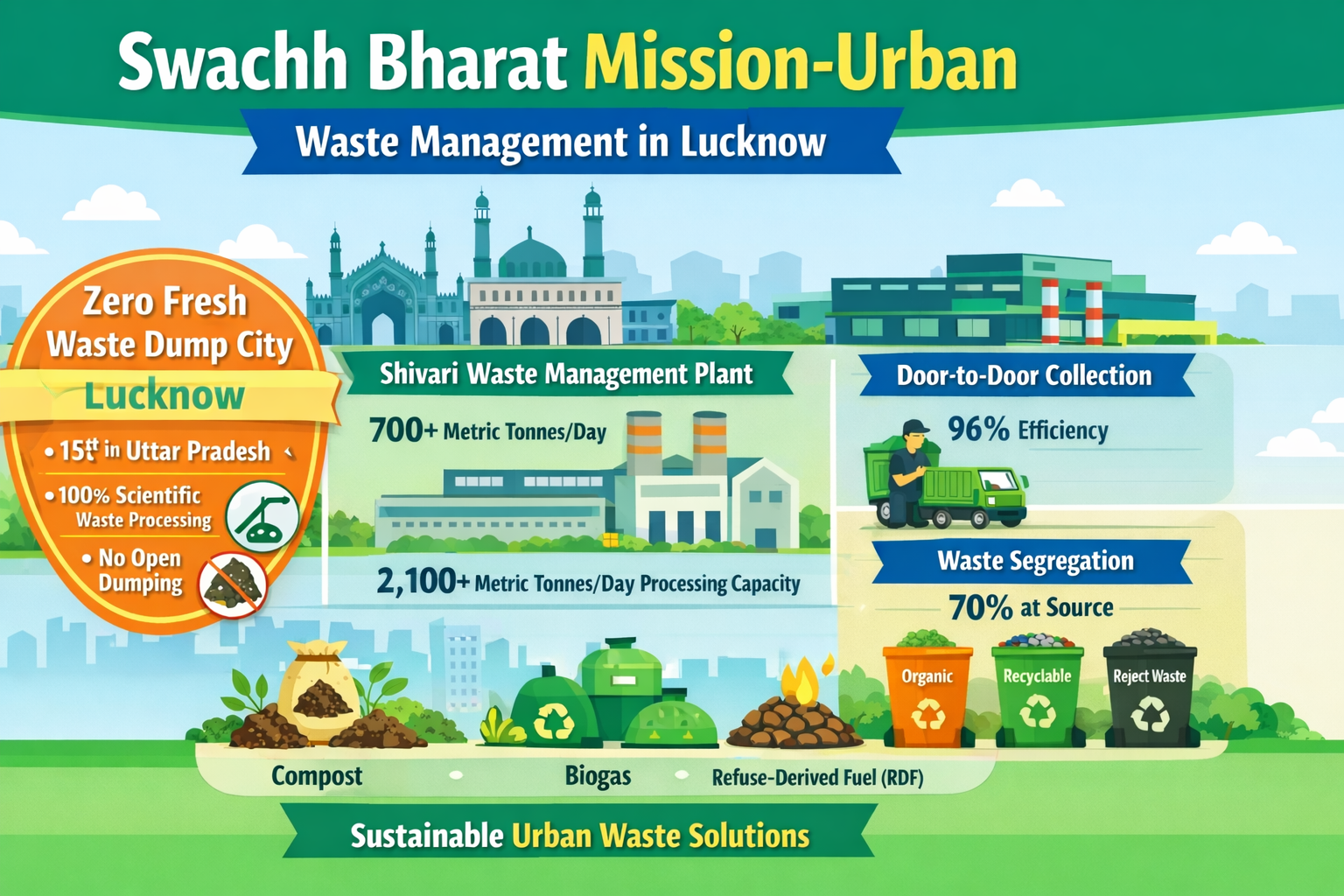
The Swachh Bharat MissionUrban (SBMU) has seen Lucknow become the first city in Uttar Pradesh to record zero fresh waste dumped through scientific processing of 100 per cent of all municipal solid waste. This was achieved by commissioning the Shivari Solid Waste Management Plant, which has increased the total capacity of the existing facilities by 700 cubic feet of daily waste by approximately 2,100 MW per day without open dumping. The waste of the city is separated at the points of origin and recycled into compost, biogas, and refuse-derived fuel, establishing an example of how urban waste can be sustainable in India.

Swachh Bharat Mission‑Urban and Waste Management in Lucknow

  • Lucknow has, under the Swachh Bharat Mission-Urban (SBM-U), 100 per cent scientific processing of municipal solid waste, eradicating open dumps and emerging as the first state of zero fresh waste dump cities in Uttar Pradesh.

  • The project involved the Shivari Solid Waste Management Plant commissioning, which added 700 metric tonnes per day of processing capacity to supplement two existing plants to manage in excess of 2,100 metric tonnes per day of waste.

  • Lucknow Municipal Corporation deployed door-to-door collection of waste, and the efficiency was improved to more than 96%, and the level of source segregation was also more than 70%.

  • Waste is separated into organic and inorganic; organic waste is converted to compost and biogas, and the inorganic material is recycled or refined to Refuse Derived Fuel (RDF), which is used industrially.

  • The development of legacy waste remediation has gone on with a large amount of waste handled, and land reclaimed for productive use.

  • The scientific waste management model is in line with the SBM-U objectives of sustainability, sanitation, improvement, and augmented urban quality of life.

PYQs (History, Battles, Monuments, Geography)

Exam Question (PYQ) Options Answer
RPF Constable Where was the Battle of Chinhat in 1857 fought? A) Near Rawalpindi
B) Near Kolkata
C) Near Satara
D) Near Lucknow
D
RPF Constable Who fought in the famous Battle of Chinhat with the British during the Revolt of 1857? A) Maulvi Ahmadullah Shah
B) Rani Laxmibai
C) Maulana Azad
D) Shah Mal
A
Bihar STET Where did the fiercest battle between the rebels and British take place during 1857 in Lucknow? A) Char Bagh
B) Near railway station
C) Near Bara Imambara
D) Near Residency
D
UPSC / SSC GK Which monument is famously known as the Bara Imambara? A) Jaipur Palace
B) Lucknow Monument
C) Red Fort
D) Fatehpur Sikri
B
SSC GD / GK Chota Imambara is located in which city? A) Agra
B) Delhi
C) Lucknow
D) Varanasi
C
SSC CPO Which of the following monuments is associated with Nawab Shuja-ud-Daula? A) Qutub Minar
B) Red Fort
C) Bara Imambara
D) Gol Gumbaz
C
SSC / State PSC The famous Rumi Darwaza was built during whose rule? A) Akbar
B) Shah Jahan
C) Asaf-ud-Daula
D) Tipu Sultan
C
SSC GD / GK The British Residency in Lucknow is famous for which historical event? A) Revolt of 1857
B) First War of Independence
C) Siege of Lucknow
D) Treaty of Lucknow
C

Conclusion (UP’s First Zero Fresh Waste Dump City)

Lucknow turned out to be the first city in the state of Uttar Pradesh to be a zero-fresh-waste dump city, which is a significant breakthrough in sustainable urban administration. By processing scientific waste, source segregation, composting and production of refuse-derived fuel, the city has not only enhanced sanitation and minimised environmental risks but has also served as a model to other cities in India.

Jammu and Kashmir GI-Tagged Kaladi Gets Centre’s Scientific Support

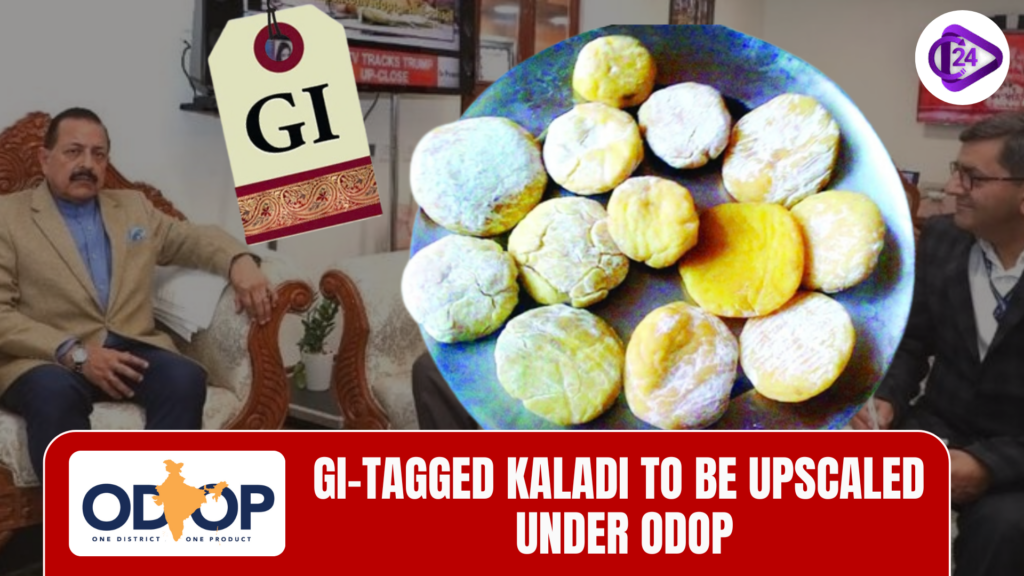
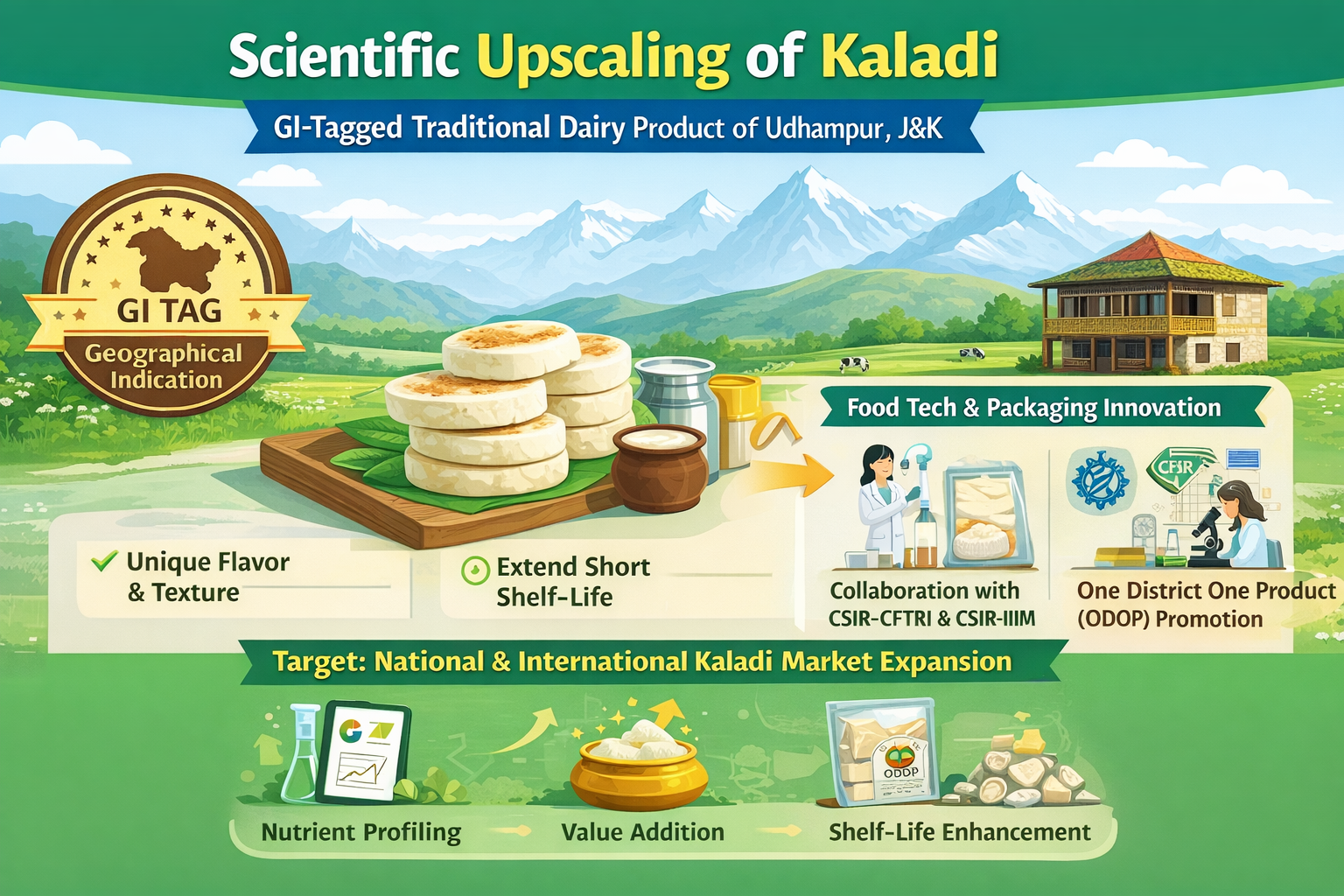
The scientific upscaling of Kaladi, a GI-tagged traditional dairy product of Udhampur district, Jammu and Kashmir, has been directed by the Government of India to be in a position to be used in wider culinary applications and in broader markets, without compromising on its unique flavour, texture, and nutritional value. The project, spearheaded by the Union Minister of State in Science and Technology as well as Earth sciences, seeks to deal with the low shelf life of Kaladi using cutting-edge food technologies and packaging in the One District One Product (ODOP) model. Nutrient profiling, value addition, and shelf-life enhancement will be done in collaboration with premier research institutes such as CSIR-CFTRI and CSIR-IIIM to increase the national and international market potential.

Importance of GI Tag for Kaladi Cheese

  • Definition of Geographical Indication (GI) Tag: A GI tag is a sign attached to a product that claims that it was produced at a particular geographic place with certain unique qualities, fame, or attributes by the location. The GI name has restrictions on who can use it, but only the authorised producers in that region.

  • Defends Authenticity: GI tagging assures the Kaladi cheese of Udhampur, Jammu and Kashmir, that it is the real thing and that the manufacturers in other regions cannot replicate it. It preserves the old production techniques and does not allow the market to become diluted.

  • Economic Benefits: The GI tag will increase the marketability and value of Kaladi so that producers can charge high premium prices and compete favourably in both the domestic and global markets.

  • Empowers Local Economies: GI recognition helps to create rural jobs and income among local artisans and dairy farmers through boosting the demand for authentic Kaladi.

  • Cultural Preservation: It assists in the conservation of special culinary heritage and traditional knowledge that is attributed to Kaladi, which is identified with the regional character of Jammu and Kashmir.

  • Markets, Tourism, and Export: GI-tagged products tend to be touristic, and they are more likely to be exported to raise awareness about the cuisine of the area.

GI‑Tagged Products of Jammu and Kashmir

GI-Tagged Product Category District / Region
Kashmir Saffron Food Kashmir Valley
Kashmir Pashmina Handicraft Kashmir
Kashmiri Hand-Knotted Carpet Handicraft Kashmir Valley
Kashmir Paper Mache Industrial / Handicraft Kashmir
Kashmir Walnut Wood Carving Handicraft Kashmir
Kani Shawl Handicraft Kanihama, Budgam
Basmati Rice Agricultural Jammu & Kashmir
Kashmir Sozani Craft Handicraft Kashmir
Khatamband Handicraft Kashmir
Basohli Painting Handicraft Basohli, Kathua
Mushqbudji Rice Agricultural Anantnag
Bhaderwah Rajmash Agricultural Doda (Bhaderwah)
Ramban Sulai Honey Natural / Agricultural Ramban
Basohli Pashmina Woollen Products Textiles / Handicraft Kathua
Udhampur Kaladi Foodstuffs Udhampur
Rajouri Chikri Wood Craft Handicraft Rajouri
Ramban Anardana Agricultural Ramban

Conclusion (Jammu and Kashmir GI-Tagged Kaladi)

The GI-tagged Kaladi of Jammu and Kashmir is the symbol of the rich culinary and traditional craftsmanship of the region. Through scientific upscaling, it can make it authentic, increase shelf life and increase the market potential. The project helps in livelihood sustainability and culture, and encourages sustainable economic development and links the uniqueness of the product in J&K with the domestic and international markets.

Global Water Bankruptcy Report

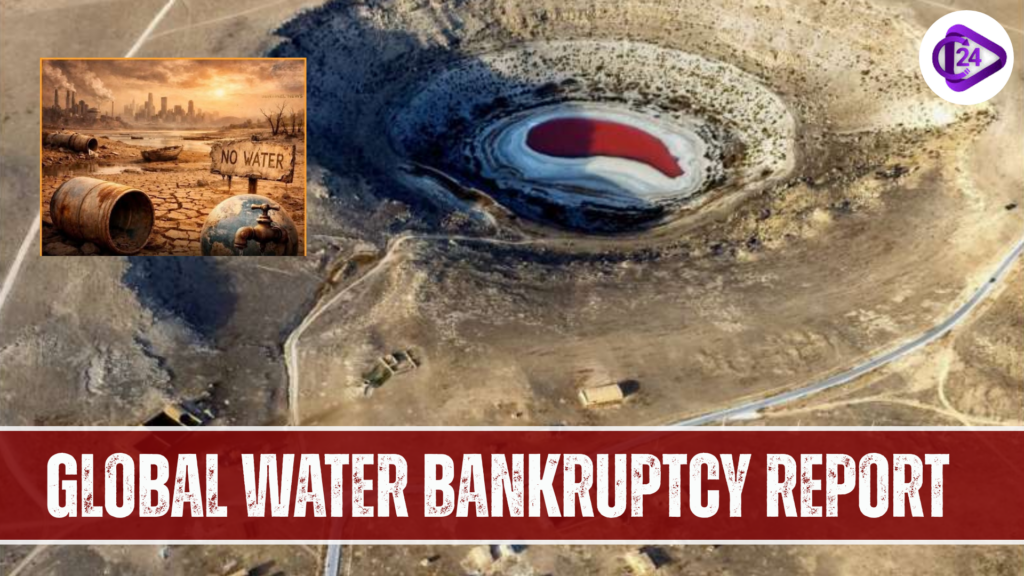
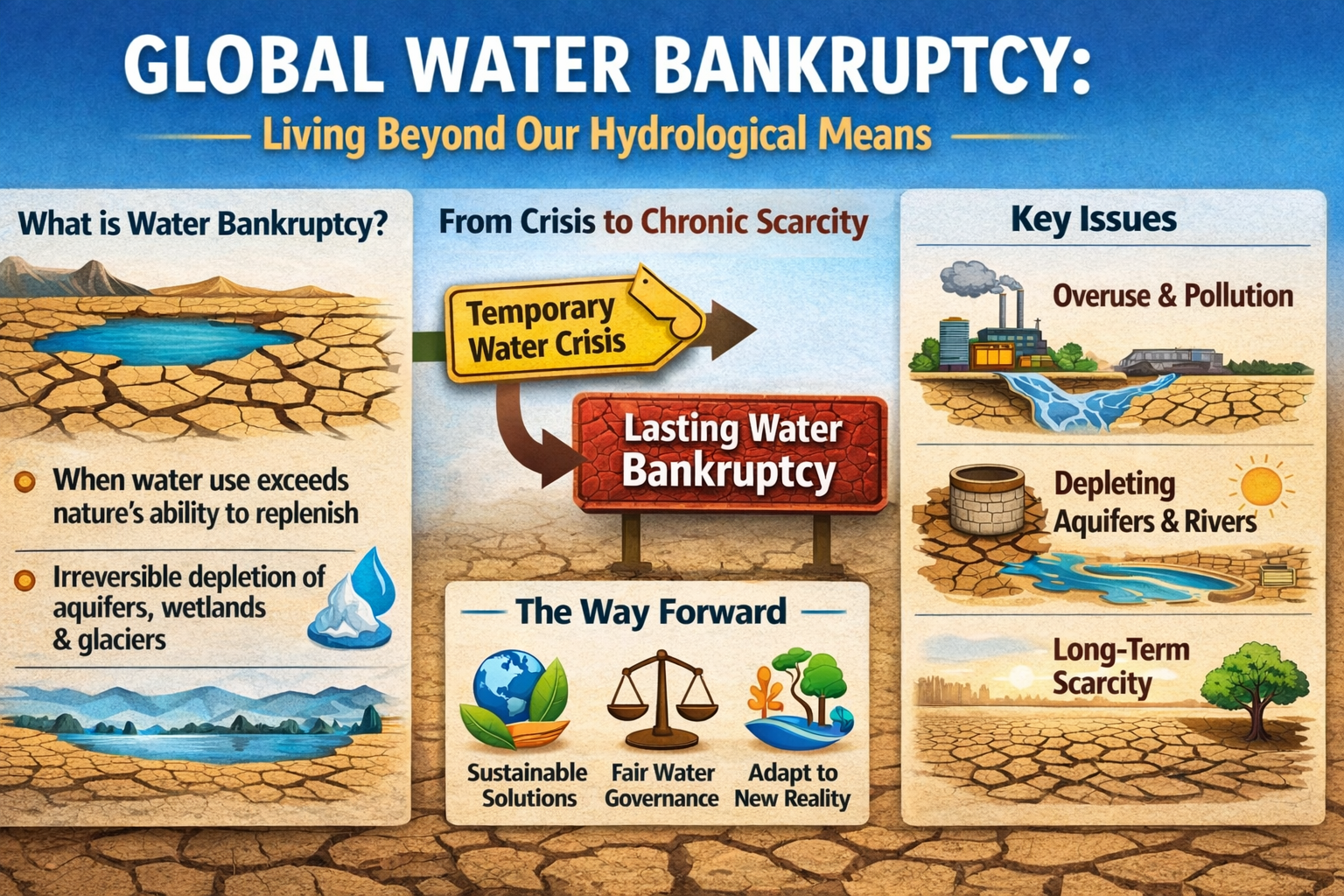
The Global Water Bankruptcy Report- Global Water Bankruptcy: Living Beyond Our Hydrological Means in the Post-Crisis Era, is a landmark study by the United Nations University, which states that most of the world's freshwater systems have passed a new boundary between a temporary crisis and a lasting water bankruptcy. This happens when societies consume more water than nature replenishes, and important sources such as aquifers, wetlands, and glaciers are drained to the extent that they can never be replenished. The report cautions against relying on old models of water crisis, but recommends a systemic overhaul of the world water governance system, with sustainability and fairness at the core, and adaptation to a new long-term reality of scarcity. 

Global Water Bankruptcy: Living Beyond Our Hydrological Means 

  • The concept of water bankruptcy is defined as a situation lasting a long time, when the power of consumption and pollution of water surpasses the powers of the nature to restore and renew the freshwater systems and results into irreversible or highly expensive losses of the systems.

  • The concept signifies the change of discussing water scarcity as a short-term emergency to a chronic condition of hydrologic overshoot.

  • Most of the areas are depleting groundwater and surface water at rapid rates compared to recharge and permanently lowering the amount of water.

  • The water storage systems in nature, like aquifers, glaciers, wetlands, rivers and soil moisture, are being destroyed or compromised.

  • Climate change increases water bankruptcy in the form of rising temperatures, changing rain patterns, glaciers melting and increased droughts.

  • Land degradation, deforestation and urban sprawl further decrease the capacity of the landscape to store and control water.

  • Water pollution worsens scarcity by making the available water resources unfriendly or unusable by the ecosystems and human purposes.

  • Excessive water demand is largely caused by agriculture, energy production and urban development.

  • Water bankruptcy endangers the food security, economic stability, human health and the resilience of the ecosystem across the globe.

  • Weak and poor populations are also overly burdened by the reduced availability and quality of water.

  • The conventional methods of water management, which primarily aimed at the expansion of short-term supply, are no longer adequate.

  • The report recommends the need to reset the world water governance model, with the primary focus being on sustainability rather than extraction.

  • The accents are made on the demand of the water, the restoration of the ecosystems, and the safeguarding of the natural water capital.

  • The principles of equity, resilience, and adaptation are identified as the key guidelines of living within the hydrological boundaries of a post-crisis period.

Conclusion 

Water bankruptcy is a common phenomenon in which freshwater resources are overused and degraded at a rate that nature is unable to restore them. It is the transition to a new stage of water crises, which are long-term and based on the shortage of groundwater and the drying of rivers and glaciers, as well as the effects of climate change. There is an urgent need for sustainable and equitable management of water.


Household Consumption Expenditure Survey (HCES), 2023-24

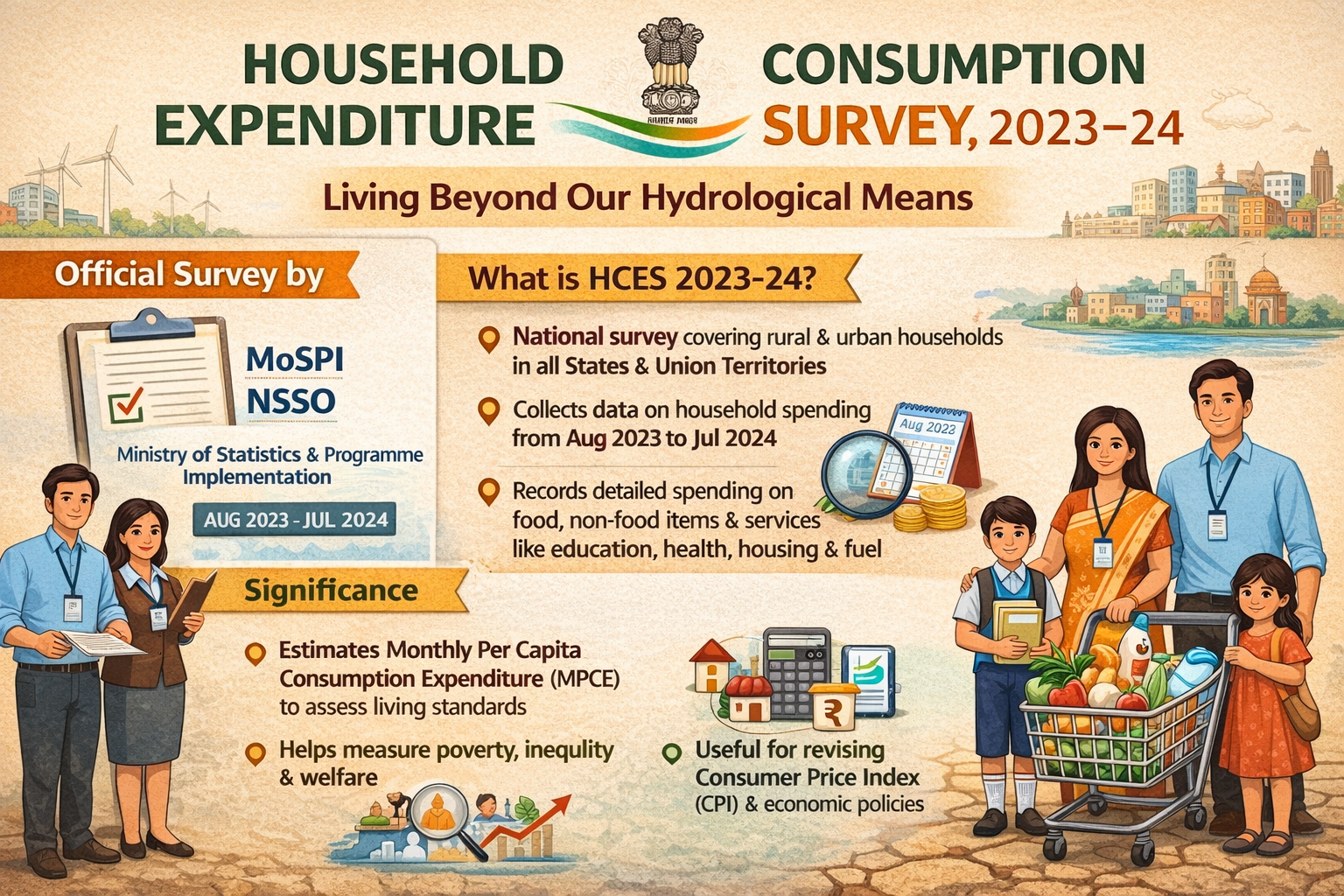
The Household Consumption Expenditure Survey (HCES), 2023-24 is a detailed official survey carried out by the Ministry of Statistics and Programme Implementation (MoSPI) through the National Sample Survey Office (NSSO) to gather the detailed information on the expenditure of the Indian households on goods and services during the period of August 2023 through July 2024. It evaluates the Monthly Per Capita Consumption Expenditure (MPCE) of the rural and urban regions, the consumption behavior, and the changes in the living standards, inequality, poverty, and welfare. The information is also useful in revising the Consumer Price Index (CPI) basket and policy-making on socio-economic planning and inflation measures.

Household Consumption Expenditure Survey (HCES), 2023–24: Scope and Significance 

  • The Household Consumption Expenditure Survey (HCES), 202324 is a survey that is nationally representative in rural and urban regions of all the States and Union Territories of India.

  • The National Survey Sample Office (NSSO) of the Ministry of Statistics and Programme Implementation (MoSPI), Government of India, does it.

  • The survey contains the household consumption data as follows: in August 2023 to July 2024, this guarantees the presence of seasonal representatives.

  • It records specific data on domestic spending of food products, non-food merchandise and services, such as education, health, housing, and fuel.

  • The survey gives an estimate of Monthly Per Capita Consumption Expenditure (MPCE), which is a vital measure of the living standards.

  • It allows one to compare rural and urban household consumption patterns and differences in consumption.

  • The survey is a starting point of the estimation of poverty, examination of welfare, and development of policies regarding the social sector.

  • It is applied in the updating of the consumption basket and weights of the Consumer Price Index (CPI).

  • The statistics aid in the evaluation of the inequality concerning consumption in the regions, income classes, and social classes.

  • It encourages planning on evidence basis, limited subsidies and assessment of government schemes.

  • The questionnaire will enable the researcher to compare the responses with the earlier HCES rounds to establish how the consumption behavior has changed over time.

  • It is based on a strong sampling pattern and a standardized approach to achieve accuracy and credibility of estimates.

Conclusion

The survey of Household Consumption Expenditure Survey (HCES), 2023 24 offers crucial information on the spending behavior, living standard, and consumption divergence of the Indian households. Its statistics assist policy-makers, poverty, and economic planning, as well as the CPI revision and social welfare initiatives, and it is one of the most important instruments to understand and improve the socio-economic situation throughout the country.

Frequently Asked Questions (FAQs)

The current affairs cover recent national and international events related to UPSC, SSC, Banking, Railways, and State PCS.

You need to read about the current affairs daily, and revise them every week and every month to keep them longer in your memory.

Yes, Class24 provides free downloadable Daily Current Affairs PDFs for easy revision.

Yes, you can practice MCQs and quizzes to boost your exam preparation.

Absolutely. The content is written in simple, easy-to-understand bilingual language suitable for beginners.

Go to class24.com and click on the current affairs section directly, where you find everything that you need.

ssc-toppers

Start Learning Today with Class24

Related current affairs

Class24 offers free video lectures for smart preparation, covering CGL, CPO, CHSL, MTS, and GD exams. Learn from expert faculty, revise concepts easily, practice with PYQs, and improve speed and accuracy through high-quality, exam-focused video lessons anytime, anywhere.

Get success in your hand. Start study anytime anywhere.

The journey becomes simple and enjoyable when you start taking interest in it. And through our app “Class24”, we will be your trusted partners in developing that interest.

Daily Quizzes
Mock Tests
Ongoing

No ongoing tests right now.