
Day: February 24, 2026

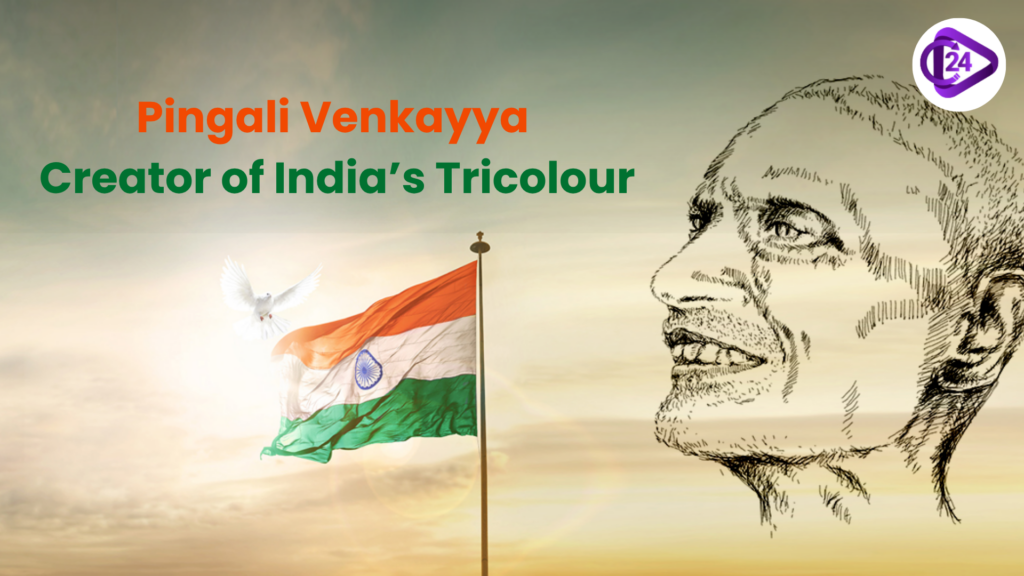
Pingali Venkayya: The Man Behind India’s Tricolour

Pingali Venkayya, who was born on 2 August 1876 in the Andhra Pradesh state, is said to have designed the Swaraj flag that had been converted into the India national flag. Venkayya was a follower of Mahatma Gandhi and a freedom fighter, linguist and agriculturist who also took part in the freedom movement. In 1921, he introduced his flag design at the INC session held at Vijayawada which included the saffron, green, and subsequently white along with the charkha. His pattern was an indication of the social agreement, peace and self sufficiency, and this then grew as the foundation of the existing tricolour in 1947. Being such a huge contributor, he fell into obscurity and died in 1963. The commemoration of his legacy is nowadays being carried out through the Har Ghar Tiranga campaign.

Context:

  • On August 2, 2025, prime minister Narendra Modi remembered Pingali Venkayya on his birthday and encouraged the people of the country to join the #HarGharTiranga campaign. 

Key Points

About Pingali Venkayya?

Feature

Details

Born

2 August 1876, Andhra Pradesh

Known As

Jhanda Venkayya (Flag Venkayya)

Major Contribution

Design of Swaraj flag (precursor to Tricolour)

INC Session

Vijayawada, 1921

Symbolism

Saffron, White, Green; Charkha (later replaced by Ashoka Chakra)

Death

4 July 1963

Recognition

Stamp (2009), Statue (2021), Har Ghar Tiranga Campaign

Who is Pingali Venkayya?

  • Pingali Venkayya was the designer of the Non-controversial national flag of India.

  • He was born to Shashimohanappa and Venkatanarayana at Bhatlapenumarru village near Machilipatnam in Krishna district of Andhra Pradesh in the year 1876.

  • Educated in the science of geology in Colombo, and besides his Dear affection for the English and French languages, had a great turn for the oriental languages, which he studied with the utmost ability, and besides Javancese and Malay, was tolerably proficient in Javanese; Japanese; OR, Urú; Sanskritt.

  • Fought in the British Indian Army in the Second Boer War (1899–1902) and intensified his nationalist outlook.

  • Also known by:

    • “ Patti Venkayya” – for his research on cotton

    • “Japan Venkayya“ – for delivering speech in Japan

    • "Jhanda Venkayya- for designing the national flag

Evolution of Indian Flag

  • The flag has a moral universe in every element of it:

    • Saffron: Sacrifice and bravery

    • White: Peace, truth, transparency

    • Green: Growth and unity with nature

  • Ashoka Chakra (24 spokes): duty, law and the eternal progress wheel

  • The flag is not a piece of cloth; it is the philosophy of civilisational ethos of India that is inclusive, dynamic, democratic.

Part in Freedom Movement

  • Was with Mahatma Gandhi when he was in South Africa, became a die-hard follower of Gandhi.

  • Participated in numerous national movements between 1906-1922 in:

    • Vande Mataram Movement

    • Home Rule Movement Home

  • Briefly an official as plague officer, but then went into the freedom struggle full-time.

Life and Legacy

  • The family located at Nellore after independence and Monappa became an advisor to the Government involved with the Mineral Research Department.

  • Was the author of the book World of Diamonds ( 1955 ) as he knew many things about geology and diamonds.

  • He died destitute and in relative obscurity, on July 4 1963.

Posthumous Recognition:

  • There is also a postage stamp created to honour him in 2009.

  • During Azadi Ka Amrit Mahotsav (2021), a bronze statue was inaugurated in Guntur.

  • The reigniting of national pride in his contribution is the Har Ghar Tiranga movement.

Conclusion

Pingali Venkayya has done more than provide the textile of the Tricolour, he has done so by the ideologies of unity, self-reliance and peace that the tricolour symbolizes. It should be noted that symbolism needs to be grounded in substance as we live in a time of growing nationalism when his legacy reminds us that it is not about the symbolism, not about representation because it should merely be about the substance. As India approaches one century of its independence, it is essential to awaken the history of sacrifice and inclusivity by celebrating the unknown heroes such as Venkayya who created our independence.
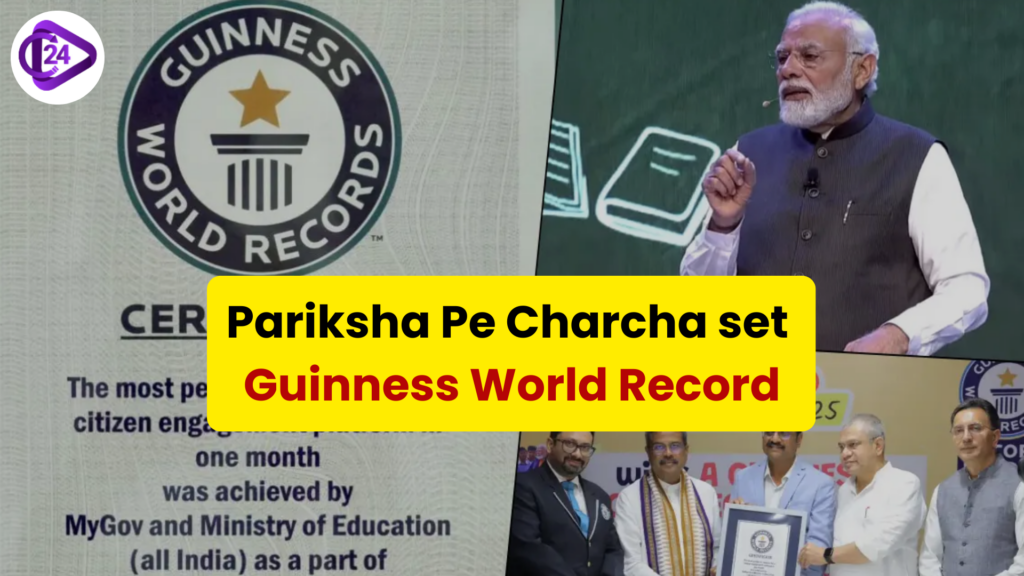
Pariksha Pe Charcha Sets Guinness World Record by highest number for registrations

Since its inception in 2018, Pariksha Pe Charcha (PPC) the brainchild of Prime Minister Narendra Modi has become a mass participatory movement of education. In 2025, the 8th edition of PPC established a Guinness World Record by having 3.53 crore (more than 3.53 crores) of valid registrations in a single month on the MyGov platform. The programme was seen by over 21 crore citizens on digital and traditional media which indicates that its reach was national as well as societal.

Context

  • The 8th edition of PPC was a Guinness World Record in 2025 in terms of the highest number of registrations on a citizen engagement platform in a month (more than 3.53 crore valid registrations made on MyGov platform). 

  • It had a social reach and national coverage, with more than 21 crore viewers watching the programme on digital and traditional media.

Key Points

What is Pariksha Pe Charcha?

  • The Pariksha Pe Charcha, is an annual interactive session headed by Prime Minister Narendra Modi.

  • It also interacts with students, teachers and parents prior to board exams in order to minimize stresses and anxieties.

  • It is focused on exam preparations strategies, time management, mental health, and inspiration.

  • They were organized in the form of a hybrid (off-line + on-line) event and transmitted in India in various languages.

  • Learners are engaged in an online contest and a few chosen ones are invited to attend the event physically.

  • Participants are issued with certificates, books signed by the PM and an opportunity to gain publicity at a national level.

Significance of Pariksha Pe Charcha

1. Empowering the Participatory Governance

The project considers the democratic spirit of direct participation of the citizens in decision-making and the national dialogue.

Using MyGov, Pariksha Pe Charcha advocates e-governance and also closes the gap between the policymakers and the youth.

2. The ability to make education stress-free and experiential

The main idea of Pariksha Pe Charcha is to diminish the pressure of taking exams and enjoy the learning process.

It goes along with National Education Policy (NEP) 2020, in which experiential learning has been promoted along with discouragement of rote memorization.

3. Ecosystem of holistic and inclusive learning

PM Modi does not solely communicate with students but also with parents and teachers, so there is a triangle of interaction, which reinforces the ecosystem of support around learners.

Contemporary issues of students are covered in such themes as time management, emotional resilience, and digital distractions, among others.

Pariksha Pe Charcha and NEP 2020: Alignment of Vision

NEP 2020 Focus Area

Pariksha Pe Charcha Contribution

Stress-free, enjoyable learning

Public awareness and dialogue on emotional well-being

Experiential education

Encouragement of mindfulness, curiosity, and real-life skills

Inclusive, student-centric model

Engaging stakeholders beyond the classroom

Life skill development

Time management, mental health, and digital well-being

International Relevance Recognition

  • The Guinness World Record award is the recognition of the world validation of the Indian outreach to the masses and digital governance in the field of education in India.

  • It also emphasizes the ability of India to develop models that are recognized all over the world and people-based in the education sector.

From Programme to Movement: A Socio-Educational Transformation

  • What started as an yearly event in 2018 has turned into a national change of behaviour in terms of examinations and learning.

  • PPC conveys the message that exams are not conclusive but there are milestones on the way toward lifelong learning and personal development.

  • PPC leads to the de-stigmatization of academic pressure by praising all the efforts done by students and discussing mental health.

Critical Analysis and Limitations

Strengths

Concerns / Limitations

Mass awareness and student motivation

Impact largely remains inspirational, not structural

Encourages dialogue on taboo topics like stress

Limited to once-a-year event; follow-up mechanisms lacking

Promotes digital engagement

Requires digital access; digital divide may exclude rural or underprivileged students

Way Forward

  • Institutionalising Dialogue Models: PPC must become an institutionalised process at state and local levels not just on a year-round basis.

  • Enhancing Counselling Infrastructure: In their daily routine, schools ought to embrace PPC themes in mentoring.

  • Incorporation with School Curriculum: Such subjects as time management, emotional intelligence, and digital hygiene have to be integrated into school education.

  • Digital Divide: Make PPC more accessible to a greater number of people through the presence of regional languages and awareness at grass-root level.

Conclusion

Pariksha Pe Charcha has put a new face on the discourse of education in India whereby an otherwise stressful examination has become more of a learning festival. Its 2025 Guinness world record achievement is not only a quantitative milestone but a qualitative dimension in establishing a new way of thinking about how India manages student well-being, participatory governance and policy communication. As India enters its Amrit Kaal, PPC provides an expandable category of empathetic, digitally inclusive, and psychologically safe education.

Reintroduction of Asian Giant Tortoise in Nagaland: A Step Towards Community-Led Biodiversity Conservation

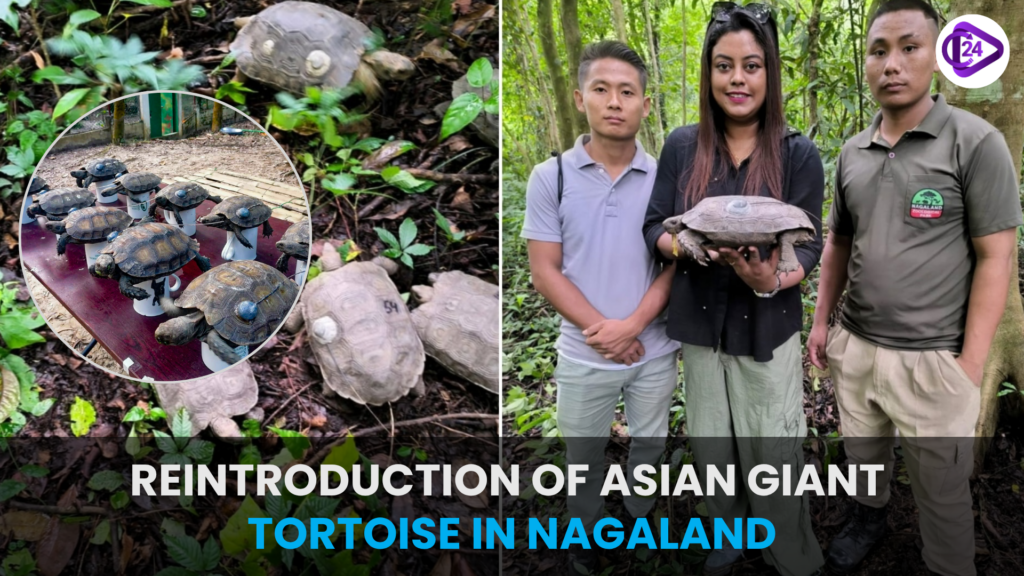
Reintroduction of the Nilgiri tahr (Nilgiritragus hylocrius) In August 2025, 10 members of the critically endangered Asian Giant Tortoise (Manouria emys) the largest tortoise species found on the mainland of Asia were reintroduced into the Zeliang Community Reserve in the district of Peren, Nagaland. The relocation is a major step in the conservation movements in India and instills the importance of biodiversity restoration led by the community.

Context 

  • In August 2025, 10 Asian Giant Tortoises (Manouria emys) (considered as critically endangered) were also reintroduced into Zeliang Community Reserve, Peren district, Nagaland.

  • It is the biggest tortoise species on the mainland of Asia and the relocation is expected to increase rainforest conservation in the areas run by communities.

Key points

About Asian Giant Tortoise

  • Common Name: Manouria emys

  • The status of the animal is Critically Endangered (IUCN Red List)

  • Distribution: Occurs in Southeast Asia, in areas of India (Assam, Arunachal Pradesh, Nagaland), Myanmar, Thailand, Malaysia

  • Habitat: Likes to live in forests of high density and wet temperate forests

Threats:

  • Habitat loss due to agriculture and deforestation

  • Hunting for meat and traditional medicine

  • Illegal animal trade

Key Highlights of the Reintroduction

  • Place: Zeliang Community Reserve, Peren district, Nagaland

  • Hatching Place of Tortoises: Nagaland Zoological Park, Chiumoukedima

Facilitators:

  • Nagaland forest department

  • India Turtle Conservation Programme (ITCP)

Release Strategy:

  • Soft-release enclosure employed in the adaptation process of tortoises and site fidelity development

  • Objective is to observe behaviour and interaction in the habitats prior to full dispersal

  • Historical Context: The species was prevalent in Nagaland but more than ten years back, it was extinct because of over hunting and extinction of the habitat.

The Movement and its Implications

  • Biodiversity and Ecosystem Clearing

    • Reintroduction of an ecologically significant herbivore helps balance the forests

    • Strengthens the trophic connections and seed dispersion functions of forests

  • Community Involvement

    • The event was organized in the form of community effort, which portrays the ever growing community stewardship in conservation.

    • Follows on the model of Community Conserved Areas (CCAs) in Northeast India

  • Awareness and Conservation Education

    • Through public interactions, there is a change in attitudes about the endangered species

    • Increases the provision to in-situ conservation against zoo captivity

Challenges Ahead

  • Post-release survival

    • Hunting, inability to adapt, poaching

  • Trailing and finances

    • There is a necessity of long-term ecological monitoring and long term financial support

  • Community participation

    • Sustenance, capacity building and benefit sharing should be ensured

  • Institutional and law gaps

    • Increasing enforcement of wildlife trafficking in Northeast

Green monitoring Policy and Conservation Framework

  • Schedule IV species of Wildlife Protection Act, 1972

  • Recovery programme of the Critically Endangered species and National Biodiversity Action Plan (NBAP)

  • People Biodiversity Registers (PBRs) and State Biodiversity Boards work towards the local species documentation

  • India Turtle Conservation Programme: environment & nature Indo-Pakran turtle conservation project is a combined effort by Turtle Survival Alliance and the Wildlife Conservation Society

Way Forward

  • Enhancement of surveillance systems: Radio telemetry and grid-based land tracking of released individuals

  • It should be combined with eco-tourism and livelihood: nature-based livelihoods should be incentivised locally.

  • Apply the model to other areas: Northeastern India still has possibilities of further species releases through CCAs

  • Policy: Increase support to State Action Plans on Climate Change and Biodiversity to address community reserves

Conclusion

The fact that the Asian Giant Tortoise has been introduced in the Zeliang Community Reserve by people of Nagaland, shows that this ecological step is not only a show of ecological intervention but also a show of governmental-indigenous people cooperation in conservation. Such community-based approaches will be necessary as India moves to meet its biodiversity objectives under the Convention on Biological Diversity (CBD) to restore species that have already disappeared safely in the wild.

India as the 5th Largest Global Aviation Market: Significance, Trends, and Challenges

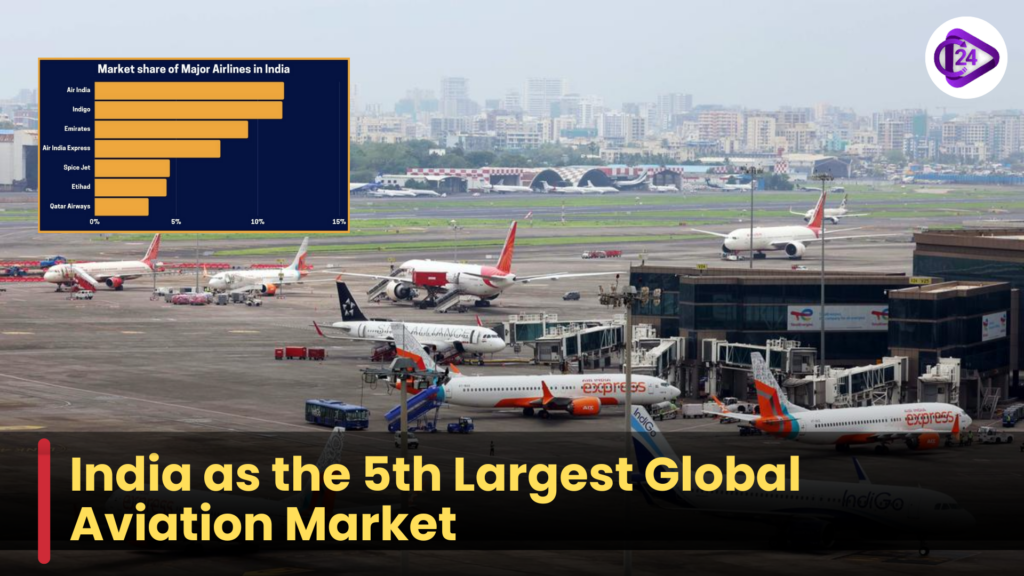
In 2024, India was the 5th largest aviation market in the world as per World Air Transport Statistics (WATS) by IATA. This nation registered 211 million air passengers and ranked ahead of Japan with a great increase of 11.1% compared to 2023. It is a huge milestone in aviation and transport sector growth in India.

Context

  • India has become the 5th largest aviation market globally, as per the newest World Air Transport Statistics (WATS) published by the International Air Transport Association (IATA). 

  • It also managed 211 million air passengers in 2024 compared to Japan and a 11.1 percentage increase over 2023.

Key Highlights

Rank

Country

Total Air Passengers (2024)

1

USA

876 million

2

China

741 million

3

UK

261 million

4

Spain

241 million

5

India

211 million

6

Japan

205 million

  • Mumbai to Delhi air-route was rated 7th in the world with 5.9 million passengers.

  • Asia-Pacific routes remain very dominant in air routes.

  • The busiest in flow was the JejuSeoul route with 13.2 million passengers.

Importance

  • Economic Indicator

    • Indicates a healthy domestic demand, growth of the middle-income, and urbanisation.

    • Increases industries like tourism, hospitality, infrastructure, and logistics.

  • Infrastructural Planning

    • Stimulates development of airports, prestigious locations in aviation and UDAN (Ude Desh ka Aam Nagrik) scheme.

    • Promotes the aims and intentions of Make in India and National Civil Aviation Policy (NCAP).

  • Employment Generation

    • The aviation industry sustains millions of direct and indirect employment.

    • Engineers, ground handling staff, air traffic controllers, etc. skilled manpower is required.

  • Global Connectivity

    • Increases the ability of India to connect to international supply chains and passenger movement.

    • Fosters two-sided air service concurrence (ASAs) and calculated airline relations.

Contributing Factors to India’s Rise

  • Pent-up travel recovery heat of domestic aviation post COVID.

  • Expansion of low cost carriers such as IndiGo, Akasa Air, Air India Express.

  • Such are government programs as:

    • UDAN Scheme: Promoting regional connectivity

    • Modernisation and privatised airports

    • National Infrastructure Pipeline and Gati Shakti

  • New player entry and investments on the expansion of the fleet and airport infrastructure

Challenges Ahead

Category

Challenges

Infrastructure

Airport congestion, need for second airports in metros, inadequate MRO facilities

Environmental

High aviation-related carbon emissions, lack of green fuel options

Regulatory

Complex clearance systems, lack of a single-window policy for aviation

Cost Structure

High aviation turbine fuel (ATF) taxes, airport charges

Skilled Manpower

Shortage of trained pilots, maintenance crew, and ground staff

Government Programme and Policy Framework

  • National Civil Aviation Policy (2016) -– this policy strives to ensure flying will be affordable and there will be more connectivity.

  • UDAN Scheme -it has the benefit of encouraging regional air connectivity by subsidizing and incentivising it.

  • Aircraft Amendment Act (2020) on its part reinforces safety regulation and norms of airworthiness.

  • Build carbon-neutral and energy efficient airports (Green Airports Initiative).

  • Public-Private Partnership (ppp) model -development and operation of airports.

The World-Wide Trends and Implications

  • The Asia-Pacific Region is becoming one of the main engines of Aviation expansion in the world.

  • The emergence of India is an indication that the global power in aviation is shifting to an emerging economy.

  • Gives strength in placing negotiations in international aviation, including policies of the ICAO.

  • Promote aviation and airport infrastructure foreign investment and FDI.

Way Forward

  • Upgrade Tier-2 and Tier-3 cities airport facilities.

  • RE-ATF to make the taxation system more rational, and thus decrease operational expenses.

  • Increase training institutes and aviation universities so as to develop competent manpower.

  • Encourage green fuels (SAF) and carbon offset schemes.

  • Improve airspace control and increase traffic control system digitalisation.

  • Encourage innovation by using startups in aviation technology (examples: use of drones, AI-driven logistics).

Conclusion

The becoming of the 5th largest aviation market of India by the year 2024 is quite significant in indicating the growing global presence, increased consumer ambitions, and marketing infrastructural transformation led by the government. In order to maintain this impetus, India will need to invest strategically in green, inclusive and resilient aviation infrastructure alongside maintaining the policies of ensuring passenger safety, economic viability and environmental sustainability.

India–Japan Textile Collaboration: Trade, Investment & Sustainability

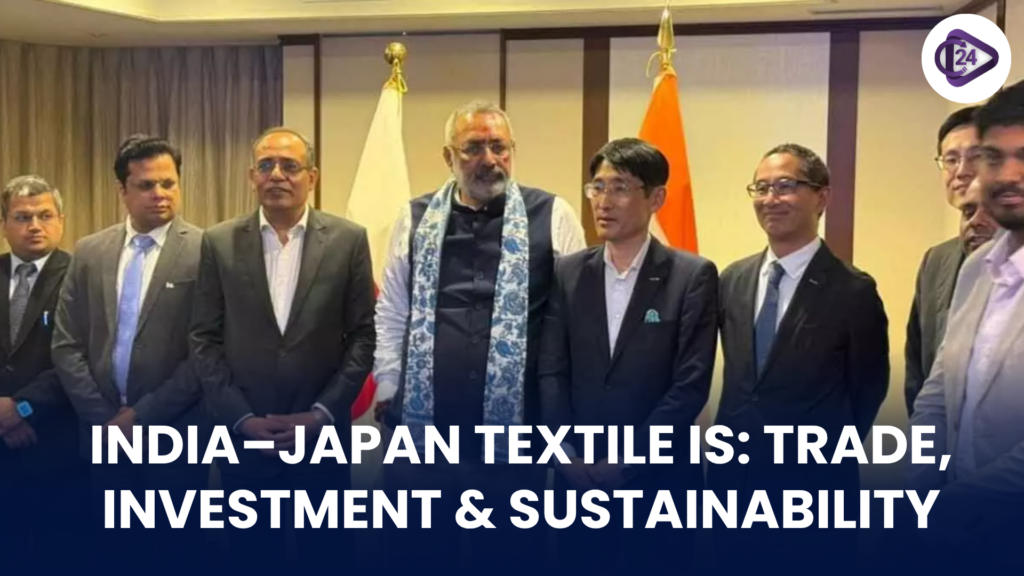
India and Japan, whose economic partnership agreement, that is, Comprehensive Economic Partnership Agreement (CEPA) was signed in 2011, have further extended cooperation in the field of textile through trade and investment as well as in the dimension of skill development and sustainability. The bilateral activity is one of the moves to make India more competitive in the global value chains and help the Japanese invest in the Indian textile infrastructure.

Context

  • India and Japan who have signed the final economic partnership agreement, in other words Comprehensive Economic Partnership Agreement (CEPA) in 2011 have not only expanded cooperation in the area of textile through trade and investment but also in the aspect of developing skills and sustainability.

Key Points

Current Trade Status

  • The exports of India textile and apparel to Japan(2024) stood at 354 million dollars.

  • The overall imports of textile and apparel to Japan: World, $30,873 million

  • Gap in trade: Nevertheless, with the positive effect that CEPA has brought, India enjoys a share of less than 2% in the textile import market in Japan, which is indicative of unexplored potential.

Important Activities and Trends

1. CEPA (Comprehensive Economic Partnership Agreement) -2011

  • The target is to minimize the tariff and non-tariff barriers.

  • Tries to make the trade process streamlined and eliminates structural problems.

  • Favors further opening up of the Japanese market to Indian exporters.

2. Recent high-level Delegation to Japan (2025)

  • Events organised with major Japanese companies in:

    • Apparel

    • Textile machinery

    • Technical textiles

    • Fabric processing

  • Japanese companies were asked to invest in PM MITRA Parks in India to get plug-and-play textile infrastructure in India.

Flagship Indian Government Schemes to Boost Textile Sector

Scheme

Objective

PM MITRA Parks

Create world-class integrated textile infrastructure with common services, utilities, and sustainability

PLI Scheme for Textiles

Promote large-scale manufacturing in MMF fabric, MMF apparel, and technical textiles

RoDTEP & RoSCTL

Provide tax and duty refunds to encourage textile exports

SAMARTH Scheme

Skill development in textiles, especially for women and youth

Sustainability Push ESG Taskforce

  • The Ministry of Textiles has come up with an ESG Taskforce.

  • Goal: Assist the Indian textile industry to shift to production with sustainability and resources efficiency.

  • Focus on:

    • Green technologies

    • Water-efficient dyeing

    • Practices of a circular economy

  • Consultations of stakeholders are undertaken regularly to discuss problems of adopting ESG norms.

India- Japan Capacity Building in Quality Management

  • Human resource development projects in India are organized by Association of Overseas Technical Cooperation and Sustainable Partnerships (AOTS) under the ministry of economy, trade and industry (METI) of Japan.

  • The Japanese System of Quality Evaluation is the main focus.

  • Indian textile officers were trained in hubs such as:

    • Mumbai

    • Kolkata

    • Jaipur

    • Tirupur

Bilateral Textile Trade Problems

  • Japanese non-tariff barriers are mostly in technical specifications, and quality standards.

  • Inability and ignorance of branding and market awareness of Indian textile products to the Japanese.

  • The small Indian exporters encounter challenges due to language and procedures.

  • Specifically, not much investment has taken place by Japanese companies in the Indian textile manufacturing sector to date.

The Strategical significance of Japan in Indian Textile policy

  • Japan is a market with high value where there is an importance of quality and sustainability.

  • As the cost of production in China is increasing and it is facing population problems, India is potentially well placed as an attractive alternative supply partner.

  • Cooperation is in tandem with the Indian ideology of export growth with Atmanirbhar Bharat.

Way Forward

  • Promote bilateral institutional dialogue by creating the Japan-India Textile Cooperation Forum.

  • Encourage the sharing of high-tech textiles joint ventures and R&D.

  • Establish a rapid customs system of clearing of textile products to Japan.

  • Create a brand of Textile India-Japan assuring quality exportation.

  • Encourage ESG certification standards based on Japanese standards.

Conclusion

India-Japan textile relationship can be seen as an economic policy convergence of sustainability issues and commercial opportunities between the two nations. India will be able to capture a major pie of Japan's textile imports using well-established agreements such as CEPA and new platforms such as PM MITRA. Both countries have sustainability and skill development as their common principles, and a sustainable textile relationship could thus be constructed.

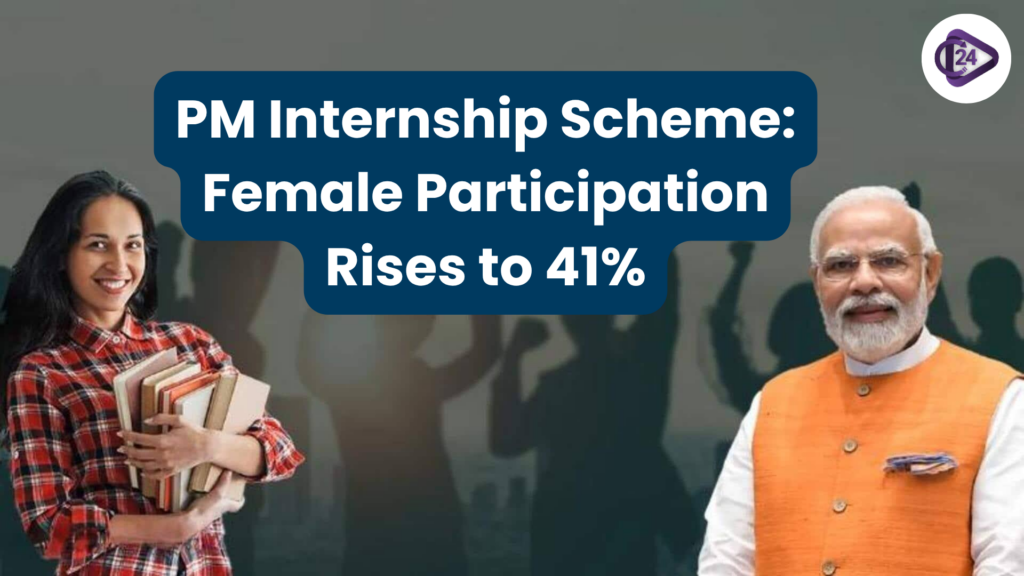
PM Internship Scheme: Female Participation Rises to 41% from 31%

The Prime Ministers Internship Scheme (PMIS) is a marquee project, which was announced in the Employment and Skilling Package under the FY25 Union Budget and seeks to offer one crore young people in India with internship opportunities in the 500 leading companies over a five-year frame. Although it was an ambitious scheme, the original pilot of the scheme had problems with participation, improper gender mix, use of funds and coordination with industry requirements.

Characteristic of the Plan

  • It was scheduled to be initiated in FY 2024-25 with a 2-lakh crore employment.

  • Interns receive:

    • ₹4000/month through DBT by GoI.

    • ₹500/month additional support from Corporate CSR fund.

    • ₹6, 000/year one time incidental grant for expenses.

  • It is established via the Ministry of Corporate Affairs via the PMIS Portal.

  • Created to fill the gap between education and industrial requirements in skills.

Positive Developments: Rise in Female Participation

Female participation was on the rise and there were positive developments.

1. Gender Imbalance Round I

  • The number of males to females in the intern population became 72: 28.

  • The female applications: 31 % of all applications.

  • Women interns: 28 % of the selections.

2. Improvement Round II

  • The number of women applying increased to 41% of the total number of applicants.

  • Because of reforms such as:

    • Company name and location disclosure as well as profile.

    • Improved Information, Education & Communication (IEC) communication.

  • Significance: An indicator of better gender sensitivity, responsiveness of policies to the recommendations of the Parliamentary Standing Committee on Finance.

Concerns identified

1. Weak Offer Acceptance and Joining Rate

  • Round I:

    • Offers to 60,000 candidates totaling 82,000.

    • Only 8,700 of applicants participated in the internship.

  • Round II (as of July 17, 2025):

    • There were 71,000 offers made, 22,500 accepted.

    • Selection and joining under going.

2. Skill Demand-Internship Role Mismatch

  • Candidates had problems acquiring positions, which suited their interest and traits.

  • Especially in IT and tech positions.

3. Poor Utilisation of Funds

  • FY 2024–25:

  • Budget: 2,000 crore.

  • Rf. estimate: 380 crore.

  • Actual Spend (which is up to feb): 21.1 crore only.

  • FY 202526 allocation: Razor-sharp bump up to 10,831 crore.

  • Committee Perspective: Must involve active review in regards to real involvement and results.

Structural & Procedural Gaps

  • Rejection of marginalised applicants because of:

    • Income limit: >8 lakhs/annually.

    • Important bar if a family member is an ordinary govt employee regardless of salary.

    • Absence of internship to employment tracking system.

    • Low levels of joining were initially caused by a lack of geographic transparency.

Post Round I Reforms 

  • Geotagged profile and location of the company displayed in a transparent way.

  • Show of additional benefits that companies give.

  • Requests of relaxation contemplated, and including:

  • Increasing the age from 24 to 25 years.

  • Design of state government dashboards to enable state governments to track and to mobilise activity.

  • Concurrent evaluation system through feedback is introduced.

Standing Committee Recommendations

Area

Recommendation

Inclusivity

Relax eligibility norms for marginalised and EWS candidates.

Transparency

Periodic independent evaluations; enhance monitoring.

Post-Internship Impact

Establish metrics to track internship-to-employment conversion rates.

Skill Alignment

Encourage host companies to align internship training with industry demands.

Way Forward

  • Construct gender sensitive selection processes and be better represented in high growth sectors (IT, manufacturing etc.).

  • Create incentives to allow host companies to take on the intern as a full time employee.

  • Follow the internship participants on a long-term employment basis.

  • Amplify urban-rural digital divide to access to the PMIS Portal.

  • Review eligibility on a periodic basis, to account to socio-economic realities.

Conclusion

The PM Internship Scheme is a forward-looking strategy of addressing youth unemployment and skills mismatch in India. Female applicant share rising by 31% to 41% between one round simply demonstrates the ability that responsive policy reform can have. Nonetheless, in order to become a reality of its vision, the scheme will have to consider issues surrounding inclusivity, use of funds, industry fit as well as job creation with periodic assessment and feedback.

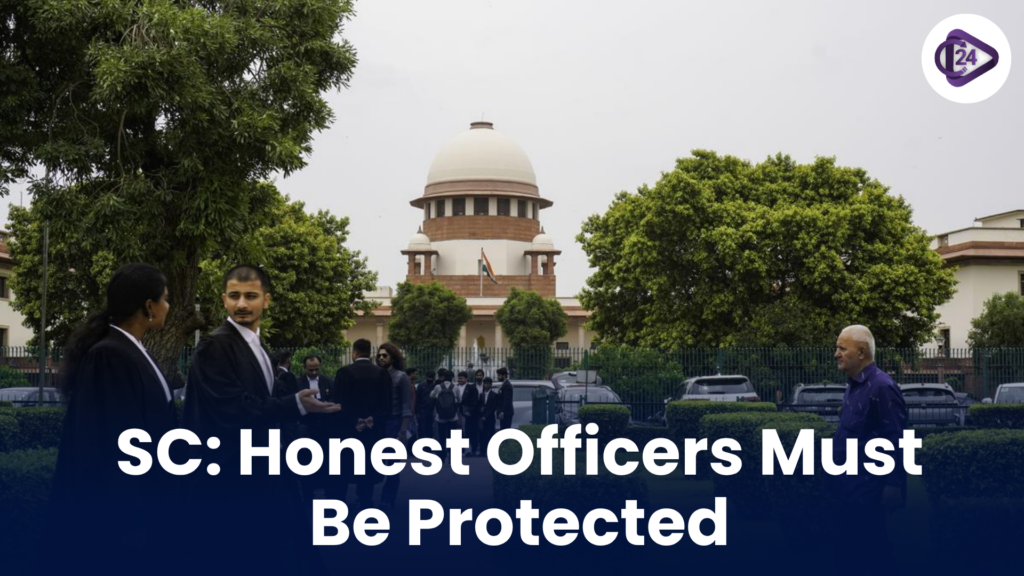
Supreme Court Stresses Protection for Honest Officers Under PCA

Recently the Supreme Court has reaffirmed that honest officials should be provided safeguards by Prevention of Corruption Act, 1988 particularly where a political vendetta is involved following a regime change. It also held that conviction can be made under the Act on circumstantial evidence even where the complainant becomes hostile, is unavailable or even dies.

What is the Prevention of Corruption Act (PCA), 1988?

  • The PCA came into effect on 9th September 1988 with the intention to bring together and build on the anti-corruption legislations in India.

  • It also incorporates and repeals the earlier enactments like Prevention of Corruption Act, 1947, Criminal Law Amendment Act, 1952 and Sections 161-165A of the IPC.

Highlights of the Act

  • Broader Definitions: Additional definitions on terms such as, public servant and public duty.

  • Burden of Proof Shift: Accused is supposed to prove that he is innocent after corrupt practices are proved.

  • Minimum Investigating Authority: Only the officers who rank above DSP can investigate.

  • Major Offences covered:

    • Bribery and reward.

    • Misuse of Government money

    • One of them is by holding disproportionate assets

    • Criminal misconduct

Prevention of Corruption (Amendment) Act, 2018

Objectives:

  • Make the PCA compatible with the United Nations Convention Against Corruption (UNCAC).

  • Ensure openness, discourage bullying of clean officials and answerability by those who give them bribes.

Key Provisions:

  • ‘Undue Advantage’:

    • Any satisfaction other than legal wages is a definition of it.

  • Bribe-Givers Liable:

    • Receiving bribes is also criminalised.

  • Corporate Accountability:

    • Business entities which bribe to be awarded business are punishable.

  • Implied Pre-Authorisation to Investigate:

    • Any investigation or even prosecution of any public servant must be transmitted by the competent authority before that investigation or prosecution is done (Section 17 A).

  • Attachment of Properties:

    • Associated with PMLA, 2002 and Criminal Law Amendment Ordinance, 1944 to recoup clandestine fortunes.

  • Enhanced Punishment:

    • Minimum: Increased from 6 months to 3 years

    • Maximum: Increased from 5 years to 7 years

Recent Verdict of Supreme Court (2025)

  • Honest officers protect:

    • Section 17A averts politically inspired inquiries over bureaucrats uniting in the name of serving the masses.

    • Necessary shield of those officers who might be targeted by retaliation, after regime change.

  • Admissible Circumstantial Evidence:

    • The evidence does not need to be direct.

    • A person can be convicted of demand and acceptance of a bribe through circumstantial evidence in case of absence or turning hostile of the complainant.

  • Witness Hostility:

    • One can be convicted despite retraction of statements made by the main witnesses.

  • Corruption's Gravity:

    • The court was again reminding us of how corruption continues to jeopardize every section of the management of governance.

Ethical and Governance Implications

Positive Impact

Concerns

Encourages fearless, honest governance

May delay timely investigation due to prior sanction requirement

Protects bureaucratic neutrality

Potential misuse by shielding corrupt officials under guise of "honesty"

Emphasises evidence-based justice

Over-reliance on circumstantial evidence may raise fair trial concerns

Recognises structural challenges in anti-corruption enforcement

Implementation of reforms needs strong monitoring

Way Forward

  • Strike a Balance between Accountability and Protection:

    • Make sure that protection measures are not means of immunity.

  • Approval of Reform:

    • To make it a time bound process and transparent, make Section 17A approval process time bound.

  • Institutional Strengthening:

    • Give independence and funds to Lokpal, CVC and internal vigilance organizations.

  • Public Awareness:

    • Train the people on whistleblowing instruments such as the Whistleblower Protection Act, or grievance redressal policies.

  • Technology:

    • Ensure e-governance to eliminate discretion said interfaces and eliminate corruption prone interfaces.

Conclusion

The verdict delivered by the Supreme Court is a significant move in striking the right balance between integrity and accountability in the provision of the services. Although security of honest officers is important in encouraging bureaucratic courage, this should be coupled with proper checks and transparency so that no one is above law, even those that enforce the law.

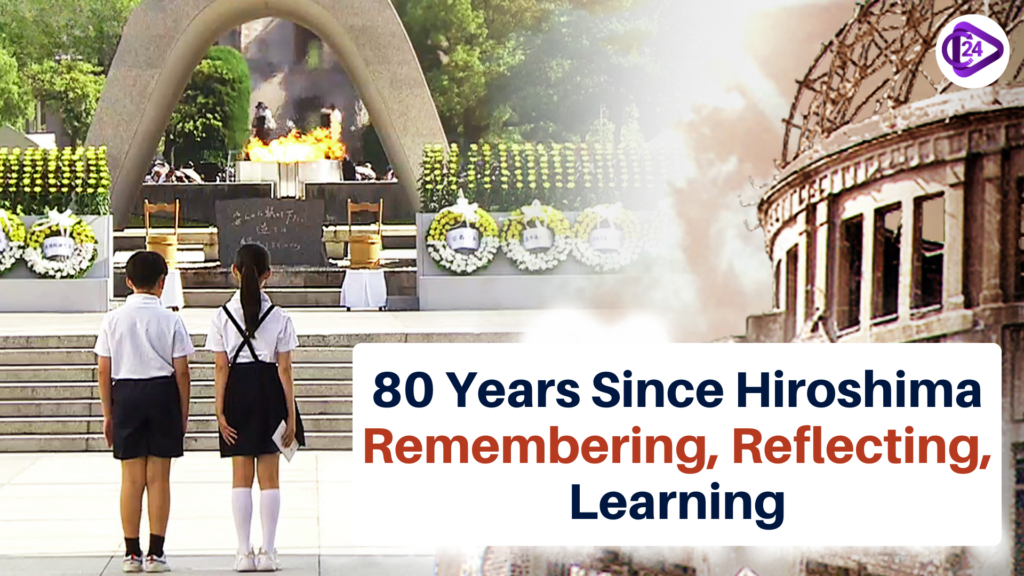
Remembering Hiroshima: 80 Years of Memory, Destruction, and Lessons for Humanity

On the 6 th of August, 1945 a Japanese city known as Hiroshima was the first victim of a nuclear weapon utilized in war activities. Even today when the world compl pertains the 80th anniversary in 2025, Hiroshima remains an icon of peace, devastation and ethical accountability. The paper recontextualizes the incidence, justification, consequences and aftermath of the Hiroshima and Nagasaki bombing.

Events of 6 August and 9 August, 1945

  • Hiroshima (Aug 6, 1945):

    • Enola Gay was a U.S. B-29 bomber that at 8:15 a.m., released the bomb named “Little Boy”, a Uranium-based bomb, developed 15 kilotons of TNT.

    • Short term effect: 70,000 people dead; thousands of others vaporized or gravely wounded.

    • Effects: Fireball that is 7,000°C, shockwaves, radiation, black rain.

  • Nagasaki (Aug 9, 1945):

    • The target was changed to Nagasaki because of cloud cover and Kokura was intended.

    • A plutonium bomb (22 kilotons TNT) was dropped under the name of “Fat Man”.

    • More than 35,000 were killed on the spot; more than 166,000 war casualties were recorded between the two cities

Key Technical Details

Bomb

Material

TNT Equivalent

Casualties (Est.)

Little Boy

Uranium-235

15 kilotons

70,000+

Fat Man

Plutonium-239

22 kilotons

35,000+

Reasons Behind the Bombings

  • Pearl Harbour Attack (1941): The surprise attack at Pearl harbour pulled the U.S into World War II.

  • Manhattan Project: Construction of the Atomic weapons under J. Robert Oppenheimer.

  • Potsdam Declaration: Japanese resistance: It demanded that the Japanese surrender unconditionally; Japan said no.

  • US Rationale:

    • Prevent invasions of Japan which are expensive.

    • Psychological influence upon Japanese leadership.

    • Pressure of home following years of war and Pearl Harbour.

  • Criticism:

    • Japan could have partly negotiated.

    • Such people as President Eisenhower criticized the bombings as uncalled for.

Japan-Reaction and Surrender

  • Original nonbelief at atomic potential.

  • The surrender was advocated by Foreign Minister Togo after Nagasaki.

  • The emperor Hirohito interceded and on 14 August the Potsdam Declaration was accepted.

  • On August 15, 1945, Japan surrendered which formally ended World War II.

Post- Bombings

  • Immediate Effects:

    • Three-quarters of Hiroshima buildings were ruined.

    • Survivors at the 3,000 ft level at 95% were suffering radiation sickness.

    • Most perished because:

      • Burns (60%) Flash burns

      • Failing buildings (30%)

      • Radiation and starvation and other injuries (10%)

  • Long-term Impact:

    • A rise of leukemia, birth defects, and cancers.

    • Mental shocks of the survivors (Hibakusha).

    • Marginalisation and social stigma towards survivors.

Present Day Hiroshima and Nagasaki

  • Restored as contemporary cities; Hiroshima population: 1.19 million (2025).

  • Memorials:

    • Peace Memorial Park

    • A-Bomb Dome (UNESCO site)

    • Hiroshima Peace Memorial Museum

  • Initiatives:

    • Hiroshima 2045: Peace City of Creativity

    • Worldwide leadership in the cause of nuclear disarmament

World and Diplomatic Heritage

  • The Relations between the US and Japan today:

    • Shockingly friendly in spite of historical trauma.

  • Section 9 of Japanese Constitution (1947):

    • Declares war a vestige of sovereignty.

    • Military alliance in the present-day towards the induction of increasing regional powers such as China.

    • common grounds in Indo-Pacific stability, trade, and security.

Hibakusha Legacy:

  • The survivors keep speaking out regarding peace and the dangers of nuclear weapons.

  • Hiroshima Day is observed annually (Aug 6) through prayers, lanterns, silence, and around the world remembrance.

Conclusion

Hiroshima is no city, it is the global conscience – the reminder of the power that should not be dared, and weapons that allow scientific development at the service of killing. With the world on the brink of new threats of nuclear attacks and the political instabilities, Hiroshima is calling on countries to turn to peace instead of power, disarmament instead of deterrence and remembrance instead of amnesia

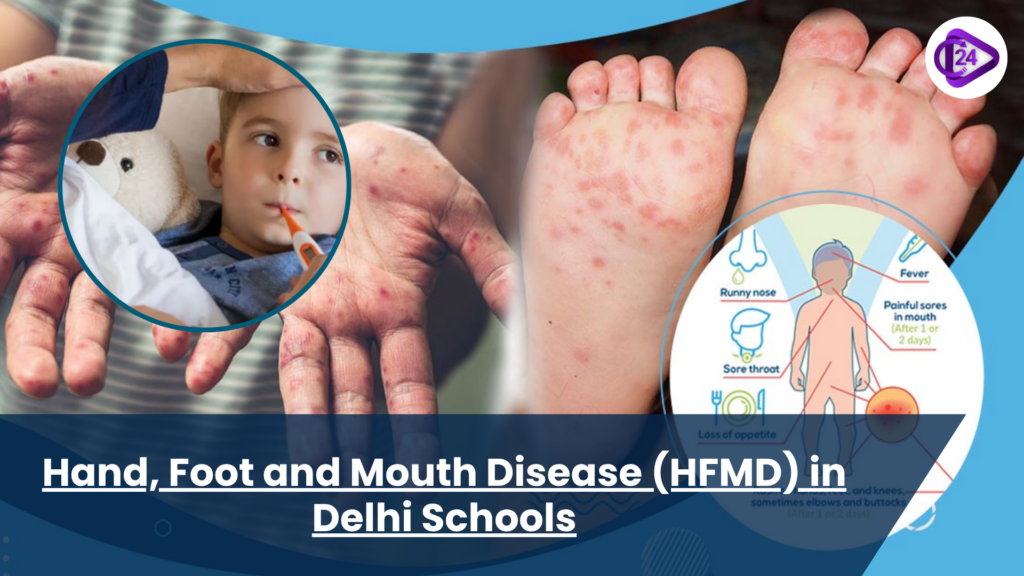
Hand, Foot and Mouth Disease (HFMD) in Delhi Schools

There is a recent meteoric rise in the number of HFMD cases in young children in Delhi with some schools issuing advisories, moving to online classes and rolling out sanitisation and preventative measures. There has been a reported augmentation in the daily caseload in outpatient clinics, although administrators in Delhi call them stray incidents.

Context

What is Hand, Foot and Mouth Disease (HFMD)?

  • Type: A viral infection which is contagious.

  • Age Group: 3 to 7 years among the children.

  • Causative Agents: At most common caused by Coxsackievirus A16 or Enterovirus 71.

Transmission:

  • Person to person, through respiratory droplets.

  • Infection through surfaces, toys or through polluted hands.

Symptoms:

  • Fever.

  • Aching changes in the mouth.

  • Red rashes / blisters on the palms of hands and soles of feet.

  • Irritableness and malaise.

  • Lost appetite at times.


Administrative and Government Response

  • The Delhi Education Minister said:

  • Talked about the HFMD cases as the ones that are all subject to stray monsoon season incidences.

  • No health advisory has been declared so far.

  • They caution that they should not cause panic as this can happen with isolated cases.

Precautionary Measures Recommended

For Parents

For Schools

Isolate child if symptoms appear

Shift classes online if needed

Disinfect toys and surfaces

Sanitise classrooms and washrooms

Avoid sending sick children to school

Issue health advisories to parents

Monitor for fever, rashes, sores

Conduct fumigation and hygiene drives

Consult a paediatrician

Ensure clean drinking water and footwear hygiene

Why does it matter?

  • Public Health: HFMD is very contagious in school environments.

  • School Operations: Creates a hindrance of learning, in case of outbreaks.

  • Star Rating Preparedness: Demonstrates deficiencies in the health communication and standardized school procedures.

  • Parental Awareness: There should be some clear advice so as to avoid underrating or late isolation.

Conclusion

HFMD is non-threatening to life, however, its propensity to spread in the overcrowded school space dictates that supply-isolation and hygienic practices must be implemented. The cases being witnessed in Delhi strengthens the essence of coordinated health advisories, parental awareness, and institutional preparedness to forestall occurrences of localised outbreaks that might develop into a community health issue.

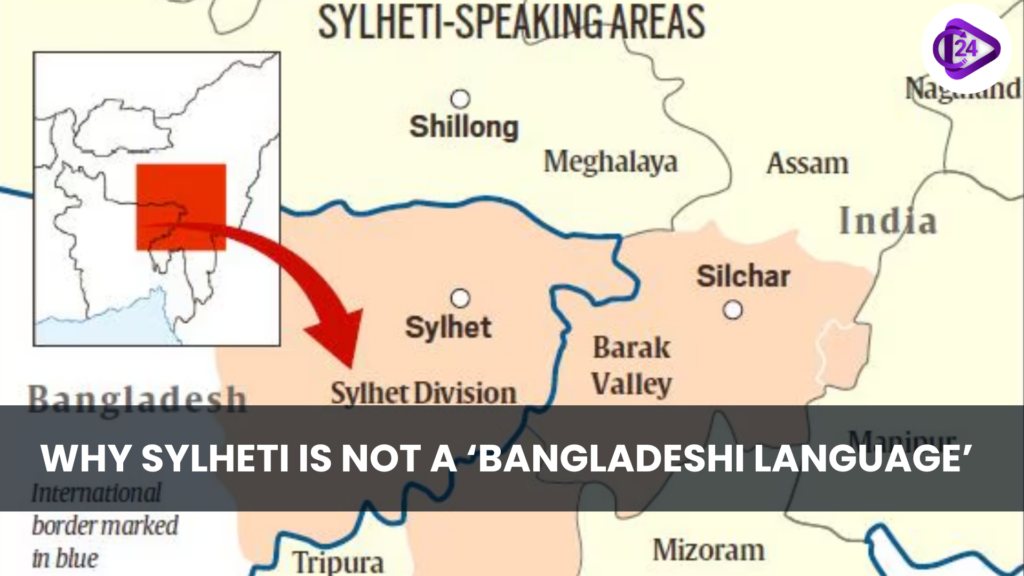
Sylheti Language Row: Identity, Politics, and Partition Legacy

There has been a flare up of controversy with a letter of Delhi Police describing Bengali as the national language of Bangladesh. Amit Malviya, a BJP leader, defended the reference by saying that Sylheti was a dialect that was almost unintelligible to the Indian Bengalis implying an association with the Bangladeshi immigrants. It has caused a backlash in the Barak Valley of Assam where Sylheti is an extremely common language, and this has ignited language and identity issues.

Context

What is Sylheti?

  • Sylheti is a local speech variant, which is spoken in:

    • Division of Bangladesh.

    • Barak Valley (Assam), western Tripura and Meghalaya in India.

Linguistic Debate:

  • Mutual intelligibility makes some linguists group it as a dialect of Bengali.

  • It is further claimed by some others that Sylheti has its own phonetics, lexicon and even a recording history (Sylhet-Nagri), which warrants the classification of Sylheti as an independent language.

  • Diglossia: Standard Bengali is spoken mainly in education whereas in the regions Sylheti is implemented informally.

Historical Background

Colonial Era:

  • In 1874, Sylhet separated Bengal and was added to Assam to enhance the revenue base of this province.

  • Sylhet region was incorporated into the Assam region but preserved the Bengali culture between 1874-1947.

Partition 1947:

  • In July 1947, Sylhet was determined in a referendum.

  • Most of Sylhet became a part of East Pakistan (current Bangladesh) and Karimganj retained part of itself on the Indian side.

  • Led to the influx of Sylheti Hindu refugees to the Barak Valley and the rest of Assam and Tripura.

Cultural identity of speakers of Sylheti

  • The biggest percentage of the Sylheti speakers in India consider themselves Bengal and not a speaker of a foreign language or one in Bangladesh.

  • They speak a different local form, but linguistics, culture, and history also have links with Bengal.

  • Sylhetis have served in the public life of Assamese since the colonial times; and in administration and education.

Outrage and politics aftermath

  • Trigger: Bengali also refers to Bangladesh by Delhi Police and Sylheti is considered a short form of Bangladesh immigration according to Amit Malviya.

  • Barak Valley Reaction:

    • Blocking of the BJP local leaders and civil life.

    • One of the leading BJP leaders and former Silchar MP, Rajdeep Roy, said that:

    • More than 7 million Indians speak Sylheti.

    • Sylheti is Indian and Bengali, not foreign.

  • Scholarly Perspective: Scholars such as Tapodhir Bhattacharjee maintain that Sylheti is only phonetically distinct amongst the Bengali language, and considered not by syntax and morphology as a unique language.

Why the Controversy Matters

Issue

Significance

Linguistic Identity

Attempts to label Sylheti as foreign threaten the cultural identity of Indian citizens.

Partition Legacy

Sylheti speakers have historical presence in India before Bangladesh or East Pakistan existed.

Political Sensitivity

Barak Valley is a BJP stronghold; alienating Sylheti speakers risks political fallout.

Illegal Immigration Debate

Associating a native Indian dialect with Bangladeshi infiltration is seen as profiling and misrepresentation.

Conclusion

The Sylheti problem indicates the interconnections between language, identity, movement and politics within the component of Northeast India. Although Sylheti was different from Standard Bengali, it is a language spoken by millions of Indians, who have historical background before the Partition. Any initiative to label it as foreign by stigmatising it can create an adverse effect of alienating an otherwise rich linguistically and culturally diverse community and destabilising the linguistic diversity of India.

Frequently Asked Questions (FAQs)

The current affairs cover recent national and international events related to UPSC, SSC, Banking, Railways, and State PCS.

You need to read about the current affairs daily, and revise them every week and every month to keep them longer in your memory.

Yes, Class24 provides free downloadable Daily Current Affairs PDFs for easy revision.

Yes, you can practice MCQs and quizzes to boost your exam preparation.

Absolutely. The content is written in simple, easy-to-understand bilingual language suitable for beginners.

Go to class24.com and click on the current affairs section directly, where you find everything that you need.

ssc-toppers

Start Learning Today with Class24

Related current affairs

Class24 offers free video lectures for smart preparation, covering CGL, CPO, CHSL, MTS, and GD exams. Learn from expert faculty, revise concepts easily, practice with PYQs, and improve speed and accuracy through high-quality, exam-focused video lessons anytime, anywhere.

Get success in your hand. Start study anytime anywhere.

The journey becomes simple and enjoyable when you start taking interest in it. And through our app “Class24”, we will be your trusted partners in developing that interest.

Daily Quizzes
Mock Tests
Ongoing

No ongoing tests right now.