

Day: April 30, 2025

Golconda Blue: The Legendary Diamond’s History and the Fascination with Golconda’s Gems

Christie’s planned to auction The Golconda Blue Diamond, which has 23.24 carats and is classified as a Fancy Vivid Blue Diamond with an estimated value between $35 million and $50 million, but its owners chose to sell it through private channels after it was taken out of public sale. A diamond of great historical significance, originating from the famous Golconda region of India, belonged to the Maharaja of Indore. Golconda stands as a world-class diamond producer that has created the renowned gems, including the Koh-i-Noor, along with no other diamonds reaching its level of excellence. 

Summary:

  • History records the Golconda Blue diamond as a scarce blue diamond which belonged to the Indore Maharaja while emerging from Golconda India.

  • The owners terminated the diamond auction procedure when they chose to sell it confidentially within their family dynasty.

  • Although diamond manufacturing in Golconda has stopped, the area represents an essential heritage of India's global diamond leadership.

Key Points:

  • A History of Golconda Blue: This precious gemstone spent its previous ownership era with Yeshwant Rao Holkar when he held the title as Maharaja of Indore. This rare diamond appeared as an initial bracelet design in 1923 through Chaumet before Mauboussin adapted it as a necklace.

  • Auction Withdrawl: Christie’s Organized an auction in Geneva to sell the Golconda Blue diamond with a price range between $35 million and $50 million but the owners decided to keep it inside their family privately. Team owners made the decision to handle the private family sale of the Golconda Blue instead of proceeding with its auction.

Golconda’s Historical Significance: 

  • The famous diamonds forged in Golconda include prominent gems such as the Koh-i-Noor and Darya-i-Nur, with the Archduke Joseph diamond among them.

  • From ancient times, Golconda maintained its position as a diamond trade center because thousands of miners worked at the Kollur mine during the 17th century, making it the central diamond region worldwide.

  • When diamonds were found in Brazil during the 18th century, the Indian diamond industry ceased to control the global market. In the present day, Africa, Australia, with Russia dominate diamond mining operations.

  • Golconda diamonds keep their value today as people prize their superior quality while admiring their centuries-old historical value and mysterious status.

Conclusion

India's crucial position in diamond history is shown through the Golconda Blue Diamond which remains out of auction. The Golconda area represents supreme diamond craftsmanship because of royal support which elevated it to a legendary status. The historical weight combined with spiritual appeal and unique characteristics of Golconda diamonds has kept them among the highest-ranking gems in world markets despite new global centers for diamond extraction. People continue to be fascinated by Golconda diamonds because they represent the permanent impact that India's gemstone history has left upon the world.
India’s Strategic Response to Terror: PM Modi Gives Armed Forces a Free Hand

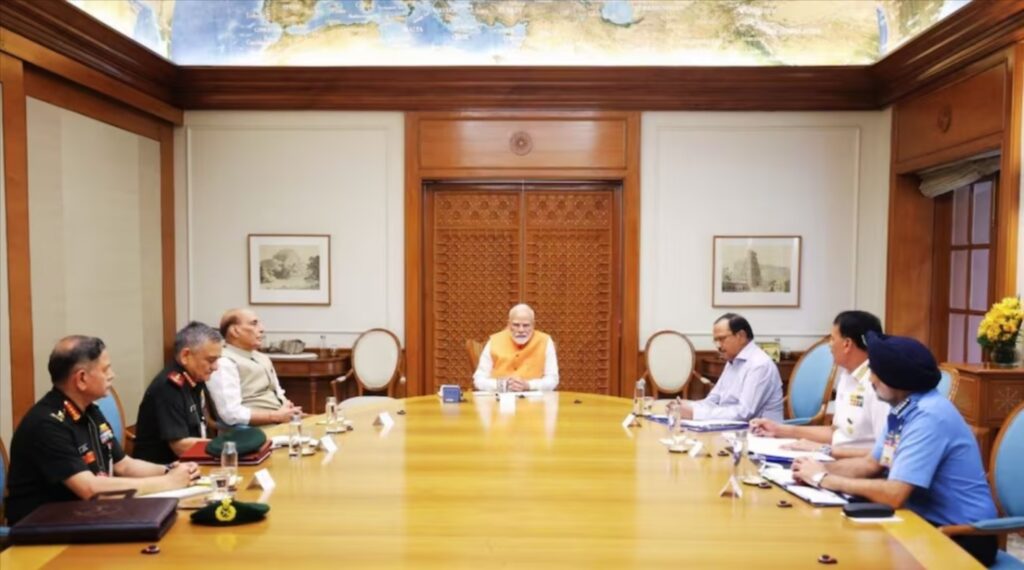
The recent terror assault in Pahalgam prompted Prime Minister Narendra Modi to organize a top-security meeting, which led him to provide the Indian Armed Forces total freedom to combat terrorism. India has changed its national security policy and cross-border threat strategy, specifically targeting Pakistan through this strategic move. RSS chief Mohan Bhagwat, together with Home Minister Amit Shah, discussed Kashmir security details with the PM during their meeting.

Summary 

  • PM Modi led a security conference at his house following the Pahalgam terrorist incident.

  • Security forces from India and its Army personnel proceed with counter-terrorist operations following the Pahalgam attack, which resulted in 26 human fatalities.

  • The Prime Minister authorized the military forces to freely choose their retaliatory methods, along with objectives and reaction timing.

  • All five members present during the meeting consisted of the Defence Minister alongside NSA and CDS and the army and navy and air force chiefs.

  • A new meeting of the Cabinet Committee on Security (CCS) will take place within the coming weeks.

  • Multiple ceasefire violations persist from Pakistan across the Line of Control (LoC), yet India maintains its limited reaction policy.

  • The Prime Minister requested internal security forces including BSF, NSG, CRPF, and CISF to maintain their highest preparedness status.

Key Points:

Background:

  • The Pahalgam terror attack that killed 26 people has elevated national security risks throughout the country. 

  • The incident represents multiple issues because of its nature as both a legal enforcement matter and an intentional action initiated by Pakistan. 

  • The Indian government seems to adopt an active and military-led approach as its new response strategy.

Highlights from PM’s meeting:

  • The PM's Meeting established vital points, which included the Indian Armed Forces' expanded operational flexibility.

  • The PM informed the nation that the Indian military gained total freedom to determine its anti-retaliation operations. This includes choosing:

  • The chosen operational approach might involve airstrikes in addition to surgical strikes, followed by covert operations.

  • The targets consist of training facilities along with supply bases, and top leadership shelters.

  • India will select its exact time of operation along with the exact location to launch the strike.

  • The Prime Minister has full faith in the Indian military force because of its capability and professionalism.

Kupwara Road Map

Strategic Deliberations:

  • Security decisions for coordinated command are being discussed at Cabinet Committee on Security (CCS) meetings.

  • The joint readiness receives weight through the involvement of NSA Ajit Doval who meets with service chiefs at the meetings.

Security and Border Vigilance:

  • The ongoing ceasefire violations from Pakistan across the LoC show that security situations remain tense in this area.

  • The Indian forces run targeted counter-terrorist strikes through the application of real-time intelligence.

  • The forces, including BSF, NSG, CRPF, and CISF maintain heightened readiness positions specifically in strategic locations and border areas.

Political and Strategic Significance:

  • A meeting between PM Narendra Modi and Mohan Bhagwat as the leader of RSS implies talk of wider security approaches with ideological considerations.

  • Kashmir serves as a potential factor to shape Indian political dialogue alongside determining the country's diplomatic stance with Pakistan.

Conclusion

National security receives a decisive and assertive policy direction from the Indian government at this time. Through independent operational authorization for dealing with terrorism India has moved to a new strategic doctrine where restraint gives way to deterrence. RAS aspirants must attend this event because it provides fundamental insights about Indian internal security approaches alongside CCS constitutional functions and civil-military procedures in policy creation.

State of the World’s Indigenous Peoples Report: Climate Change and Indigenous Communities

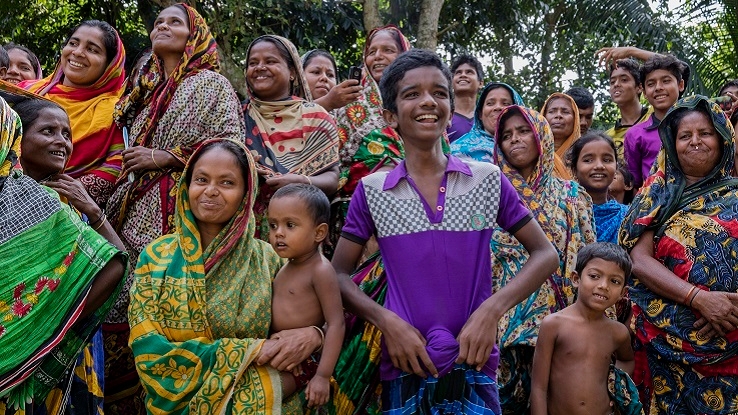
The United Nations Department of Economic and Social Affairs (UN-DESA) issued a detailed research paper about how climate change affects Indigenous peoples. 6% of the world population identified as Indigenous peoples face exceptional challenges from climate change, although they comprise a small segment of global inhabitants. Due to their lack of involvement in international climate funding decisions, their adverse experiences have become worse. Through the report, researchers establish that Indigenous ways of knowing, along with sustainable traditions, serve as essential tools for maintaining biodiversity and ecological integrity. 

Summary:

  • The data shows that climate change mostly affects Indigenous communities because these groups only get less than 1% of global climate funds.

  • You will find evidence showing Indigenous peoples' valuable efforts to protect biodiversity and their lack of recognition for climate action work.

  • Climate policy leaders should include Indigenous representation when making policy decisions at a global level, according to the report.

Key Points:

  • Economic Vulnerability: Indigenous people experience economic risk because the sustainable practices of farming and fishing, together with forest management, have become unstable.

  • Disruption of land and resources: The erosion of ancestral land, combined with natural resource loss, occurs because of climate change.

  • Health challenges: Hard-to-reach healthcare services elevate their exposure to health problems generated by climate change.

  • Cultural Erosion: The loss of cultural heritage, along with traditional languages and cultural customs, occurs because of environmental damage.

  • Biodiversity Role: Much biodiversity exists around the world due to traditional peoples who occupy only 6% of Earth's population but guard 80% of its biodiversity.

  • Traditional Knowledge Systems: Eco-friendly ecosystem management is possible for sustainable development based on the ancient wisdom of Traditional Knowledge Systems.

  • Cultural Wisdoms: Traditional preservation concepts of indigenous populations emerge from spoken instructions and sacred restrictions, and wise sayings.

Constitutional Provisions:

Fifth and Sixth Schedules enable scheduled and tribal areas to follow separate administrative systems.

  • Article 342: Recognizes Scheduled Tribes.

  • Article 244 (Part X): Grants special administrative provisions for Scheduled Areas.

PESA Act, 1996:

  • The PESA Act provides Scheduled Areas with the opportunity for government through local assemblies of residents known as Gram Sabhas.

  • Local communities acquire the power to administer their minor resources together with their development projects and their traditional institutions under this structure.

Tribal Panchsheel Policy by Jawaharlal Nehru:

  • All development programs must match the indigenous culture and native intelligence of the tribal groups.

  • The protection of land ownership rights together with the preservation of forest privileges stands as a priority.

  • Tribals must have their full participation in administration processes.

  • Avoid over-administration and over-scheming.

  • Human development serves as a superior measurement criterion than numeric statistics alone.

Other Legislations:

  • Protection of Aboriginal Tribe Regulation (1956): Restricts access to certain tribal zones in A&N Islands.

  • Through Forest Rights Act (2006) the Indian government provides legal recognition to traditional communities inhabiting forests with their access to land and natural resources.

Way Forward:

  • Watch how the Sámi parliaments within Nordic countries operate to defend their people from forced cultural absorption.

  • Multiple Tribes and Organizations should commit to the ILO’s Indigenous and Tribal Peoples Convention (1989) for inclusive dialogue and consultation.

  • Countries should follow the UN Declaration on the Rights of Indigenous Peoples to obtain indigenous people's permission prior to resource and knowledge usage.

  • Tribal knowledge systems serve as sustainable living bases when the Jharkhand Government conducts the Adi Darshan program as an example of progressing awareness.

Conclusion

This publication serves as an important notice that reinforces the need to implement Indigenous visions throughout climate management efforts. The traditional attitude toward nature stewardship of Indigenous Peoples provides adaptable community-based solutions to worldwide ecological catastrophes. Indigenous peoples should receive equal opportunities to obtain funds and express representation as an essential part of climate justice initiatives. The planet needs their involvement not only because it is ethical but because it represents a key requirement for sustainability.

Starlink’s India Challenge: Balancing Innovation, Security, and Sovereignty

Signing up with the Indian market makes Starlink face difficulties in merging revolutionary technology solutions with current regulatory standards and national security practices. The delivery of Starlink satellite internet services faces major hurdles in India from licensing procedures and spectrum allocation requirements and security clearance processes. This situation confirms the necessity to develop a method which successfully orchestrates international innovation with domestic legal requirements and strategic priorities.

Key Points:

  • The main objective of Starlink is to establish high-speed satellite internet services that target rural areas under coverage in India.

  • The organization requires adherence to multiple laws found in India, such as:

    • Indian Telegraph Act, 1885 (for VSAT licensing),

    • Telecommunications Act, 2023 (spectrum allocation),

    • Digital Personal Data Protection Act, 2023 (data protection).

Key Challenges:

The key challenges Starlink Faces in India:

  • Licensing Delays:

    • The process to obtain a VSAT licence consists of thorough examination procedures.

    • TRAI and DoT remain in discussion about the availability of Ku and Ka band spectrum.

  • Security Clearance:

    • The Home Ministry together with intelligence agencies need to provide clearance before proceeding with the project.

    • Concerns about foreign ownership and possible surveillance misuse.

  • Space Infrastructure Coordination:

    • The company must obtain IN-SPACe approval as it strives to prevent any satellite conflicts with ISRO.

  • Data Misuse Reports:

    • Government agencies have intensified their investigation after reports of improper usage appeared.

    • Users of Starlink need robust tracking systems combined with secure encryption protocols although verification procedures must also be available at their disposal.
Why Starlink Matters?

  • Bridging the Digital Divide:

    • The network can deliver high-speed internet to more than 60 crore rural inhabitants of India.

  • Digital Governance & Education:

    • This system enables e-learning programs in rural areas along with e-health services and government service delivery to all citizens.

  • Geopolitical Significance:

    • The cautious attitude of India exists as a manifestation of its protective position toward vital infrastructure from foreign technology involvement.

Digital Impact:

  • High-speed internet through rural connectivity initiatives presents the opportunity to serve more than 60 crore rural citizens, thus minimizing digital inequality.

  • The system implements digital governance functions that enable e-learning connectivity and e-health services and enhance government services throughout rural territories.

  • The Indian government shows extreme caution when it comes to allowing foreign technology into vital infrastructure by restricting Starlink access.

Policy Lessons:

  • India requires a better framework with clear guidelines which promotes technological development together with safety protection for national security purposes.

  • National security needs to be balanced with digital inclusion requirements to establish a proper ecosystem.

  • Both technical and national sovereignty elements make spectrum management essential since it functions as a sovereign resource.

What is Starlink?

The satellite company SpaceX operates Starlink as a broadband internet service using a widespread network of satellites orbiting at low-earth orbit.

About Starlink Project:

  • Launch Timeline: The projected satellite testing (2018) will lead to installing the first 60 operational satellites in May 2019 before commercial deployment starts in 2021.

  • Orbit and Technology: The orbit for these satellites ranges from 550 kilometers in altitude and utilizes phased-array antennas alongside optical inter-satellite links while employing ion propulsion.

  • Coverage and Speed: The system provides 100–200 Mb/s download speeds alongside 20 ms latency but is specially designed for locations beyond standard reach.

  • Direct to Cell & IoT: The Direct to Cell & IoT function allows for LTE call, text, browse, and machine-to-machine communication without needing ground infrastructure.

  • Regulatory steps in India: Starlink has worked with TRAI to obtain its approvals for providing service to remote areas as part of the Make in India policy framework.

Conclusion

The Indian Starlink scenario illustrates a core digital policy dilemma facing the world, which includes maintaining control over innovation against regulatory frameworks and operating under local leadership in addition to addressing connectivity security issues. The Indian government should develop regulatory mechanisms that support modern technologies without harming national sovereignty or legal frameworks. Such a successful deployment of Starlink services would lead to improved rural digital connectivity, thus transforming India's digital future.

PM Modi Urges Citizens to Use ‘Sachet’ App for Real-Time Disaster Alerts

Prime Minister Narendra Modi announced the importance of being ready for disasters through his monthly broadcast 'Mann ki Baat' while focusing on the 'Sachet' application on April 27, 2025. NDMA created the Sachet mobile application, which provides instant disaster notifications to users in multiple local languages. Natural calamities early warning systems receive support through this application, which operates as part of the government's comprehensive strategy. The app issues quick warnings for floods and earthquakes and cyclones and landslides and multiple additional hazards. 

Context:

  • NDMA has created the Sachet app, which distributes real-time location-specific alerts through 12 Indian language interfaces.

  • Through its platform, Sachet offers warnings for several disasters, including floods, landslides, cyclones, tsunamis, and forest fires.

Key Points:

  • The application achieves community resilience advancement by providing accurate, real-time information quickly to users.

  • The platform provides complete protection against all main natural disasters such as floods, cyclones, tsunamis, and landslides.

  • Users can access information through updates available in 12 different regional languages that enhance area-wide reach.

  • Through the app users define their preferred addresses and obtain access to emergency action guidelines as well as emergency contact numbers.

  • Users can access the Indian Meteorological Department weather reports through the platform.

  • Government-validated alerts are the sole notifications that users receive.

  • Electronic alerts sent through satellite communication networks remain accessible during the failure of mobile data connections.

About Disaster Management: 

Definition:

  • Meaning: Disaster Management involves cooedinated actions to prepare for, respond to, and recover from disaster, aiming to minimize theri impact.

  • As per the United Nations: A disaster refers to a significant disruption that hampers the functioning of a community or society. It entails extensive impacts on people, property, the economy, or the environment, surpassing the capacity of the affected community to manage using its resources.

Key Phases of Disaster Management:

  • Preparedness: The first step entails planning activities alongside training sessions and conducting risk assessments to reduce disaster intensity.

  • Mitigation: The implementation of preventive measures with strategic strategies functions to lower disaster chances and decrease their potential intensity.

  • Response: Emergency response includes relief operations while conducting search missions and distributing necessities to people in need.

  • Recovery: Infrastructure restoration and service delivery alignment happen alongside the remediation of normalcy, together with long-term rehabilitation efforts.

Types of Disaster:

  • Water-related Disaster: The disasters caused by water involve Floods, hailstorms, cloudbursts, cyclones, heat waves, cold waves, droughts, and hurricanes.

  • Geologic Disaster: Earth's geologic structure produces several disasters which include landslides, earthquakes and volcanic eruptions and tornadoes.

  • Man-made Disaster: Urban fire disasters, forest fire disasters, oil spills and structural collapses comprise man-made disasters.

  • Biological Disasters: Viral outbreaks, pest invasions, livestock epidemics, locust plagues.

  • Industrial disasters: Industrial disasters comprise chemical accidents and mining shaft fires, and industrial explosions.

  • Nuclear Disasters: Core meltdowns, radiation exposure-related illnesses.

Institutional Framework for Disaster Management in India:

  • 1990s: Disaster Management Cell under the Ministry of Agriculture during the 'International Decade for Natural Disaster Reduction'.

  • A holistic approach to disaster management emerged after 1999 Super Cyclone and 2001 Bhuj Earthquake but it moved under the leadership of the Ministry of Home Affairs (2002).

  • NDMA (National Disaster Management Authority):  stands as the core authority under the provisions of the DM Act 2005, which the Indian Prime Minister leads as its chairperson.

  • NEC (National Executive Committee):  It keeps watch over disaster response operations.

  • SDMA (State Disaster Management Authorities): Headed by Chief Ministers, operates under the direction of Chief Secretaries.

  • DDMA (District Disaster Management Authority): Responsible for district-level planning and response.

  • National Disaster Response Force and State Disaster Response Force: represent the specialized central and state response forces.

  • The Civil Defence Act, 1968: It underwent modifications in 2010 to raise its relevancy regarding current disaster situations.

Laws and Policies:

  • The Central Government enacted the Disaster Management Act 2005 which introduced an active approach instead of previous reactive disaster protocols.

  • National Policy on Disaster Management (2009): Holistic, inclusive, multi-hazard strategy.

  • The National Disaster Management Plan (2018) integrates multiple stakeholders and hazards to follow Sendai Framework standards.

  • The Agenda comprises ten points which promote disaster risk management through technological integration with community-based actions and cooperative practices (PM’s 10-Point Agenda 2016 AMCDRR).

Challenges and Way Forward:

  • Lack of resilient infrastructure: The infrastructure remains susceptible to failure even though it should be resilient.

  • Coordination gaps: Several organizations participate in disaster management, but their procedures lack established standard operating procedures.

  • Early warning limitations: The present early warning capability remains inadequate regarding its functionality so better warning systems must be implemented.

  • Role of local bodies: Urban authorities at the local level should gain power and receive proper training.

  • Private sector under involvement:  The private sector can expand CSR involvement.

  • Neglect of unnatural disasters: The national response to artificial catastrophes requires an immediate upgrade to address human-made and technology-based threats.

  • Governance principles: Governance principles: Risk prioritisation, political commitment, accountability, resource mobilisation, and community participation.

Conclusion

The Sachet app advances the Indian disaster response framework by creating a noteworthy technological advancement. The mobile application uses real-time alerts together with localized content alongside verified data to enable quick emergency action for individuals during crises. The adoption of Sachet receives additional support from PM Modi's backing. The tool strengthens the goal of building an aware population capable of enduring natural disasters.

Scientists Discover a New Organism that Conducts Electricity: A Breakthrough in Bioelectronics

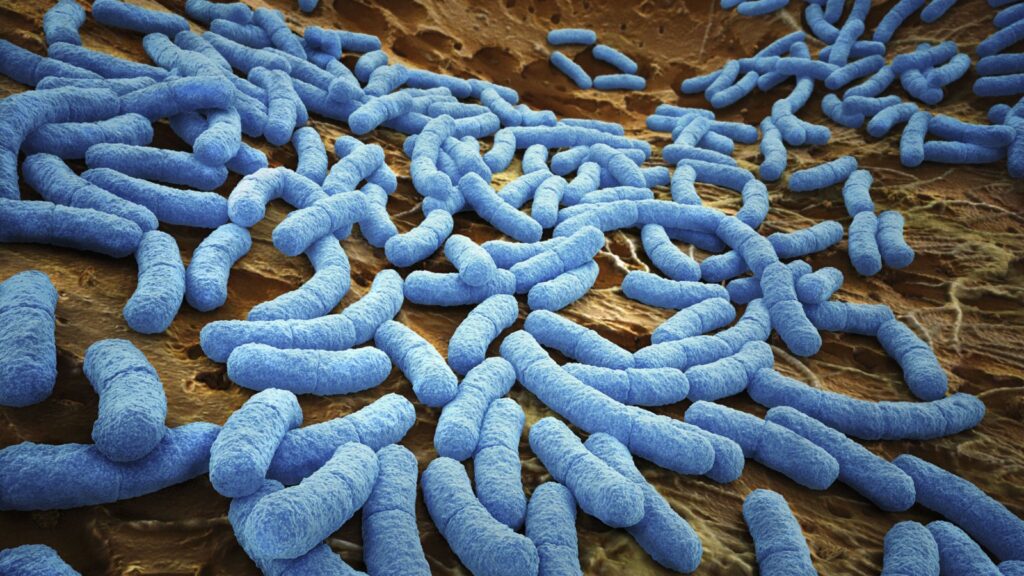
The scientific community has identified a fresh microorganism named Candidatus Electrothrix yaqonensis, demonstrating electrical conductivity abilities. The bacterium exists in Oregon coast mudflats, behaving like a natural electrical wire. Scientists published significant findings regarding bioelectronic future applications in Applied and Environmental Microbiology, which could lead to prospective medical uses and environmental tracking, together with food protection and industrial systems.

Context:

  • The extraordinary find disrupts widely accepted scientific knowledge related to electricity transmission within biological organisms. 

  • The bacterium differs from electric eels because it transfers ongoing electron movement during its metabolic process. 

  • The discovery gives engineers better access to microbial technologies that serve synthetic biology and green technology goals.

Key Highlights:

Name and Classification:

  • Scientific Name: Candidatus Electrothrix yaqonensis

  • Classification: Bacterium (prokaryotic, filamentous type)

Discovery Location/Ecosystem:

  • This bacterium exists within mudflats at the Oregon coast, where microorganisms thrive due to low oxygen conditions.

Bioelectronics Potential:

  • This organism enables the development of bioelectronic components that include bacterial sensors and fuel-generating devices, and integrated biological networks.

  • The microorganism provides a natural approach to breaking down electronic devices that can substitute for conventional technologies.

Cultural and Environmental Significance:

  • Bacteria specialists named the microorganism after indigenous American populations who resided in the discovery region.

  • The discovery of this bacterium promotes recognition of biological and cultural elements contained within scientific discoveries.

Applications Across Sectors:

Medical applications include both smart implants and wound-monitoring devices, and bio-compatible interfaces.

  • Environmental Monitoring: Pollution sensors, bioremediation.

  • Food Safety: Bacteria-based detection of contamination.

  • Sustainable Energy: Microbial fuel cells generate electricity from waste.

India-Specific Perspective:

  • Potential for research collaboration via CSIR, DBT, IITs, and BIRAC under the National Biotechnology Development Strategy.

  • Scope for integration in Make in India and Startup India for bio-based innovations.

  • Relevance to India’s energy security goals and National Bio-Energy Mission.

What is Bioelectronics?

Definition and Significance:

  • Bioelectronics functions as a multifaceted scientific intersection between biological sciences and electronics to manufacture technology systems that work with living systems across healthcare, the production sector, and the environmental domain. 

  • Modern electronic devices include biological materials along with systems that act as fundamental operational parts.

Applications in Medicine:

  • The functions of pacemakers depend on electric impulses which regulate cardiac rhythm patterns.

  • Biosensors analyze biological signals and transform them into electronic measurements for diagnostic purposes together with glucose test applications and infection or toxin detection.

Emerging Interface Between Biology and Electronics:

  • Bioelectronics marks an evolutionary leap that enables scientists to engineer living organisms or deploy microbes directly for accomplishing electronic operations. 

  • The discovery of electricity-conducting microbes, such as Ca. The research discovery of Electrothrix yaqonensis has led to significant progress through its potential use for replacing existing synthetic electrical components with sustainable biological systems that will disintegrate naturally.

Conclusion

The discovery of Ca. The advancement in bioelectronics becomes more exciting through the discovery of Electrothrix yaqonensis. The conductive properties of this newly created organism present several sustainable and innovative applications across medical practices and food protection systems and environmental preservation measures. This study expands biological system research for technological development that holds promise to transform various industries and generate better living solutions.

Frequently Asked Questions (FAQs)

The current affairs cover recent national and international events related to UPSC, SSC, Banking, Railways, and State PCS.

You need to read about the current affairs daily, and revise them every week and every month to keep them longer in your memory.

Yes, Class24 provides free downloadable Daily Current Affairs PDFs for easy revision.

Yes, you can practice MCQs and quizzes to boost your exam preparation.

Absolutely. The content is written in simple, easy-to-understand bilingual language suitable for beginners.

Go to class24.com and click on the current affairs section directly, where you find everything that you need.

ssc-toppers

Start Learning Today with Class24

Related current affairs

Class24 offers free video lectures for smart preparation, covering CGL, CPO, CHSL, MTS, and GD exams. Learn from expert faculty, revise concepts easily, practice with PYQs, and improve speed and accuracy through high-quality, exam-focused video lessons anytime, anywhere.

Get success in your hand. Start study anytime anywhere.

The journey becomes simple and enjoyable when you start taking interest in it. And through our app “Class24”, we will be your trusted partners in developing that interest.

Daily Quizzes
Mock Tests
Ongoing

No ongoing tests right now.