
Day: March 29, 2025

Indian and Russian Navies to Conduct 14th Edition of INDRA 2025 Exercise

The 14th edition of India-Russia bilateral naval exercise INDRA 2025 will take place off Chennai between March 28 to April 2 of 2025. INDRA has operated since 2003 to enhance the maritime cooperation and strategic partnership between India and Russia. The two-phase Harbour and Sea exercise serves to boost the tactical coordination abilities and combined naval operational effectiveness between Russia and India.

Key Points

Historical Context and Strategic Importance

  • The INDRA Exercise began operations as an essential maritime relationship indicator between India and Russia in 2003.

  • The two navies maintain this strategy as their long-lasting defense and security partnership.

  • Operational readiness receives enhancement through this exercise while it promotes maritime security efforts within the regional sphere.

Structure and Phases of INDRA 2025

  • Harbour Phase (March 28-30, 2025) at Chennai:

    • The exercise included opening ceremonies followed by subject matter expert exchanges (SMEEs) as well as various other aspects.

    • Reciprocal ship visits, sports events, and pre-sail briefings.

    • Strengthening people-to-people and professional military exchanges.

  • Sea Phase (March 31-April 2, 2025) in the Bay of Bengal:

    • The naval forces execute advanced drills through their combined execution of tactical maneuvering and live weapon firing operations.

    • Anti-air operations and underway replenishment exercises.

    • Helicopter cross-deck landings and exchange of sea-riders for practical experience.

Participating Naval Assets

  • Indian Navy: INS Rana, INS Kuthar, and Maritime Patrol Aircraft P-8I.

  • Russian Navy: RFS Pechanga, RFS Rezkiy, and RFS Aldar Tsydenzhapov.

  • The naval forces of both nations will utilize surface combatants together with air assets and support vessels for achieving joint operative effectiveness.

Objectives and Key Takeaways

  • Indian and Russian naval forces will achieve better mutual interoperability through maritime cooperation programs.

  • Both nations will develop their Indo-Pacific diplomatic relations while reinforcing defense partnership.

  • Both navies will exchange their most effective methods regarding naval operations along with tactical maneuvering and joint combat readiness techniques.

  • The intervention aims to enhance defensive capabilities against new maritime threats which encompass piracy and criminal maritime operations.

Other Exercise between India and Russia

  • Exercise AVIAINDRA: Through Exercise AVIAINDRA both air forces participate in a bilateral war exercise. 

  • Exercise INDRA Tri-Service:  represents joint military operations which combine the military forces from Indian Army with Navy and Air Force.

  • Exercise INDRA: Indian and Russian military forces conduct Exercise INDRA Army as their joint bilateral army training engagement. 

  • Exercise TSENTR: The strategic exercises of Russia include Exercise TSENTR among them.

Conclusion

The maritime bonds between India and Russia find robust support through Exercise INDRA 2025. Naval coordination together with operational synergy through this exercise functions as an essential foundation for Indo-Pacific security maintenance and strategic stability maintenance. INDRA exercise serves as a vital defense mechanism to strengthen bilateral alliances and adds value to major political and geostrategic relationships between the nations. The evolving security situation requires INDRA to serve as a fundamental platform which strengthens the mutual trust and cooperative partnership between India and Russia.

From Farm to Retail: Make in India’s Food Processing Revolution

The Indian food processing industry experiences a major change because of its huge agricultural sector together with escalating consumer preferences along with government backing. Make in India initiative includes the food sector as a primary objective to attract investments and construct infrastructure and enhance value creation within the sector. The advancement of the food processing sector depends heavily on three major initiatives: Pradhan Mantri Kisan Sampada Yojana (PMKSY), Production Linked Incentive Scheme for Food Processing Industry (PLISFPI), and Pradhan Mantri Formalisation of Micro Food Processing Enterprises Scheme (PMFME). The initiatives focus their efforts on updating infrastructure systems while building better supply chains for export growth while providing help to small and medium businesses (SMEs).

Key Points

The Significance of the Food Processing Industry in India

  • In addition to being leading globally in millet and tea production India stands first worldwide in production of food grains along with fruits vegetables and livestock milk and tea.

  • The food processing industry acts as an essential part of reducing agricultural waste output while increasing farmer revenue numbers.

  • The Ministry of Food Processing Industries through several schemes seeks to draw investments while developing infrastructure.

  • The Ministry of Food Processing Industries received a budget increase of 30.19% during the 2024-25 financial year as the government shows its dedication to the sector.

PM Kisan Sampada Yojana (PMKSY)

  • The PM Kisan Sampada Yojana received approval in 2017 with a Rs. 6000 crore funding but the government increased this amount to Rs. 4600 crore before 2026.

  • The scheme operates to establish advanced infrastructure that links agricultural lands to retail shops through efficient supply systems

  • As of February 2025:

    • The PM Kisan Sampada Yojana has authorized 1608 projects as part of the program.

    • 47 Mega Food Parks together with 393 Cold Chain Projects have both been established as part of this scheme.

    • The grant disbursement under this program exceeds ₹6198.76 crore.

  • Key Benefits:

    • The food processing levels increase while export performance improves.

    • The scheme promotes rural job creation as its primary objective.

    • Food losses after harvest decrease through this initiative which leads to better financial success for farmers.

Production Linked Incentive Scheme for Food Processing Industry (PLISFPI)

  • The Indian government approved this program through its budget of ₹10,900 crore during March 2021 to operate until 2027.

  • Manufacturing operations in four central segments receive support from this program.

  • Ready-to-Cook/Ready-to-Eat Foods (including millet-based products).

  • Processed Fruits & Vegetables, Marine Products, Mozzarella Cheese.

  • Innovative and Organic food products.

  • India plans to develop branding strategies while marketing its food products to foreign markets.

  • Achievements:

    • The assistance has been approved for 171 approved food processing companies.

    • The incentive program paid out ₹1155.296 crore to beneficiaries that included ₹13.266 crore dedicated to MSMEs.

    • The investment exceeding ₹8910 crore in 213 locations will generate 2.89 lakh job positions by October 2024.

    • Special incentives for millet-based products under the PLISMBP component.

Pradhan Mantri Formalisation of Micro Food Processing Enterprises (PMFME) Scheme

  • The government introduced this program in June 2020 through funding of ₹10,000 crore between FY 2020-2025 and extended it to FY 2025-26.

  • This scheme works to formalize 200 thousand small food processing businesses through the One District One Product (ODOP) program.

  • The program gives credit-linked support along with training programs and leads to access of modern facilities.

  • The program significantly boosts the market opportunities of smaller enterprises in addition to strengthening their business capability.

Fostering Innovation and Entrepreneurship

  • Small and medium enterprises receive governmental backing through three key aspects: monetary assistance as well as technical resources alongside market connection programs.

  • PLISFPI directly benefits 70 MSMEs as independent enterprises while 40 others serve as contract manufacturing subsidiaries under the program.

  • The government offers specific benefits for promoting Indian food product branding efforts and global marketing activities.

  • The marketing reimbursement system provides financial benefits to 73 operating firms.

Recent Developments and Global Initiatives

  • The Ministry of Food Processing Industries plans to establish 100 new food testing laboratories with NABL accreditation for enhancing food safety during March 2025.

  • The Ministry of Food Processing Industries joins forces with Punjab Agricultural University and Hindustan Unilever during January 2025 for improving tomato paste manufacturing.

  • The latest event World Food India 2024 takes place in September 2024 to display new food processing innovations with global investments and collaborations.

Conclusion

The food processing sector of India demonstrates significant potential to grow while sustaining its industry position and becoming more internationally competitive. Several government programs including PMKSY, PLISFPI and PMFME have built crucial infrastructure and walked small enterprises toward success while encouraging them to advance the value of their products. Through cold chain expansion initiatives and financial incentives and skill development measures India positioning itself as a premier food processing operation center worldwide. Future developments will build upon past achievements to boost farmer revenues while minimizing food spoilage and raising exports and employment generation which will turn India into an international food supplier.

India’s Carbon Offset Plan: Driving Climate Action Through Voluntary Emission Reduction

Operation of the Carbon Offset Mechanism within the Indian Carbon Market enables India to achieve its climate commitments. The Carbon Credit Trading Scheme, 2023 obtained its institutional base through notification in June 2023 before receiving additional power through December 2023 amendments that expanded possibilities to voluntary climate mitigation projects. The Government of India gave its approval to the Offset Mechanism Detailed Procedure along with eight methodologies in March 2025 which opened opportunities for voluntary participation in greenhouse gas (GHG) emission reduction projects.

Key Points

Indian Carbon Market and the Carbon Credit Trading Scheme, 2023

  • The National Steering Committee for Indian Carbon Market (NSCICM) was created by the Carbon Credit Trading Scheme, 2023 to operate as the governance body for carbon credit trading in India.

  • Non-obligated entities gained eligibility to perform voluntary emissions reduction projects after the December 2023 scheme amendment which established the Offset Mechanism.

Operationalization of the Offset Mechanism

  • Through the Offset Mechanism businesses together with industries and organizations outside of compliance requirements can establish projects for GHG emission reduction or removal or avoidance purposes.

  • Participants receive carbon credits as an incentive to adopt climate action programs since they serve sectors where compliance obligations do not apply.

  • Through its mechanism the program encourages corporate and industrial sectors to participate voluntarily in climate change mitigation strategies.

Approved Methodologies for Carbon Offset Projects

The Government has facilitated eight methods for the Offset Mechanism to support various industrial sectors.

  • Renewable Energy Projects as well as hydroelectric facilities and stored hydroelectric reservoir projects qualify for the program.

  • The production of Green Hydrogen serves as an approved methodology to develop clean fuel technologies through the Offset Mechanism.

  • Industrial Energy Efficiency offers an approved methodology to lower manufacturing emissions under the Offset Mechanism.

  • The capture of landfill methane along with its beneficial use serves as a key project under the Offset Mechanism.

  • Mangrove tree planting activities as a part of reforestation efforts help increase carbon sequestration.

Such methodologies establish comprehensive standards for producing voluntary carbon credits that work toward meeting India's climate commitments.

Expected Impact and Benefits

  • Entities achieve the objective of India's net-zero targets by implementing projects through this program.

  • Businesses benefit financially since economic incentives are available thanks to carbon trading opportunities.

  • Carbon markets now enclose climate-compatible projects from non-classical industrial sectors.

  • Strengthened Global Position: Aligns India with global carbon market frameworks and international climate commitments.

Conclusion

India made a major advancement with its Carbon Offset Plan as part of its low-carbon economy development path. The framework targeting voluntary carbon credit generation at a national level allows India to extend its climate initiatives beyond its mandatory industrial sectors. The recently approved methods will boost climate-friendly practices while attracting private businesses to engage with carbon markets and enhance India’s global market leadership. The Indian Carbon Market will become essential for achieving national emission intensity targets and developing a sustainable resilient future as it keeps developing.

India Launches ‘Tigers Outside Tiger Reserves’ Project to Safeguard Big Cats

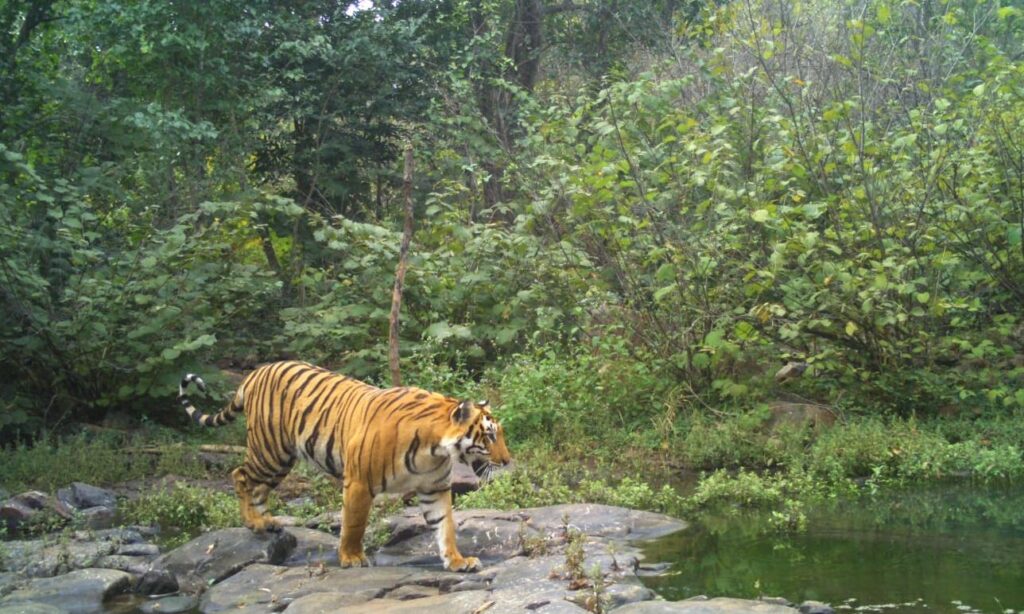
The "Tigers Outside Tiger Reserves" project is undergoing completion at the Ministry of Environment, Forest, and Climate Change (MoEFCC) as about 30% of the estimated 3,682 tigers reside in unnotified reserve areas. Under this initiative the department plans to check tiger populations outside protected areas while minimizing human-wildlife conflict and combating poaching and motivating local communities. A financial budget of Rs. 176.45 crore until 2026-27 supports Project Tiger funding through this project which will be deployed in 80 forest divisions across ten states.

Key Points

Need for monitoring Tiger's Outside reserve

  • A total of 30%of all Indian tigers live within non-reserve protected areas.

  • The thermal translocation of tigers into unprotected areas puts these animals at risk from both hunters and preventable animal-human confrontations.

  • The closer proximity of co-predators to human living areas elevates wildlife-related human conflicts.

Key Objectives of the Project

  • The establishment of an effective tiger management tracking system should take place for regions located beyond sanctuary boundaries.

  • Implement better anti-poaching protection systems while enhancing the management practices of habitats.

  • A program of awareness campaigns and community connection works to resolve conflicts between humans and tigers.

  • Establish methods to protect natural resources which welcome nearby population participation.

Implementation Strategy

  • The National Tiger Conservation Authority (NTCA) possesses oversight authority over implementing this project.

  • The project focuses its initiatives on the districts of Wayanad in Kerala, Chandrapur in Maharashtra and Pilibhit in Uttar Pradesh because these regions experience frequent conflict between humans and tigers.

  • During the first phase the project will start its operations in 80 forest divisions located across 10 states.

  • Project financing will be acquired through National Compensatory Afforestation Fund Management and Planning Authority (CAMPA).

  • The organization works together with Project Tiger to avoid double work on conservation programs.

Challenges and Concerns

  • Between 2020-2024 tiger-related fatalities killed 378 humans and most losses occurred in Maharashtra, Uttar Pradesh and Madhya Pradesh.

  • The compensation program for wildlife attack victims needs expansion through Rs. 70-80 crore as per parliamentary recommendations.

  • Two recent cases of wildlife poaching across Madhya Pradesh and Maharashtra demonstrate the importance of improving outside-reserve monitoring tasks.

India’s Current Tiger Population and Distribution

  • Estimated tiger population: 3,628 (as of 2025).

  • The country maintains 58 established tiger reserves throughout residential spaces which include the Shivalik Hills, Terai Plains and Central Indian Highlands, Eastern Ghats, Western Ghats, Northeastern Hills, Brahmaputra Plains and Sundarbans regions.

  • The regions of Central Indian Highlands together with Eastern Ghats contain the largest numbers of tigers.

About Tiger Reserve

  • Project Tiger and National Tiger Conservation Authority (NTCA) established the tiger reserves which need to follow protected area designations in India. 

  • The present international count shows that India maintains 58 tiger reserves which occupy 2.3% of its total land area. 

  • These reserves perform fundamental duties in preserving tigers because they maintain residence to nearly 70% of global tiger numbers. 

Structure of Tiger Reserves:

  • Tiger reserves maintain two fundamental elements which consist of the Core Area where human activity is outlawed followed by the Buffer Area that allows controlled human presence.

  • The NTCA headquartered at the Ministry of Environment, Forests, and Climate Change controls all tiger reserves nationally.

Tiger Reserves in India:

  • India owns 58 tiger reserves as the government recently established the Madhav National Park in Madhya Pradesh.

  • Palamau Tiger Reserve gained its status as the inaugural tiger reserve of Jharkhand during 1973.

  • The biggest tiger reserve in India exists as Nagarjunsagar-Srisailam Tiger Reserve with 3,728 square kilometers spread throughout Andhra Pradesh.

  • Bor Tiger Reserve stands as the smallest of all the Indian reserves with 138 km² covering Maharashtra state.

Tiger Population in India:

  • The annual growth rate of Indian tigers reached 6% starting from 2006 yet the 2018-19 Tiger Census revealed 2967 tigers throughout the country.

  • The five distinguished tiger habitats in India are Shivalik Hills & Gangetic Plains and Central India & Eastern Ghats and Western Ghats and Northeastern Hills & Brahmaputra Plains and Sundarbans.

  • The Indian wildlife contains 15 species of wild cats but 9 species within this total are considered threatened.

National Tiger Conservation Authority (NTCA):

  • According to the Wildlife (Protection) Act of 1972 the authority received its establishment under amendments made in 2006.

  • Tiger conservation policies as well as scientific monitoring and funding reserve support are the primary tasks of this organization.

  • The Minister of Environment Forests and Climate Change chairs this authority which works under the provisions of Wildlife (Protection) Act of 1972.

Project Tiger:

  • The program started its work in 1973 for national animal conservation purposes.

  • Monitors 58 tiger reserves covering 2.21% of India's land.

  • This centrally sponsored scheme offers funding support for conservation projects throughout the country.

Tiger Density and Habitat Challenges:

  • Approximately all areas within Sundarbans now approach their maximum sustainable population of tigers.

  • The survival of tigers depends on three key factors: fragmentation of their territory along with declining prey numbers and conflicts between humans and wildlife.

  • Ecosystem management stands as an essential approach to support sustainable tiger population increases.

International Conservation Efforts:

  • Global Tiger Day (July 29th) raises awareness on tiger conservation.

  • The St. Petersburg Declaration (2010) established a commitment to double the worldwide tiger population during the time period of 2022.

  • The 13 Tiger Range Countries among them India promised to implement improved conservation initiatives.

Conclusion

The "Tigers Outside Tiger Reserves" project stands as a vital component for achieving national tiger conservation throughout all of India. This initiative will strengthen conservation efforts outside reserved areas because it addresses gaps in monitoring capabilities as well as reduces human-tiger conflicts and decreases cases of wildlife poaching. This project's success depends on proper implementation together with well-developed funding foundations and engaged community participation for maintaining long-term tiger survival throughout India's varied wilderness areas.

ADB-Funded SMILE Program to Enhance India’s Logistics Efficiency

The Asian Development Bank (ADB) supports SMILE through a funding program that works to enhance Indian logistics systems while reducing costs and improving trade efficiency and building multimodal infrastructure. The Program supports the National Logistics Policy together with the PM Gati Shakti National Master Plan through its institutional development initiatives and standardization of warehousing facilities and trade logistics efficiency while promoting digitalization. This initiative employs gender equality initiatives alongside its support for the Atmanirbhar Bharat plan through enhanced domestic production capabilities connected to international trade networks.

Key Points:

Objective of the SMILE Program:

  • The implementation of multimodal integration will enhance Indian logistics performance.

  • The program reduces delivery expenses while building more reliable supply chain operations.

  • The National Logistics Policy together with the PM Gati Shakti Master Plan need organizational backing for their successful execution.

Key Components of the Program:

  • Institutional Strengthening: The national institutional framework will receive improvements which will enhance logistics infrastructure systems throughout national and state and city levels.

  • Standardization of Warehousing:  approaches help supply chains become stronger while encouraging private capital investments.

  • Trade Logistics Efficiency: Improvement of external trade logistics operations will boost India's global market strength.

  • Digitalization and Smart Systems: Adopting smart systems for efficient, low-emission logistics operations.

Impact on India’s Logistics Performance:

  • India’s position in the Logistics Performance Index should see an improvement.

  • The logistics sector requires additional job opportunities.

  • The manufacturing sector would gain resilience while supply chains would eliminate their inefficiencies.

Gender Inclusion in Logistics:

  • Development of gender audit mechanisms for land ports.

  • The implementation of infrastructure that caters to gender needs must be included at every integrated check post.

  • The National Trade Facilitation Action Plan (2020-23) includes gender inclusion promotion for trade.

Alignment with Atmanirbhar Bharat Initiative:

  • The nation needs to enhance its production capacity alongside its logistics system operation efficiency.

  • The expansion of global trade integration efforts combined with lowering unnecessary logistics costs and dependence.

  • The implementation of digital transformation together with private capital investment will establish economic stability while advancing growth rates.

Conclusion:

The SMILE Program funded by ADB undertakes vital steps toward contemporary India logistics development while cutting expenses and enhancing supply chain reliability. The program will increase India's global trade competitiveness through its emphasis on multimodal logistics systems while pushing for standardization and smart digital technologies implementation. The economic sustainability of the region will also increase because of gender inclusion initiatives together with private sector involvement. The SMILE Program connects India to Atmanirbhar Bharat to establish the country as a worldwide leader in logistics and manufacturing activities.

Inclusion of Kosi Mechi Intra-State Link Project under PMKSY-AIBP

The Prime Minister Shri Narendra Modi through the Cabinet Committee on Economic Affairs (CCEA) authorized the Kosi Mechi Intra-State Link Project implementation under the Pradhan Mantri Krishi Sinchai Yojana – Accelerated Irrigation Benefits Programme (PMKSY-AIBP). The Kosi Mechi Intra-State Link Project will advance through March 2029 while requiring Rs. 6,282.32 crore in funding and Rs. 3,652.56 crore from central assistance directed toward Bihar. Bihar will experience more efficient irrigation systems through the modernization of the Eastern Kosi Main Canal (EKMC) until the Mechi River receives its waters.

Project Overview:

  • The Kosi Mechi Intra-State Link Project works with Kosi River surplus water to provide irrigation to the Mahananda basin region of Bihar.

  • The project modifies 41.30 km of Eastern Kosi Main Canal before expanding it a total of 117.50 km until it reaches the Mechi River.

  • The project succeeds in creating a linkage between the Kosi River and Mechi River throughout the geographical area of Bihar.

Irrigation Benefits:

  • The irrigation system will establish supplemental Kharif season watering for 2,10,516 hectares of agricultural land.

  • The Araria and Purnea districts and Kishanganj and Katihar districts make up the territories which will gain from the expanded irrigation system.

  • The shortcoming water supplies within 1.57 lakh hectares of the existing Eastern Kosi Main Canal command area will be normalized through this intervention.

  • The Kosi water surplus amounting to 2,050 million cubic meters will divert through the monsoon period toward irrigation of the Mahananda command area.

Financial and Implementation Details:

  • The overall investment for this development project amounts to Rs. 6,282.32 crore while the central authorities provide a portion of Rs. 3,652.56 crore.

  • The project development timeline spans from the present until March 2029.

Background and Policy Framework:

  • The Pradhan Mantri Krishi Sinchai Yojana (PMKSY) started in 2015-16 as a scheme to boost irrigation coverage alongside water use efficiency and sustainable water management practices.

  • The Accelerated Irrigation Benefits Programme (AIBP) represents an essential portion of the PMKSY by harnessing major and medium irrigation projects for generating new irrigation potential.

  • The Government of India approved PMKSY from 2021 to 2026 with a budget of Rs. 93,068.56 crore where Rs. 37,454 crore represented central assistance.

  • PMKSY-AIBP has achieved completion of 63 projects since April 2016 which resulted in new irrigation potential reaching 26.11 lakh hectares.

  • Kosi Mechi Intra-State Link Project represents the tenth project under AIBP’s second phase that started during 2021-22.

Conclusion

The implementation of Kosi Mechi Intra-State Link Project under PMKSY-AIBP marks a critical enhancement in Bihar's irrigation infrastructure development. The project draws from Kosi River's excess water to both improve agricultural production and treat shortages affecting irrigation command areas. The central government's financial and technical support reveals their commitment to ensuring farmers' water security which will boost Bihar's rural development. After the successful implementation of this project India will have improved its irrigation capabilities and strengthened its food security measures.

Free Speech as an Integral Part of a Healthy and Civilised Society

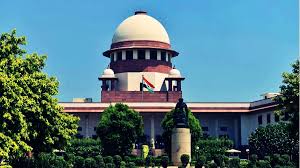
The Supreme Court of India defended free speech rights by dismissing charges of hate speech against Congress MP Imran Pratapgadhi. The Supreme Court established that democratic systems heavily rely on artistic presentation types including poetry and theatre together with stand-up comedy and satire. The court judges A.S. Oka and Ujjal Bhuyan explained through their ruling that people should retain their right to speak regardless of popular disagreement with their opinions. The legal decision ensures that limits on speech rights must follow logical boundaries to prevent the government from abusing these restrictions for silencing criticism.

What is freedom of speech?

  • Religious groups protect freedom of speech and expression through Article 19(1)(a) of the Indian Constitution. 

  • Through speech writing and additional communication methods people obtain the capability to share their ideas. 

  • The Indian Constitution provides freedom of speech but recognizes Article 19(2) enables government-imposed reasonable restrictions for safeguarding sovereignty and security as well as public order and decency and morality among other grounds.

Scope of Article 19(1)(a):

  • Under Article 19(1)(a) the Indian Constitution protects both the freedom of the press and obligations to public speech and commercial speech and maintains broadcasting platforms and access to held information.

  • Article 19(1)(a) grants citizens the freedom to express themselves and to critique both nationally and internationally.

  • Protects the right to silence.

  • Available only to Indian citizens, not foreign nationals.

Constitutional Protection:

  • All citizens under the Indian Constitution possess freedom of speech and expression rights under Article 19(1)(a).

  • The Preamble declares thought freedom along with expression as two vital principles in the Constitution.

Reasonable Restrictions under Article 19(2):

  • India's sovereignty and territorial integrity functions as a legal restriction to prohibit messages that push for separation movements or territorial division of the nation.

  • Security Of The State Mandates The Ban Of Expressions That Promote Violent Upheavals Or Rebellion.

  • Any expression which threatens diplomatic relations between India and other states falls under this restriction.

  • Decency or Morality: Regulates obscene content under Sections 292-294 of the IPC.

  • People cannot freely speak against judicial authority.

  • The right of defamation protects people from statements which damage their public image.

  • The law forbids expressions which have the power to trigger unlawful criminal conduct.

Judicial Precedents:

  • Romesh Thappar v. The Supreme Court of India: in Romesh Thappar v. State of Madras (1950) determined that democratic society needs press freedom to operate effectively.

  • Bennett Coleman & Co. v. Union of India (1972): The Supreme Court of India rendered a verdict in Bennett Coleman & Co. v. Union of India (1972) which declared that limitations on newsprint accessed Article 19(1)(a) rights of free speech.

  • Maneka Gandhi v. The Supreme Court of India made a ruling in 1978 through Union of India (1978) that free speech encompasses international boundaries.

  • Bijoe Emmanuel v. In State of Kerala (1986) the court declared that the right to remain silent qualifies as protected free speech.

Significance of Free Speech:

  • Societal Good: Encourages open discussion and development of society.

  • Self-Development: Essential for individual growth and personality development.

  • Democratic Values: The freedom of speech enables democratic criticism which results in better public discussions based on information.

  • Pluralism: The practice of pluralism shields a variety of opinions to build an inclusive community.

Challenges in Freedom of Speech and Political Satire:

  • Legal Censorship: Legal entities file FIRs and initiate prosecutions against comedians and critics who face charges of defamation and sedition under Section 124A of IPC as well as Section 295A of IPC for disrespecting religious sentiments.

  • Online Harassment and Threats: Online attackers target political satirists through cyber-trolling alongside making threat-related posts that force performers to cancel their shows due to both political and social factors.

  • Impact on Creative Expression: The desire to evade legal problems forces several artists into self-censorship practices that restrict vital critical exchanges.

  • Global Perception: India's international position regarding press freedom suffers damage when governments enact free speech restrictions.

Misuse of Restrictions:

  • According to the SC's ruling the government cannot employ legal provisions to silence expressions of dissent or art.

  • The judicial authority needs to verify that all legal restriction implementations follow democratic guidelines

Stand-up Comedy Media in Indian Political Criticism Under Freedom of Speech Laws

Global and Indian society now recognizes stand-up comedy as an advanced form of social commentary which motivates worldwide political discourse. Indian stand-ups must maintain careful balance due to legal restriction intersections with cultural delicate matters along with political implications in the free speech arena.

Stand-up Comedy in India attributes political commentary.

The expression of political satire exists across all durations of Indian artistic history starting with ancient folk theater and continuing through modern-day social media comedy. The practice of Indian stand-up comedians involves pointing out government flaws using comedy while simultaneously revealing societal hypocrisy as they shine light on critical social matters.

Themes in Political Comedy:

  • Government Policies & Leaders: Indian comedians use their humor to mock economic management and governmental decisions regarding taxes and policy reforms together with monetary devaluation and public sector performance.

  • Religious and Social Issues: Indian comedians commonly mock religious matters as well as social problems such as caste-based discrimination and communal violence and moral regulation.

  • Media & Propaganda: Several entertainers in media space use comedic methods against biased news propagation and unfounded information dissemination.

  • Judiciary and Law Enforcement: Judiciary operations together with police conduct frequently serve as material for humor.

Notable Indian Comedians & Their Political Satire:

  • Kunal Kamra delivers his political critiques through bold statements that strike Indian government actions and mainstream media reports.

  • Through his well-developed storytelling abilities Varun Grover explores complex social and political issues with subtle humor.

  • Munawar Faruqui received legal charges for jokes he supposedly didn't tell which demonstrates the dangers of performing political comedy.

  • Vir Das gained worldwide praise and domestic criticism from his "Two Indias" speech at the Kennedy Center.

Legal and Constitutional Aspects of Free Speech in India

According to Article 19(1)(a) in the Indian Constitution people have the right to speak freely along with expressing their thoughts. Article 19(1)(a) grants the right of free speech to Indians but constricts it through Article 19(2) with permissible boundaries. These restrictions include:

  • Public Order: According to Public Order laws the government can limit expressions that ignite violence or trigger public disorder.

  • Decency and Morality: The screening authority has the right to censor content which features obscenity or violates traditional Indian moral standards.

  • Defamation: Law of defamation permits lawsuits against comics whenever their comments result in reputational damage to another person.

  • Sedition (Section 124A, IPC): Under Indian law Section 124A of the IPC accuses anyone of sedition when their speech demonstrates hatred towards the government.

  • Religious Sentiments (Section 295A, IPC): Speech which offends beliefs concerning religion becomes a punishable offense based on Section 295A of the Indian Penal Code.

Restrictions established for harmony purposes get misused by authorities who suppress dissenting voices.

Challenges Faced by Indian Comedians

A. Legal Harassment and Censorship

A significant number of Indian comedians have encountered First Information Reports or legal actions(predicate) through defamation, sedition, and religious sentiment laws. 

Examples:

  • Munawar Faruqui (2021) spent a month in jail following his supposed joke for which he received an arrest warrant.

  • Kunal Kamra (2020) received court notices for contempt of court after mocking the judiciary.

  • A legal complaint against Indian comedian Vir Das resulted in an FIR when he delivered his "Two Indias" monologue during 2021.

B. Online Trolling and Threats

  • Politically oriented and religious extremist beliefs drive numerous comedians to experience threats to their lives and harassment through abusive messages.

  • People feel compelled to avoid expressing themselves because of finding themselves targeted through social media and facing the consequences of cancelling culture.

  • A few comedians were pushed to move outside India on a short-term basis.

C. Show Cancellations and Venue Pressure

  • The entertainment industry has seen numerous comedy shows terminate their programming because politicians used threats of violence or attempted to force show closings.

  • Event management teams believe dangerous consequences will follow so they practice self-restricted performances.

The Broader Implications for Democracy and Creative Expression

A. Impact on Democratic Discourse

  • Political laughter functions as an indispensable element of democratic health by serving as an instrument to monitor governmental power.

  • When political comedians are muffled it disrupts free speech channels while deterring people from openly criticizing governmental bodies.

B. Rise of Self-Censorship

  • Comedians have selected to shy away from controversial subjects since it allows them to stay clear of legal complications.

  • Some focus on neutral content (e.g., relationships, everyday life) rather than political satire.

C. Global Perception of India’s Free Speech

  • The country holds a poor position when compared to other nations on freedom of press indexes.

  • International criticism intensifies because of government harassment or jail sentences of comedians who make jokes.

The Way Forward: Can India Protect Free Speech in Comedy?

  • Clearer definitions must be established for the sedition law and offenses against religious sentiments to stop unconstitutional usage.

  • Free speech protection must be protected by the judiciary system since political pressure should not influence court decisions.

  • The general public should champion better safeguards to shield artists and comedians from Speech Laws.

  • Stand-up comedians should continue pushing boundaries while being mindful of legal risks.

Conclusion

A prosperous democratic society maintains questioning power along with its critical analysis along with its power satire as essential components rather than optional rights. According to the Supreme Court's decision freedom of speech serves as an indispensable foundation for democratic societies and makes advancement in Indian democracy possible. Legislation serves public order requirements but must not develop into tools that intimidate nor oppress political groups. Modern-day truth-tellers stand as stand-up comedians who perform crucial work to initiate discussions and confront social customs. For India to maintain its democratic principles it must protect all artistic freedom including political satire. Real democracy thrives through the open acceptance of multiple viewpoints including the ones which force mental unease.

Frequently Asked Questions (FAQs)

The current affairs cover recent national and international events related to UPSC, SSC, Banking, Railways, and State PCS.

You need to read about the current affairs daily, and revise them every week and every month to keep them longer in your memory.

Yes, Class24 provides free downloadable Daily Current Affairs PDFs for easy revision.

Yes, you can practice MCQs and quizzes to boost your exam preparation.

Absolutely. The content is written in simple, easy-to-understand bilingual language suitable for beginners.

Go to class24.com and click on the current affairs section directly, where you find everything that you need.

ssc-toppers

Start Learning Today with Class24

Related current affairs

Class24 offers free video lectures for smart preparation, covering CGL, CPO, CHSL, MTS, and GD exams. Learn from expert faculty, revise concepts easily, practice with PYQs, and improve speed and accuracy through high-quality, exam-focused video lessons anytime, anywhere.

Get success in your hand. Start study anytime anywhere.

The journey becomes simple and enjoyable when you start taking interest in it. And through our app “Class24”, we will be your trusted partners in developing that interest.

Daily Quizzes
Mock Tests
Ongoing

No ongoing tests right now.