

Day: March 21, 2025

International Day of Forests (IDF) 2025: Theme, Importance & Initiatives in India

Nature's ecology depends on forests because these ecosystems provide necessary resources which sustain life among millions including oxygen and food as well as medicine and economic survival. Global food security depends on forests because they provide important food resources such as fruits seeds, roots and wild meat that benefit rural and indigenous populations. On March 21 each year the world commemorates the International Day of Forests so people can understand forest importance and work together to defend their existence.

Introduction

  • On March 21, 2012 the United Nations selected this day to become the International Day of Forests (IDF) in order to increase global recognition of forest importance. 

  • The theme for 2025 is "Forests and Food," which emphasizes the deep connection between forests and global food security.

Forests in India maintain an essential relationship with culture and economy through the preservation of their biodiversity thus protecting them represents an essential obligation. Multiple schemes targeting forest-food relations for nutrition and sustainability were launched by the Ministry of Environment, Forest, and Climate Change together with other government departments.

National Agroforestry Policy

  • The program started in 2014 as a means to stimulate tree planting activities on cultivated farms.

  • The policy motivates farmers to combine trees with their cultivated fields with a purpose of establishing sustainable agricultural systems.

  • The scheme targets three main objectives that include improving agricultural output and bettering soil health alongside offering farmers supplementary earnings.

Objectives of the Scheme

  • The government should support agroforestry initiatives because they build climate resilience and preserve the environment and bring economic gains.

  • Fast-growing tree species must be planted on farmlands to build biodiversity resistance.

Implementation Strategy

  • The scheme promotes QPM production using both nurseries and tissue culture units.

  • ICAR-Central Agroforestry Research Institute (CAFRI) offers both technical aid and training services.

  • ICFRE and CSIR with ICRAF and state agricultural universities join forces to execute the program successfully.

Market and Economic Support

  • A program exists for farmers to obtain payment guarantees and buy-back benefits for their cultivated trees.

  • The program supports the private sector to join the market for agroforestry products from production to processing.

  • The approach enables integration of tree-based farming systems within India's millet promotion strategy because millets thrive under these farming conditions.

Funding and Support Interventions

The government assists nursery development through financial programs together with research initiatives.

Green India Mission (GIM)

  • This initiative stems from India’s National Action Plan on Climate Change under the title Green India Mission.

  • Protecting and restoring and improving India´s forest distribution is the main objective of this mission.

  • The project simultaneously addresses climate changes while delivering improvements toward biodiversity conservation and water resources maintenance along with mangrove preservation and wetland protection.

  • Mission Goals

    • The mission strives to introduce 5 million hectares (mha) of fresh forest and tree vegetation while rejuvenating another 5 mha of deteriorated land bases.

    • The project should improve natural ecosystem capabilities through carbon storage and water management and biodiversity preservation.

    • The project aims to enhance forest-based income which will benefit 3 million households.

  • Sub-Missions

    • The mission aims to make forest qualities better and ecosystem services more efficient by enhancing forest cover.

    • The mission aims to restore ecosystems by reforestation of both land and forest expansion.

    • The mission seeks to improve city health through the implementation of Urban Greening that adds more trees for urban and surrounding areas.

    • Agroforestry and Social Forestry attempt to maximize biomass production along with establishing carbon storage facilities.

    • Wetland Restoration – Reviving critical wetlands.

  • Ecosystem Services Improvement Project (ESIP)

    • A World Bank-backed initiative under GIM in Chhattisgarh and Madhya Pradesh.

  • Funding and Expenditure

    • The program dedicated ₹909.82 crores to 17 states and one Union Territory for using 155,130 hectares in eco-restoration and plantation activities (as of July 2024).

    • The implementation of GIM reached 464.20 hectares in the Palghar district of Maharashtra.

Forest Fire Prevention & Management Scheme

  • The Forest Fire Prevention & Management Scheme operates as a Centrally Sponsored Scheme to deliver forest fire prevention support to states and Union Territories.

  • The forest fire detection system for India operates under the direction of Forest Survey of India (FSI) which is located in Dehradun.

  • The system depends on remote sensing technology to detect and notify forest fire issues immediately.

  • The Crisis Management Group led by Secretary (EF&CC) maintains responsibility for responding to forest fire crisis situations.

  • Objectives of the Scheme

    • The goal of this program is to decrease forest fires across areas while revitalizing productivity levels in these spaces.

    • The local community needs encouragement for forest protection activities.

    • The government must invest effort into building systems for ruling fire risks and developing prediction models.

    • Modern technology in Remote Sensing combined with GPS and GIS should be utilized for fire prevention operations.

  • Implementation

    • The World Bank study along with key stakeholder consultations resulted in the development of the National Action Plan on Forest Fire (NAPFF).

    • Real-time satellite-based alerts from FSI can be received through SMS messages and email notifications.

Van Dhan Yojana (PMVDY)

  • The Ministry of Tribal Affairs along with TRIFED introduced this scheme during 2018.

  • The initiative boosts tribal welfare by providing support to developing higher value from forest resources.

  • Formation of Van Dhan Vikas Kendras (VDVKs)

    • The tribal communities organize VDVKs which consist of 300 members who belong to 15 Self-Help Groups (SHGs).

    • These Kendras focus on processing, value addition, and marketing of Minor Forest Produce (MFPs).

  • Financial Support and Implementation

    • Each Van Dhan Vikas Kendra receives ₹15 lakh financial support through ₹1,000 member contributions for ownership.

    • Both government and tribal entities receive assistance for tribal product branding together with packaging solutions and international market entry support.

  • Two-Stage Implementation

    • The first stage calls for creating 6,000 basic infrastructure facilities at tribal district locations.

    • The successful Kendras undergo development by acquiring upgraded storage facilities alongside processing units.

  • Impact and Benefits

    • The plan provides tribals with permanent sustainable income generation opportunities.

    • This initiative serves both as a conservation program for forests and as a prevention method against tribal population relocation.

    • The tribal economy receives benefits from forest-based trade which grows stronger.

Conclusion

Forest conservation together with sustainable development in India becomes visible through the National Agroforestry Policy alongside Green India Mission under the Forest Fire Prevention & Management Scheme and the Van Dhan Yojana. The forest restoration programs combine ecosystem protection efforts with sustainable economic improvements which increase local resilience against climate changes and secure food resources.

The future sustainability of forests requires us to confirm our ongoing dedication on International Day of Forests 2025. Through the combination of conservation initiatives and sustainable policies alongside community involvement India moves forward toward an ecologically better and wealthier environment.
The TB Crisis and Women: Why Gender Issues Matter More Than Ever

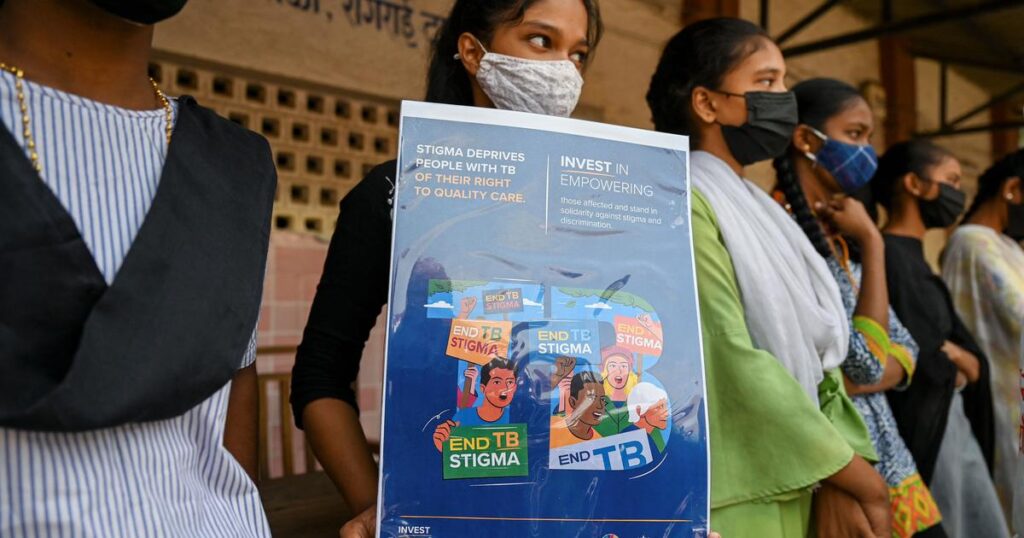
The Indian healthcare system must address the public health issue of tuberculosis (TB) despite the distinct challenges faced by female patients who need treatment. Three main obstacles including financial limitations together with social judgment and poor health care-seeking behaviors work to delay proper diagnosis and the completion of treatment. The target to eliminate TB throughout India by 2025 seems improbable based on data presented in the India TB Report 2024. Different global and national TB combat initiatives require specific intervention strategies to address gender disparities which block women from obtaining equal healthcare opportunity.

Gender Differences in TB Care

  • The public and private health systems maintain gender-related barriers in obtaining TB treatment services.

  • Women face double difficulties since they have to manage their work duties and household tasks together with their tuberculosis treatment regimen.

  • TB treatment brings major challenges to many women because of financial problems and extended care responsibilities.

TB Prevalence in India

According to India TB Report 2024 the nation will fail to eliminate tuberculosis before 2025.

  • Key Statistics:

    • 331,000 deaths due to TB in 2022 (23 deaths per 100,000 population).

    • India continues to hold 27 percent of the total worldwide reported incidence of tuberculosis.

    • Among all new TB cases 2.5% and 13% of cases from the previously treated patient population demonstrate drug resistance.

    • Two percent of total tuberculosis patients also test positive for human immunodeficiency virus.

What is Tuberculosis?

  • A bacterial infection of Mycobacterium tuberculosis serves as the causative factor of Tuberculosis.

  • Commonly Affected Organs: Lungs, pleura, lymph nodes, intestines, spine, and brain.

  • The path of transmission occurs by air through person-to-person contact with poor ventilation conditions between spaces.

Symptoms:

  • Cough with sputum and blood.

  • Chest pain, weakness, weight loss, fever, and night sweats.

Global Burden:

  • 10 million new cases annually.

  • Each year TB causes 1.5 million deaths resulting in the death toll ranking of infectious diseases.

  • TB stands as the main mortality factor for people with HIV infection while simultaneously driving antimicrobial resistance.

  • Highest TB cases in Bangladesh, China, India, Indonesia, Nigeria, Pakistan, the Philippines, and South Africa.

Gender-Specific Challenges in TB Care

  • Post-Treatment Issues:

    • After skin discoloration and weakness affect women they find it challenging to return to their regular lives.

    • People face mental stress because society discriminates against them due to physical changes.

  • Stigma and Neglect:

    • Family members tend to cut ties with women whenever they receive a diagnosis of tuberculosis.

    • The shortage of symptom prioritization combined with insufficient normalization of symptoms prevents patients from obtaining timely care.

    • People discontinue their medical treatment before their symptoms entirely disappear.

  • Under-Diagnosis and Financial Barriers

    • The increased incidence of TB among men occurs because they take on higher life-style risks through smoking habits and drug abuse and exposure at work.

  • Women face distinct challenges:

    • Under-diagnosis due to less prioritization in families.

    • Healthcare facilities remain out of reach because of financial limitations.

    • Women avoid treatment access along with refusing to share their health situation because of societal judgments about their medical condition.

  • Public Health Insights:

    • Research demonstrates that traditional behavioral expectations of men and women still affect how they receive TB treatment.

    • Female patients avoid getting diagnosed because they are concerned their income and social support will be taken away.

    • NGOs promote enhanced execution of government welfare programs by individuals.

Initiatives to Combat TB

Global Efforts:

  • WHO Initiatives:

    • Find. Treat. All. #EndTB joint initiative with the Global Fund and Stop TB Partnership.

    • Global Tuberculosis Report released annually.

  • The Global Plan to End TB (2023-2030):

    • The global health community uses this plan to reach the goal of TB elimination as a public health threat by 2030.

    • The plan directs how funds will be structured to eliminate tuberculosis while setting specific action criteria.

  • The End TB Strategy:

    • The initiative supports the target set by UN Sustainable Development Goal 3.3.

    • The organization devotes broader global resources to fight tuberculosis.

India’s Efforts:

  •  Pradhan Mantri TB Mukt Bharat Abhiyan: India launched the Pradhan Mantri TB Mukt Bharat Abhiyan and has established a nationwide campaign to eliminate TB from the country.

  • National Strategic Plan (NSP): National Strategic Plan (NSP) for Tuberculosis Elimination (2017-2025): Focuses on early detection, treatment, and prevention.

  • TB Harega Desh Jeetega: The TB Harega Desh Jeetega Campaign operates as a public awareness effort which promotes medical treatment adherence among population groups.

  • Nikshay Poshan Yojana: Provides ₹1,000 per month as direct benefit transfer to TB patients.

  • RePORT India represents a joint Indo-US research initiative that conducts Tuberculosis observational research in different Indian regions.

India’s TB Elimination Targets

  • The developed initiative aims to eliminate Tuberculosis by 2025 which exceeds the global 2030 elimination timeline.

  • The goal of India TB Report 2024 shows unlikely to achieve national elimination targets.

  • Sustainable Development Goals (SDG) Target: 80% reduction in TB incidence.

  • National TB Elimination Program (NTEP) 2020:

    • The program seeks to identify diseases early then provide proper treatment in combination with prevention techniques.

    • The program implements three key initiatives for improving the conditions: giving financial aid to affected families and involving the private sector and mobilizing community members.

    • Prevention stands as the leading foundation which the government uses to accomplish its TB control objectives.

Conclusion

Multiple TB combat initiatives exist in India but gender-based inequalities prevent successful achievement of TB elimination. Women experience discrimination and struggle to access healthcare due to financial limitations and social consequences so state officials must take action to fix these issues. Making TB care more inclusive requires stronger support networks and better awareness and equal access to treatment as well as financial assistance. The elimination of tuberculosis from India by 2025 will face major obstacles because gender-sensitive interventions are not in place.

Government Measures to Increase Ethanol Blending Beyond 20%: National Policy on Biofuels

Through the National Policy on Biofuels – 2018 which obtained amendments in 2022 the Government of India moved forward the target date for 20% ethanol blending in petrol from 2030 to Ethanol Supply Year (ESY) 2025-26. Higher ethanol blending requires enterprises to overcome technological barriers as well as environmental challenges while satisfying national regulatory standards since ethanol blending serves multiple strategic national objectives.

What is Ethanol Blending?

  • Ethanol blending combines ethanol and petrol into one mixture for decreasing fossil fuel dependency while decreasing pollution while encouraging renewable energy adoption. 

  • The Indian government has established a target to reach 20% ethanol mixed gasoline (E20) by the 2025-26 Ethanol Supply Year. 

  • Ethanol manufacturers produce their supply mainly through the fermentation of sugarcane and maize together with agricultural waste materials. 

  • Ethanol blending has achieved three crucial benefits for the country which include lower dependence on foreign oil and reduced carbon footprint as well as higher agricultural revenue streams for farmers.

Ethanol Blending Progress

  • The achievement of 10% ethanol-petrol blending occurred five months earlier than expected when measured in June 2022.

  • 12.06% blending in ESY 2022-23.

  • 14.60% blending in ESY 2023-24.

  • The ethanol blending rate reached 17.98% during the second half of the financial year 2024-25 on February 28th.

  • The government has not taken an official decision to surpass blending ethanol beyond 20%.

Roadmap for Ethanol Blending in India (2020-25)

  • The adoption of E20 fuel demonstrates minor enhancement of fuel consumption in E10-compatible vehicles when combined with necessary engine adjustments.

  • The Society of Indian Automobile Manufacturers through SIAM concluded that appropriate engine optimization along with hardware alterations makes efficiency reduction manageable.

  • Engines using E20 fuel demonstrated no considerable effects on their operational performance or deterioration in oil quality or wear on engine components.

Feedstock Diversification

  • The National Policy on Biofuels has established a framework which enables different resource materials for biofuels production including:

  • The National Biofuel Coordination Committee determines food grain abundances to announce surplus periods for usage.

  • The fuel mixture consists of sugarcane juice together with molasses and maize supplemented by damaged food grains which include broken rice and rotten potatoes etc.

  • Agricultural residues (rice straw, cotton stalk, corn cobs, sawdust, bagasse, etc.).

  • The procedure for sugarcane and maize diversion operates with input from various relevant stakeholders.

Government Initiatives Since 2014

  • Expanded feedstock sources for ethanol production.

  • The Ethanol Blended Petrol (EBP) Program follows the administered pricing system for procuring ethanol.

  • The government introduced a 5% GST rate for ethanol that can be used during blending operations.

  • The government modified the Industries (Development and Regulation) Act to achieve easier ethanol movement between states.

  • Simplified procurement process by Public Sector Oil Marketing Companies (OMCs).

  • The EISS program (2018-22) introduced by the government provided financial support to ethanol-production facilities.

  • Cost-effective procurement of ethanol occurs through Long-Term Offtake Agreements that Public Sector Oil Marketing Companies establish with Dedicated Ethanol Plants.

Current Status of Ethanol Blending in India

Economic and Environmental Impact

  • Ethanol-blended fuel now occupies 15% of the market (2024) with plans to reach 20% by 2025 starting from the initial level of 1.53% in 2014.

  • The nation saved 1.06 lakh billion rupees of foreign exchange due to decreased oil imports.

  • Reduced CO₂ emissions by 544 lakh metric tons.

  • The newly developed revenue channels through this program directly benefited farmers while simultaneously decreasing their overdue sugarcane payments.

  • Private investments in the ethanol sector continue to grow as the production capacity exceeds 1623 crore litres by September 2024.

Challenges in Ethanol Blending Expansion

  • Food Security vs. Fuel Production

    • The expansion of ethanol-production from sugar reduces available domestic sugar quantities.

    • The projected consumption of sugar in India stands at 30 million tonnes for the next fiscal year 2024-2025.

  • Water Resource Strain

    • Every kilogram of sugar in sugarcane needs 2,500 liters of water.

    • Manufacturing ethanol through existing processes involves significant water consumption which ranges between 230 to 7,150 liters for each liter of produced ethanol substance.

  • Economic Viability and Pricing

    • Ethanol pricing in India relies on government management rather than the free market mechanism used by Brazil.

    • Ethanol distributors paid between INR 49-66 per liter in the fiscal year of 2023 whereas they originally paid between INR 43-59 per liter in the fiscal year of 2019.

  • Impact on Other Industries

    • The diversion of maize production towards alternative uses caused the poultry feed and starch industries to increase their maize costs by 20 percent.

    • The quantity of exported maize dropped from 4 million metric tonnes (2023) to 450,000 tonnes (2024).

  • Environmental Trade-offs

    • Water pollution from distilleries and increased GHG emissions during ethanol production.

    • The production process of anhydrous ethanol results in 123.10 kg CO₂-eq emissions for each kilogram produced according to scientific research.

  • Technological and Vehicle Compatibility

    • Customers who fill up their engines with E20 fuel should be aware that it can create corrosion problems and performance decreases in vehicles without proper compatibility.

    • The adoption of flex-fuel vehicles needs both government incentives and upgrades of necessary infrastructure.

Recommended Steps to Boost Ethanol Blending

  • Diversification of Feedstock Sources

    • The implementation of second-generation (2G) ethanol production from agricultural materials including rice straw and corn cobs should be promoted.

    • The establishment of crop residue collection points should aim to stop farmers from setting fires to dispose of their agricultural waste.

    • Government support of Public-Private Partnership (PPP) agreements should establish 2G ethanol facilities just like Panipat’s 100-milliliter daily paddy straw plant.

  • Infrastructure Development

    • Ethanol pipelines must connect production zones with consumption areas to boost efficient transportation.

    • The establishment of storage facilities across ethanol production areas must have anti-corrosive measures built-in.

    • Ethanol-specific railway wagons combined with emergency storage facilities should be established to function effectively.

  • Technology and Research Support

    • Agricultural universities should create ethanol research facilities.

    • The government needs to spend money in developing enzyme technologies together with fermentation methods.

    • The government should collaborate with automobile manufacturers to develop flexible fuel engine technology.

  • Pricing and Market Reforms

    • The pricing system must use dynamic approaches to link with worldwide crude oil and raw material expenses.

    • A fund for price stability should be established to control market oscillations.

    • An open pricing system with mathematical formulas must be established for periodic quarterly assessments.

  • Supply Chain Optimization

    • An electronic system must exist for tracking ethanol information in real time.

    • Big data analytics systems using intelligent AI and Machine Learning capabilities should handle estimation of market demands together with supply chain stock control operations.

    • The development of ethanol export centers should be based at crucial ports.

  • Regulatory and Policy Enhancements

    • The implementation of a single-window clearance system should be established to facilitate ethanol project development.

    • The government needs to unify quality control procedures across every state.

    • Streamline environmental clearance processes.

  • Sustainable Agricultural Practices

    • Using precision farming techniques along with crop rotation systems helps conserve water for agricultural needs.

    • The creation of small-scale irrigation systems should occur for crops which produce ethanol feedstock.

    • Cooperative organizations of farmers should be created to produce feedstock in a sustainable manner.

  • Skill Development and Capacity Building

    • The implementation of training centers is necessary for operators who work at ethanol facilities.

    • Agricultural colleges should introduce vocational programs for managing biofuels.

    • The industry needs certification training both for ethanol manufacturing and production safety procedures.

  • International Collaboration

    • India should enhance the existing technology transfer relationships between Brazil through bilateral framework agreements.

    • Partner with global research institutions on advanced biofuels.

    • The commitment for membership in the Global Biofuel Alliance of 2023 enables India to draw investments for biofuels.

  • Environmental Monitoring

    • The installation of continuous pollution detecting systems must occur in ethanol production facilities.

    • Incentivize zero-liquid discharge systems.

    • Indian authorities should establish carbon credit protocols aimed at encouraging sustainable alcohol manufacturing operations.

Conclusion

Indian energy security coupled with environmental sustainability and rural economic advancement relies greatly on ethanol blending as a strategy. The 2025 target of 20% ethanol blending represents a key achievement but more technological work and economic improvements together with environmental considerations must be resolved before setting higher blending ratios. India needs to unify its efforts between safeguarding food supplies and protecting water resources and industrial development to construct its energy system of the future.

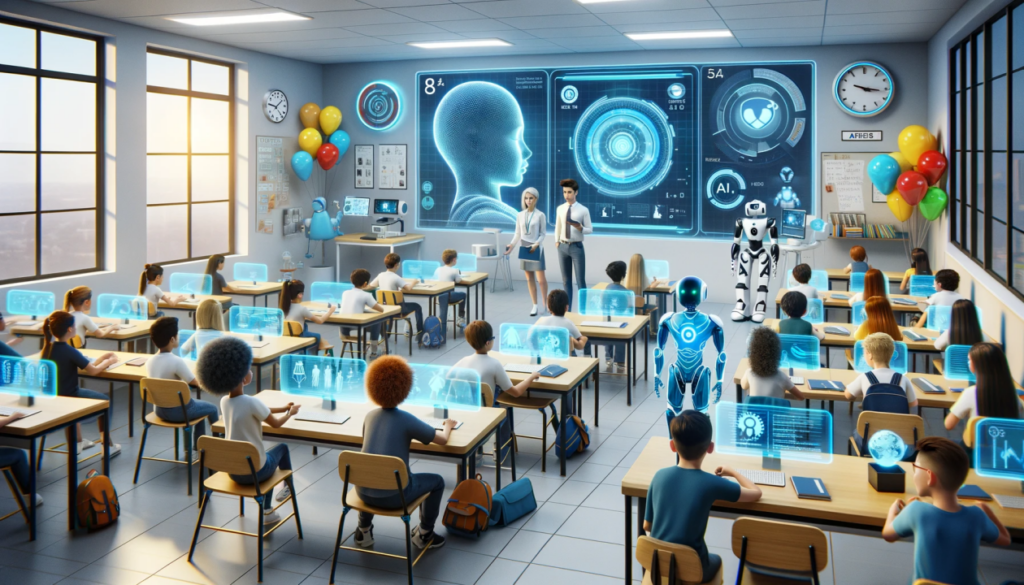
AI Appu: Transforming Early Childhood Education in India

Appu is an AI tutor launched by Rocket Learning that delivers personalized education to children in the 3 to 6 year age range from a Bengaluru-based ed-tech non-profit organization. This initiative receives support from Google.org which is the charitable wing of Google to revolutionize early childhood education in India.

Key Features of Appu

  • Multilingual Approach: Appu launched with Hindi but will bring 20 more Indian languages into its multilingual conversational learning capability which includes Marathi and Punjabi.

  • AI-Powered Personalization: AI technologies enable the AI tutor system to offer custom learning experiences based on individual student requirements which leads to better educational results.

  • Massive Outreach Potential: The development of Appu received $1.5 million funding from Google.org which supports its current implementation with thousands of children but it aims to expand service to reach 50 million families throughout India by 2030.

  • Integration with Anganwadi Centers and Pre-Schools: The upcoming Appu platform will enhance student access to Pre-School and Anganwadi Center resources while offering better educational quality.

The Role of AI in Education

Artificial Intelligence (AI) achieves its definition as a technique which allows computers to simulate human intelligence through intelligence management functions for learning and decision processes. The implementation of AIED technology provides three main benefits for educational settings to enhance student learning experience.

  • Personalized learning paths

  • Automated administrative tasks for teachers

  • Intelligent tutoring and real-time assistance

  • Sequential data processing reveals student knowledge deficits through specific patterns in educational data.

AI’s Impact on Education

  • Enhanced Personalization: Describes AI systems that adjust to student-specific learning speeds along with personal preferences for creating personalized educational experiences.

  • Assistance: Through AI-powered chatbots educational institutions achieve instant assistance so students have interactive learning sessions.

  • Feedback: Students can get automated assessment feedback without disrupting real-time evaluation though it helps teachers handle less work.

  • Content Creations: The system utilizes AI capabilities to produce quizzes as well as interactive lessons together with adapted study plans for each student.

  •  integration of VR and AR: The integration of VR and AR technologies using AI powers virtual simulations which both improve student engagement and comprehension.

Challenges in Implementing AI in Education in India

  • Lack of AI Literacy Among Educators: Educational institutions face difficulties because a large number of their teaching staff lack sufficient training in AI tool operation.

  • Equity and Accessibility Issues: Rural students together with disadvantaged students face barriers because they do not have access to digital infrastructure.

  • Privacy & Ethical Concerns: Ensuring student data security and ethical AI usage.

  • Over-Reliance on AI: Potential decline in critical thinking and creativity among students.

  • The system needs to tailor learning approaches to multiple audience requirements without developing systematic prejudices.

Bridging the Digital Divide

  • Government & Private Sector Collaboration: Investment in rural AI infrastructure.

  • Affordable Price: AI-driven learning tools with affordable prices will enable economically poor students to benefit from them.

  • Ai Training to Educators: The training program for educators should focus on teaching teachers how to effectively integrate AI into their teaching practice.

Future Roadmap & UNESCO Recommendations

A UNESCO study published several main strategies which AI should implement in educational settings:

  • The first priority of AI ethics needs strong data privacy regulations in place.

  • The development of accessible AI requires equal distribution opportunities for advanced tools to reach all people.

  • The educational sector should develop Public-Private Partnerships to establish productive alliances between technology companies and institutions.

  • Education professionals should work to build algorithms which deliver unbiased learning programs.

  • The improvement of public trust in AI depends on making AI applications more open and transparent to users.

Conclusion

The Appu initiative serves as a major milestone toward using AI technologies for early learning education in India. Through the combination of existing challenge resolution with AI potential exploitation this endeavor plans to build educational connectivity while improving learning quality beyond standard standards for digital preparedness among early learners.

Transforming India’s Agriculture and Dairy Sectors: Key Policies and Budget Highlights

The Union Cabinet granted funding of ₹1,000 crore for the Reformed National Program for Dairy Development (NPDD) to support the livestock industry. India's Budget of 2025-26 defines agriculture as the key development force driving the country's progress. The government approved the extension of Pradhan Mantri Fasal Bima Yojana and Restructured Weather Based Crop Insurance Scheme until 2025-26 on January 1st 2025. The government approved the expansion of One-time Special Package on Di-Ammonium Phosphate (DAP) on January 1, 2025. On November 25 2024 and established the National Mission on Natural Farming (NMNF) with an expenditure budget of Rs 2481 crore.

The Cabinet also made the decision to merge all Centrally Sponsored Schemes under the Ministry of Agriculture between two integrated programs named Pradhan Mantri Rashtriya Krishi Vikas Yojana (PM-RKVY) and Krishonnati Yojana (KY) on October 3, 2024. The National Mission on Edible Oils – Oilseeds received cabinet approval with an expenditure budget of Rs 10,103 crore through a decision passed on October 3, 2024.

Introduction

  • On March 19, 2025 the Cabinet of Union Ministers made substantial improvements to the agricultural and dairy and animal husbandry operational sectors. 

  • The rural economy of India relies on these sectors because they create employment and offer economic stability. 

  • The government established essential initiatives which focus on sector modernization while enhancing productivity as well as ensuring long-term development.

Key Reforms in Dairy Sector

Revised National Program for Dairy Development (NPDD)

The Updated National Program for Dairy Development (NPDD) obtained government approval with a budgetary increase of ₹1000 crore.

  • Budget Allocation:

    • ₹1,000 crore was added to raise the government allocation to ₹2,790 crore during the 15th Finance Commission period (2021-22 to 2025-26).

  • Objectives:

    • The government aims to improve the milk procurement system along with processing facility strength and quality management systems.

    • The improvement of farmer market access occurs through value addition to products.

    • Dairy supply chain enhancement will boost rural income through better performance.

  • Components:

    • The dairy infrastructure enhancement stands as Component A of this program.

    • Component B: Dairying through Cooperatives (DTC) with JICA partnership.

  • Expected Outcomes:

    • Establishment of 10,000 new Dairy Cooperative Societies.

    • Creation of 3.2 lakh jobs, 70% benefiting women.

Revised Rashtriya Gokul Mission (RGM)

  • Budget Allocation:

    • The budget received an additional funding of ₹1,000 crore that increased its total amount to ₹3,400 crore.

  • New Additions:

    • The funding provides temporary capital cost assistance valued at 35% to establish 30 facilities that house 15,000 heifers.

    • The government offers three percent interest rate reduction to anyone borrowing money for purchasing HGM IVF heifers.

  • Ongoing Activities:

    • The government aims to enhance the capabilities of semen stations and Artificial Insemination (AI) network infrastructure.

    • The production of bulls and agricultural breed improvement relies on the use of sex-sorted semen.

    • Skill development and awareness programs

    • Establishment of Centres of Excellence.

  • Expected Outcomes:

    • Increased income for 8.5 crore dairy farmers.

    • Scientific conservation of indigenous bovine breeds.

Key Agriculture Sector Provisions in Union Budget 2025-26

Major Agricultural Schemes

  • Prime Minister Dhan-Dhaanya Krishi Yojana: Targeting 100 low-productivity districts.

  • Rural Prosperity and Resilience Programme: Addressing underemployment and technology-driven transformation.

  • Mission for Aatmanirbharta in Pulses: Enhancing production of Tur, Urad, and Masoor.

  • National Mission on High Yielding Seeds: Strengthening research for high-yield, pest-resistant seeds.

  • Cotton Productivity Mission: The Cotton Productivity Mission aims to enhance cotton production and establish cultivation of extra-long staple cotton varieties.

Animal Husbandry and Fisheries

  • The Makhana Board in Bihar serves as a promotional body to enhance both makhana agriculture and distribution activities.

  • Through the Fisheries Development Framework the government works to harness marine resources sustainably.

Financial Reforms

  • The Kisan Credit Card received an expanded loan amount increase from ₹3 lakh to ₹5 lakh.

  • Grameen Credit Score: Credit access improvement for SHG members.

  • Micro Enterprises Credit launched new designed credit cards with a maximum borrowing capacity of ₹5 lakh.

Recent Cabinet Decisions (Since October 2024)

  • Pradhan Mantri Fasal Bima Yojana (PMFBY) Extension

    • The scheme extends until 2025-26 while receiving an allocated budget of Rs. 69,515.71 crore.

    • Introduction of a Fund for Innovation and Technology (FIAT) worth Rs. 824.77 crore.

  • National Mission on Natural Farming (NMNF)

    • Rs. 2,481 crore outlay till 2025-26.

    • The main goal of this initiative is to establish chemical-free agricultural practices alongside improving soil condition.

  • PM Rashtriya Krishi Vikas Yojana (PM-RKVY) & Krishonnati Yojana (KY)

    • Combined budget of Rs. 1,01,321.61 crore.

    • Implementation through State Governments.

  • National Mission on Edible Oils – Oilseeds (NMEO-Oilseeds)

    • The oilseed production sector receives funding support of Rs. 10,103 crore through a financial outlay.

    • Target of increasing domestic edible oil production to 25.45 million tonnes by 2030-31.

Key Welfare Schemes

  • Pradhan Mantri Kisan Samman Nidhi (PM-KISAN)

    • Direct financial assistance of Rs. 6,000 per year to farmers.

    • Through the 19th installment the scheme provided financial support to more than 9.8 crore farmers.

  • Pradhan Mantri Kisan Maandhan Yojana (PMKMY)

    • The PMKMY offers under the voluntary pension scheme post-retirement benefits that reach Rs. 3,000/month.

  • National Livestock Mission (NLM)

    • The budget established Rs. 324 crore specifically for creating employment opportunities in the livestock sector.

  • Animal Husbandry Infrastructure Development Fund (AHIDF)

    • Dairy and meat processing infrastructure received a budget revision of Rs. 29,610 crore through the administration.

  • National Animal Disease Control Programme (NADCP)

    • The Foot and Mouth Disease control program executed 99.71 crore vaccinations.

Conclusion

Indian agriculture together with dairy receive increased attention through modernization policies and budgetary investments from the government. Through enhanced infrastructure and cooperative strengthening alongside sustainable farming practices the country will achieve long-term sector growth and achieve both economic stability and increased farmer income.

Government Steps to Strengthen Strategic Petroleum Reserves

India has established Strategic Petroleum Reserves (SPR) to enhance energy security and mitigate supply disruptions. Managed by Indian Strategic Petroleum Reserve Ltd. (ISPRL), the country has 5.33 MMT storage capacity across Visakhapatnam, Mangaluru, and Padur. Expansion plans include Chandikhol (4 MMT) and Padur (2.5 MMT) under a PPP model. To reduce dependence on fossil fuels, India promotes natural gas, biofuels, and renewables. SPRs ensure 90 days of oil reserves per IEA guidelines. India strategically filled its reserves during the 2020 oil price slump, saving ₹5000 crore, reinforcing its commitment to energy security and supply diversification.

Introduction:

The Indian Strategic Petroleum Reserve Limited (ISPRL) as an SPV under governmental supervision established Strategic Petroleum Reserve (SPR) storage facilities with total capacity at 5.33 MMT of crude oil at:

Visakhapatnam (1.33 MMT)

Mangaluru (1.5 MMT)

Padur (2.5 MMT)

Expansion Plans

The Government received approval in July 2021 to proceed with the development of two extra commercial-and-strategic petroleum reserve facilities which will reach 6.5 MMT in total storage capacity.

Chandikhol, Odisha (4 MMT)

Padur, Karnataka (2.5 MMT expansion)

The facilities will be established through a Public-Private Partnership (PPP) model. Government agents with Oil Marketing Companies operate continuous assessments to determine storage facility enlargement options alongside exploring new petroleum reserve sites.

Diversification of Crude Supply Sources

Indian Oil Public Sector Undertakings (PSUs) preserve crude security through multiple crude procurement sources from Middle East and Africa and North America and South America.

  1. Middle East

  2. Africa

  3. North America

  4. South America

The foreign supply of LNG to India extends to three new nations through Australian, United States and United Arab Emirates destinations. Indian Oil Public Sector Undertakings have established long-term contracts that guarantee continuous LNG provisions and shield against pricing instability.

Strategies to Reduce Fossil Fuel Dependence

The Government implements multiple approaches for embracing cleaner energy alternatives through the following strategy:

  • The implementation of natural gas throughout the economy helps establish a gas-based system.

  • The promotion of renewable and alternative fuel options including ethanol and its second-generation parallel ethanol production along with compressed bio-gas fuel and biodiesel and Green Hydrogen technology and electric vehicles (EVs) will take place.

  • Energy Saving enhancements in refinery operational methods now receive attention for better energy management.

  • The government must implement policies which will increase production of domestic petroleum resources and natural gas reserves.

  • Through Sustainable Alternative Towards Affordable Transportation (SATAT) the government aims to increase consumption of Compressed BioGas (CBG) as a vehicle fuel.

  • National agencies should advance biofuel initiatives by expanding the operations of the Ethanol Blended Petrol (EBP) Programme and the Biodiesel Blending Programme.

Understanding Strategic Petroleum Reserves

  • A majority of nations operate Strategic Petroleum Reserves which provide crude oil stockpiles used to maintain supply continuity during geopolitical crises and disruptions. 

  • The energy reserves act as a fundamental element which ensures continuous energy supply required for national progress.

International Energy Agency (IEA) Guidelines

  • Member countries of the International Energy Programme (I.E.P.) agreement must keep sufficient oil reserves that match 90 days worth of their net oil imports.

  • IEA members jointly release their emergency stockpiled oil when a severe oil supply disruption occurs in order to maintain market stability.

  • India joined the IEA as an associate member when it did so in 2017.

Historical Context of Strategic Reserves in India

  • During the 1990 Gulf War India fell into an energy crisis because it possessed oil reserves that lasted only three days.

  • In 1998 the Government of Atal Bihari Vajpayee initiated a plan to develop SPR facilities.

  • India faces rising power consumption that has made it necessary to build strategic oil reserves.

Global Strategic Petroleum Reserves

The highest capacities for strategic petroleum reserves exist in these nations:

  • United States – 714 million barrels

  • China – 475 million barrels

  • Japan – 324 million barrels

Conclusion

India maintains a sustained expansion of SPR facilities because it prioritizes both energy security and supply diversity and seeks to transition away from fossil fuels by embracing cleaner power alternatives.

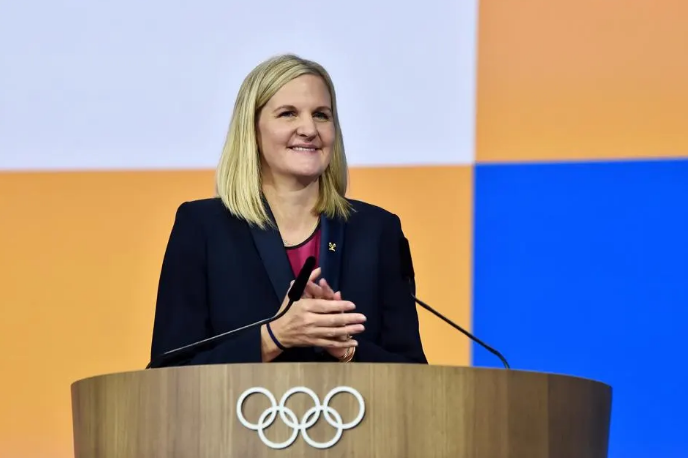
Kirsty Coventry Will Lead Olympics as I.O.C.’s First Female and First African President

Kirsty Coventry from Zimbabwe received the 10th Presidential appointment of the International Olympic Committee (IOC) during today's meeting thus becoming the first female head of IOC history. A single round of IOC Session voting at Costa Navarino Greece selected her as their choice. The presidential handover period will start when President Thomas Bach completes his duties on 23 June to allow Coventry to take office. She intends to lead the IOC for eight years while upholding Olympic values while dealing with important worldwide matters and building the sporting world.

Key highlights

Context: 

  • Kirsty Coventry from Zimbabwe became 10th president of the International Olympic Committee (IOC) making her the first woman and first African to do so.

  • Her tenure will be 8 years.

  • She will be replacing Thomash Bach who was first elected in 2013 and re-elected in 2021.

  • Coventry will assume office after the handover from President Bach on Olympic Day, 23 June. President Bach, who remains in the role until then, will also resign as an IOC Member after the transfer of power and will then assume the role of Honorary President.

Background and Achievements:

  • Coventry competed professionally as a Zimbabwean Olympic swimmer who has earned seven Olympic medals (2 gold in 2004 and 2008, 4 silver and 1 bronze).

  • She competed at the Olympic Games from Sydney 2000 to Rio 2016 in a span of 5 consecutive events.

  • Served as Zimbabwe's Minister of Sport, Art & Recreation since 2018.

  • The IOC appointed Coventry as the Chair for their Athletic Commission alongside their role as Vice President of the International Surfing Federation.

  • The 41-year-old Zimbabwean presidential winner stands as the youngest person to lead the Olympic Committee following its creator Baron Pierre de Coubertin from the late 19th century.

Transition and Future Plans:

  • The Olympic Day serves as the transition date when Coventry will succeed Thomas Bach in IOC leadership.

  • The first key aspect of her role will consist of managing preparations for the upcoming Olympic Winter Games Milano Cortina 2026.

  • The president works to establish an inclusive global structure that embraces diversity while developing the Olympic Movement forward.

The Olympic Games: An Overview

Introduction: 

  • Through its history since Pierre de Coubertin's co-founder era the Olympic Games continues to represent peak athletic performance alongside global peace among nations. 

  • The observance of International Olympic Day on June 23 allows us to assess both the historical development of the Olympics and their modern-day functions as well as current difficulties they face. 

  • Throughout thousands of years dating back to ancient Greece until current modern global shows the Olympics maintain their position as a special worldwide phenomenon.

Origins in Ancient Greece

  • The Olympic Games started in the Greek town of Olympia approximately during 776 BC. As religious and cultural phenomena of ancient Greek civilization these Games celebrated the honors of God Zeus. 

  • Athletes participated in competitions of running, wrestling and chariot racing to win both glory and an olive wreath. Athletes who participated in the Games received status as a sign of honor which strengthened both political and cultural connections between Greek city-states.

Decline and Revival

  • The Olympic Games vanished during the time of political modifications and Christian expansion while Emperor Theodosius I finally announced their official end in 393 AD. 

  • At the end of the 19th century Pierre de Coubertin revived the modern Olympic spirit by implementing his plan to establish peace through athletic competition. 

  • International sporting competition entered a new modern stage when the first Games of the contemporary era began in Athens during 1896.

Olympic Symbols and Administration

  • Olympic Rings: Pierre de Coubertin forged the five interlocking rings into an Olympic symbol that illustrates worldwide solidarity and stands for the five continents of the world during his creation year of 1913.

  • Motto: The official Olympic Motto had its beginning as "Citius, Altius, Fortius" (Faster, Higher, Stronger) before IOA adopted its current version "Citius, Altius, Fortius – Communiter" during 2021 to highlight solidarity across nations.

  • Indian Olympic Association (IOA): It serves as the foundation date of 1927 to select and train Indian athletes for Olympics while actively supporting Olympic principles.

Challenges and Controversies in the Olympics

  • Political Conflict: Major boycotts dominated the Olympic competitions during the Cold War period when both the Soviet Union boycotted the 1984 Los Angeles Games while the United States hosted its own boycott toward the 1980 Moscow Olympics.

  • Doping: The East German state doping implementation alongside the Russian doping corruption case compelled stricter anti-doping measures to ensure clean competition.

  • Corruption: The Olympic International Committee faces credibility issues due to bribery incidents which included allegations outlined in the 2002 Salt Lake City bidding process.

  • Environmental and Social Impact: The 2016 Rio Summer Olympic Games sparked environmental and social impacts which displaced local communities while causing environmental concerns.

  • Financial burden: The cost of hosting the Olympics tends to be economically burdening because Greece struggled with debt after Athens 2004 and Sochi 2014 cost the host country $50 billion.

Latest Olympics: Paris Olympics 2024

  • During the course of the 2024 Paris Olympics from 24 July to 11 August.

  • 10,714 athletes representing 206 nations participated in 329 events. Breaking made its first entrance into the Olympic games.

  • Both The United States and China gained an equal number of 40 gold medals while the United States earned 126 total medals among the participants.

  • India placed 71st globally in the event while experiencing successful and negative points regarding their achievements.

Challenges Behind India’s Underperformance

  • Mis-management: Systematic problems involving athlete management became apparent when Vinesh Phogat received a disqualification for poor conduct.

  • Performance Pressure: The combination of last-minute nervousness among Indian athletes results in preventable performance losses throughout competitions.

  • Problem with Sports federation: The problems within sports federations arise through corruption together with unmerited promotion and biased choices which slow down the development of sports.

  • Inadequate Infrastructure: Training facilities alongside coaching practices in India fail to meet the modern international standards of other nations participating in these events.

  • Celebrity-driven Funding: The irregular sources of funding from celebrities restrict the expansion of athletic development throughout the nation.

  • Cultural Barriers: A societal preference for academics reduces the availability of sports talent within the population.

  • Government Support: The government provides various schemes yet ongoing investments for grassroots sports programs do not reach adequate levels.

Government Initiatives for Olympic Success

  • Through its Target Olympic Podium Scheme (TOPS) the organization delivers financial backing with additional training opportunities as well as international athletic exposure.

  • The Mission Olympic Cell tracks athlete development and gives direct assistance to athletes.

  • Khelo India Scheme: Focuses on grassroots sports development.

  • The possibility to train overseas through international exposure gives Indian athletes a chance to achieve greater competitiveness.

Way Forward for Indian Sports Development

  • Broadening Sport Participation: The organization plans to enhance its competitive position through swimming and track and field athletic participation to secure more medals at future Olympics.

  • Ending Bureaucratic Dominance requires sports federations to become professional organizations with selections based on merit.

  • The implementation of mental conditioning programs should target psychological blocks to boost competitive clutch outcomes.
  • Collaborative Efforts: Ensuring synergy among federations, the Sports Authority of India, and private stakeholders.

  • Sports in Education represents an educational initiative that conforms to the framework described in the National Education Policy 2020.

  • A National Sports Education Board must be founded to create uniform sports education guidelines for the entire nation of India.

  • Promoting Sports Culture: The development of a sports culture needs to transform social beliefs to recognize sports as an attainable career choice.

Conclusion

IOC history made during Kirsty Coventry's presidency by becoming the first female IOC President that also represents an area outside the Olympics' Western origins. Due to her extensive background as athlete and sports administrator and policymaker she demonstrates exceptional qualifications to guide the IOC toward its new future. The role of IOC president presents substantial obstacles for Coventry to handle regarding Olympic budget supervision and worldwide policy adjustments while upholding games inclusiveness and sustainability. The world will closely observe the leadership approach of Thomas Bach during his tenure in international sports leadership.

Frequently Asked Questions (FAQs)

The current affairs cover recent national and international events related to UPSC, SSC, Banking, Railways, and State PCS.

You need to read about the current affairs daily, and revise them every week and every month to keep them longer in your memory.

Yes, Class24 provides free downloadable Daily Current Affairs PDFs for easy revision.

Yes, you can practice MCQs and quizzes to boost your exam preparation.

Absolutely. The content is written in simple, easy-to-understand bilingual language suitable for beginners.

Go to class24.com and click on the current affairs section directly, where you find everything that you need.

ssc-toppers

Start Learning Today with Class24

Related current affairs

Class24 offers free video lectures for smart preparation, covering CGL, CPO, CHSL, MTS, and GD exams. Learn from expert faculty, revise concepts easily, practice with PYQs, and improve speed and accuracy through high-quality, exam-focused video lessons anytime, anywhere.

Get success in your hand. Start study anytime anywhere.

The journey becomes simple and enjoyable when you start taking interest in it. And through our app “Class24”, we will be your trusted partners in developing that interest.

Daily Quizzes
Mock Tests
Ongoing

No ongoing tests right now.